How to Grow Rosemary

Rosemary At a Glance
Difficulty
Moderate
Category
Herb
Sun Exposure
Full Sun
Frost Tolerance
Frost Tender
Cold Hardiness
Survives to -10°C
Plant Family
Lamiaceae
Growing Season
Warm Season
Plant Lifecycle
Perennial
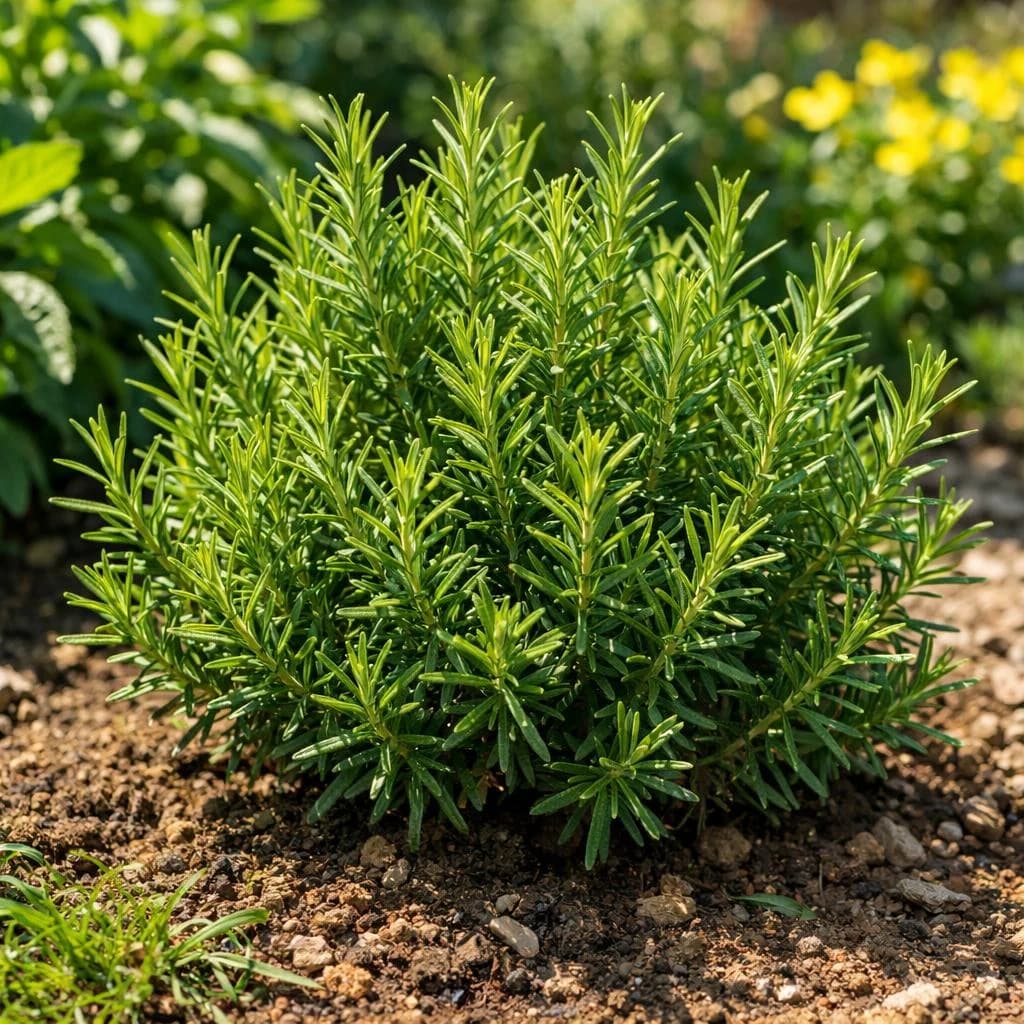
How to Start It
★ Recommended for beginners
If you have a plant or can get a sprig from a friend, cut a 10 cm piece of soft new growth in summer, strip the lower leaves and push it into damp, gritty potting mix. Keep it in bright light out of hot sun, with the mix barely damp: it roots in about 4 to 8 weeks and grows exactly like its parent.
Rosemary is a woody evergreen herb that loves heat and dry soil, and more plants die from too much water than too little. In most of Canada it cannot survive winter outside, so grow it in a pot you can bring indoors before the first fall frost.
When To Start
First chance to plant
After last frost: rosemary is frost tender
Last chance to plant
~90 days before first frost so it roots in
When should you plant Rosemary?
Your planting dates depend on your local climate. Sign up and add your location to unlock personalized dates.
Your Rosemary Planting Window
Start planting
May 15, 2026
Last chance
Sep 10, 2026
Your Rosemary Calendar
Set your location to turn these into exact dates and reminders.
Set rosemary out in a hot, sunny, well-drained spot
1 week after your last frost· every year
Trim rosemary lightly after flowering, not into bare wood
120 days after your last frost· every year· optional
Water your new rosemary plants well while they settle in. Deep and slow is best.
About 1 days after you plant it
Your rosemary is settling in! Let the soil dry out between waterings, since it does not like wet roots.
About 30 days after you plant it
How is your rosemary doing? Give it all the sun you can, and pinch the tips now and then to keep it bushy.
About 90 days after you plant it
The Journey Ahead
Rosemary's Lifecycle
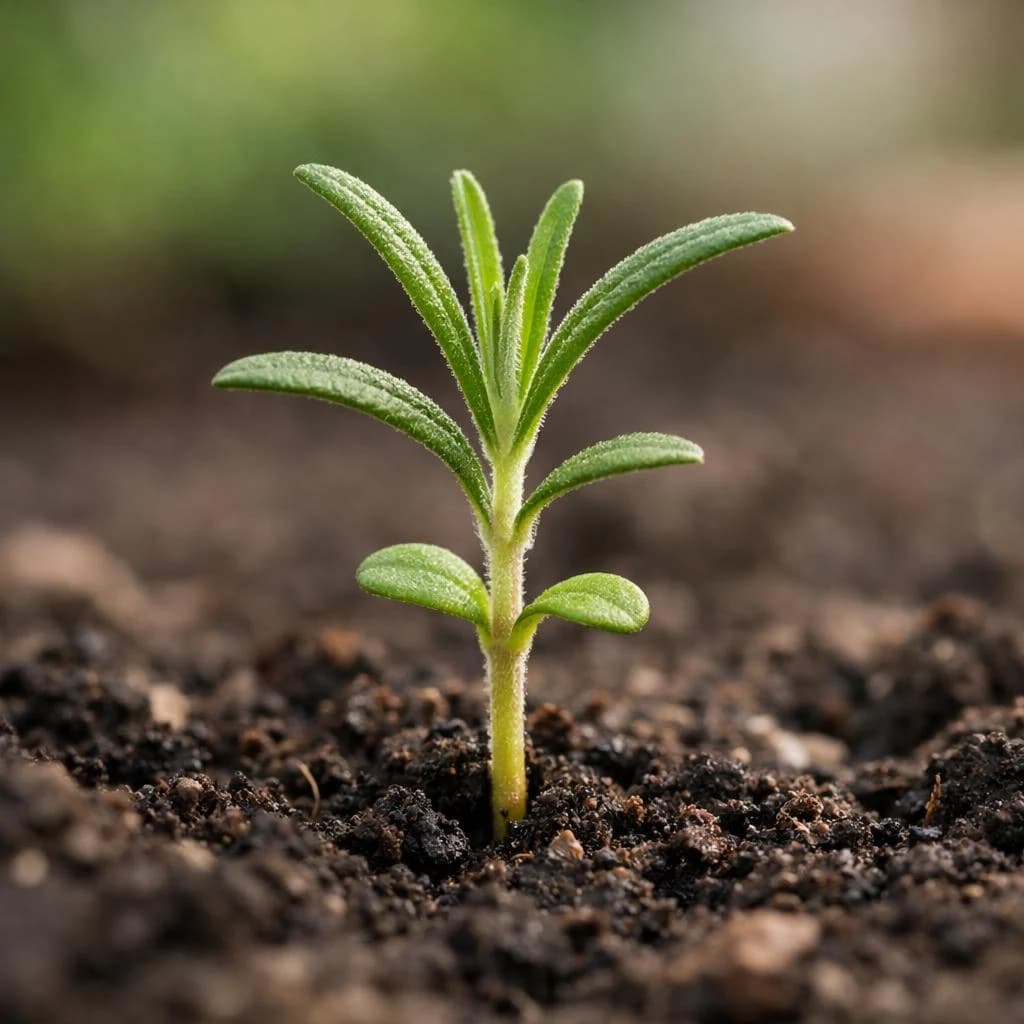
Seedling
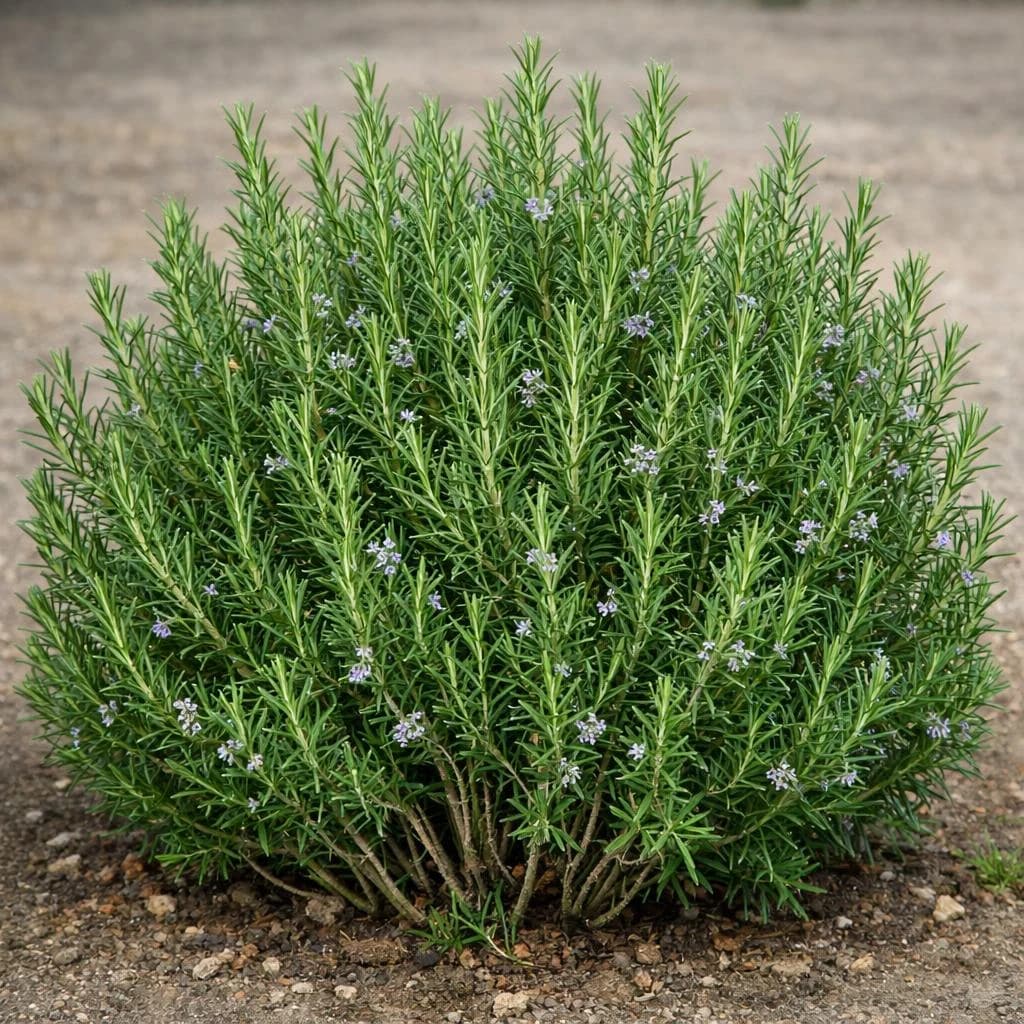
Mature Plant
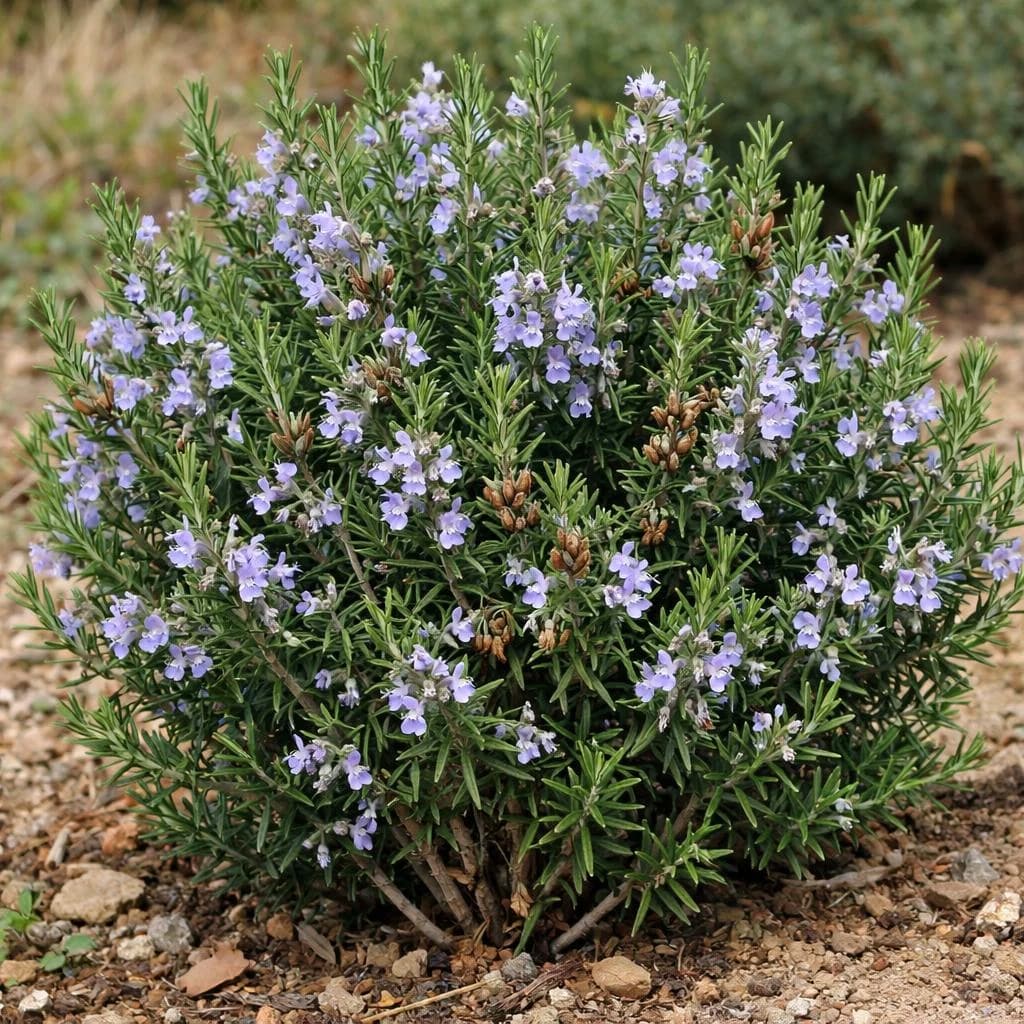
Seed Production
Step 2
Planting & Sprouting
Growing Tips
- 1Give rosemary full sun, at least 6 to 8 hours a day outdoors, and your sunniest window indoors in winter.
- 2Plant it in gritty, fast-draining soil or cactus mix with only a little compost, in a pot with drainage holes.
- 3Let the top few cm dry out between waterings, but do not let a potted plant dry out completely, especially indoors in winter.
- 4Feed lightly with compost tea once or twice in summer, since rich food makes the flavour weaker.
- 5Indoors, keep it in a cool, bright room with air moving around it, and rinse off spider mites or white powdery mildew spots in the sink.
- 6Trim lightly after it flowers to keep it bushy, but never cut back into old bare wood, which rarely regrows.
Seedling Phase
Step 3
Growth & Maturity
90 cm
Mature Height
90 cm
Mature Width
Pests to Watch For
Diseases to Watch For
Mature Plant
Step 4
Harvesting
When to Pick
Snip sprigs anytime once established; flavour is strongest just before flowering
How to Harvest
- 1Snip sprigs anytime once the plant is growing well, from the soft green tips.
- 2Never take more than a third of the plant at once.
- 3Cutting often keeps the plant bushy and full.
- 4Strip the needles from the woody stems for cooking, or use whole sprigs to flavour roasts and soups.
- 5Dry extra sprigs hanging upside down in a warm, airy spot, then store the needles in a jar.
Step 5
Saving Seeds
Seed Production
Still have a question?
Ask your coach about your rosemary.
This page covers what we thought to write down. Your rosemary will do something it never mentions, and that is the day a coach beats a guide. Ask Coach Lumen one question right now, free, no account.