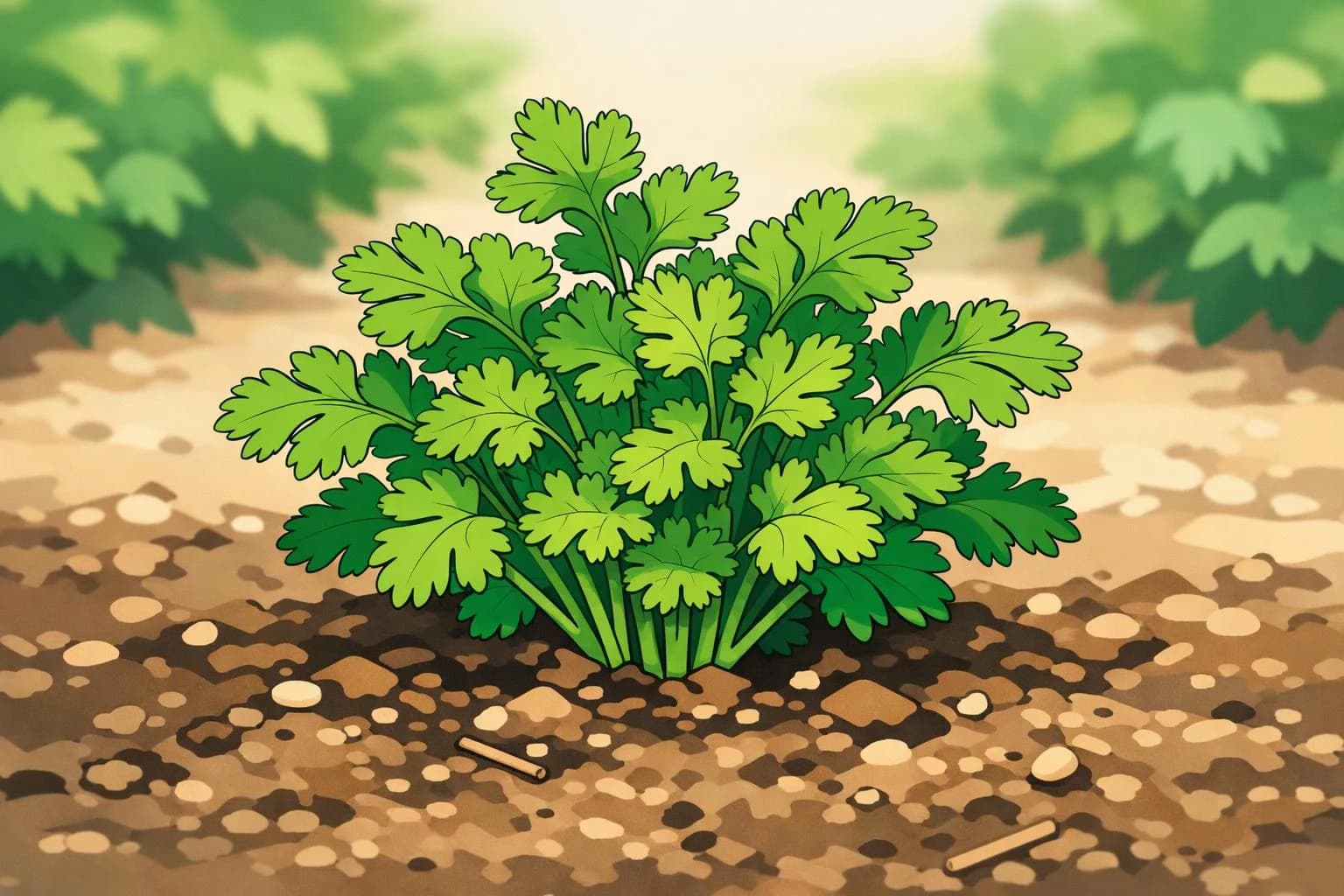
How to Grow Anise

Anise At a Glance
Difficulty
Moderate
Category
Herb
Sun Exposure
Full Sun, Partial Sun
Frost Tolerance
Frost Tender
Cold Hardiness
Survives to -4°C
Plant Family
Apiaceae
Growing Season
Warm Season
Plant Lifecycle
Annual
How to Start It
★ Recommended for beginners
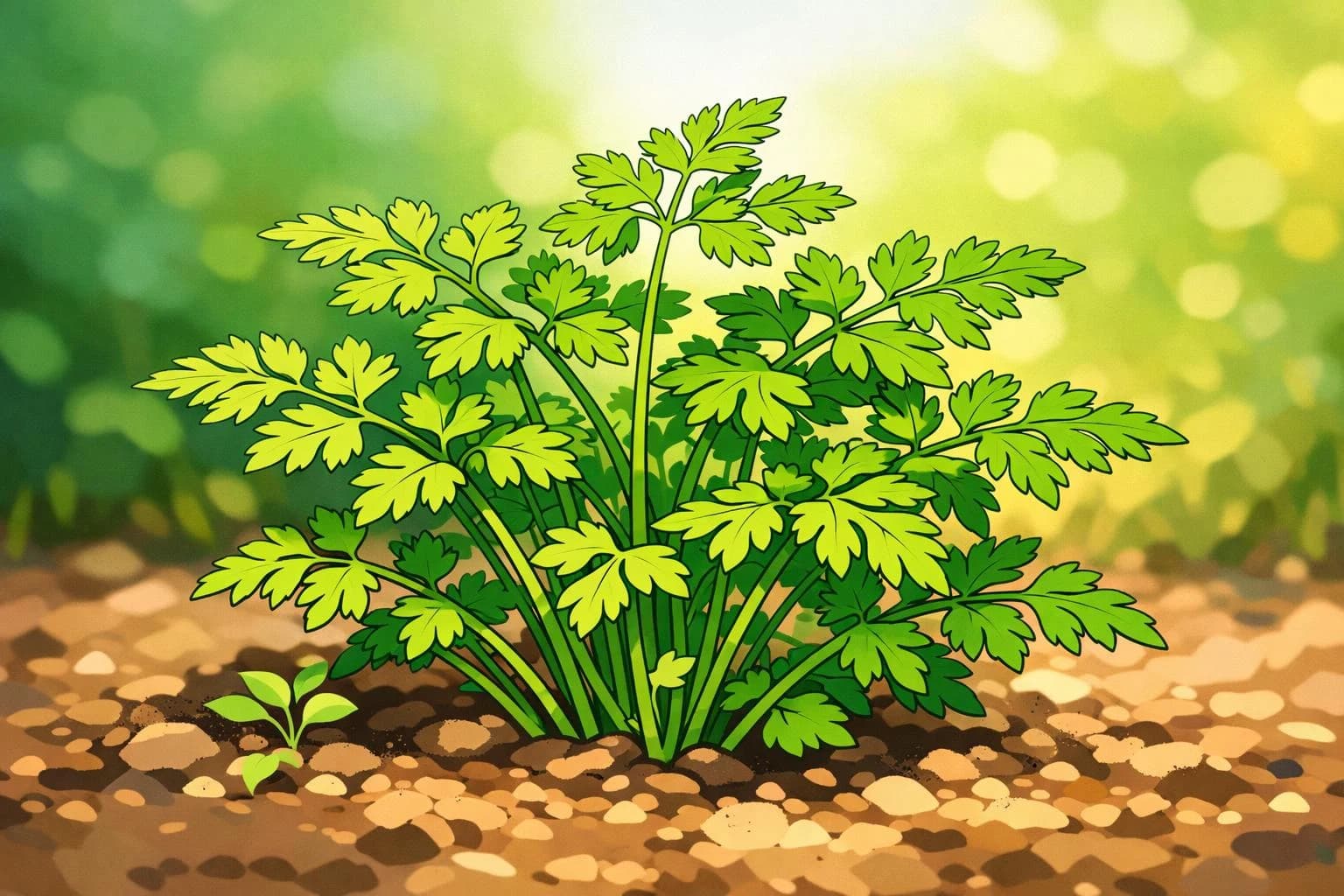
Sow about 1 week after your last spring frost, once the soil is warm, right where the plants will grow, because anise has one long main root and does not like to be moved. Sow seeds 0.5 cm deep and cover them lightly. They sprout in 7 to 14 days: thin them (pull the extras so each has room) to 25 cm apart.
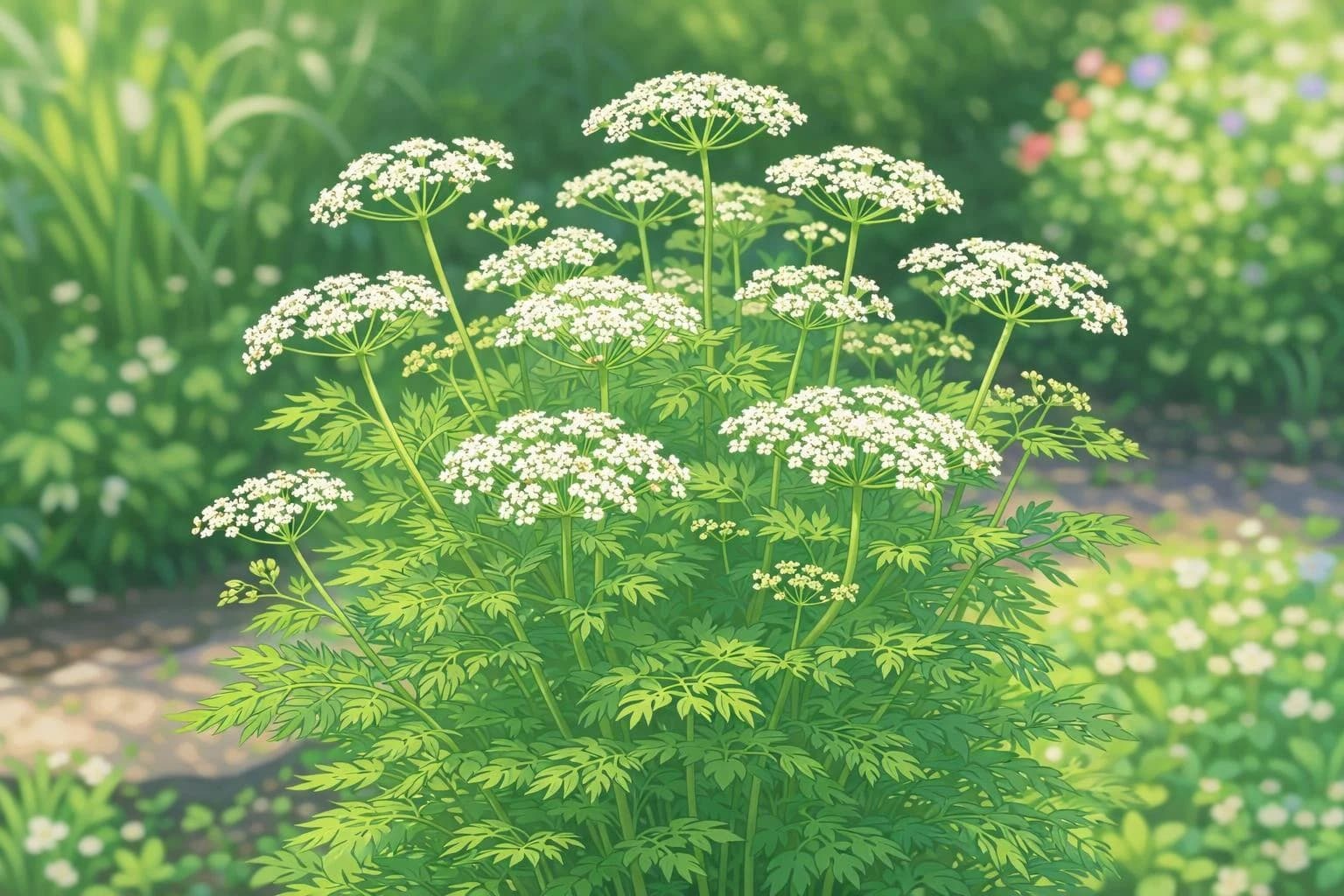
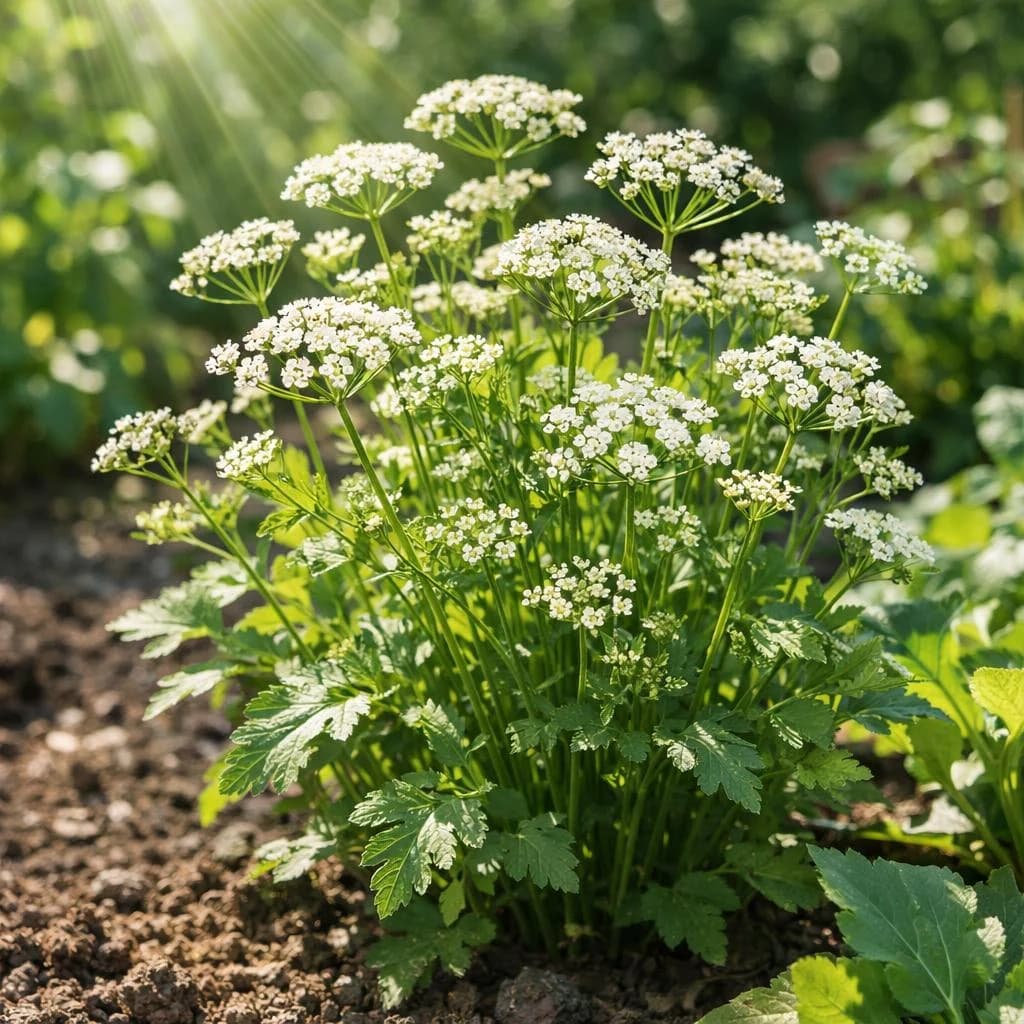
Anise is grown mostly for its sweet, licorice-flavoured seeds, used in baking and tea. It needs about 120 days of warm weather to ripen its seed, so it is a close race in a short Canadian summer: give it your sunniest, most sheltered spot. Its flat, lacy flower clusters also bring lots of helpful insects to the garden.
When To Start
First chance to plant
7 Days After Last Frost
Last chance to plant
30 Days Before First Frost
When should you plant Anise?
Your planting dates depend on your local climate. Sign up and add your location to unlock personalized dates.
Your Anise Planting Window
Start planting
May 15, 2026
Last chance
Sep 10, 2026
Your Anise Calendar
Set your location to turn these into exact dates and reminders.
Sow anise outdoors now, in your sunniest warm spot
1 week after your last frost· every year
Cut anise seed clusters once they turn grey brown
110 days after your last frost· every year· optional
Did you water your anise seedlings today? Keep the top of the soil damp until they are up and growing.
About 1 days after you plant it
Nice to check in on your anise! It has a long taproot and dislikes being moved, so leave it right where it is.
About 54 days after you plant it
Your anise is nearing seed time. Cut the heads once they turn brown and dry, then finish drying them in a paper bag.
About 94 days after you plant it
Picking time may be here: check your anise.
About 120 days after you plant it
The Journey Ahead
Anise's Lifecycle
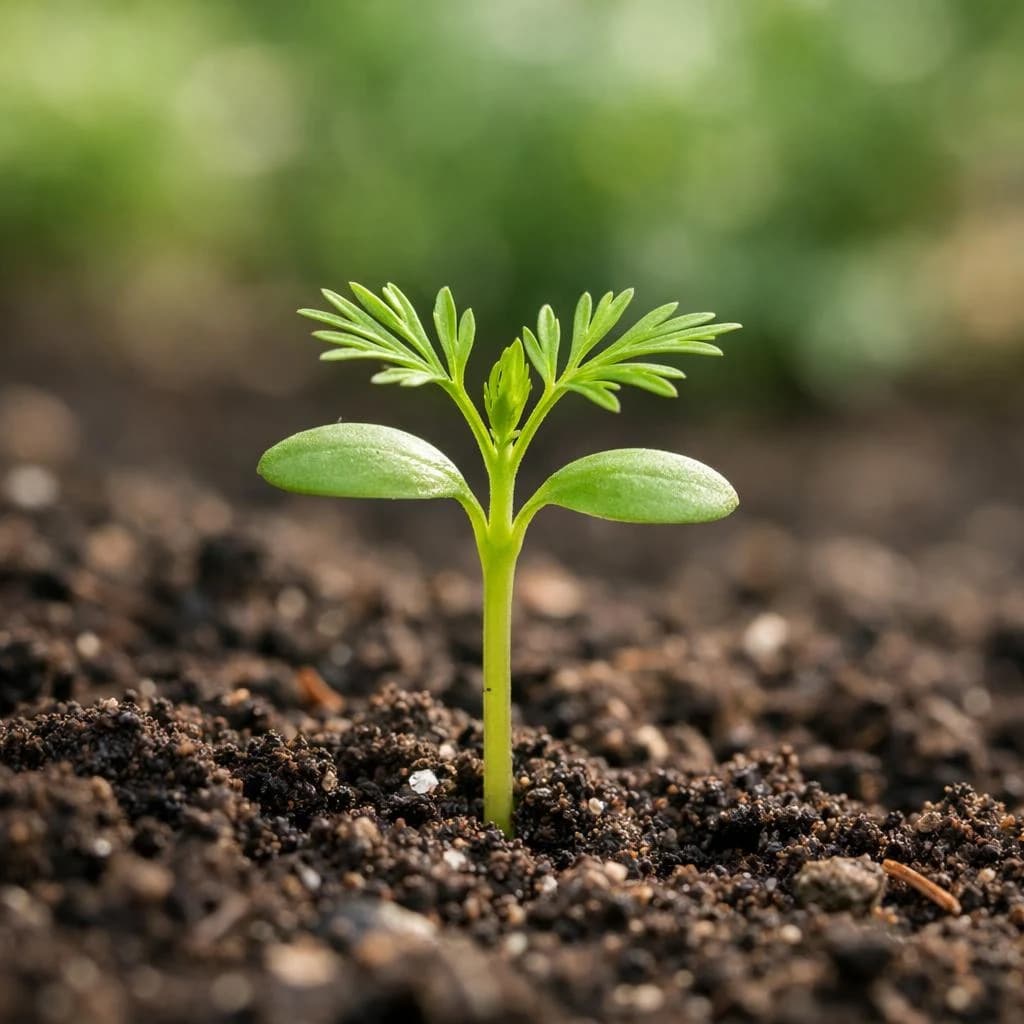
Seedling
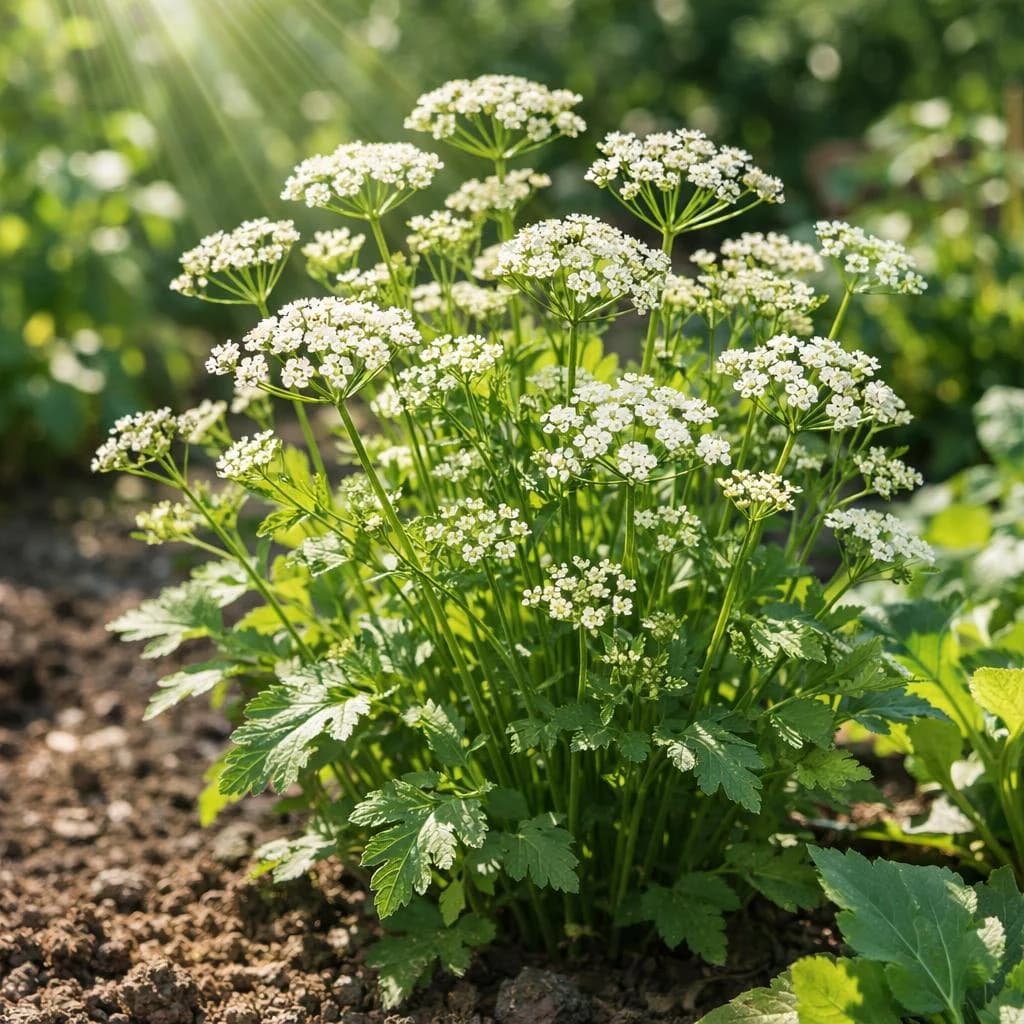
Mature Plant
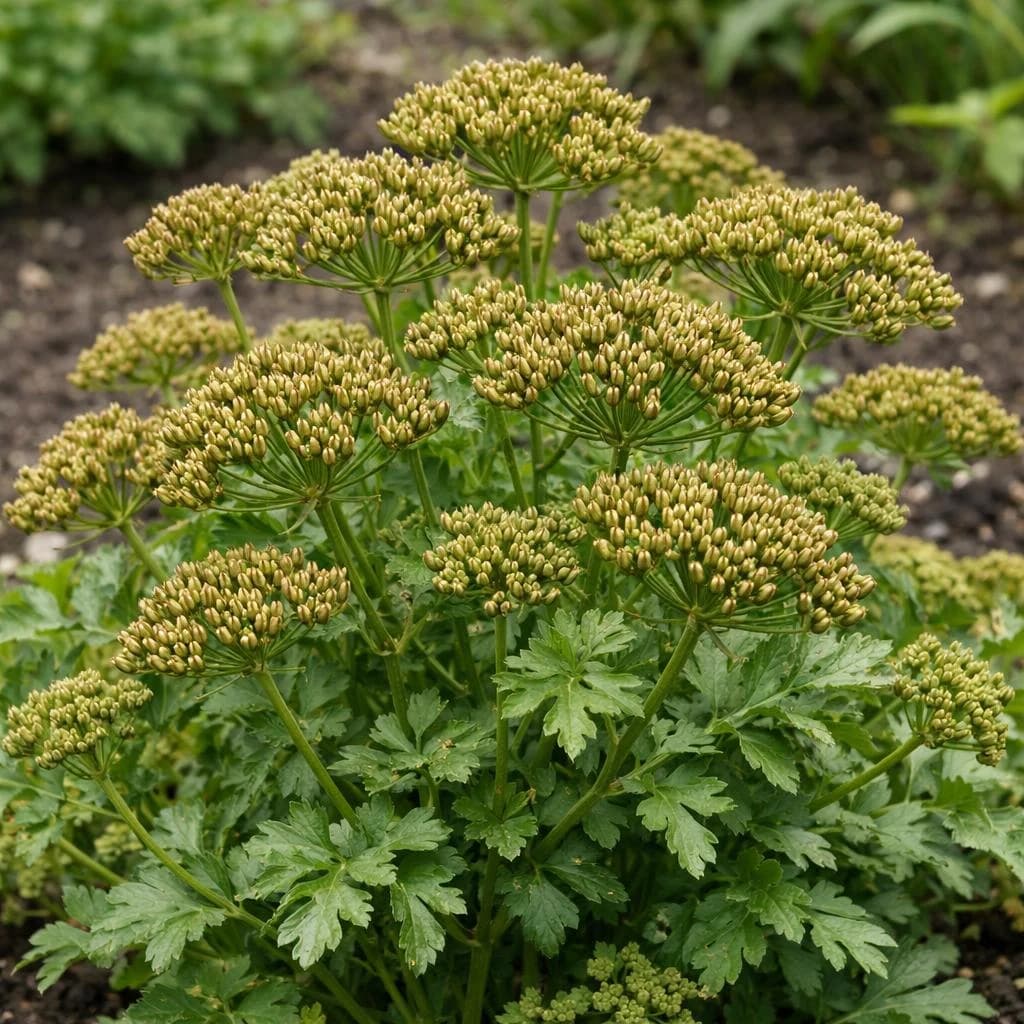
Seed Production
Step 2
Planting & Sprouting
Expect sprouts in 7–14 days
Growing Tips
- 1Give anise full sun, at least 6 to 8 hours a day, in a spot sheltered from wind.
- 2Sow it in light, well-drained soil with a little compost mixed in.
- 3Keep the soil evenly damp while the seedlings are small, then water about once a week.
- 4It needs little feeding: one dose of compost tea when the plants are about 15 cm tall is plenty.
- 5The thin stems flop easily, so grow the plants close together or tie them loosely to short stakes.
- 6Wash aphids off with a spray of water, and leave any striped green caterpillars alone, since they turn into swallowtail butterflies.
Seedling Phase
Step 3
Growth & Maturity
~120
Days to Maturity
90 cm
Mature Height
60 cm
Mature Width
Pests to Watch For
Diseases to Watch For
Mature Plant
Step 4
Harvesting
Harvest Window
30 days
When to Pick
Cut seed heads when dry
How to Harvest
- 1Anise is ready about 120 days after sowing, when the seed clusters turn grey-brown and the seeds come loose when you rub them.
- 2Cut off the whole clusters with scissors, with a short piece of stem.
- 3Hang them upside down inside a paper bag in a warm, dry, airy spot for about a week.
- 4Rub the clusters between your hands over a bowl to free the seeds, and gently blow away the bits of husk.
- 5Store the seeds in a sealed jar for baking, or crush a spoonful into hot water for a sweet tea.
Step 5
Saving Seeds
How to Save Seeds
The seeds you harvest for the kitchen are also your seed for next year, since anise grows true from seed. Choose seeds from the biggest, healthiest plants and keep them whole. Make sure they are fully dry, then store them in a labelled envelope or jar somewhere cool, dark and dry. They keep about 2 to 3 years, so sow fresh seed when you can.
Seed Production
Still have a question?
Ask your coach about your anise.
This page covers what we thought to write down. Your anise will do something it never mentions, and that is the day a coach beats a guide. Ask Coach Lumen one question right now, free, no account.