Off The Vine · The Limitless Growth Blog
Free, beginner-friendly growing articles — written for first-time growers.
Like what you're reading?
Get growing tools tuned to where you live — plant guides, planting dates, Coach Lumen, and a free 5-step starter course.
Free preview
They came up perfect, then folded at the soil line like something bit them. What actually attacks baby seedlings, why too much care invites it, and the two easy habits that stop it for good.


Free preview
Radishes explode overnight while carrots sulk for weeks, and it isn't your fault. Seed coats, built-in timers, and the overnight soak that talks a slow seed into hurrying up.

Free preview
Seeds are always checking three things before they commit. What water, warmth and depth each tell the seed, why nothing sprouts in a cold room, and how to give the all-clear signal on purpose.

Free preview
A seed is a plant in suspended animation, packed lunch included. Why seeds keep for years in a drawer, the simple kitchen test that shows if old packets are still alive, and how to store seeds so they last even longer.

Free preview
Bury a seed sideways, upside down, any way you like, and the root still finds down and the shoot still finds up. The built-in sense of gravity every seed carries, and why planting depth is more forgiving than you think.

Free preview
Exactly what is on your plate by day 30, crop by crop, and how one afternoon of sowing gets you there.

Free preview
Almost every fast crop loves cool weather and shrugs off frost. The spring and fall windows, and why heat is the #1 reason fast crops fail.

Free preview
Welcome to the fast way to grow food. What "fast" really means, the crops that give you a harvest inside 30 days, and what this course will teach you.

Free preview
A tray, some soil, a sunny window and 10 days. The simplest way to grow food indoors, any season, any space.

Free preview
A 20 cm pot on a balcony grows radish, greens and pea shoots just fine. Which fast crops fit which pot.

Free preview
Rinse, drain, repeat. Crunchy, fresh sprouts on your counter in 3 to 5 days, with no soil and no light.

That basil from the grocery store always wilts within a week — and it's not your fault. Here's what's really in that pot, how to rescue it, and the easy way to grow basil that lasts for months.

You don't need a garden — or even a balcony — to grow fresh herbs. A bright windowsill grows basil, chives, mint, and parsley all year. Here's the simple setup that works.

Free preview
A start-to-finish walkthrough of planting one herb seed right now — pot, soil, seed, water, done.

Free preview
Match your growing space to the herbs that will love it — sun-hungry, shade-tolerant, indoors and out.

Free preview
Herbs are the fastest, most forgiving way to grow food you'll actually use — here's why they beat everything else for a first win.

Free preview
Some herbs live one season, some come back for years — knowing which is which changes how you plant, place, and care for them.

Free preview
Containers make a garden that moves with you — what to grow when you might move, and how to keep perennials through a change of address.

Free preview
How to size up the space you actually have — sun hours, weight limits, wind, and water access — before you buy a single pot.

Free preview
Restricted roots, faster drying, nutrients that wash out — the few rules that make container growing different, explained simply.

Free preview
Why a container frees you from bad ground, no yard, or renting — any balcony, rooftop, windowsill, or patch of concrete is enough.
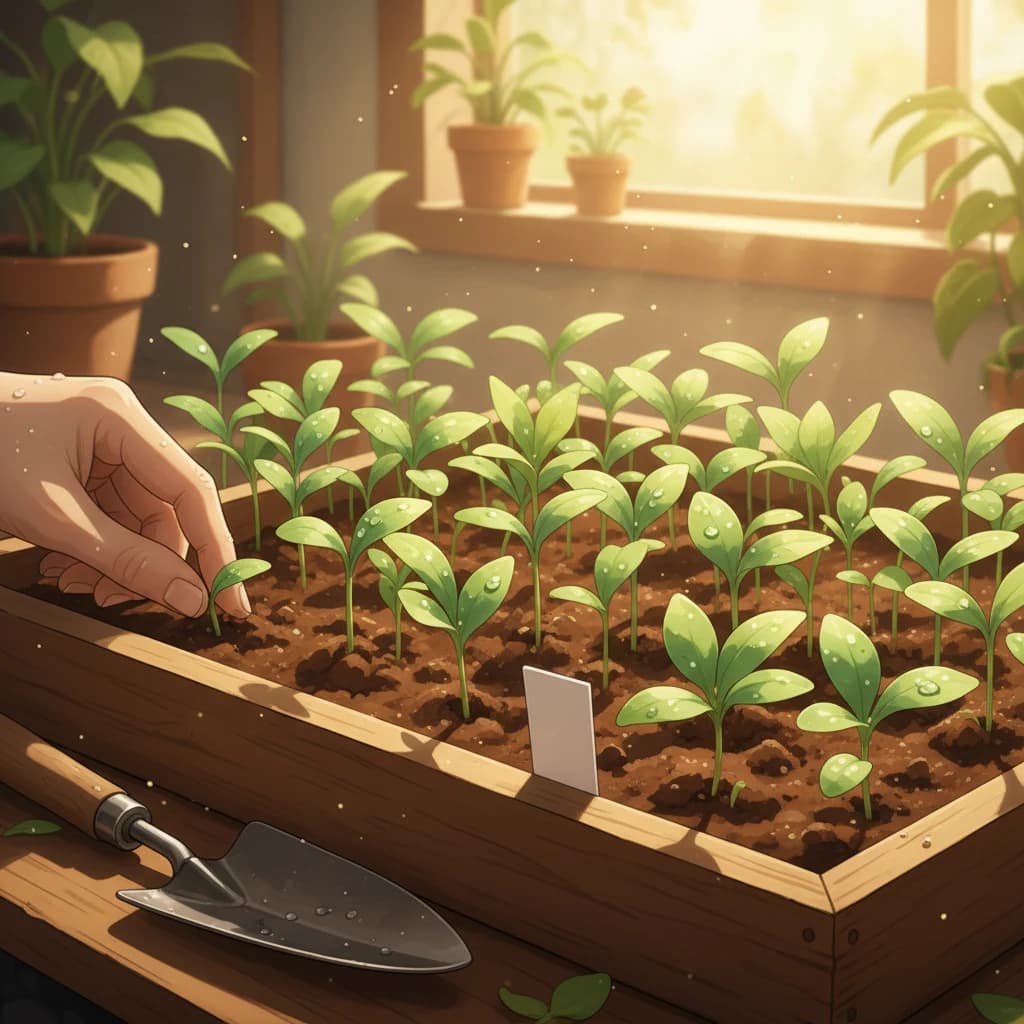
New growers almost always get seedling watering wrong. Learn the simple finger-test routine, what healthy soil moisture feels like, and the signs to watch for.
Free preview
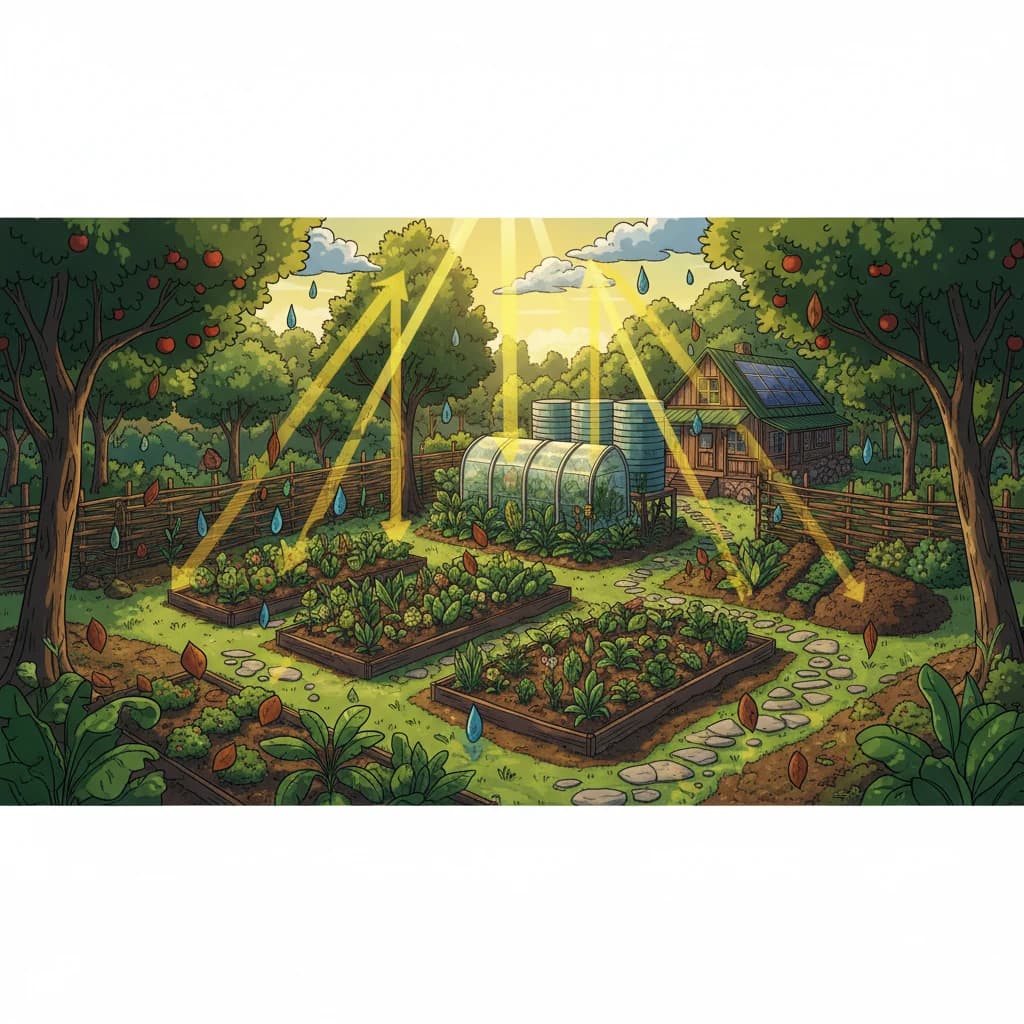
Every resource that enters your site — sunlight, rain, wind, leaves, food scraps — should get used as many times as possible before leaving. The principle that turns gardens into accumulating wealth.
Free preview
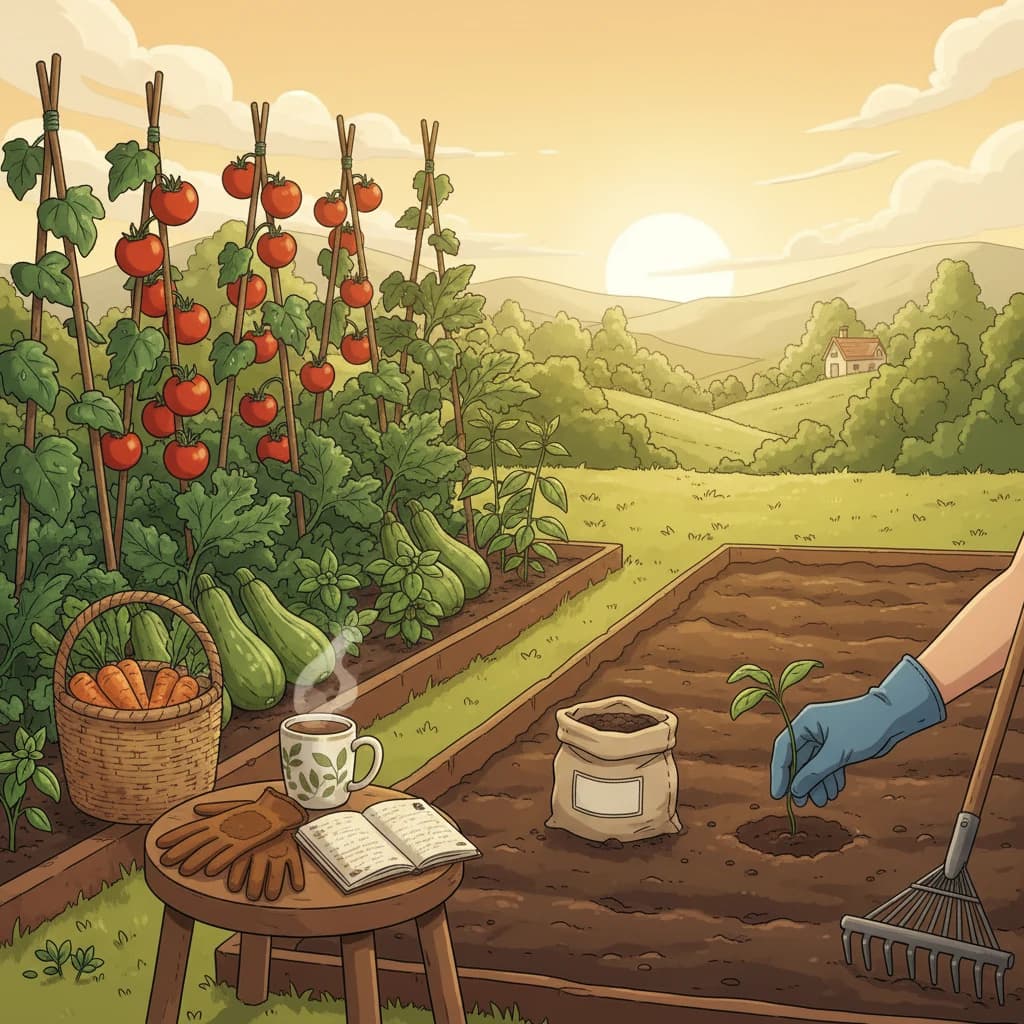
Small systems are cheap to test, easy to fix, and forgiving of mistakes. Big systems require capital, expertise, and tolerance for catastrophic failure. The principle that keeps you in the game.
Free preview
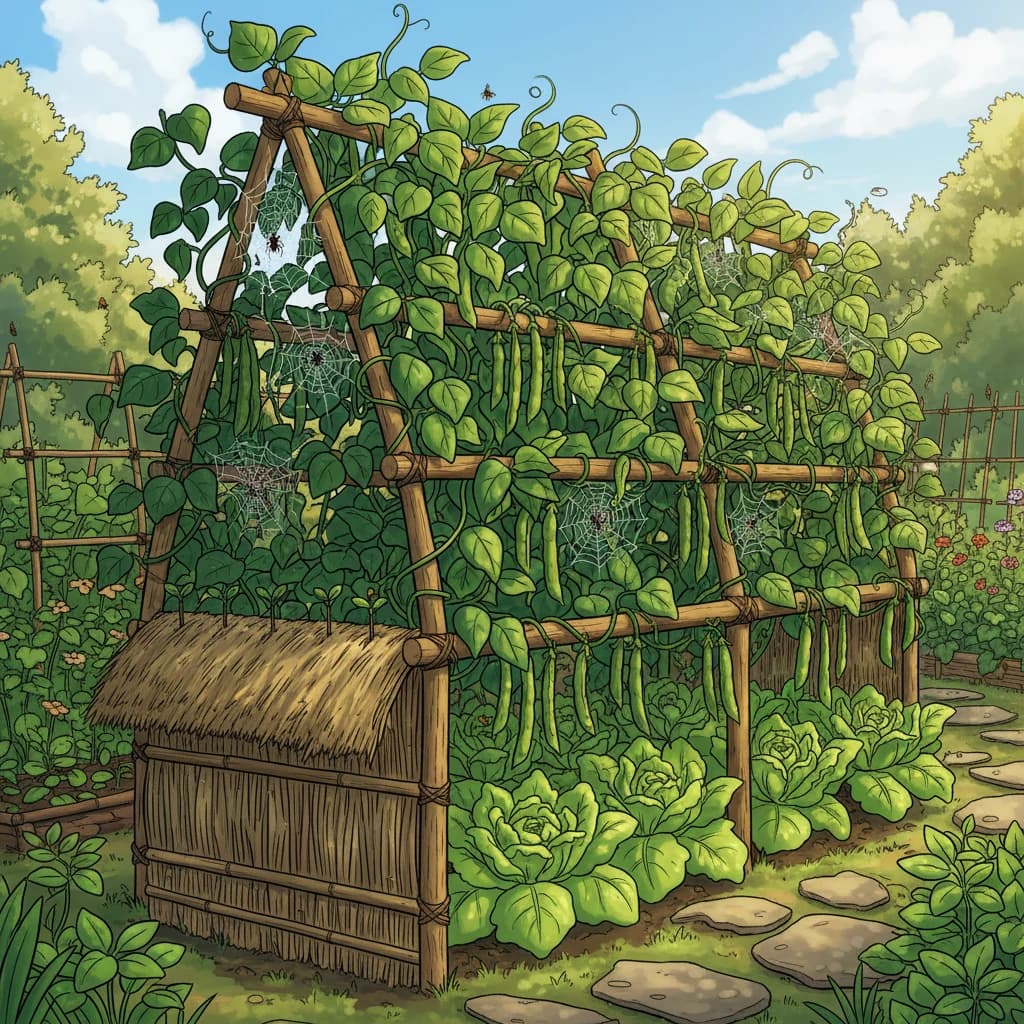
Every element in a permaculture design does multiple jobs. The borders between zones (sun/shade, water/land, garden/lawn) are the most productive places on the site. Two principles that compound everything else.
Free preview
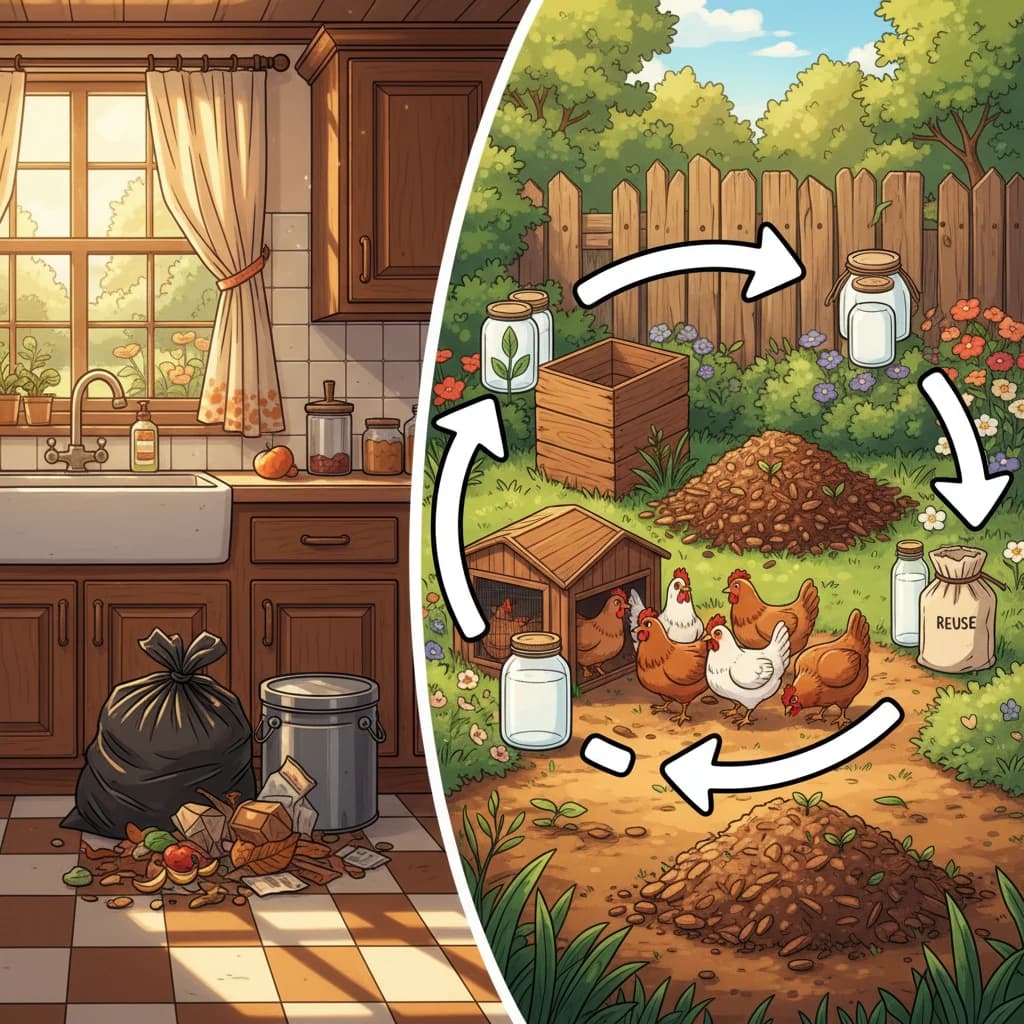
In a permaculture system, "waste" is just a resource in the wrong place. Every output of one element should become the input of another. The principle that closes the loops.
Free preview
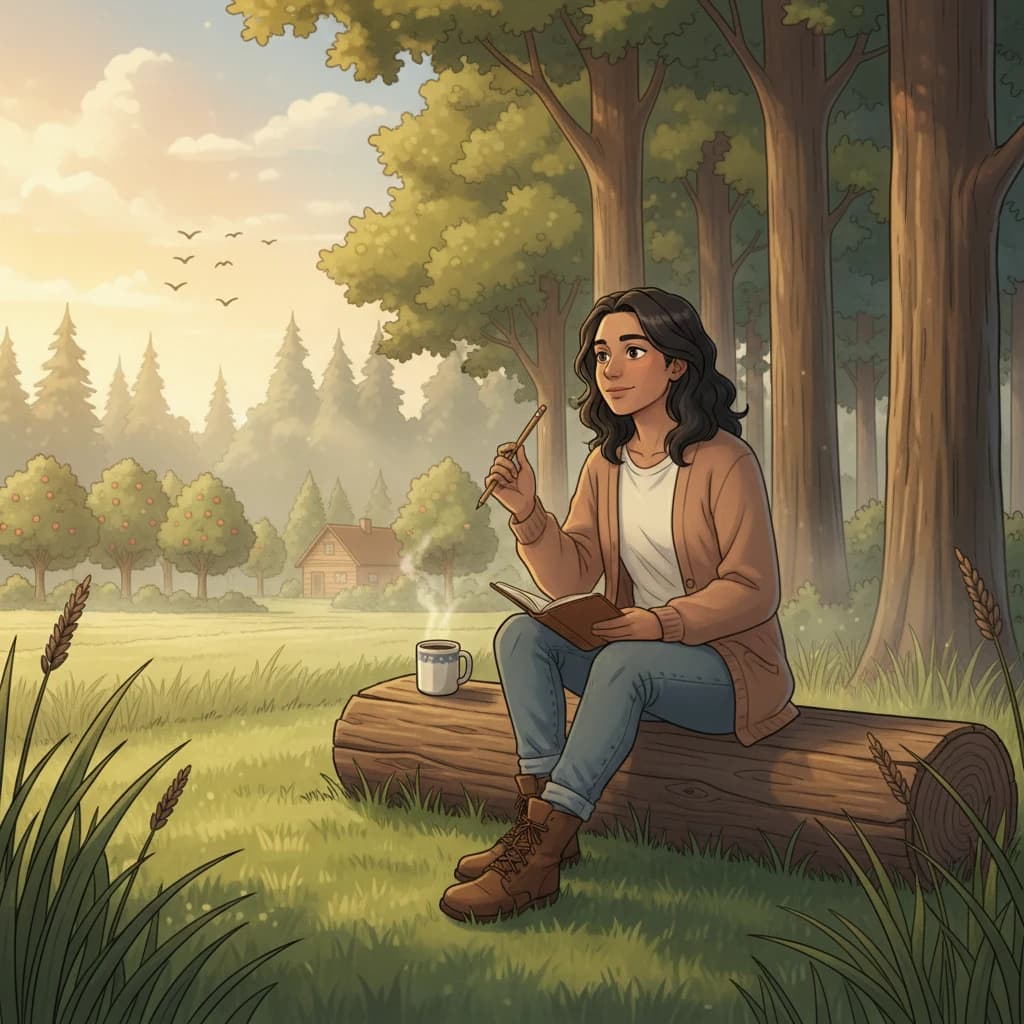
The first design principle — and the most-skipped one. Spend a year watching your site before you change it. The mistakes you avoid by observing first are worth more than the year you "lost."
Free preview
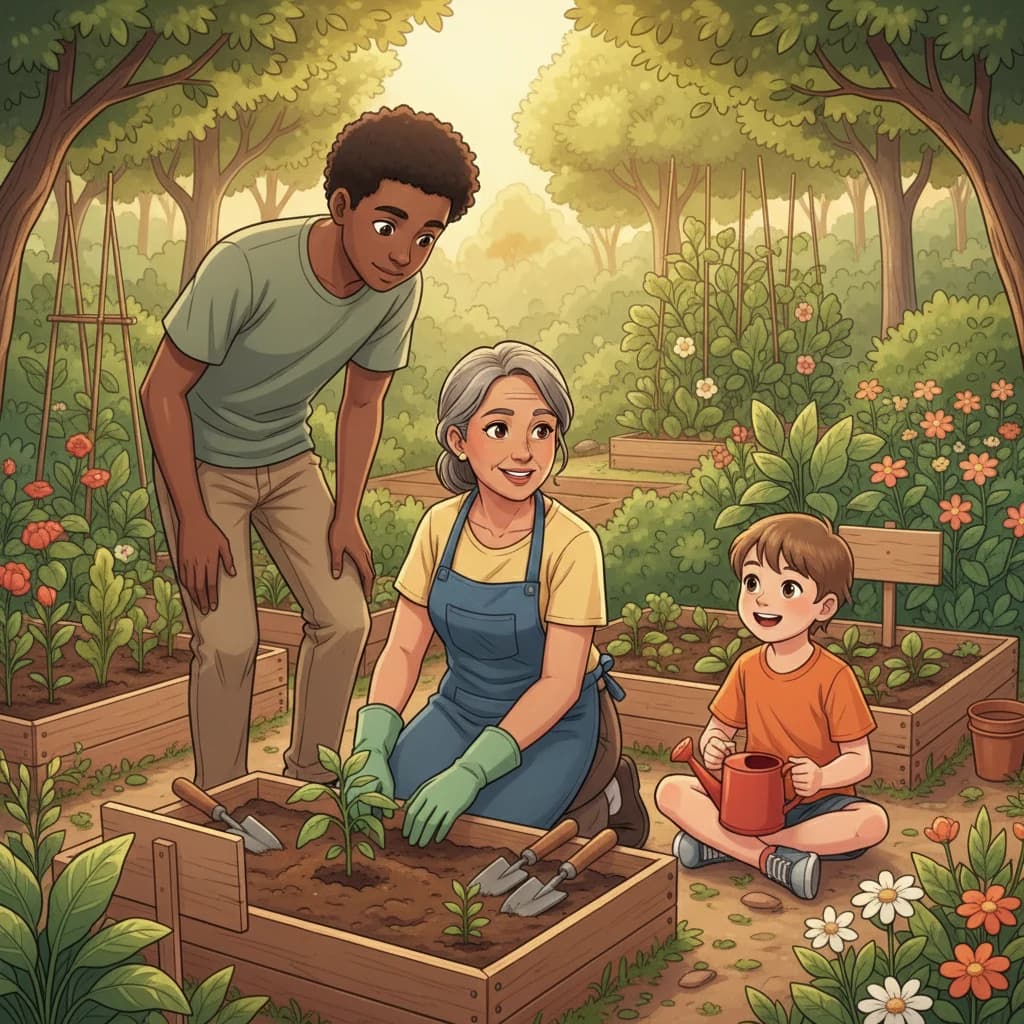
Earth care, people care, fair share — the moral foundation of permaculture. Every design decision flows from these three rules.
Free preview
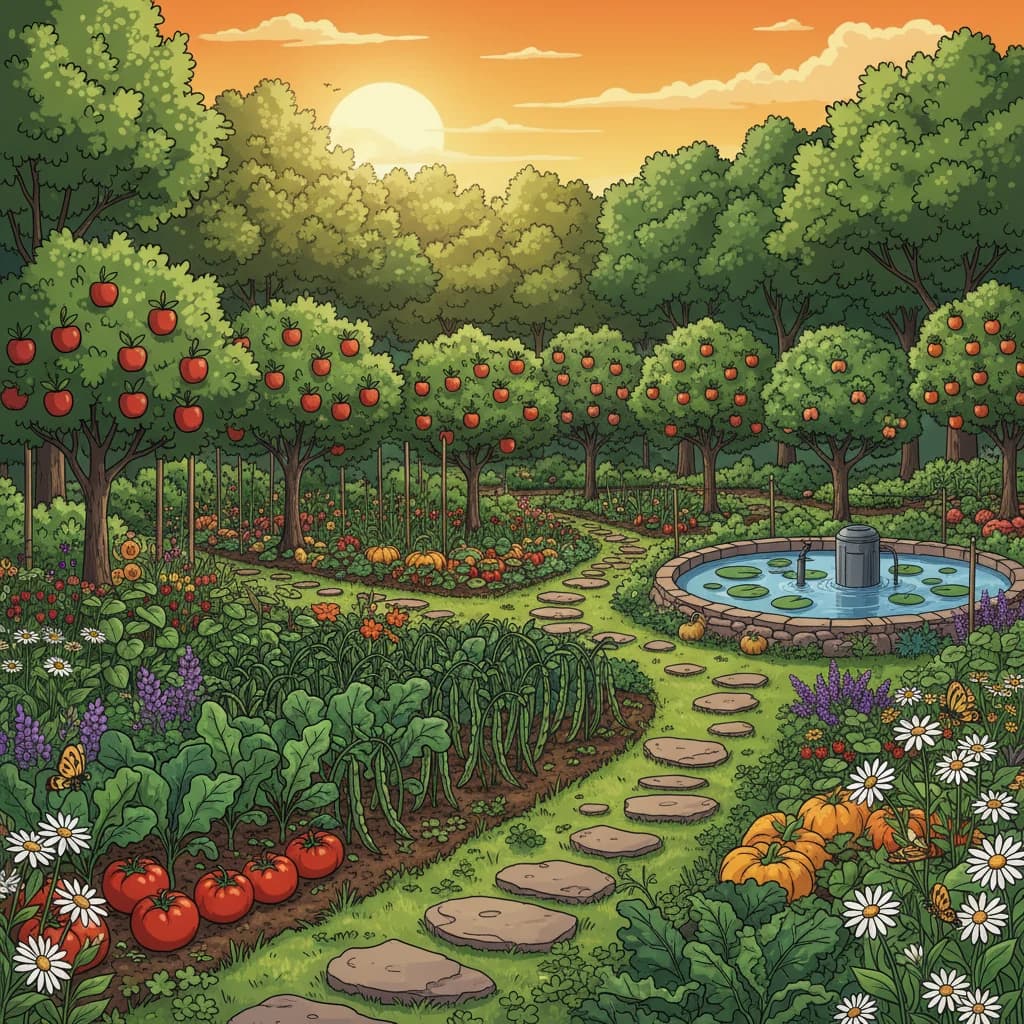
Permaculture is a design system for human settlements that mimics how natural ecosystems work. This lesson is the orientation — what permaculture actually is, where it came from, and why it's spreading.
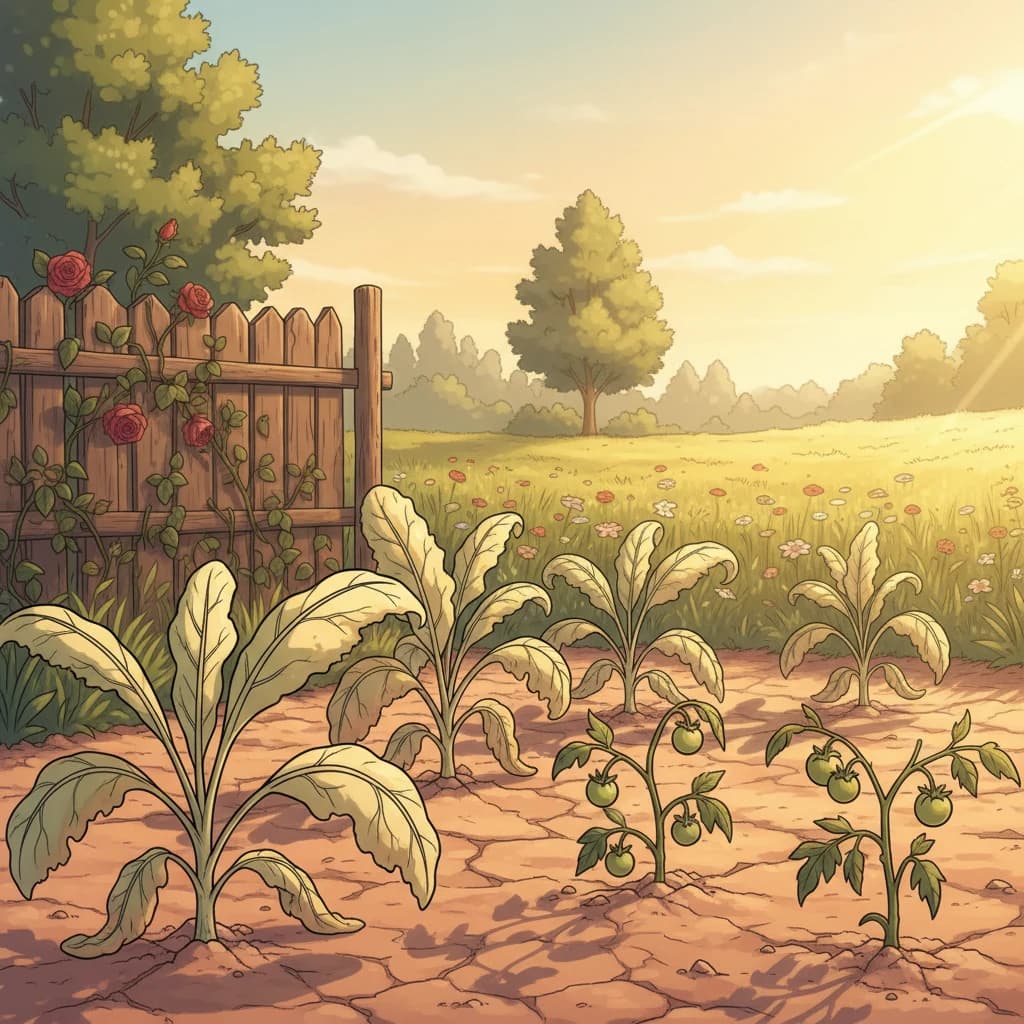
If your plants look weak or won't fruit, the soil is almost always why. Here's how a top layer of compost — no digging — fixes most of it.
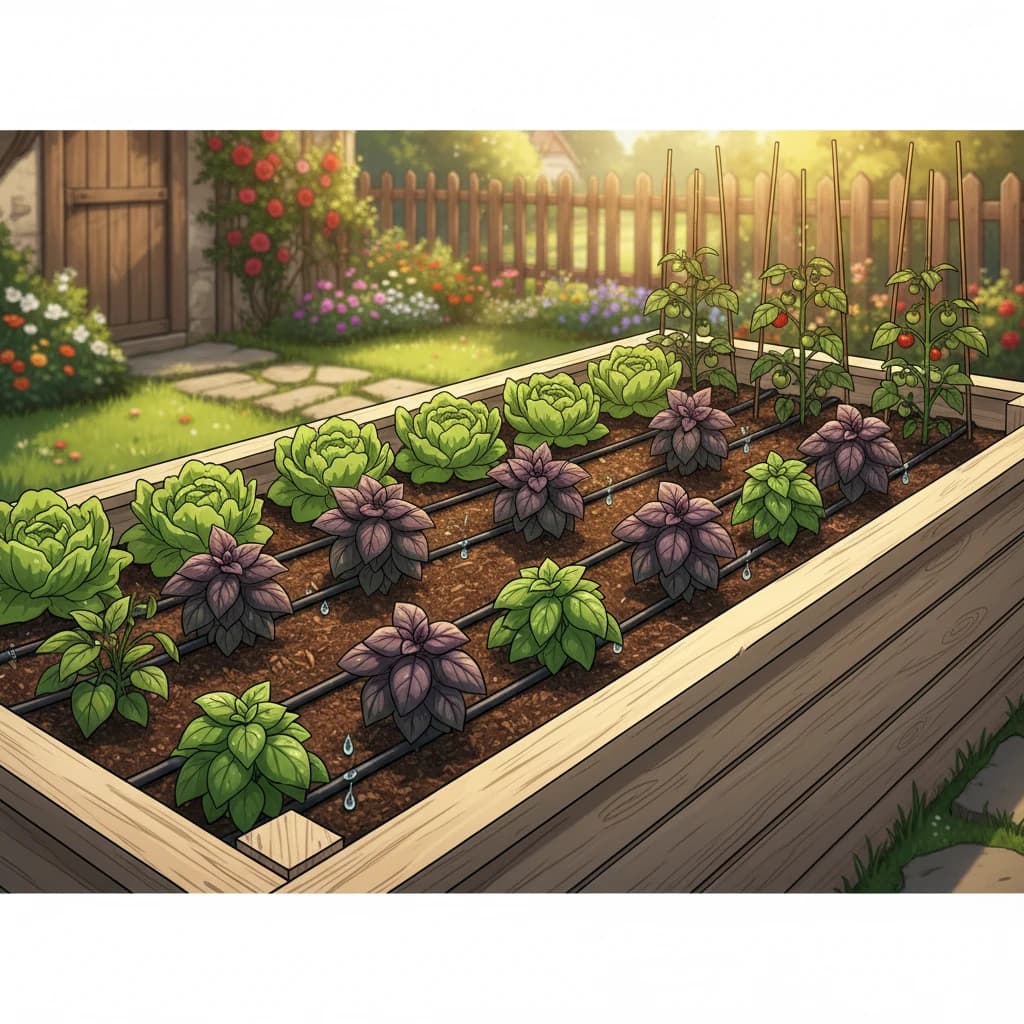
Drip irrigation is the easiest way to keep beds watered without thinking about it. Here's the whole setup — hoses, emitters, valves, and a timer that does the work for you.
From the free course
You've just finished the foundation. Here's what you know now, what you can already do with it, and where the Academy takes you next.
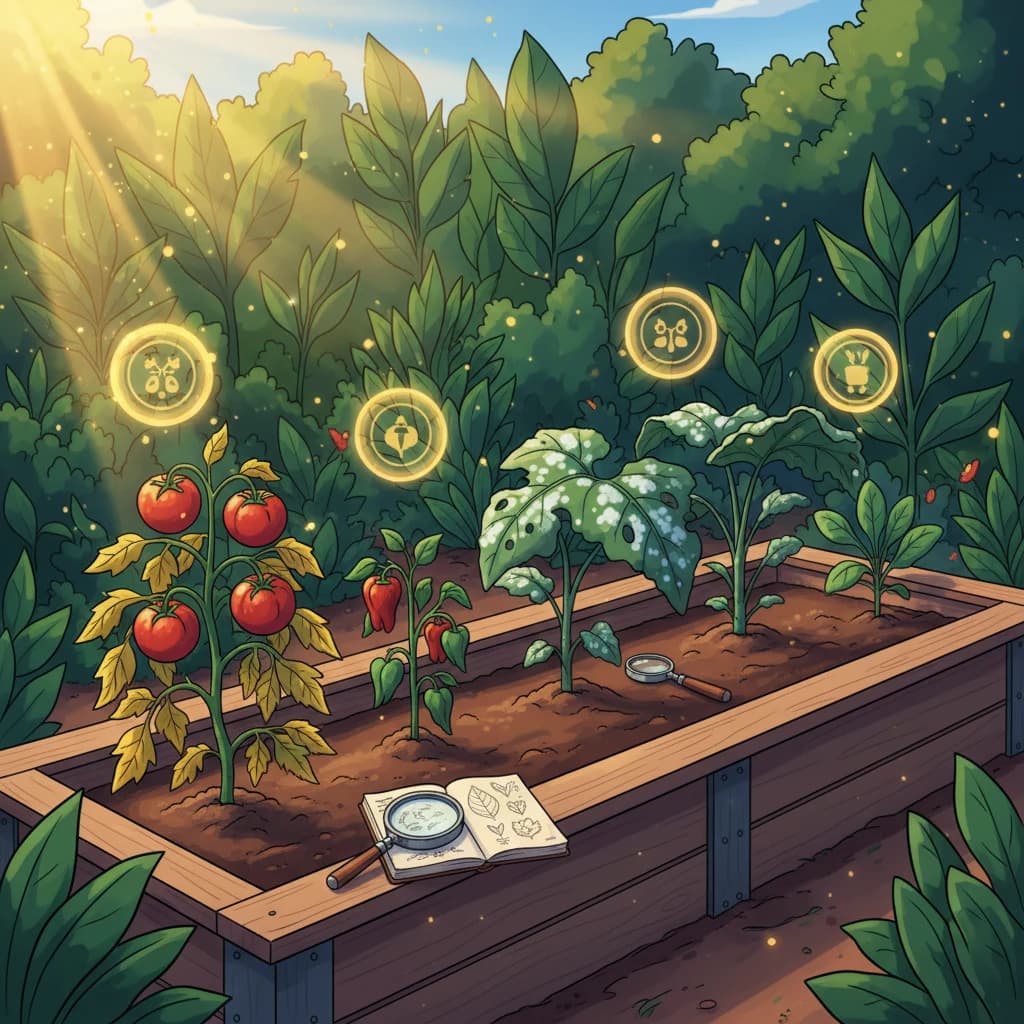
From the free course
Decode the most common warning signs your plants send — yellow leaves, wilting, holes, spots, and stunted growth — and what to do about each.
From the free course
Learn the counterintuitive skill that separates healthy gardens from jungles — when, where, and how to cut your plants so they thrive.
From the free course
Growing food becomes more than a hobby when you connect it to health, sustainability, community, and personal purpose.
From the free course
Discover how growing food can strengthen your community — sharing harvests, teaching others, and building connections through food.
From the free course
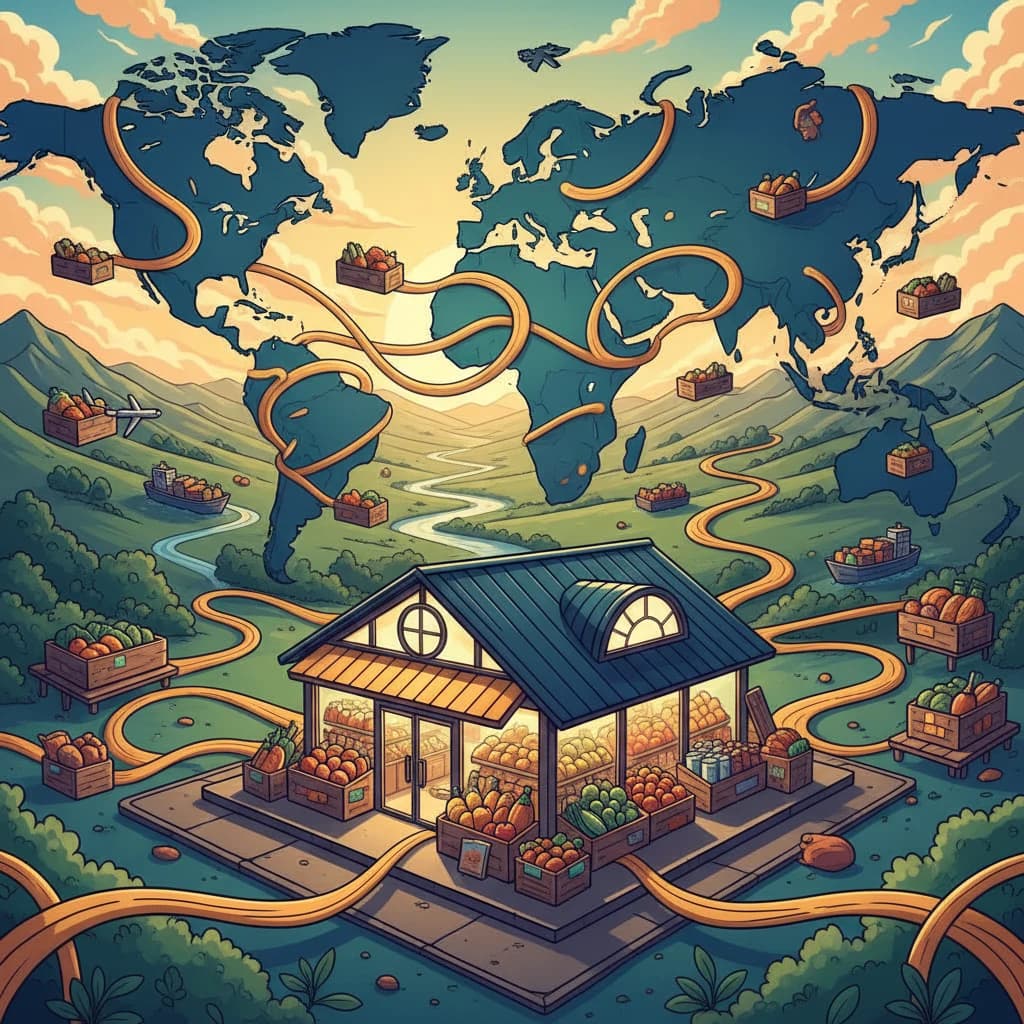
Dive deeper into the food miles problem and discover how local growing — even at a small scale — reshapes the food system.
From the free course
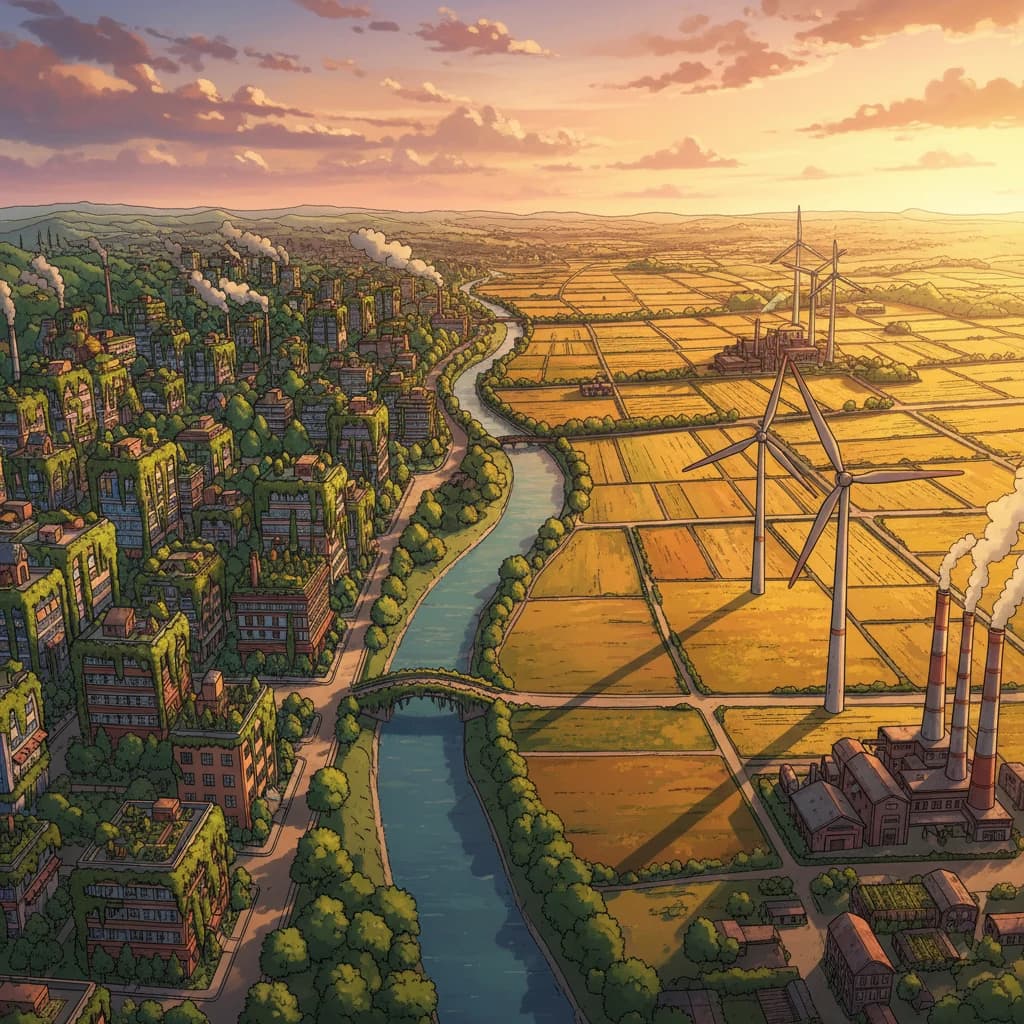
Understand the real environmental impact of home growing — food miles, water usage, chemical reduction, and carbon footprint.
From the free course
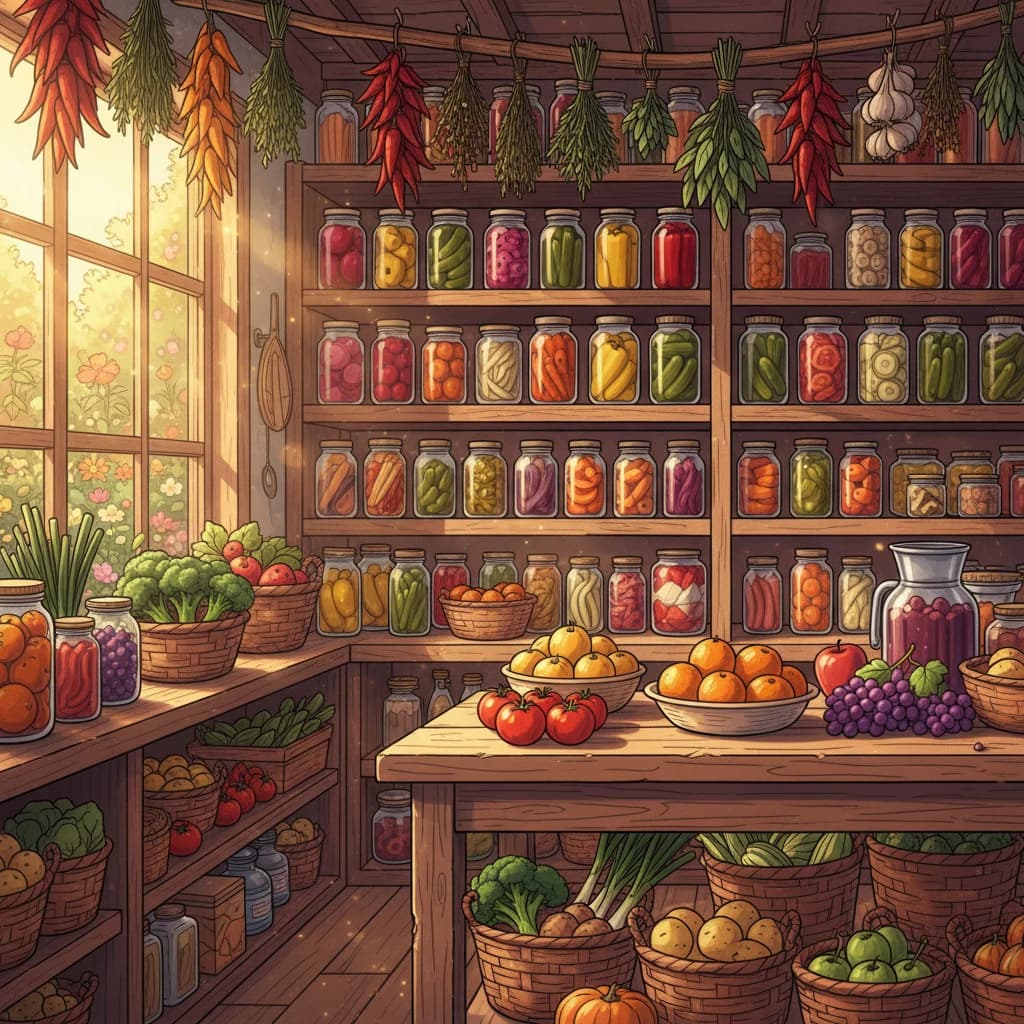
Learn how to store fresh produce for maximum shelf life and preserve your harvest through drying, freezing, and other simple techniques.
From the free course
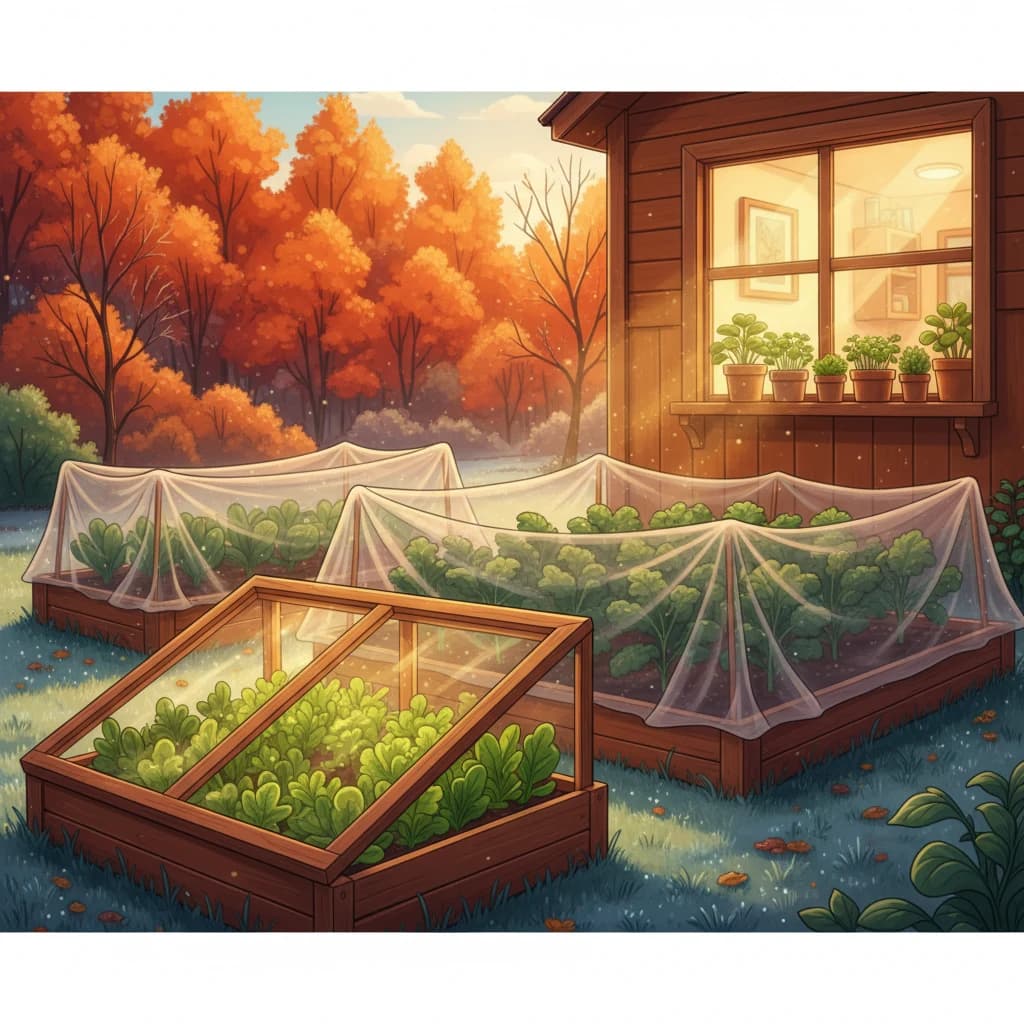
Push the boundaries of your growing calendar — cold frames, row covers, succession techniques, and indoor growing to grow food year-round.
From the free course
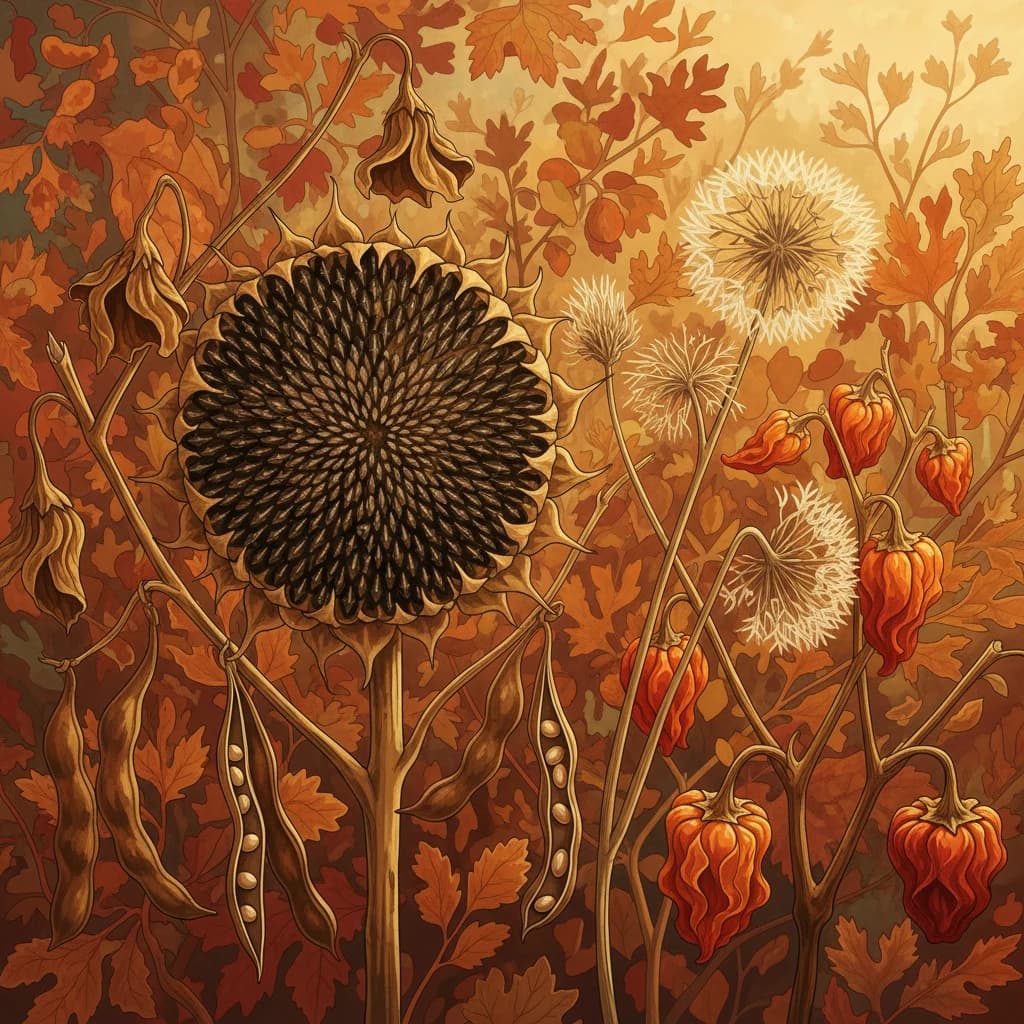
Learn how to collect and save seeds from your best plants — the ultimate sustainable growing skill that makes you self-sufficient.
From the free course
Detailed harvesting guides for every major crop type — leafy greens, fruiting vegetables, root crops, herbs, and flowers.
From the free course
Learn to read the signs that your plants are ready for harvest and the proper techniques that keep both you and your plants producing.
From the free course
The daily and weekly care routine that keeps your garden thriving — from watering and feeding to pruning and monitoring.
From the free course
Learn how to identify common garden pests and diseases and manage them naturally — without synthetic chemicals.
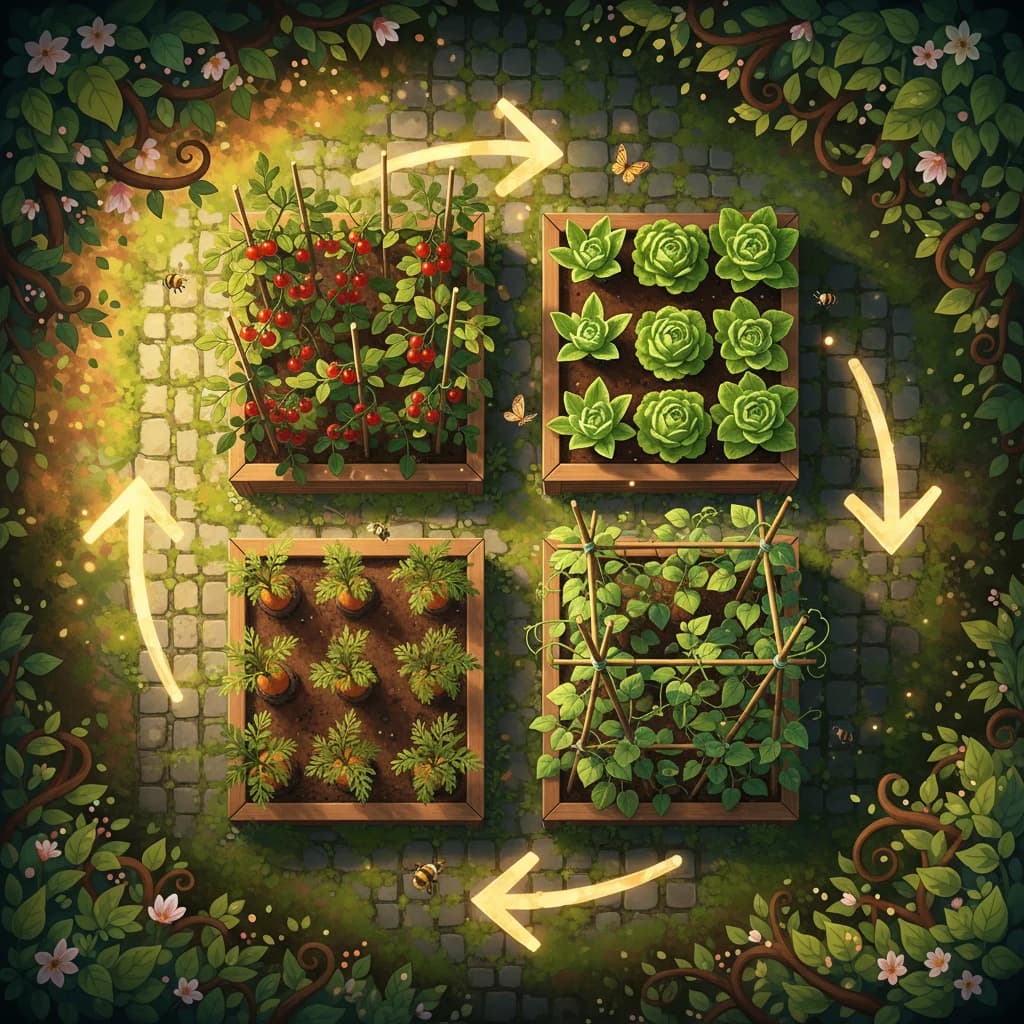
From the free course
Learn why planting the same crop in the same spot year after year is a problem — and how to rotate crops to keep your soil healthy and pests confused.
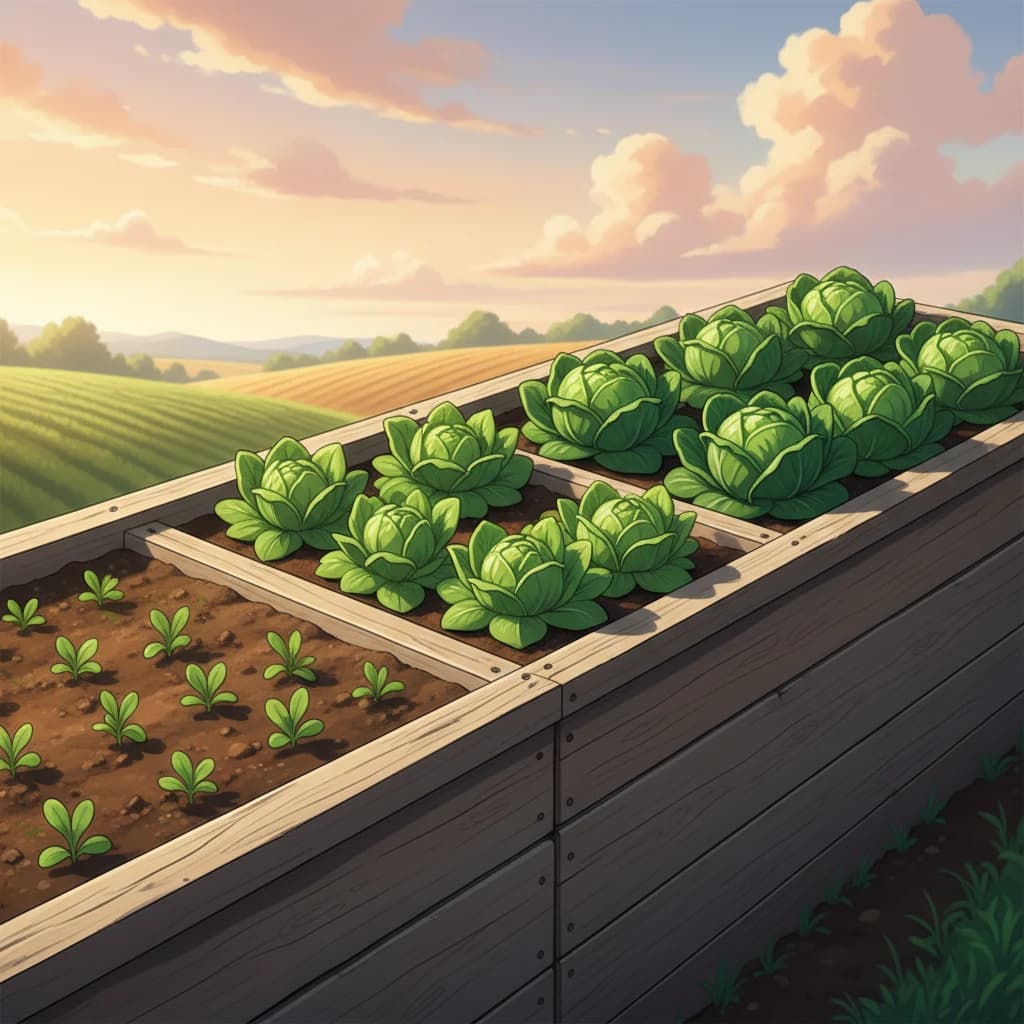
From the free course
Learn how to stagger your plantings for a continuous supply of fresh food from spring through fall — no more feast or famine.
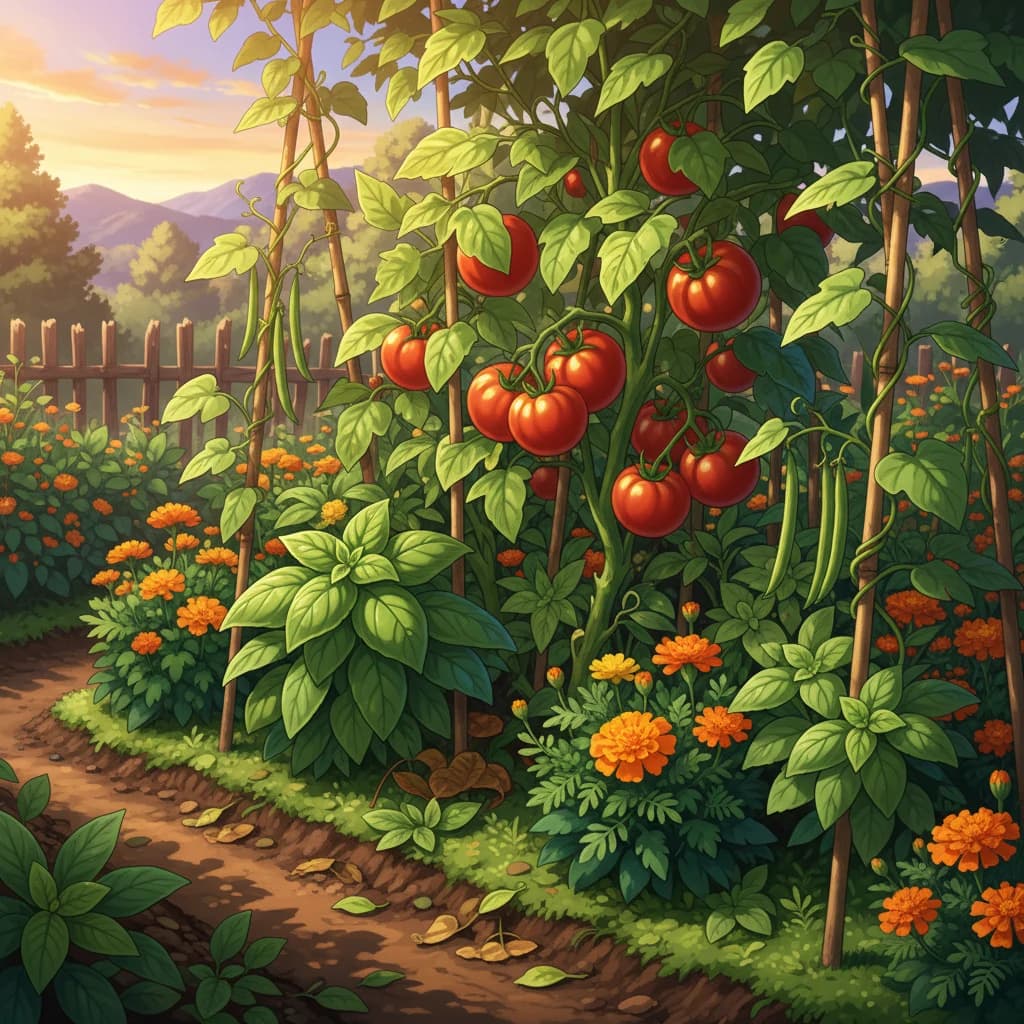
From the free course
Learn which plants help each other grow and which ones should never be neighbors — the science and practice of companion planting.
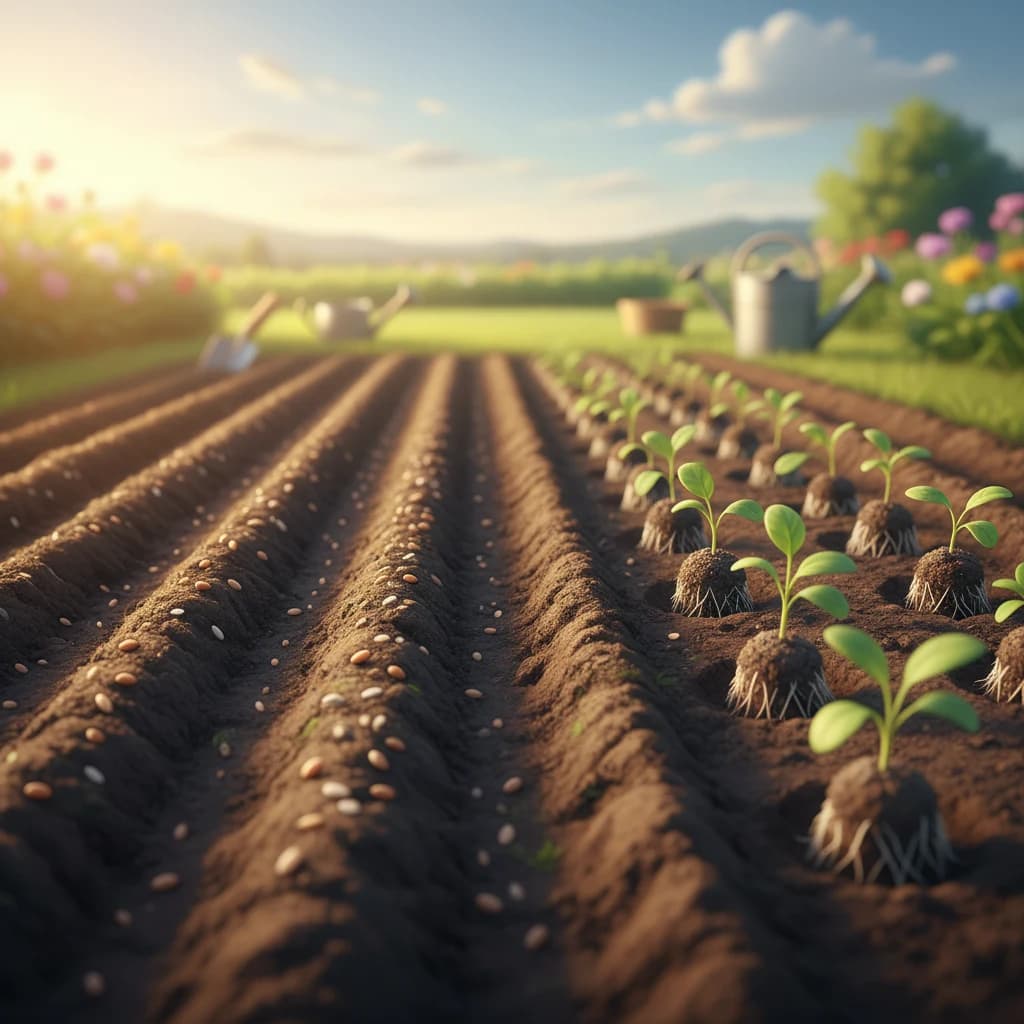
From the free course
Master the techniques of planting seeds directly in the ground and transplanting seedlings into your garden for the best results.
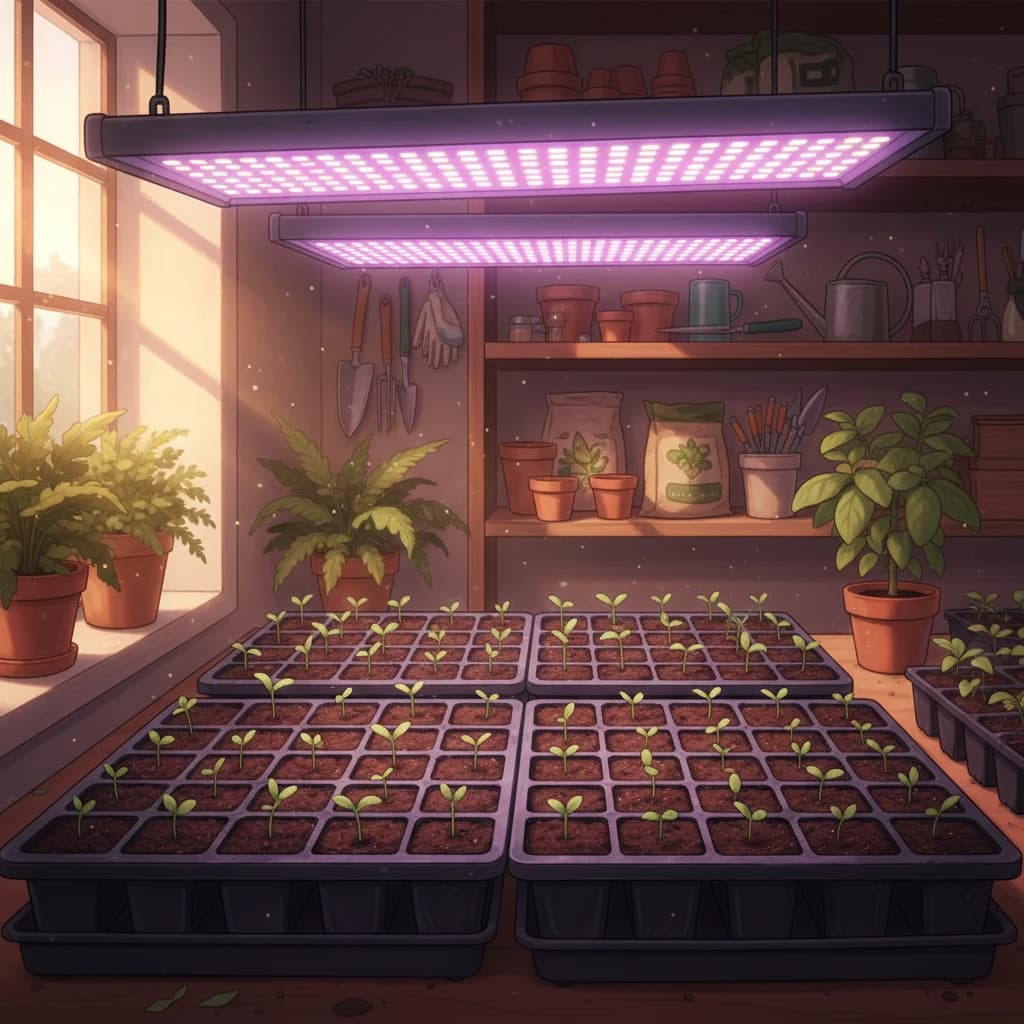
From the free course
Learn how to start seeds indoors — from choosing containers and soil to providing light, warmth, and the right moisture for strong seedlings.
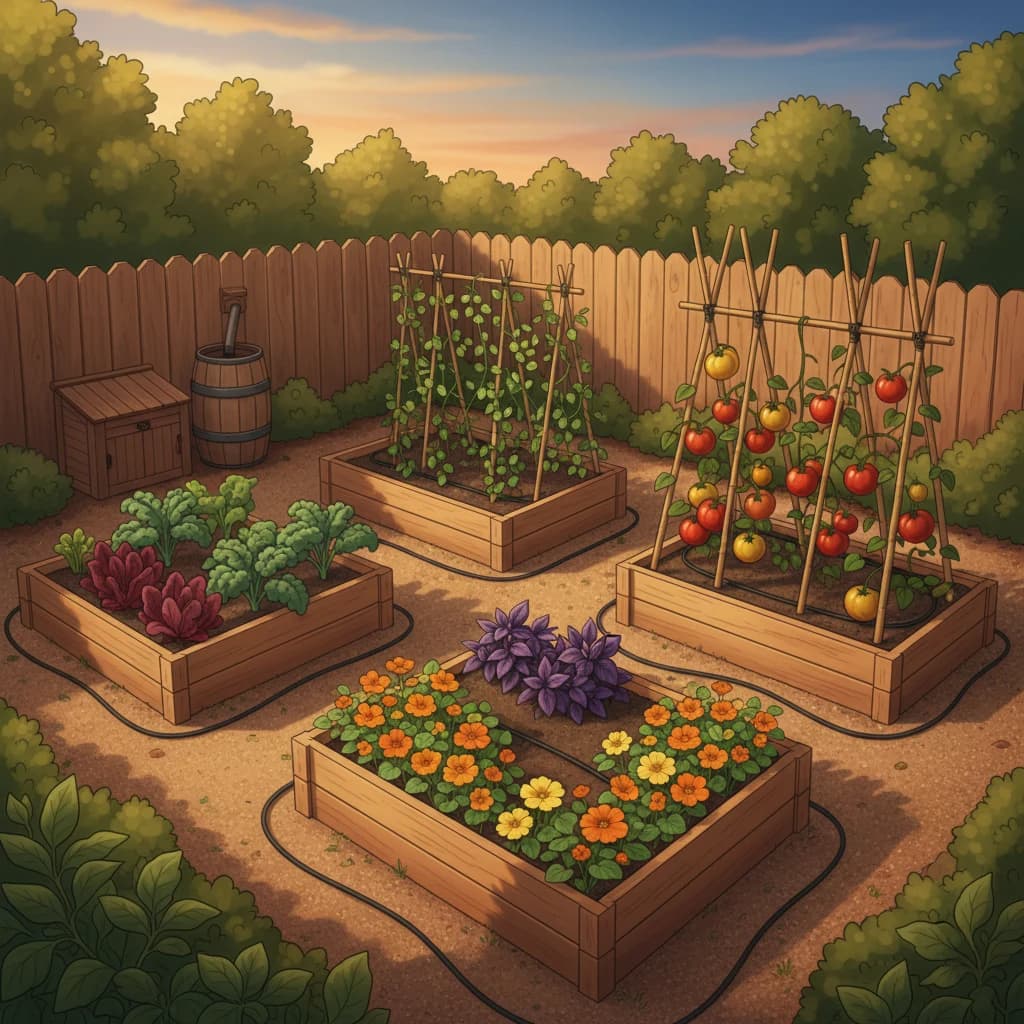
From the free course
Bring everything together into a complete garden design — positioning beds, paths, water, compost, and vertical structures.
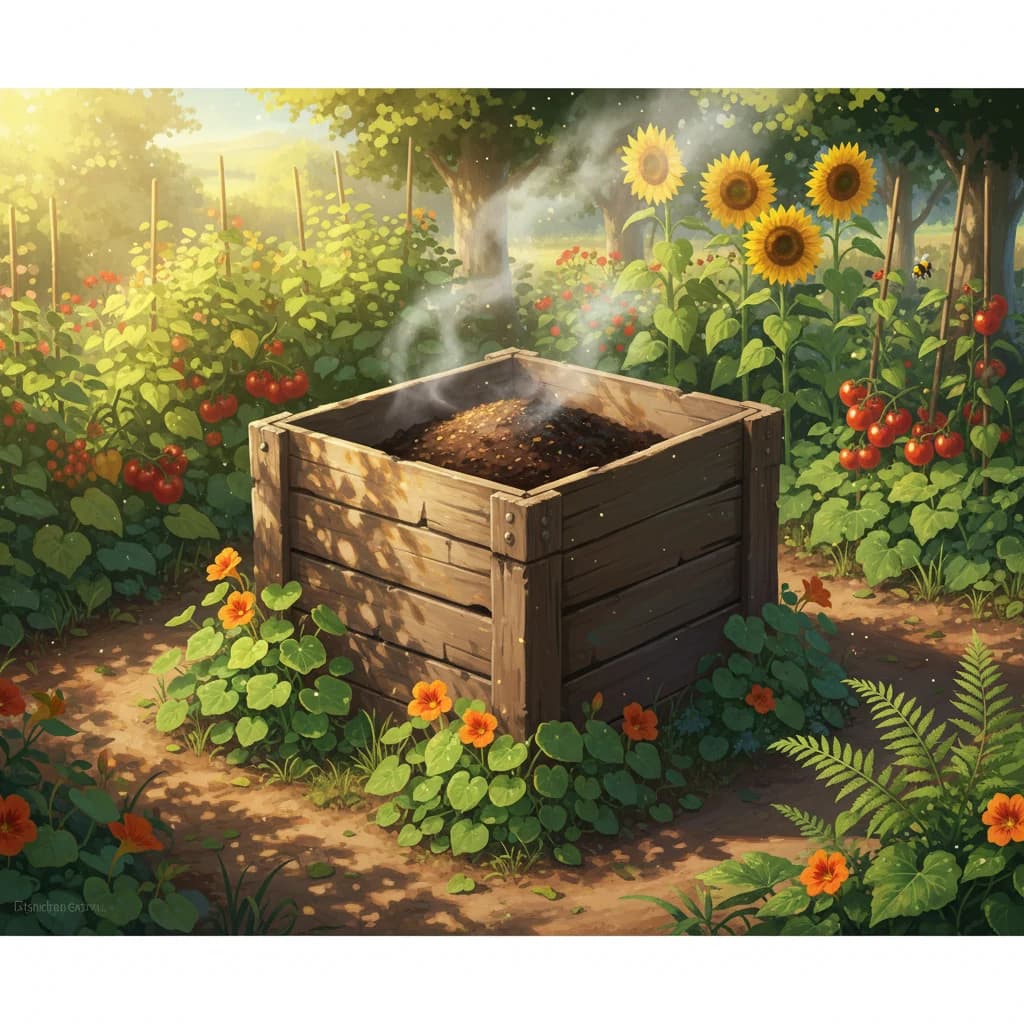
From the free course
A practical deep dive into composting — bin types, troubleshooting, and turning your kitchen waste into the best amendment money can't buy.
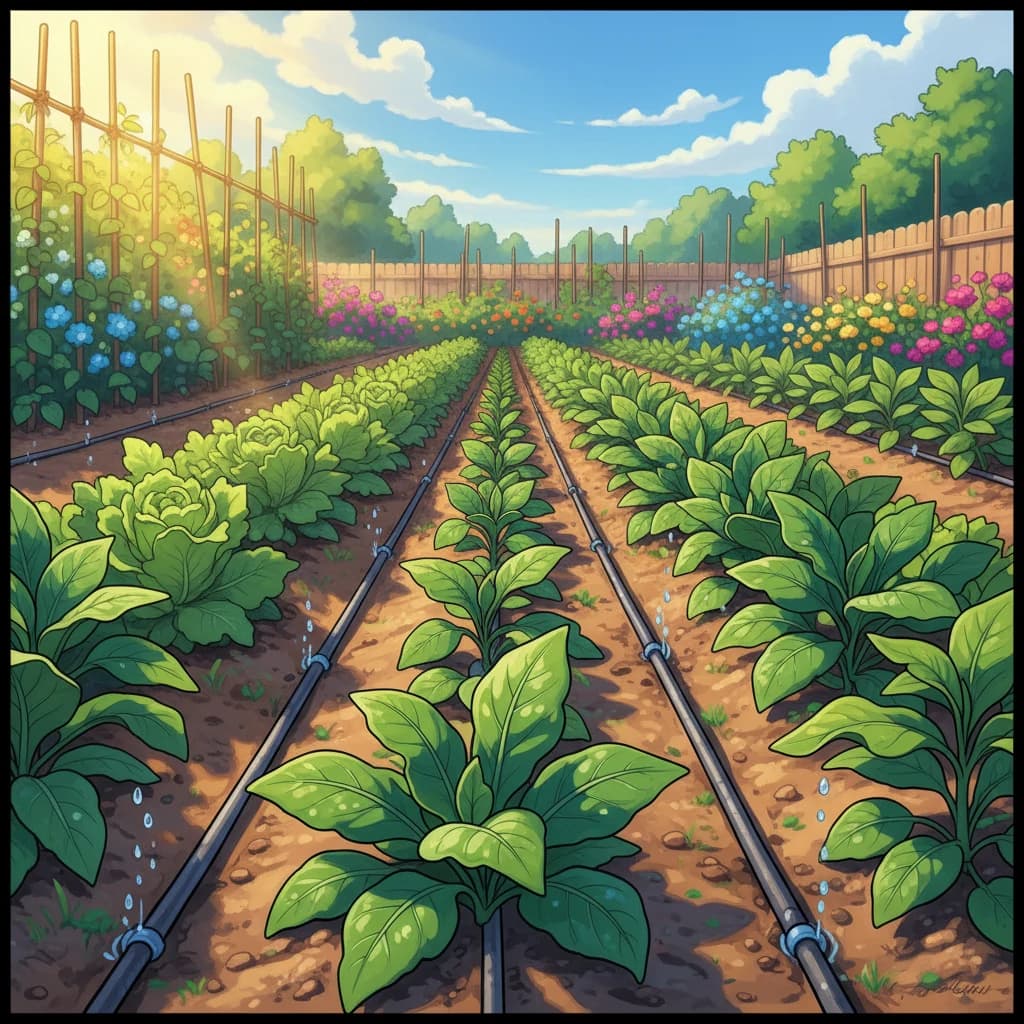
From the free course
Set up the right watering system for your garden — from simple hand watering to automated drip irrigation.
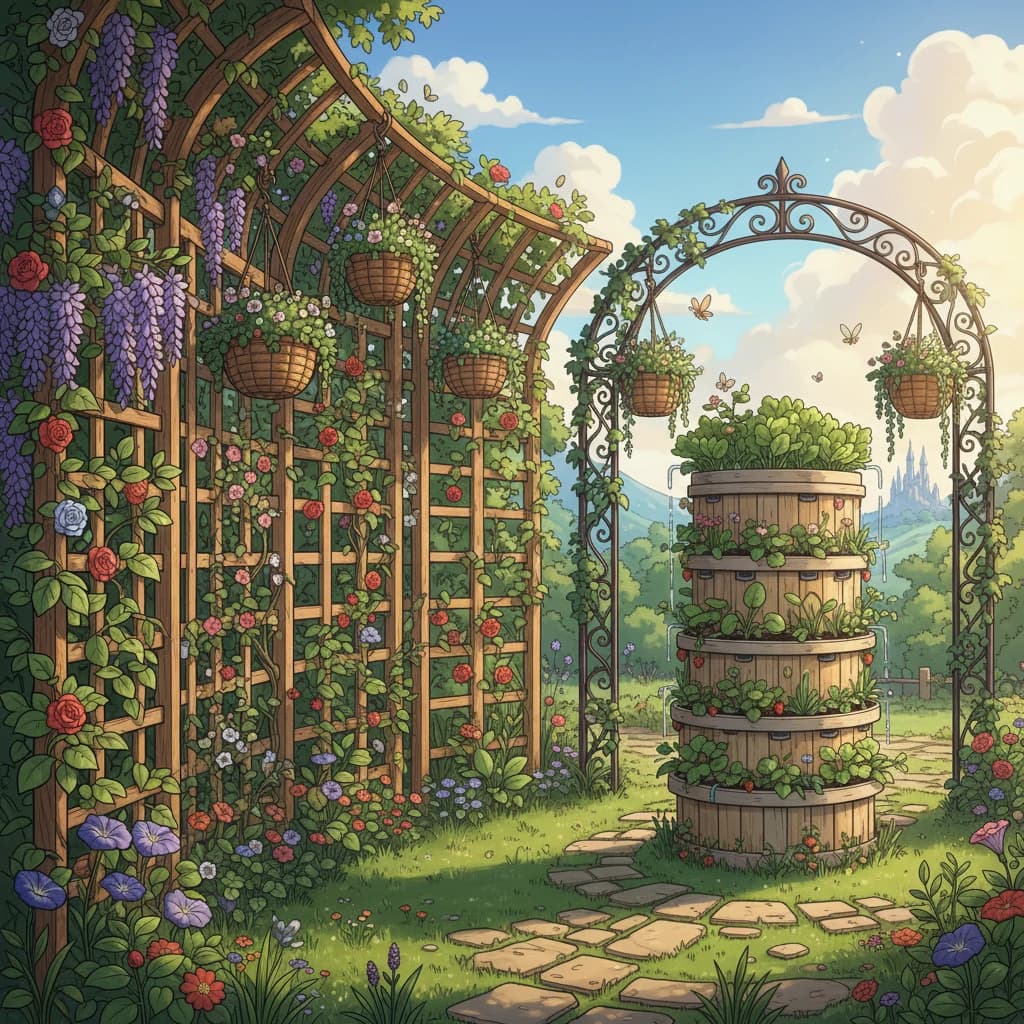
From the free course
Maximize your growing space by going up. Learn about trellises, grow towers, hanging baskets, and other vertical methods.
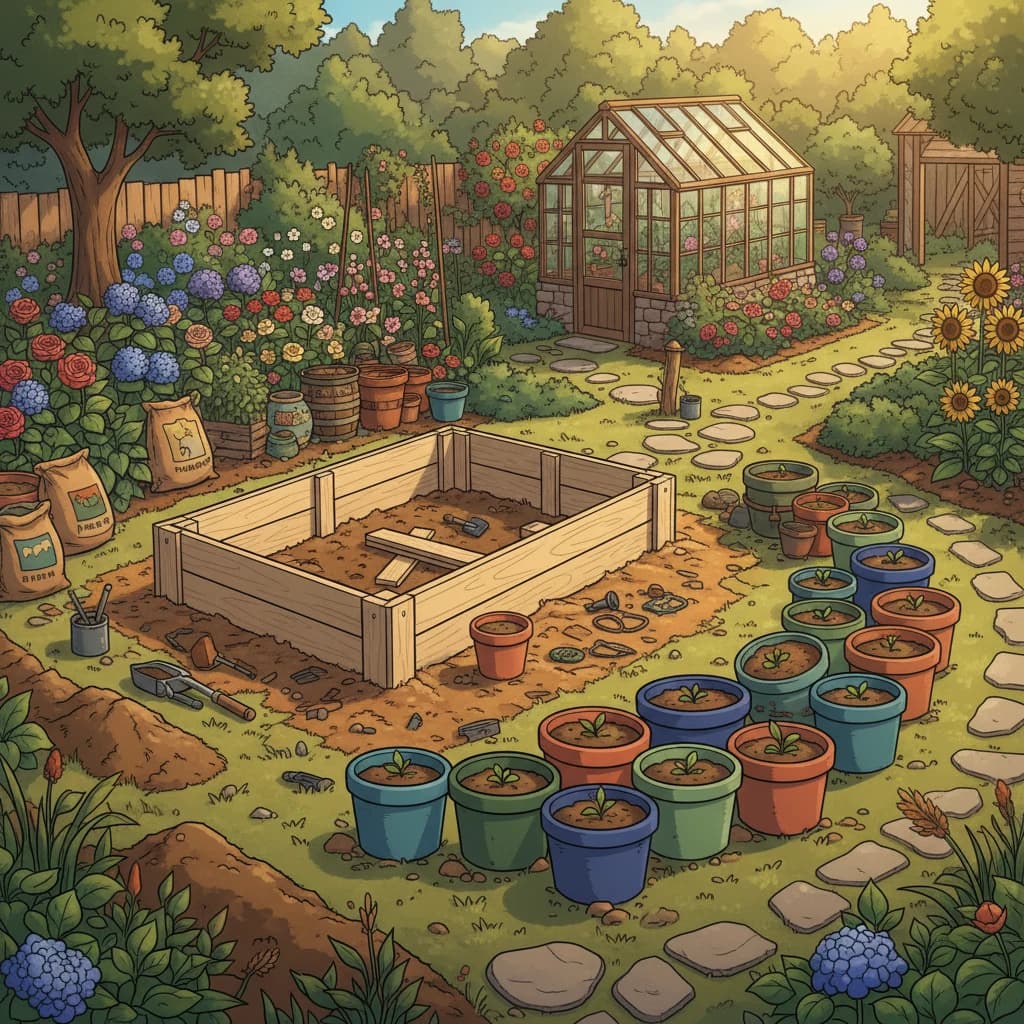
From the free course
Step-by-step guide to building raised beds, preparing in-ground gardens, and setting up productive container systems.
From the free course
Learn how to map the sunlight patterns in your growing space, identify microclimates, and position plants for maximum success.
From the free course
Bust the biggest myth in growing: the 'green thumb' isn't a talent you're born with — it's knowledge about soil, water, and growing mediums that anyone can learn.
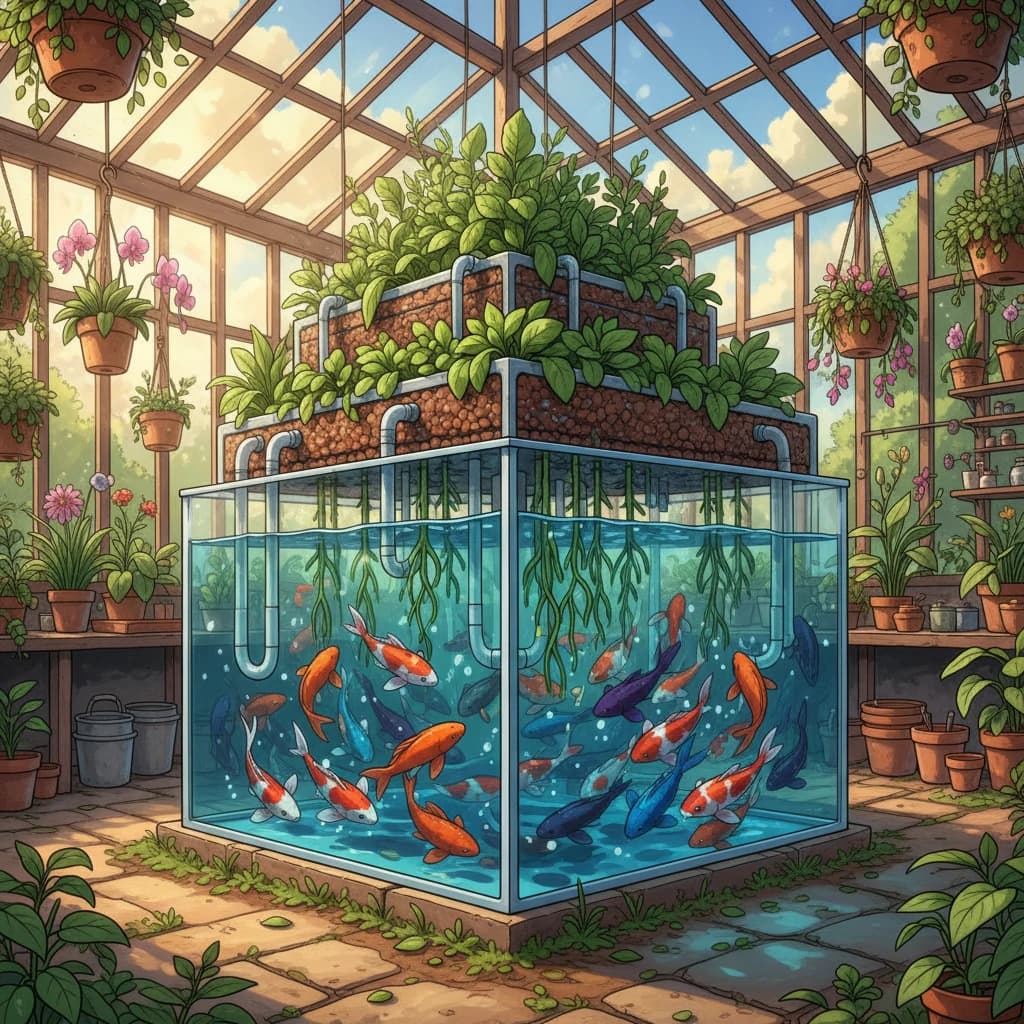
From the free course
Discover how aquaponics combines fish farming with hydroponics to create a self-sustaining growing system that's both fascinating and productive.
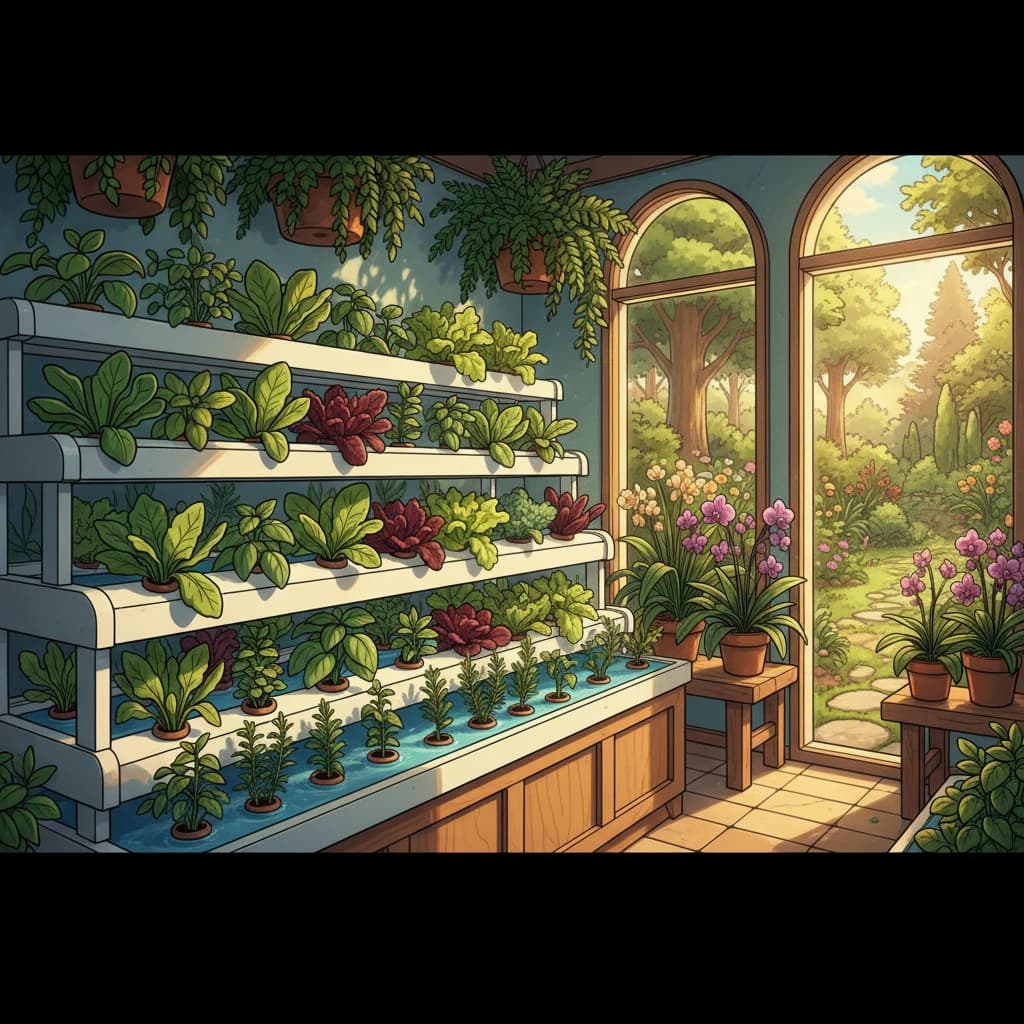
From the free course
Learn the basics of hydroponic growing — what it is, how it works, the main systems, and why it might be right for you.
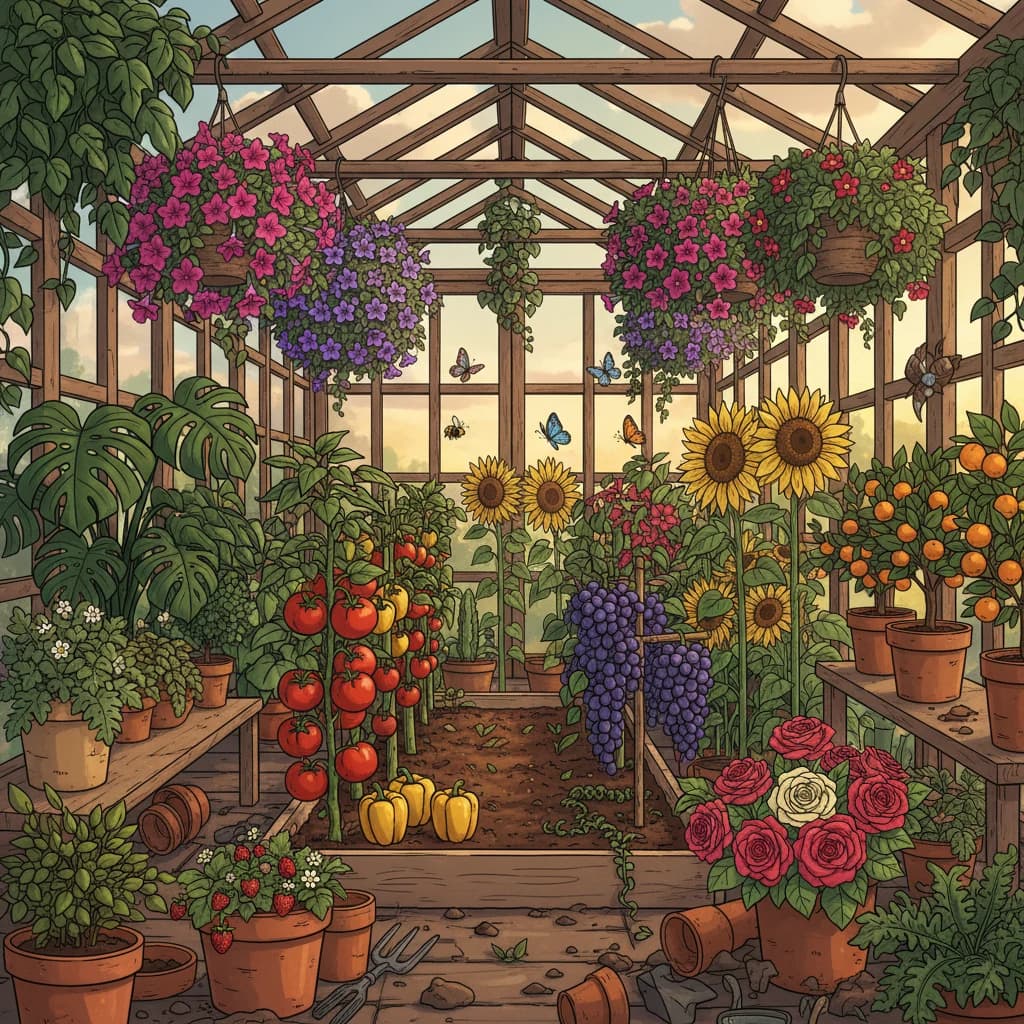
From the free course
Learn the essential nutrients every plant needs, where they come from naturally, and how to spot deficiencies before they become problems.
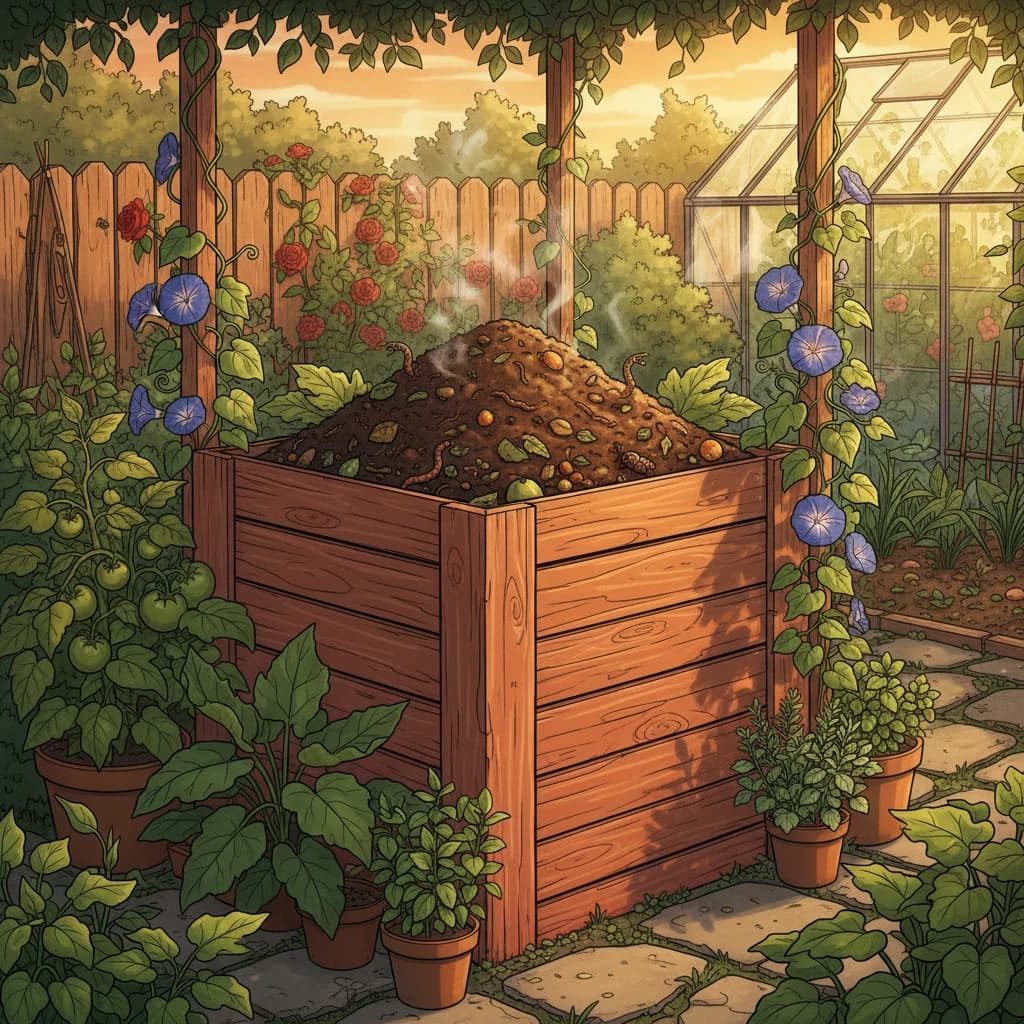
From the free course
Learn how to turn any soil into a thriving growing medium using compost, natural amendments, and techniques that feed the soil food web.
From the free course
Discover what soil actually is, why it matters more than most people think, and the difference between dirt and living soil.
From the free course
Bring it all together — assess your space, choose your first plants, check your timing, prepare your growing area, and plant your first seeds.
From the free course
Learn why natural growing matters — no synthetic chemicals, build healthy soil with compost and cover crops, and manage pests the way nature intended.
From the free course
Cut through the noise — learn the only 5 tools you need to start growing, what can wait, and how to budget your first garden.
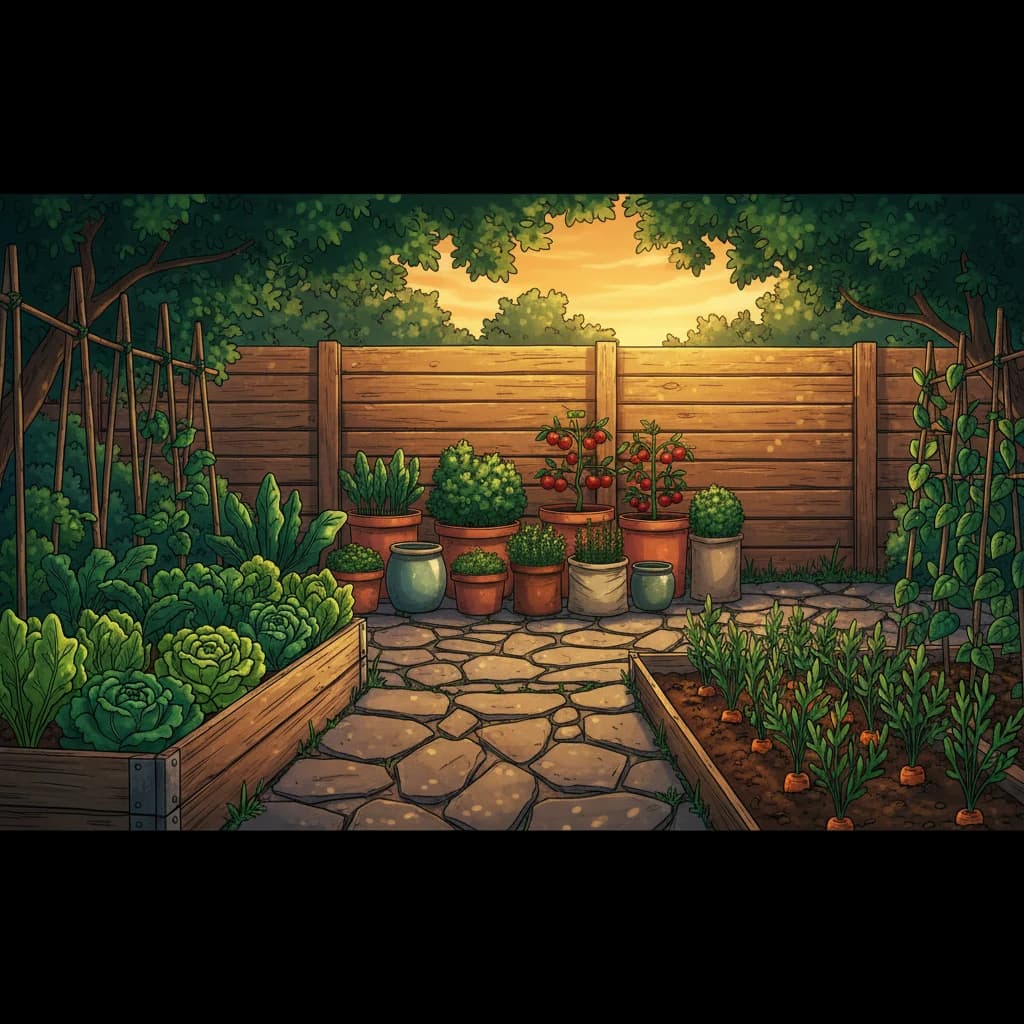
From the free course
Learn about in-ground beds, raised beds, containers, and vertical systems — and figure out which one is right for your space and budget.
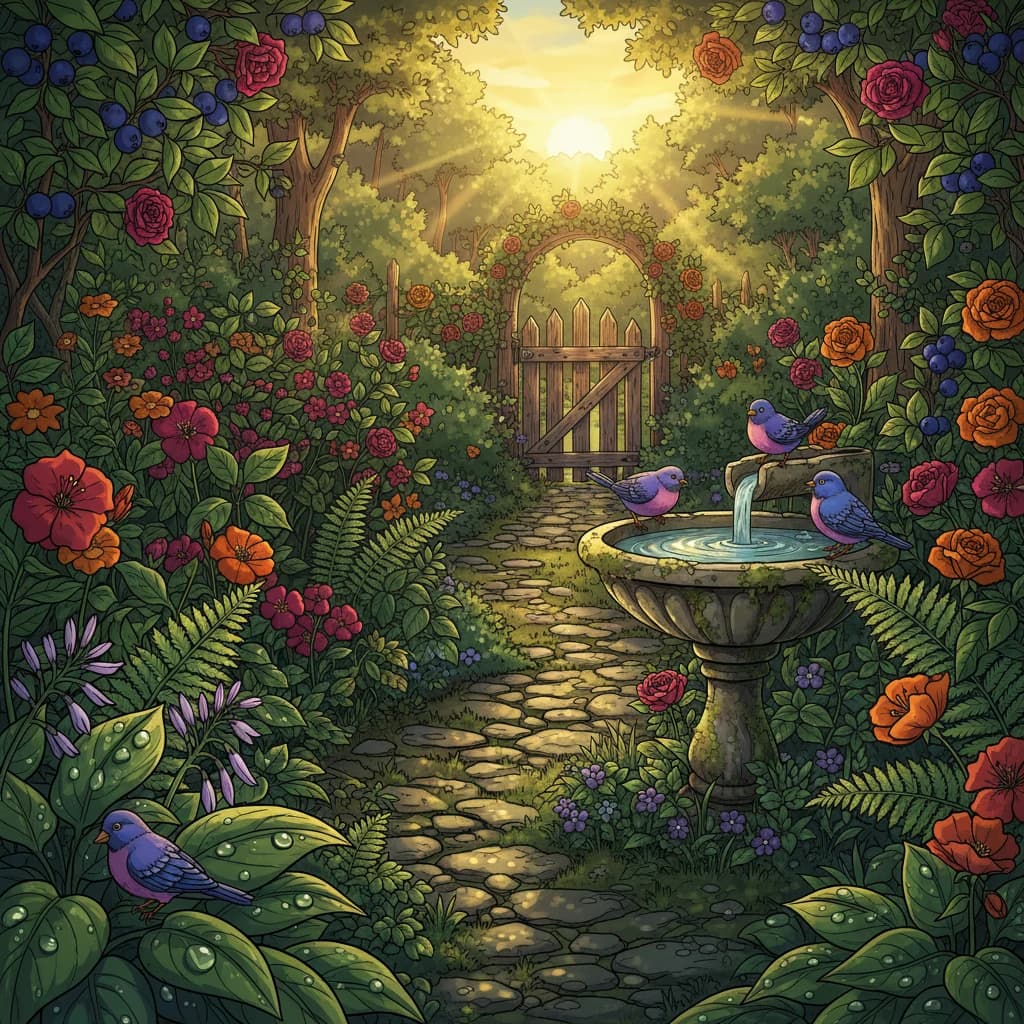
From the free course
Learn how much sunlight and water your plants actually need, how to read your space, and the most common watering mistake beginners make.
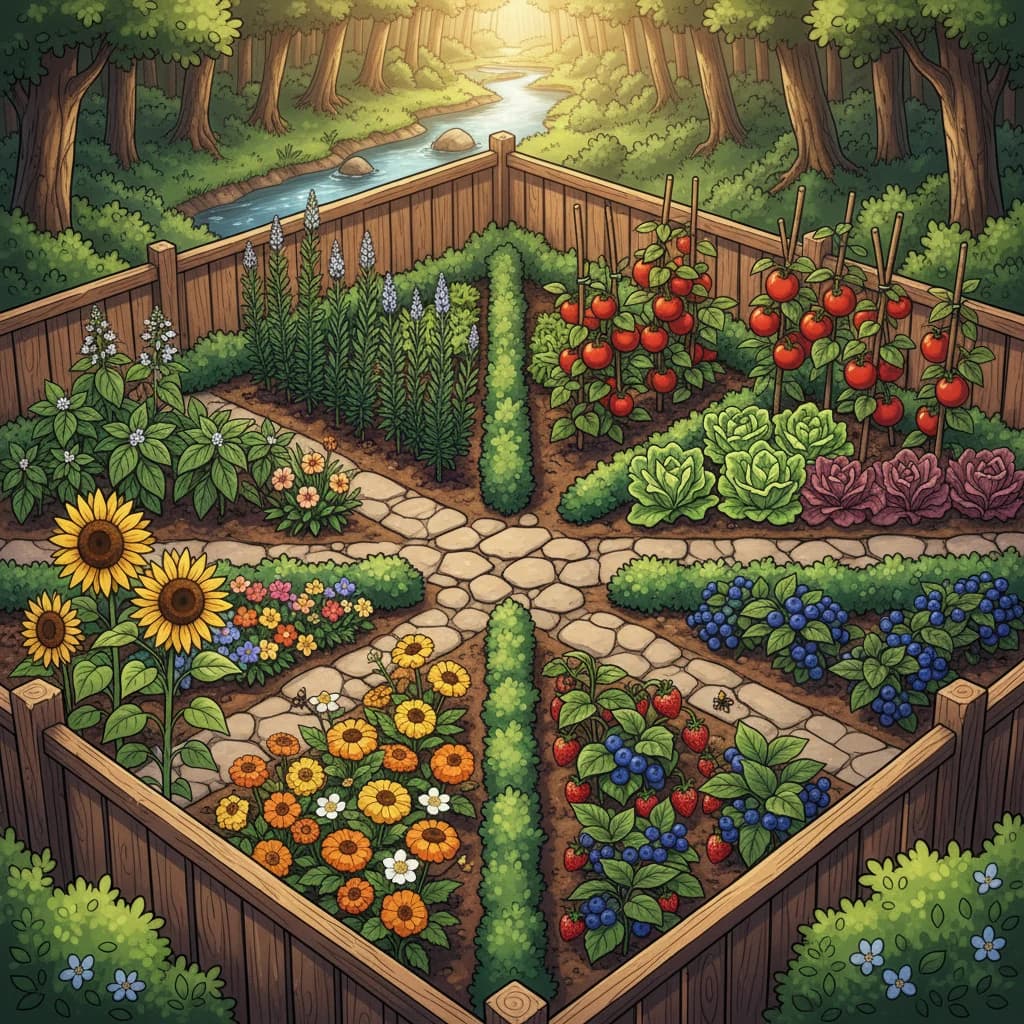
From the free course
Discover the four main categories of plants you can grow, what makes each one unique, and which ones are best for beginners.
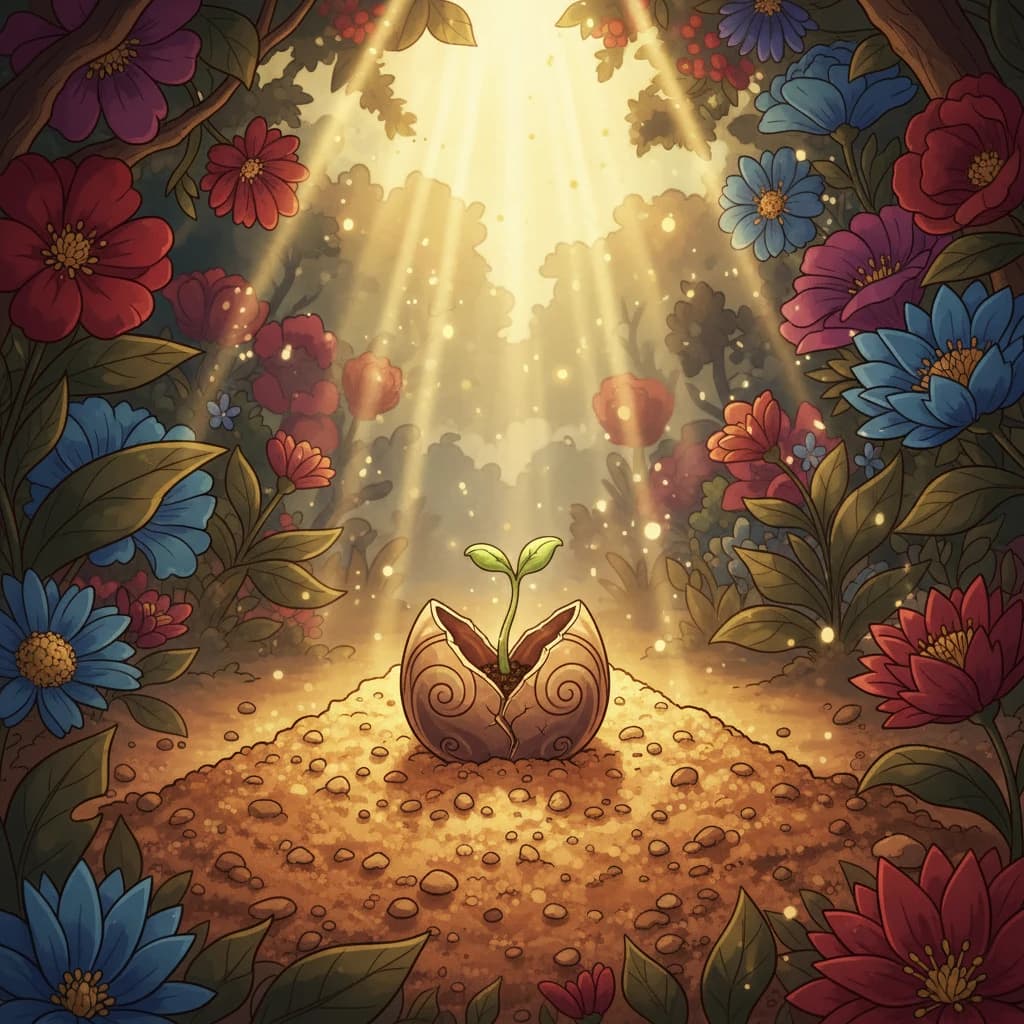
From the free course
Learn what seeds actually are, what they contain, and why understanding them is the first step to becoming a confident grower.