
The Environmental Impact of Growing Your Own
8 min read
Press play to unlock every lesson read aloud with your free account.
What You'll Learn
Understand the real environmental impact of home growing: food miles, water usage, chemical reduction, and carbon footprint.
Your Garden Changes the World
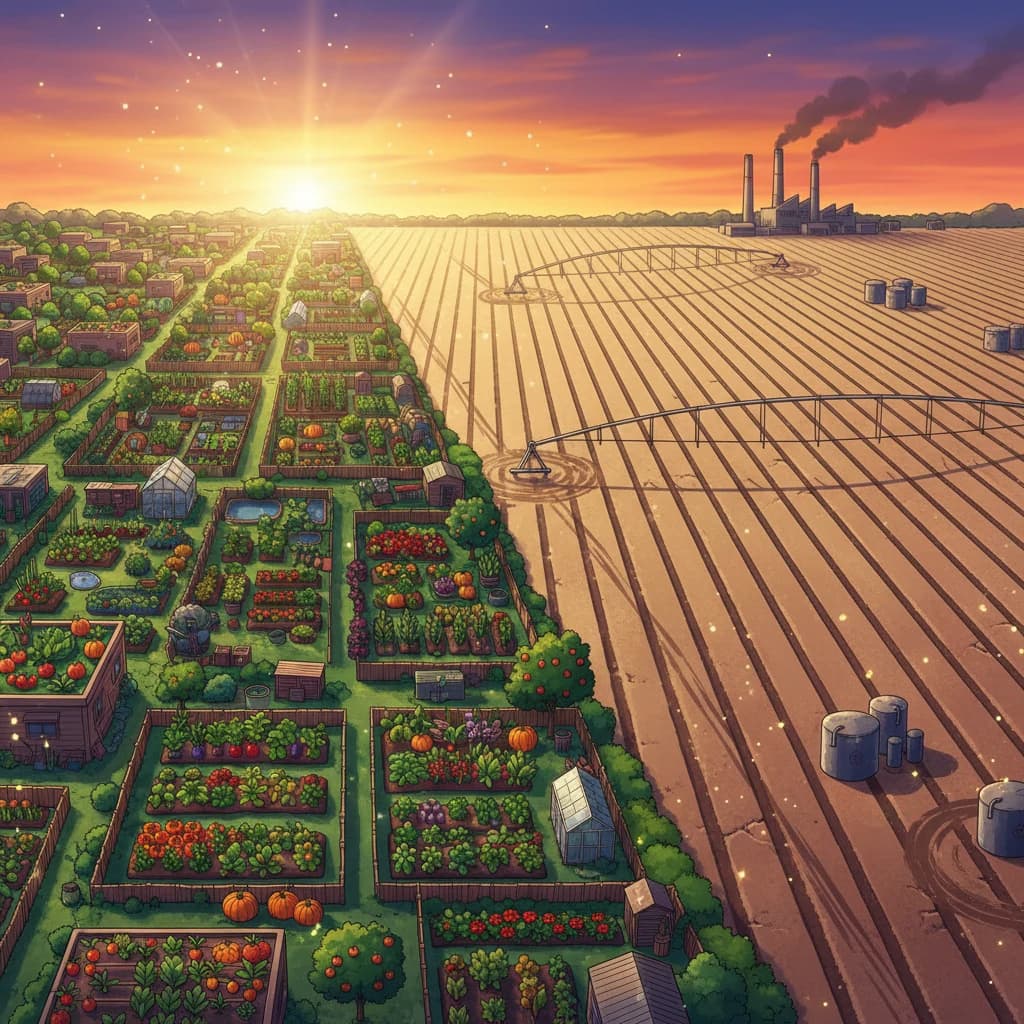
You started this journey wanting to grow food. Along the way, you've learned skills that most people never develop. But there's a bigger picture here: one that extends far beyond your garden fence. Every seed you plant, every tomato you harvest, every handful of compost you add creates ripple effects that matter.
This lesson isn't about guilt or preaching. It's about understanding the impact of what you're already doing, because when you see the numbers, you'll realize your small garden is making a bigger difference than you think.
The Food Miles Problem
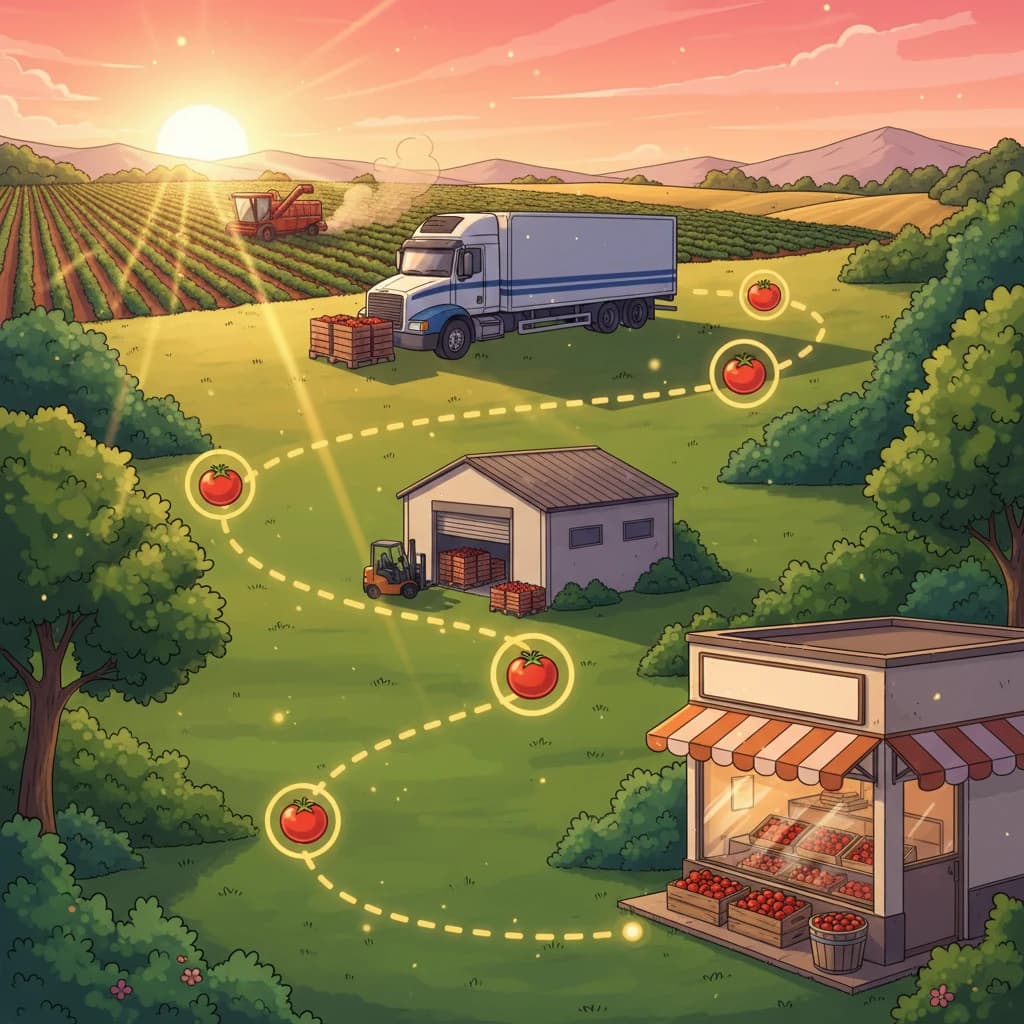
The average piece of produce in Canada travels over 3,000 kilometers to reach your plate. In the US, it's about 2,400 km. That journey involves:
- Diesel-powered trucks, trains, and sometimes planes
- Industrial refrigeration running 24/7
- Multiple transfers between warehouses
- Plastic packaging for protection during transit
- Food waste from damage during shipping (up to 30% of produce is lost)
A tomato from your backyard travels zero kilometers. It requires no truck, no refrigeration, no packaging, and generates zero waste. That single tomato's carbon footprint is essentially zero compared to its store-bought equivalent.
Did You Know?
If every household in North America grew just 10% of their own produce, it would eliminate approximately 11 billion truck-miles of food transportation per year. That's the equivalent of taking 4.5 million cars off the road.
What Natural Growing Gives Back
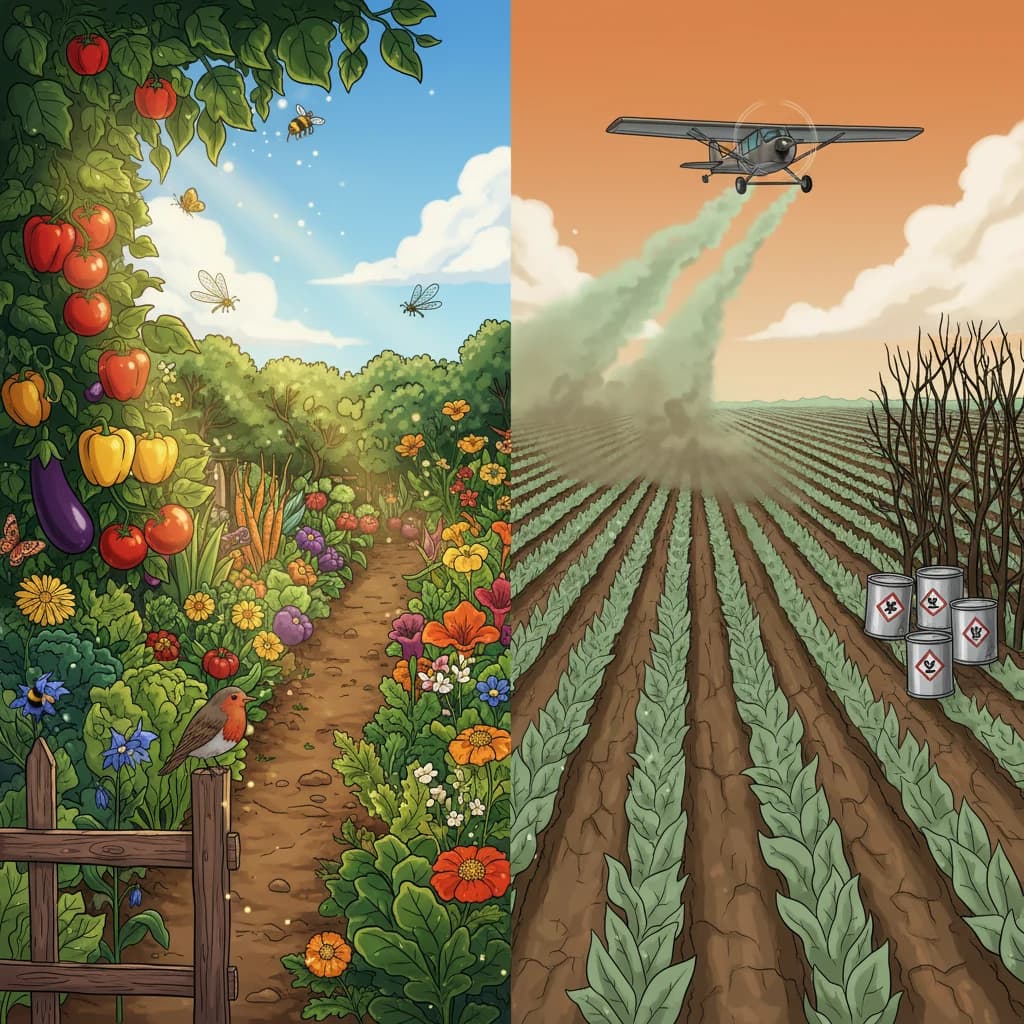
When you grow the natural way, with compost, mulch, companion planting, and helpful insects, the good you do doesn't stay inside your garden fence. It reaches:
- Waterways: living soil soaks up rain, so less of it runs off into rivers, lakes, and oceans
- Soil: beneficial organisms thrive, and fertility builds year after year
- Wildlife: bees, butterflies, and birds find food and shelter among your plants
- Your food: you know exactly how every bite was grown
Every plant you grow this way makes your corner of the planet a little healthier. Multiply that by millions of home growers and the impact becomes enormous.
When you chose natural growing in Level 1 Lesson 6, you weren't just making a personal choice. You were opting out of a system that's actively damaging the planet. That matters more than any individual tomato.
The Water Story
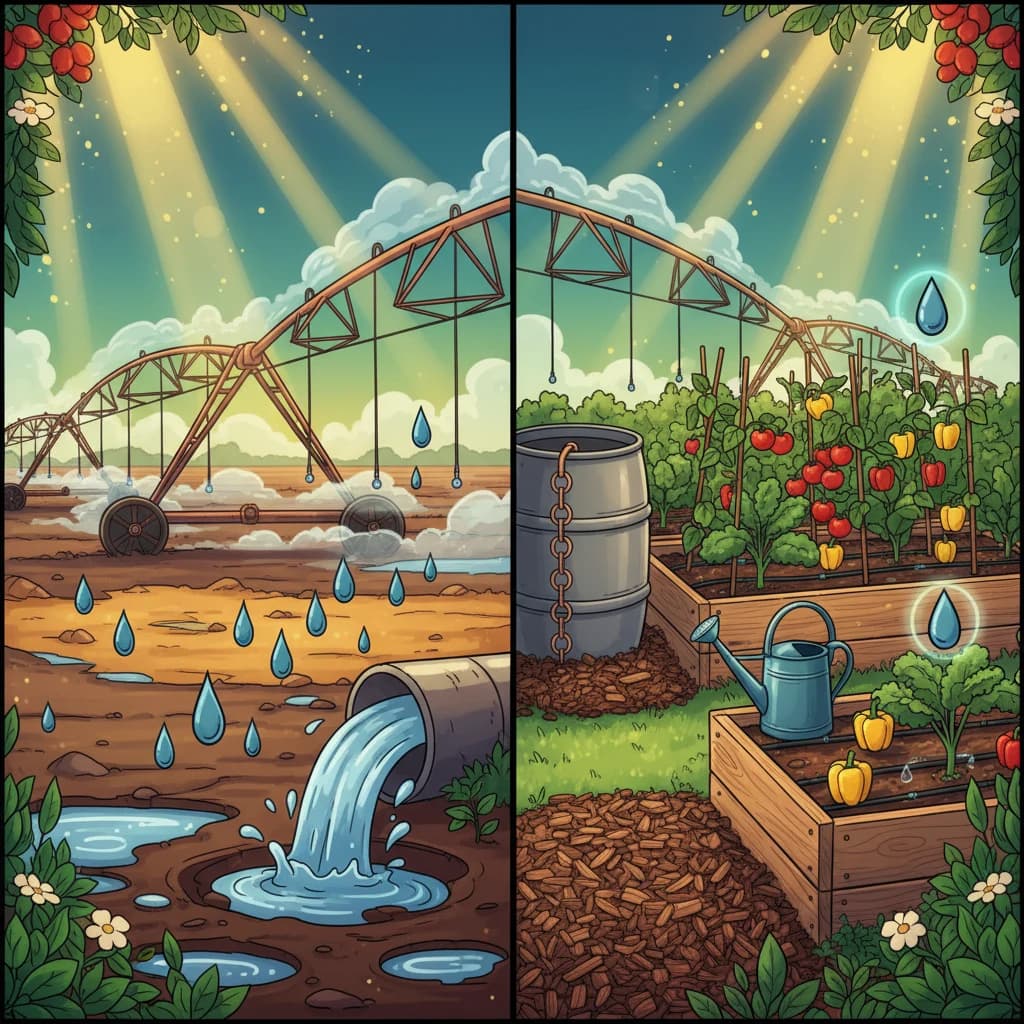
Industrial agriculture uses 70% of the world's fresh water supply. Much of this water is wasted through:
- Flood irrigation (the least efficient method)
- Growing crops in areas that require massive irrigation infrastructure
- Water-intensive processing and packaging
Home gardens (especially those using drip irrigation, mulching, and rainwater collection) use a fraction of the water per pound of food produced. Your drip-irrigated raised bed is one of the most water-efficient food production systems on the planet.
Growing Food Builds Food Security
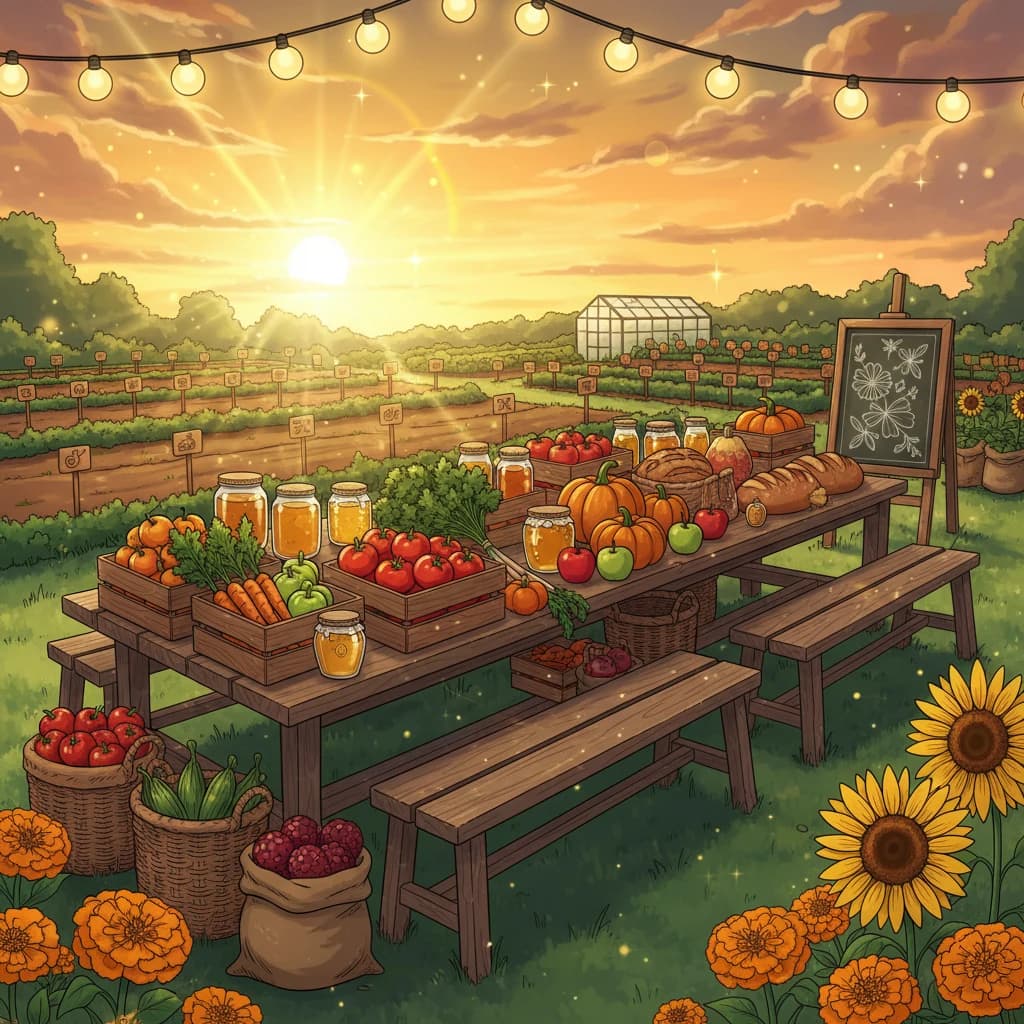
The state of having reliable access to sufficient, safe, and nutritious food. Home growing increases food security at the individual, family, and community level by creating local, resilient food sources. isn't just a developing-world issue. Supply chain disruptions, extreme weather, and rising food costs affect everyone. Home growing creates a buffer, not complete self-sufficiency, but meaningful resilience.
- A garden that provides 10% of your food needs is 10% less dependent on supply chains
- Preserved and stored garden produce provides security during winter months
- Shared growing knowledge in a community multiplies the impact
What This Means For You
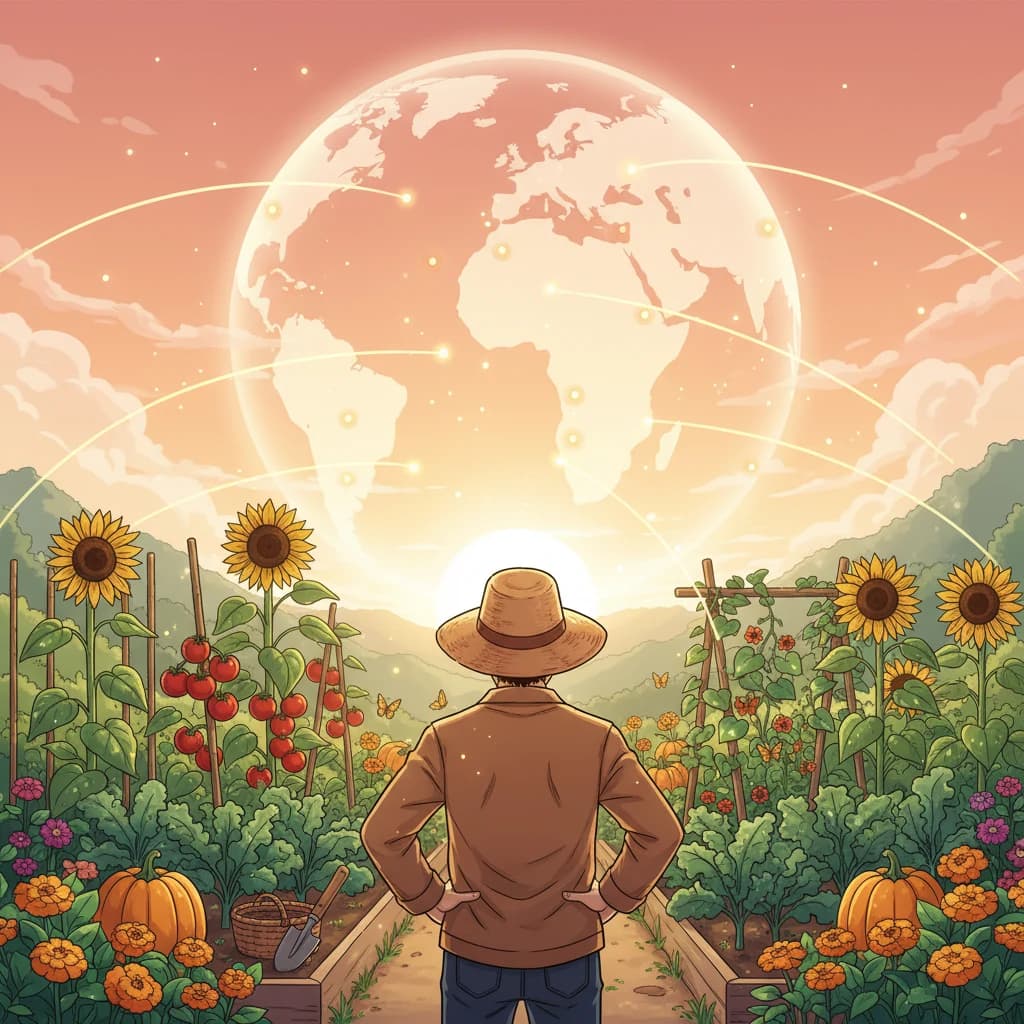
Your garden matters more than you think:
- Zero food miles, every home-grown vegetable eliminates thousands of km of transportation
- Living soil: your natural garden builds healthy soil, soaks up rain, and gives wildlife a home
- Water efficient: home drip systems use a fraction of industrial water
- Food security, even partial self-sufficiency is meaningful resilience
- The numbers scale: millions of home growers create massive collective impact
- You're already doing it, every lesson you've completed, every seed you've planted, is part of the solution
Check Your Understanding
Answer these questions to complete the article and see how other readers responded.
Question 1 of 3
How far does the average piece of produce travel to reach Canadian plates?
Loved this?
Unlock all of Seed to Harvest, included with a free account.
From your first seed to growing for your community, with a skill badge for each part. Every lesson is read aloud, so you can listen while you water.
More to read

Why Did Your Seedlings Sprout, Flop Over, and Die?
They came up perfect, then folded at the soil line like something bit them. What actually attacks baby seedlings, why too much care invites it, and the two easy habits that stop it for good.

Why Do Some Seeds Sprout in Days and Others Take Three Weeks?
Radishes explode overnight while carrots sulk for weeks, and it isn't your fault. Seed coats, built-in timers, and the overnight soak that talks a slow seed into hurrying up.

How Does a Seed Know It's Safe to Sprout?
Seeds are always checking three things before they commit. What water, warmth and depth each tell the seed, why nothing sprouts in a cold room, and how to give the all-clear signal on purpose.