The Three Ethics
7 min read
Listen Mode
9:56
Free listen: 1 per day. Plus gets 5/day, Premium is unlimited.

What You'll Learn
Earth care, people care, fair share: the moral foundation of permaculture. Every design decision flows from these three rules.
The Compass of Every Design

Every design discipline has a foundation. Architecture has structural integrity. Medicine has "first, do no harm." Permaculture has three ethics: Earth Care, People Care, Fair Share.
These aren't abstract principles you memorize and forget. They're the test you run every design decision through. When you're trying to decide whether to add a fish pond, plant a fruit tree, or rip up a piece of lawn, the three ethics are the compass that points you toward the right answer.
Earth Care

Earth care means making decisions that leave the land healthier than you found it. Soil, water, air, plants, animals, all of it.
In practice:
- Build soil instead of depleting it. Compost everything. Top-dress with mulch. Skip tilling. Plant cover crops.
- Catch and reuse water. Don't let rainwater run off: slow it, sink it, store it. Your land should hold more water at the end of each year than the year before.
- Plant for ecosystems, not monocultures. Mixed plantings support more wildlife than single-crop fields.
- Avoid chemicals that don't break down. Industrial herbicides, persistent pesticides, and synthetic fertilizers all damage the underground systems you're trying to build.
- Treat the ground beneath your house as part of your design. Even if it's gravel or concrete, you can soften and green it over time.
Tip
Earth care isn't about being perfect. A 40% improvement maintained for 20 years beats a 95% improvement abandoned in year three. Make sustainable decisions you'll actually keep.
People Care
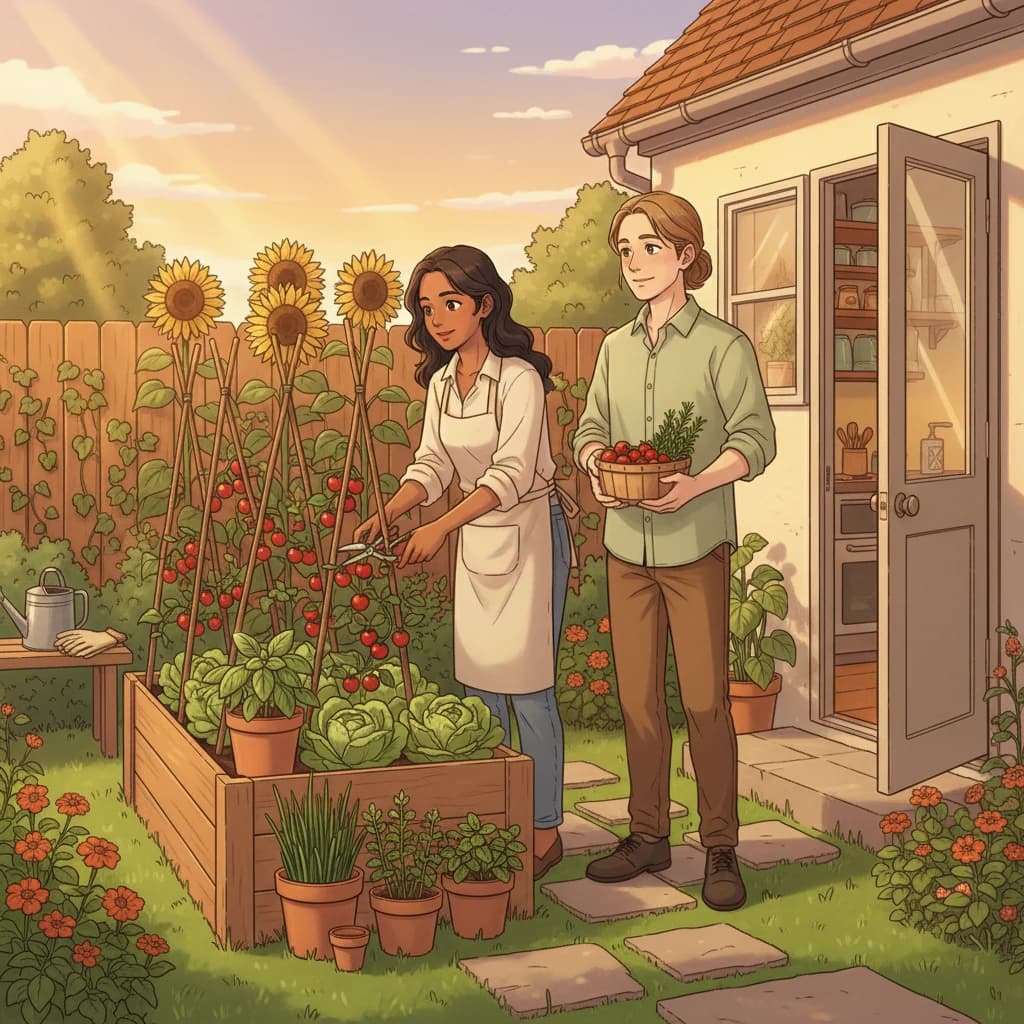
People care means growing should improve quality of life: yours, your family's, and your community's. A permaculture system that produces a ton of food but destroys your back, eats your weekends, or leaves no time for the people who matter isn't working.
In practice:
- Design for your real life. Your zone-1 plants (basil, lettuce, herbs) should be by the kitchen door. Your zone-4 woodlot should be in a corner you visit four times a year. Match effort to access.
- Design for the people who live with you, not just yourself. A garden your partner finds stressful is the wrong garden, no matter how productive.
- Share knowledge. The next generation of designers needs the path you're walking. Teach what you know.
- Build food sovereignty. Growing your own food is one of the few remaining ways to opt out of corporate supply chains. People care includes the right to feed yourself.
Did You Know?
Bill Mollison considered people care so important that he taught: "If you don't take care of the people first, the system will fail." The most beautiful permaculture design in the world doesn't survive an exhausted owner.
Fair Share

Fair share means share the surplus, return the excess to the system, take only what you need. It's the ethic that prevents permaculture from becoming a hobby of the wealthy.
In practice:
- Share food. A productive garden produces more than you can eat. Give the surplus to neighbors, food banks, restaurants, friends.
- Share seeds. Save them, swap them, gift them. The people who saved seeds before us are the only reason we have crops at all.
- Share knowledge. Teach a neighbor to grow tomatoes. Show a kid where carrots come from.
- Return what you can't use. Composting is the literal returning of food back to soil. Bokashi tea poured around your fruit trees, leaves raked back into garden beds, kitchen scraps to chickens, every nutrient cycle is fair share in action.
- Limit consumption. "Take only what you need" is the hardest part. The default mode is to keep accumulating. Permaculture asks you to stop when you have enough.
How the Ethics Work Together
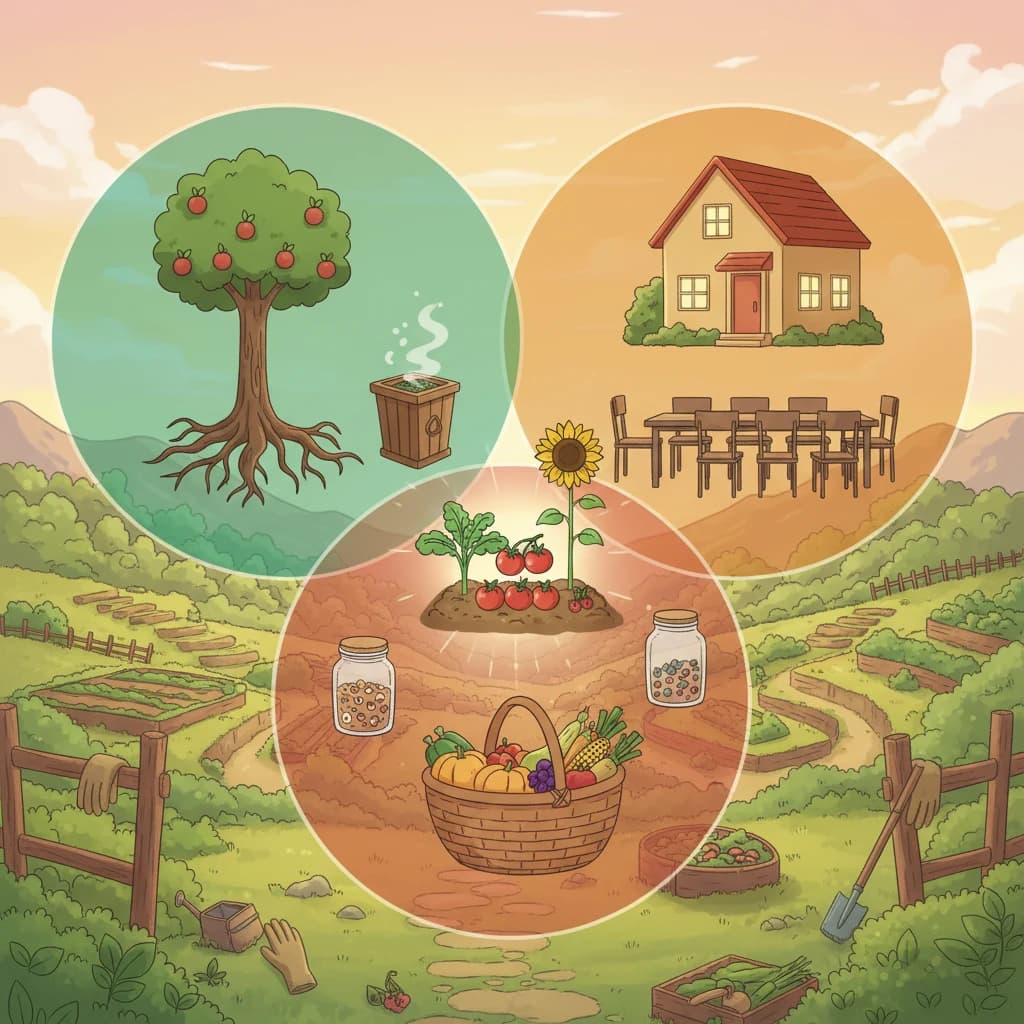
The three ethics are most useful when they all point in the same direction. A decision that satisfies all three is almost always the right move:
- Plant a fruit tree: earth care (soil + air + habitat), people care (food + shade + beauty), fair share (excess fruit goes to neighbors). All three.
- Compost kitchen scraps: earth care (builds soil), people care (saves money on fertilizer + reduces trash), fair share (returns nutrients to the cycle). All three.
- Replace lawn with a garden: earth care (more biodiversity, more water retention), people care (food + activity), fair share (excess food). All three.
When two ethics conflict, you're probably looking at a tradeoff and need to think harder. When all three want the same thing, you've found a great move.
When Ethics Get Tested
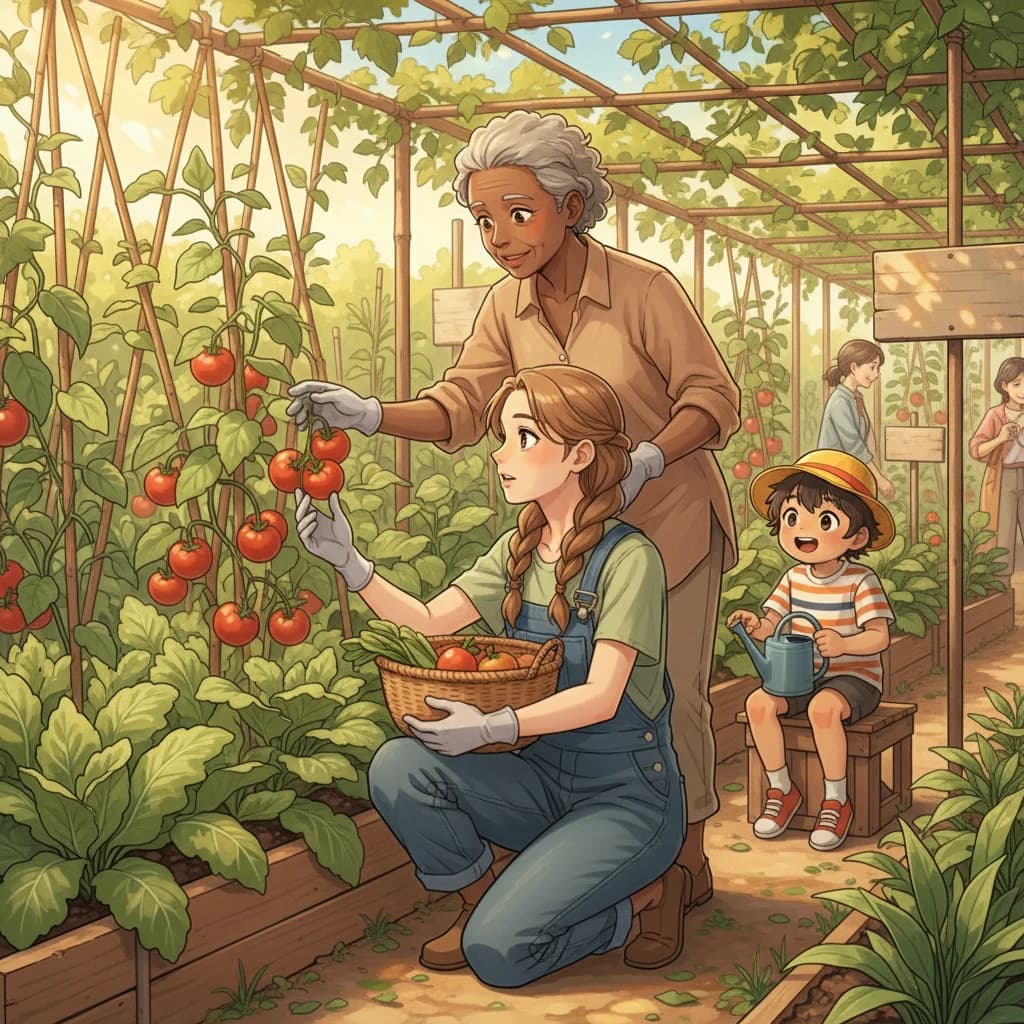
The ethics aren't just for big decisions. They show up in tiny daily choices:
- A plant is dying, do you fight to save it (people care: I want it) or accept that it's wrong for the site (earth care: stop forcing it)?
- A neighbor wants vegetables: do you give freely (fair share) or worry about being "used"?
- You can afford to upgrade the whole system at once, do you (people care: less work for me) or phase it in (earth care: less waste, less risk)?
The ethics make you slow down before acting. That's the point. Conventional growing is full of decisions made for short-term productivity. Permaculture asks you to consider the longer arc.
Tip
When you're stuck on a decision, write the three ethics on a piece of paper and ask which option scores best on all three. The answer usually emerges in 30 seconds.
What This Means For You
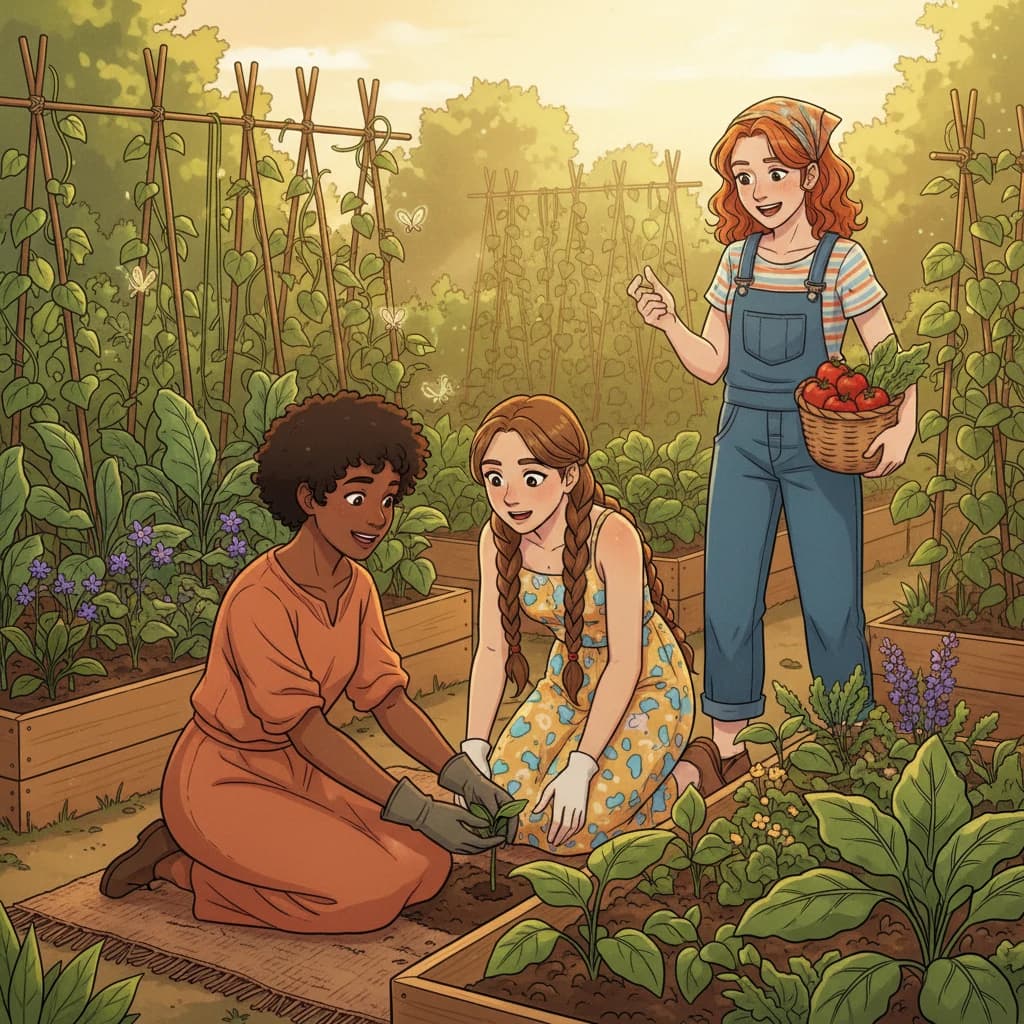
The three ethics are the simplest part of permaculture and the most important.
What to take away
- Earth care: leave the land healthier than you found it.
- People care. Design should improve real life, not just yields.
- Fair share. Share surplus, return excess, take only what you need.
- All three together: when a decision satisfies all three, it's almost always right.
Mistakes to skip
- Don't treat earth care as the only ethic that matters. A productive but burnout-inducing garden fails people care, and the system collapses with you.
- Don't use fair share as guilt. If you can't share excess, you don't have excess yet. That's fine.
- Don't skip the ethics test on big decisions. Three minutes of reflection saves years of regret.
Next lesson: Observe and Interact: the first of Mollison's 12 design principles, and arguably the most important.
Check Your Understanding
Answer these questions to complete the article and see how other readers responded.
Question 1 of 3
What are the three ethics of permaculture?
Loved this?
Take the full Permaculture Deep Dive: one payment, lifetime access.
11 chapters, beginner-friendly and jargon-free. One payment, lifetime access.
More to read

Why Did Your Seedlings Sprout, Flop Over, and Die?
They came up perfect, then folded at the soil line like something bit them. What actually attacks baby seedlings, why too much care invites it, and the two easy habits that stop it for good.

Why Do Some Seeds Sprout in Days and Others Take Three Weeks?
Radishes explode overnight while carrots sulk for weeks, and it isn't your fault. Seed coats, built-in timers, and the overnight soak that talks a slow seed into hurrying up.

How Does a Seed Know It's Safe to Sprout?
Seeds are always checking three things before they commit. What water, warmth and depth each tell the seed, why nothing sprouts in a cold room, and how to give the all-clear signal on purpose.