How to Grow Parsnip
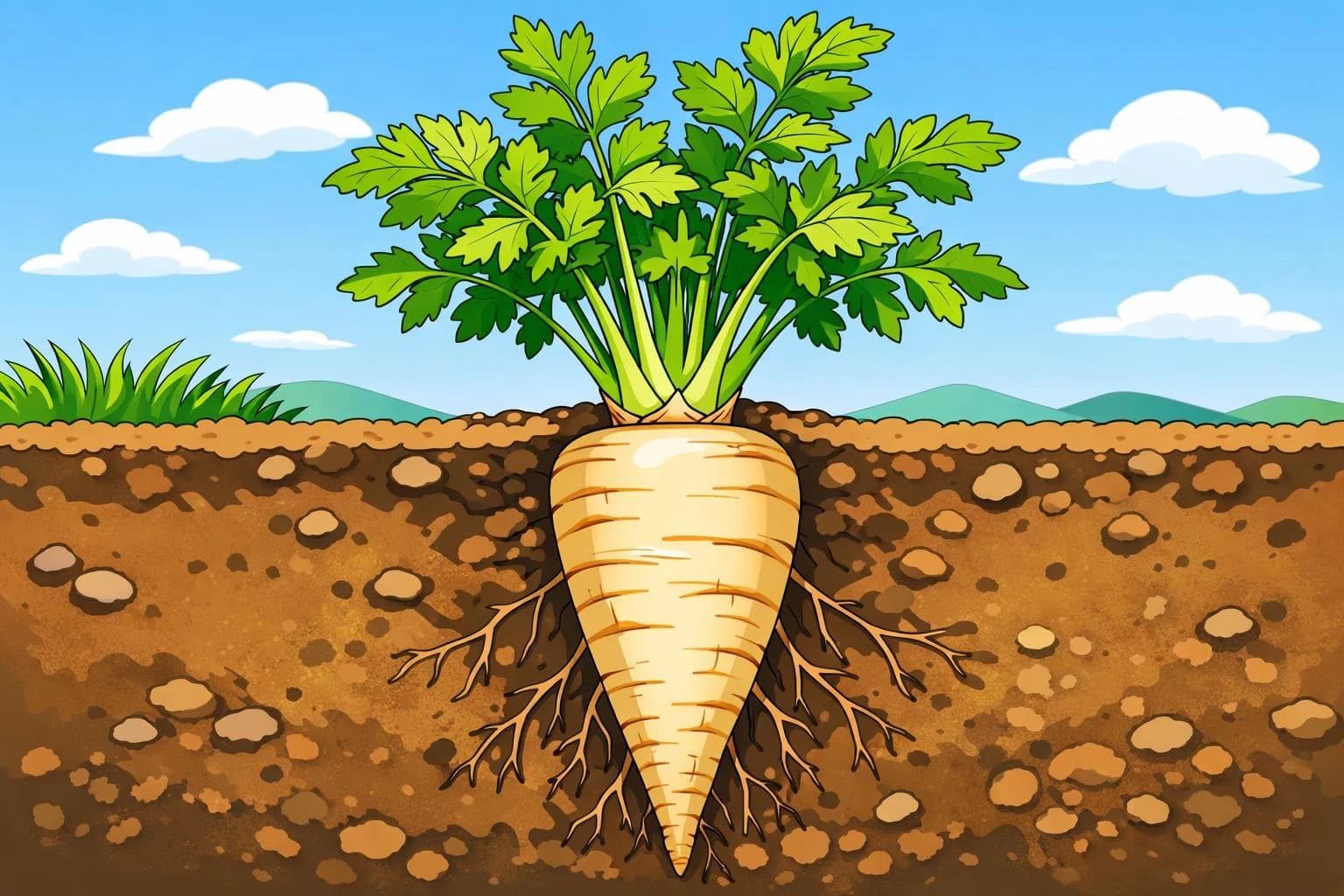
Parsnip At a Glance
Difficulty
Moderate
Category
Vegetable
Sun Exposure
Full Sun, Partial Sun
Frost Tolerance
Frost Hardy
Cold Hardiness
Survives to -18°C
Plant Family
Apiaceae
Growing Season
Cool Season
Plant Lifecycle
Biennial
How to Start It
★ Recommended for beginners
Sow parsnips in early spring, from about 4 weeks before your last frost to 1 week after, as soon as the soil can be dug. Sow 3 seeds every 10 cm, 1 cm deep, and water the row lightly every day or two so the surface never dries out. They are slow, taking 14 to 21 days to sprout, so mark the row and be patient, then thin them (pull the extras) to one plant every 10 cm.
Use fresh seed every year, because parsnip seed loses its power to sprout after about 1 year. Parsnips grow one long main root, so they are always sown in place and never moved. They take about 100 days, and a few fall frosts turn some of their starch into sugar, so the sweetest roots come late.
When To Start
First chance to plant
30 Days Before Last Frost
Last chance to plant
90 Days Before First Frost
When should you plant Parsnip?
Your planting dates depend on your local climate. Sign up and add your location to unlock personalized dates.
Your Parsnip Planting Window
Start planting
May 15, 2026
Last chance
Sep 10, 2026
Your Parsnip Calendar
Set your location to turn these into exact dates and reminders.
Sow fresh parsnip seed outdoors and keep the row damp
1 week after your last frost· every year
Dig parsnips after a frost or two, they get sweeter
Around your first frost· every year· optional
Did you water your parsnip seedlings today? Keep the top of the soil damp until they are up and growing.
About 1 days after you plant it
Time to thin the parsnip seedlings: snip the extras at soil level so each one has room to grow.
About 31 days after you plant it
Your parsnips are growing! Thin them so each plant has room for its root to fill out.
About 54 days after you plant it
Nice work! Water deeply during dry spells so the roots grow long and smooth.
About 88 days after you plant it
Picking time may be here: check your parsnip.
About 100 days after you plant it
The Journey Ahead
Parsnip's Lifecycle
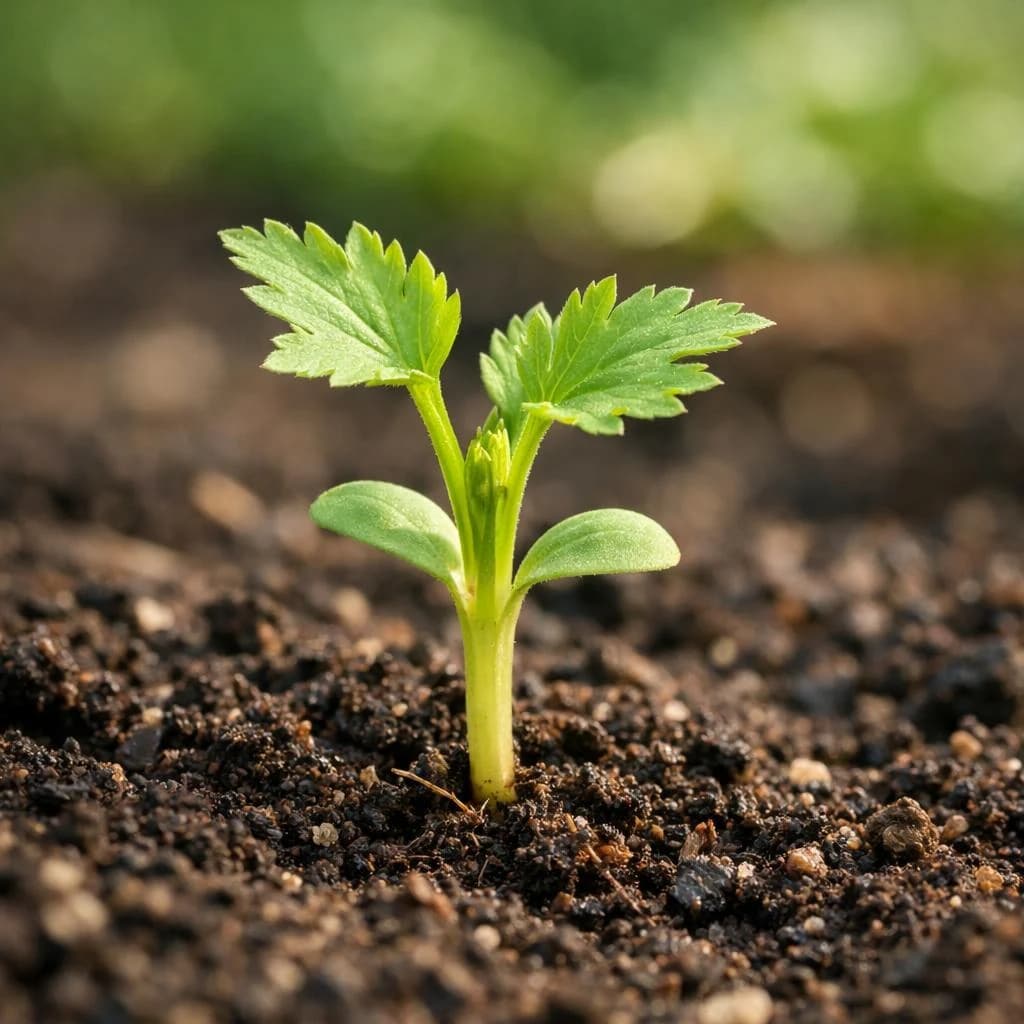
Seedling
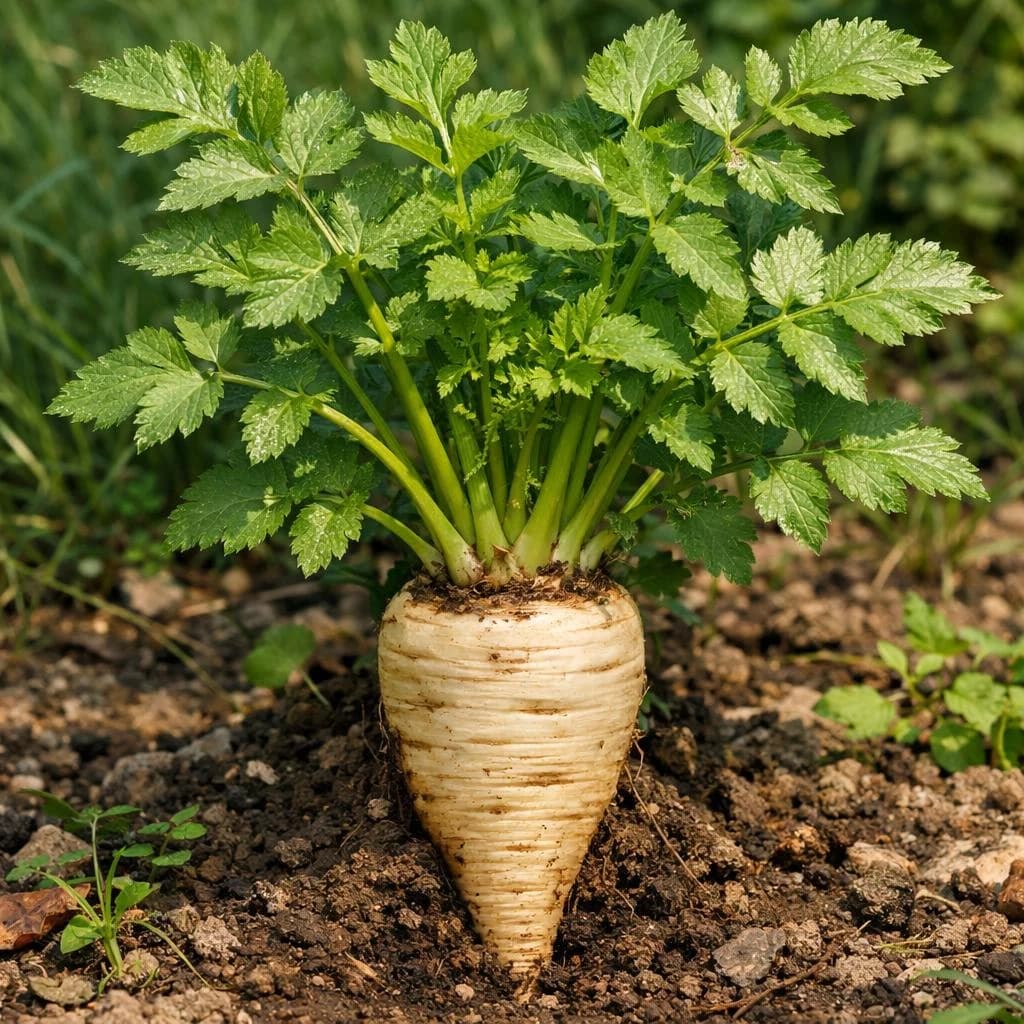
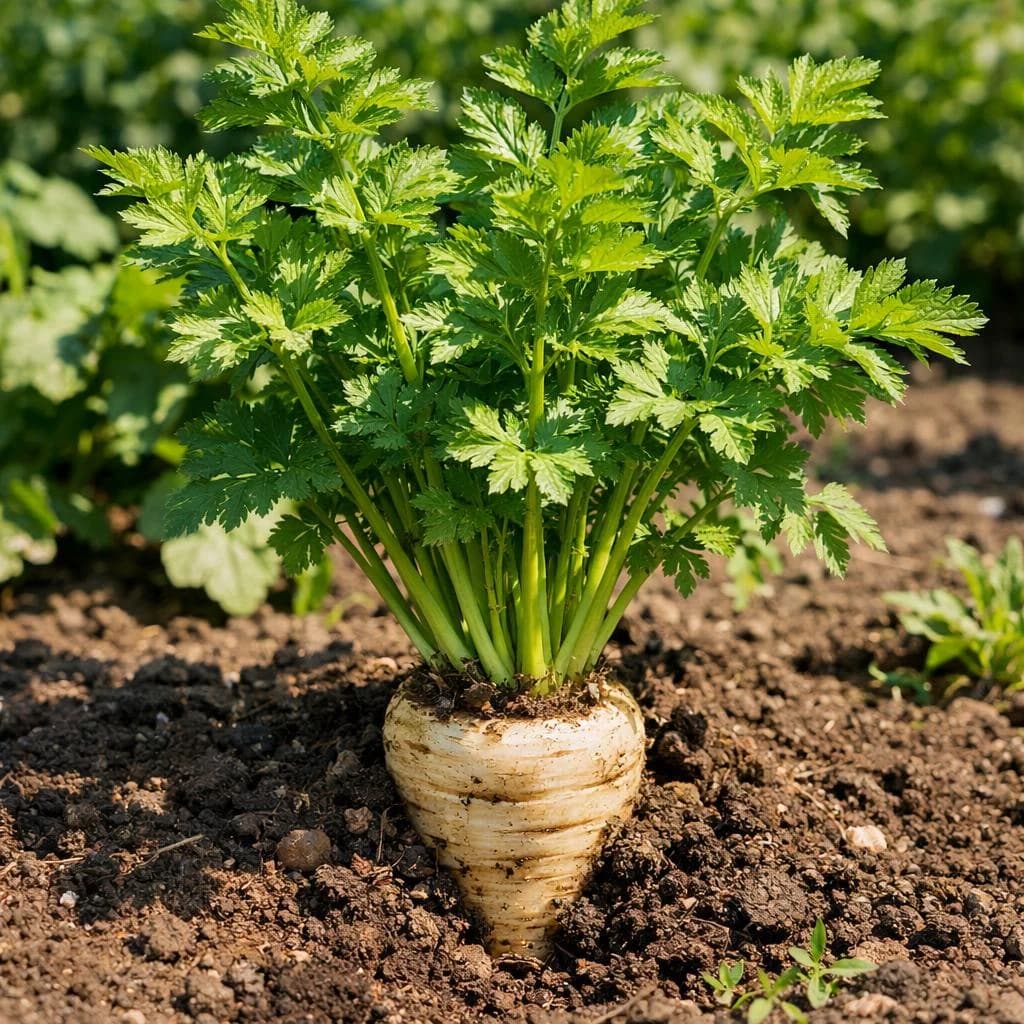
Mature Plant
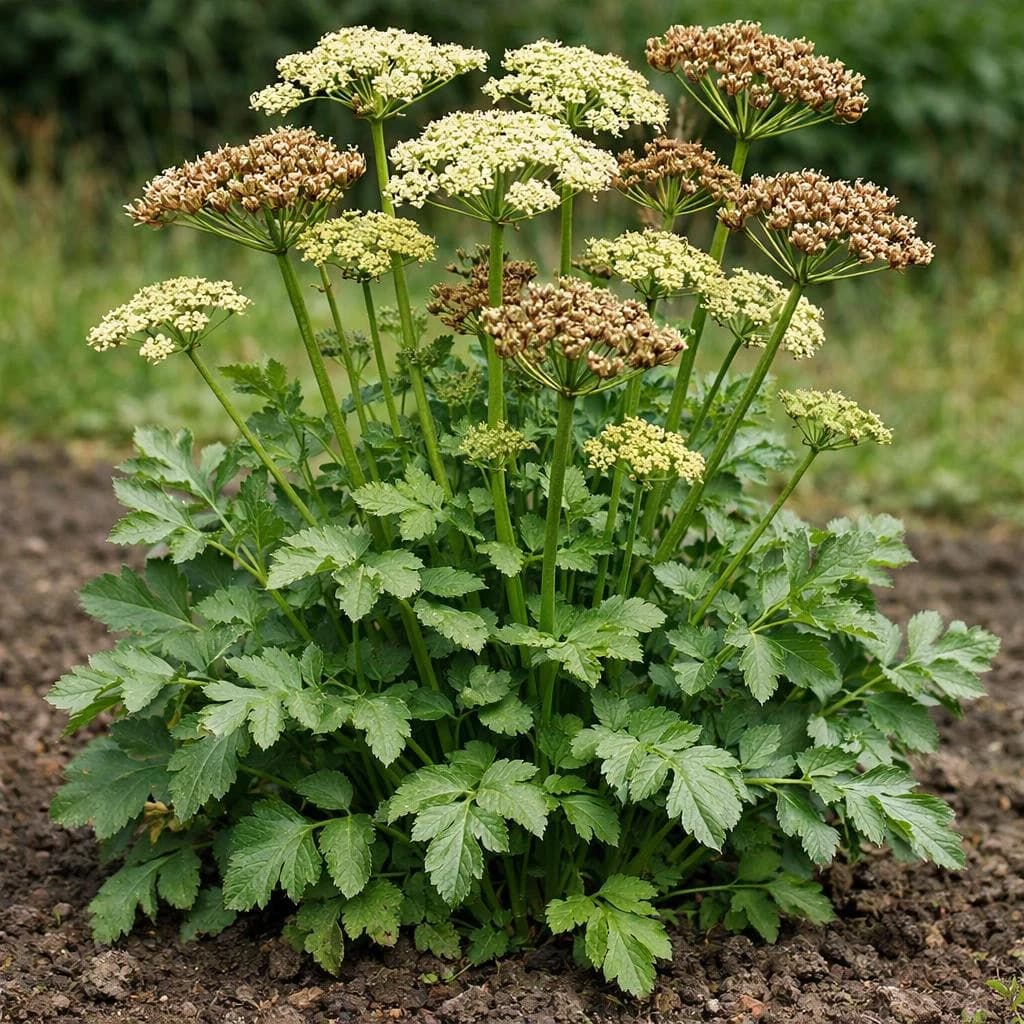
Seed Production
Step 2
Planting & Sprouting
Expect sprouts in 14–21 days
Growing Tips
- 1Grow parsnips in full sun, or light shade for part of the day.
- 2Loosen the soil deeply and pick out stones, because stones and lumps make the roots fork.
- 3Mix in well-rotted compost, but no fresh manure, which also makes forked, hairy roots.
- 4Keep the soil evenly moist, especially while the seedlings are small, and spread mulch once they are up.
- 5Cover the row with row cover to keep off carrot rust fly, a small fly whose grubs tunnel into the roots.
- 6Wear gloves and long sleeves when handling the leaves on sunny days, because the sap can burn skin in sunlight.
Seedling Phase
Step 3
Growth & Maturity
~100
Days to Maturity
45 cm
Mature Height
30 cm
Mature Width
Pests to Watch For
Diseases to Watch For
Mature Plant
Step 4
Harvesting
Harvest Window
45 days
When to Pick
Pull roots when full size
How to Harvest
- 1Wait until after a few fall frosts, when the roots taste sweetest.
- 2Loosen the soil beside the row with a fork, then pull the root up by the base of its leaves.
- 3Dig carefully, because the roots are long and snap easily.
- 4You can also leave some in the ground under a thick mulch over winter and dig them in early spring, before new leaves grow.
- 5Cut off the leaves and keep the roots in a bag in the fridge for a few weeks, or in damp sand in a cold cellar for months.
Step 5
Saving Seeds
How to Save Seeds
Parsnip only flowers in its second year, after a winter in the ground. Leave a few of your best roots in place under mulch, and they send up tall stems with flat, yellow flower heads the next summer. It crosses with other parsnips and with wild parsnip, a roadside weed in much of Canada, so keep your plants well away from it if you can. Wear gloves and long sleeves around the flowering stems, because their sap burns skin in sunlight. Cut the heads when the flat seeds are dry and tan, rub them off into a bag, and store them labelled in a cool, dark, dry place, but sow them the next spring, since they keep only about 1 year.
Seed Production
Still have a question?
Ask your coach about your parsnip.
This page covers what we thought to write down. Your parsnip will do something it never mentions, and that is the day a coach beats a guide. Ask Coach Lumen one question right now, free, no account.