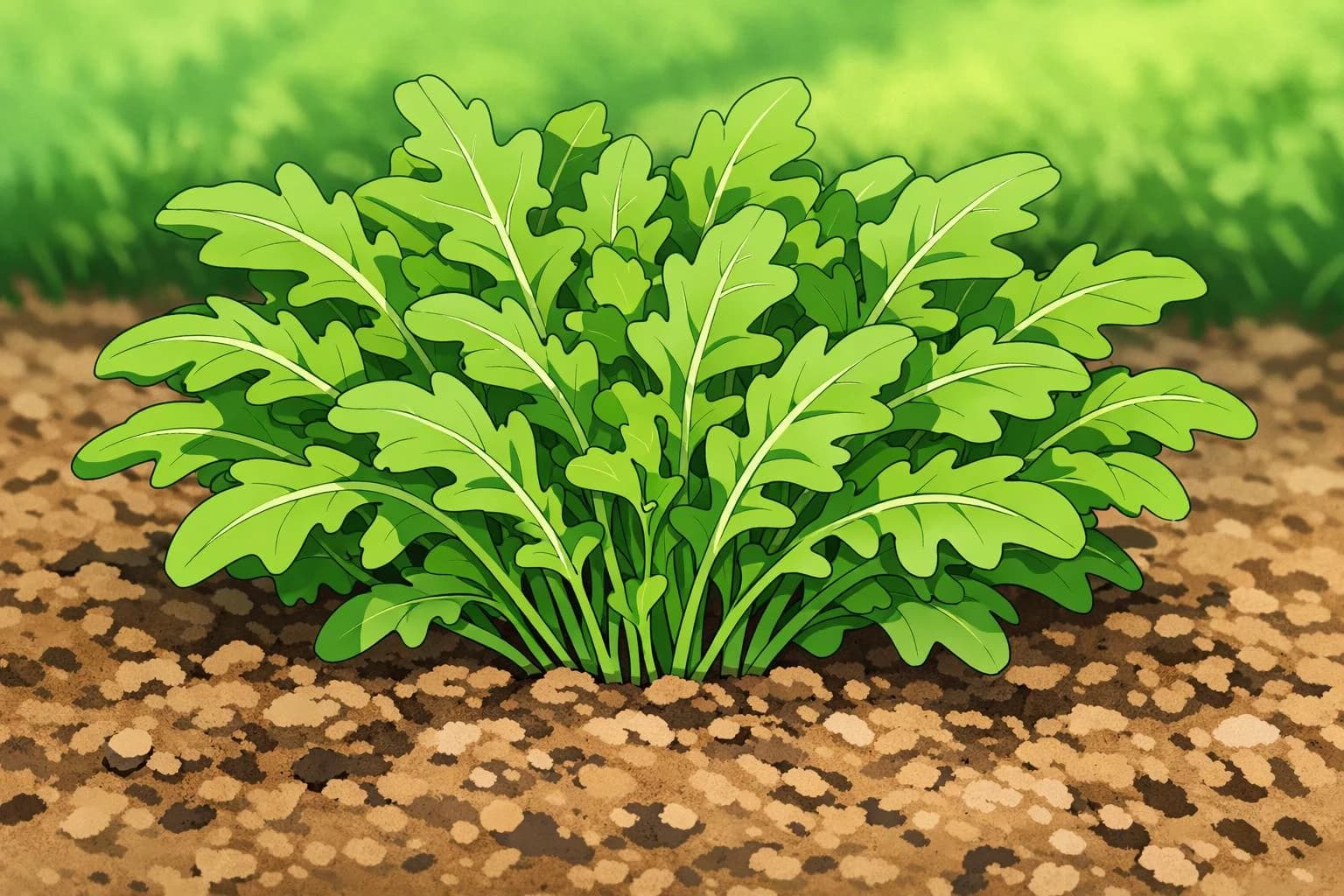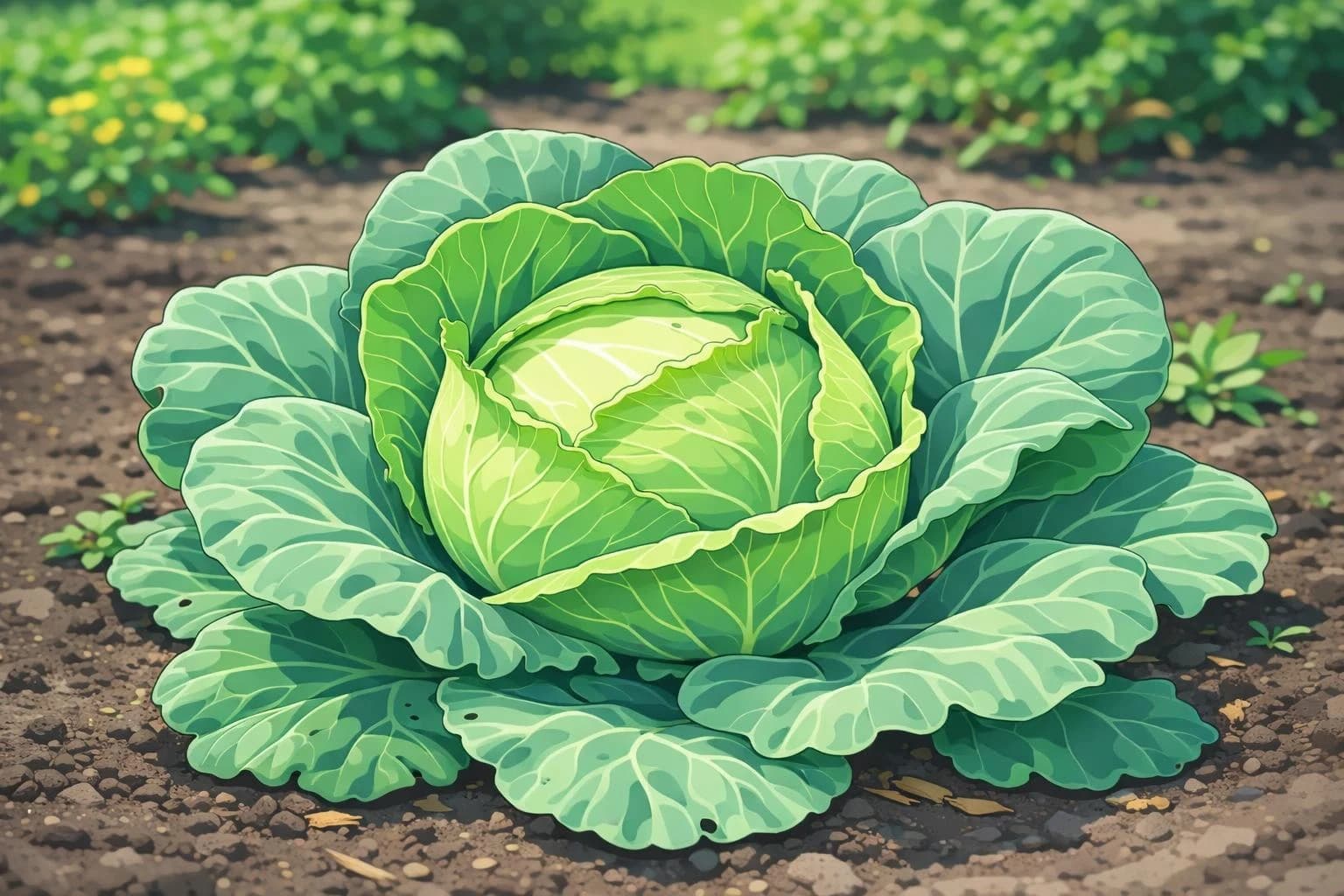
How to Grow Lettuce
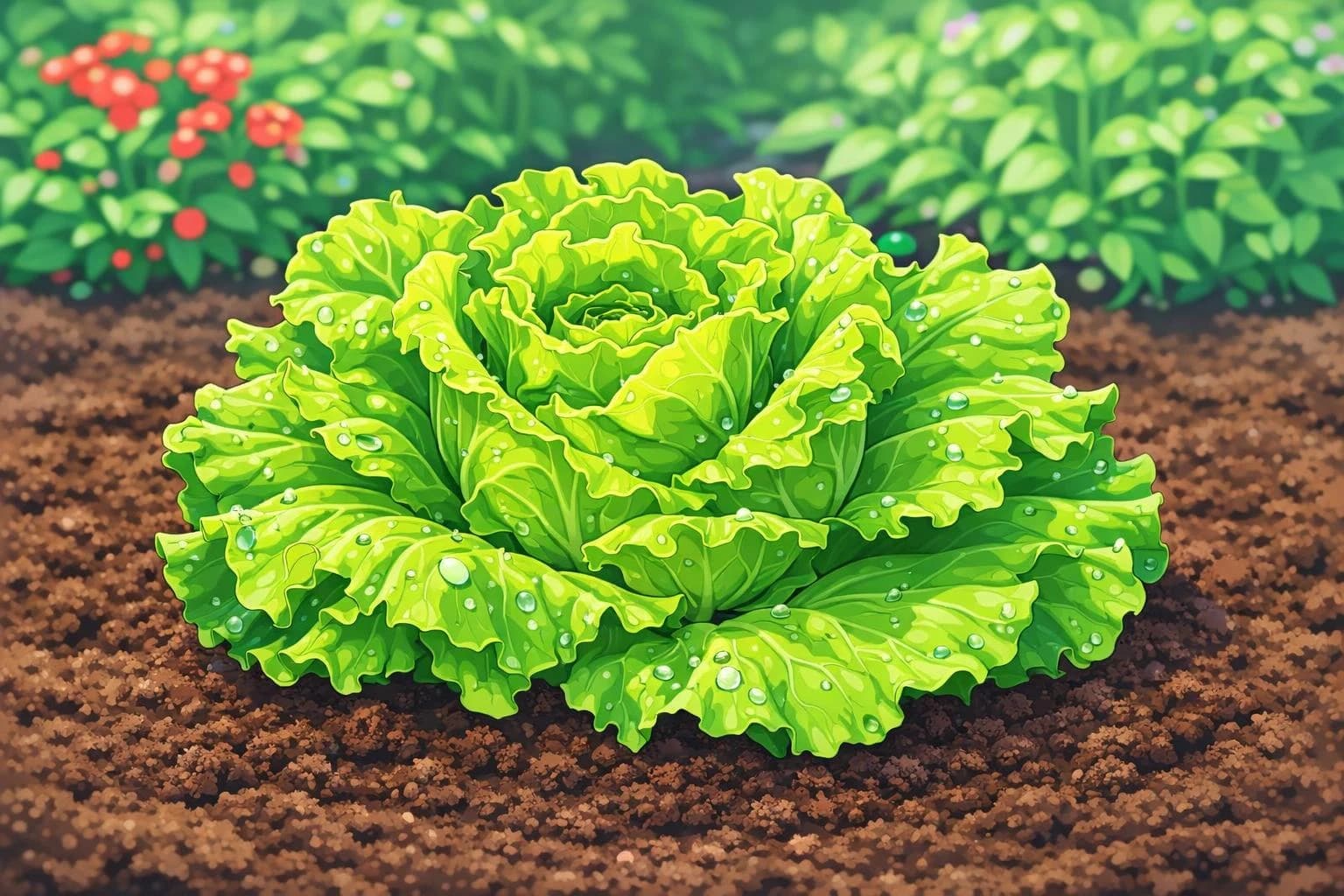
Lettuce At a Glance
Difficulty
Easy
Category
Vegetable
Sun Exposure
Partial Sun, Partial Shade
Frost Tolerance
Frost Hardy
Cold Hardiness
Survives to -7°C
Plant Family
Asteraceae
Growing Season
Cool Season
Plant Lifecycle
Annual
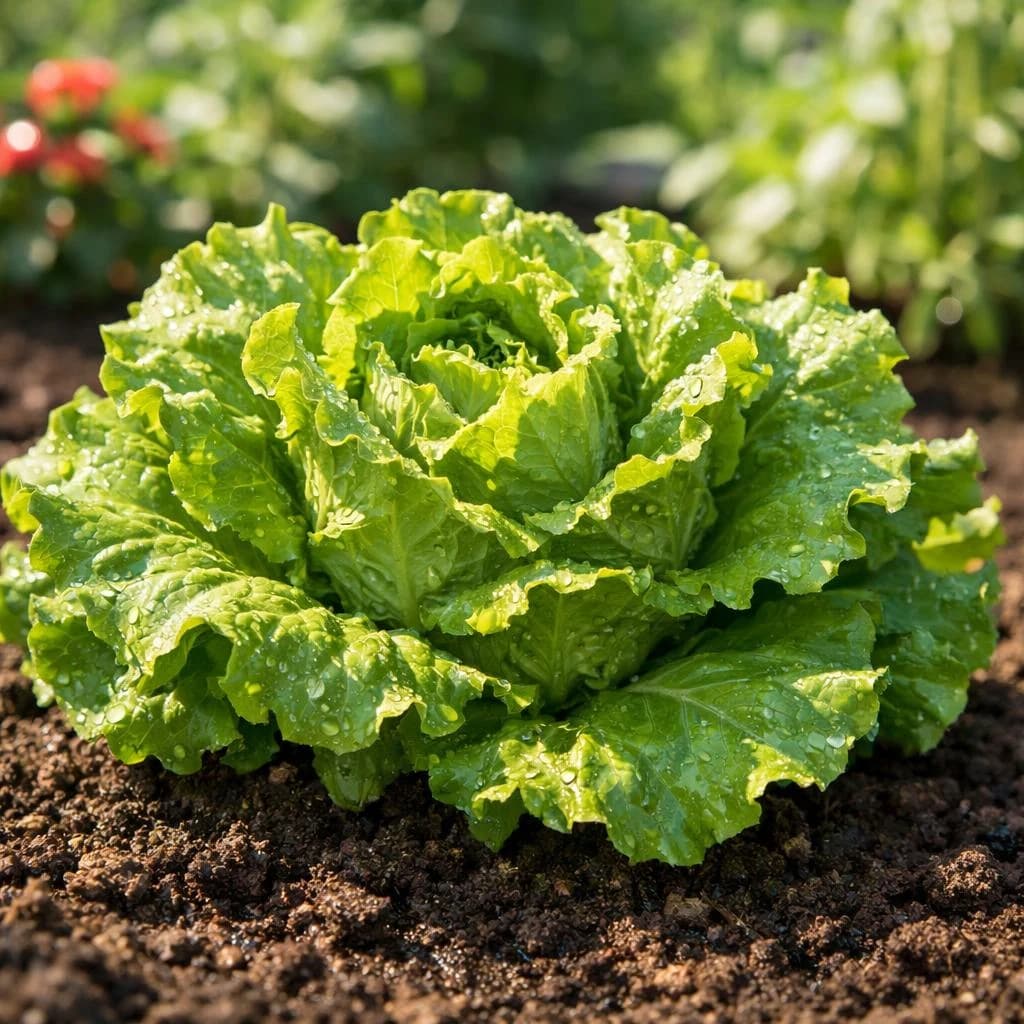
How to Start It
★ Recommended for beginners
Lettuce handles light frost, so start sowing about 4 weeks before your last spring frost. Sprinkle the seeds thinly 0.5 cm deep and barely cover them, since they like a little light to sprout. They sprout in 2 to 7 days: thin them (pull the extras so each has room) to 15 cm apart and eat the thinnings. Sow a short row every 2 weeks for a steady supply.
Lettuce loves cool weather: in summer heat it bolts (rushes to flower and turns bitter), and the seed often will not sprout in soil warmer than about 27°C (80°F). Sow in spring and again from late summer, and sow in a shady spot in midsummer. Leaf types grow back after cutting, while head types like Iceberg and Romaine are cut whole.
When To Start
First chance to plant
30 Days Before Last Frost
Last chance to plant
30 Days Before First Frost
When should you plant Lettuce?
Your planting dates depend on your local climate. Sign up and add your location to unlock personalized dates.
Your Lettuce Planting Window
Start planting
May 15, 2026
Last chance
Sep 10, 2026
Your Lettuce Calendar
Set your location to turn these into exact dates and reminders.
Sow lettuce outdoors, then a short row every 2 weeks
30 days before your last frost· every year
Pick lettuce leaves young, and cut heads when firm
30 days after your last frost· every year· optional
Did you water your lettuce seedlings today? Keep the top of the soil damp until they are up and growing.
About 1 days after you plant it
Time to thin the lettuce seedlings: snip the extras at soil level so each one has room to grow.
About 17 days after you plant it
Your lettuce is up and growing! Thin crowded seedlings so each plant has room to spread.
About 20 days after you plant it
Salad time is close! Pick the outer leaves first and let the centre keep growing.
About 34 days after you plant it
Picking time may be here: check your lettuce.
About 40 days after you plant it
The Journey Ahead
Lettuce's Lifecycle
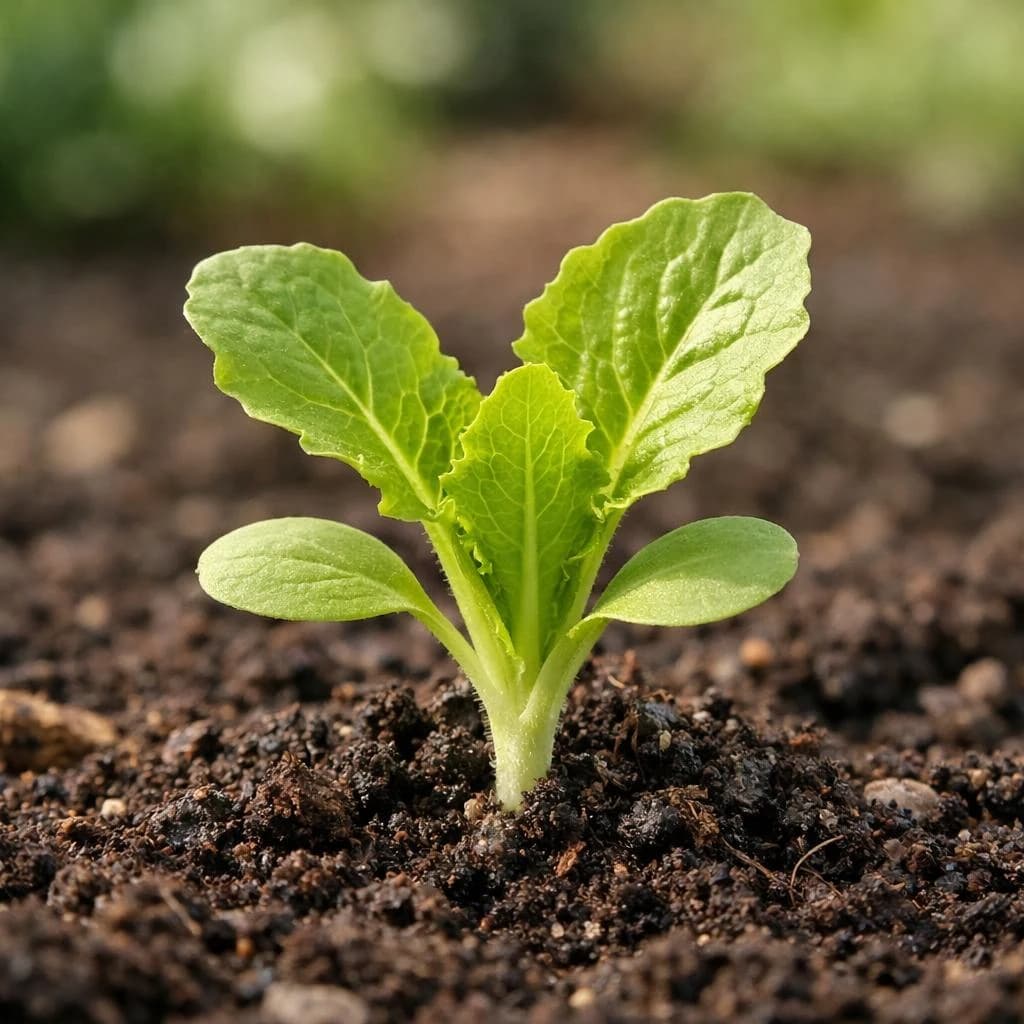
Seedling
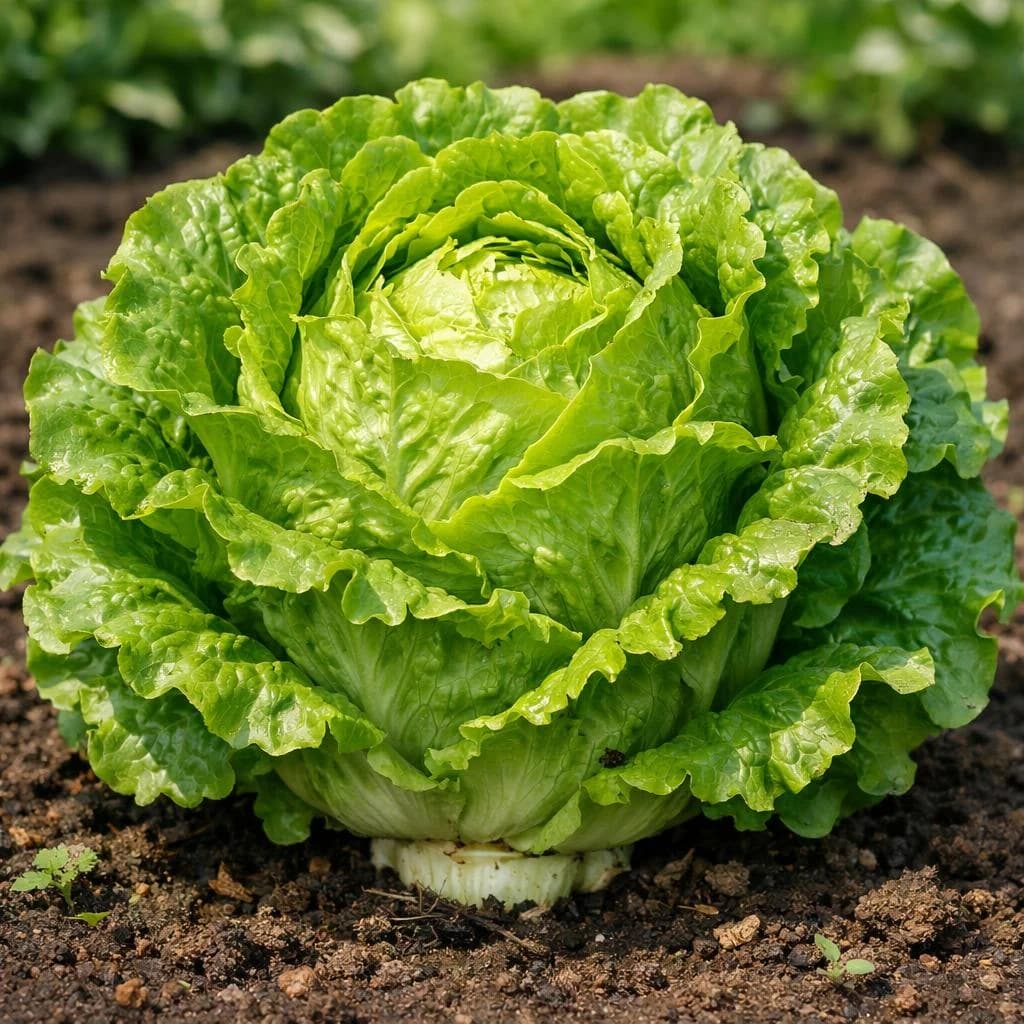
Mature Plant
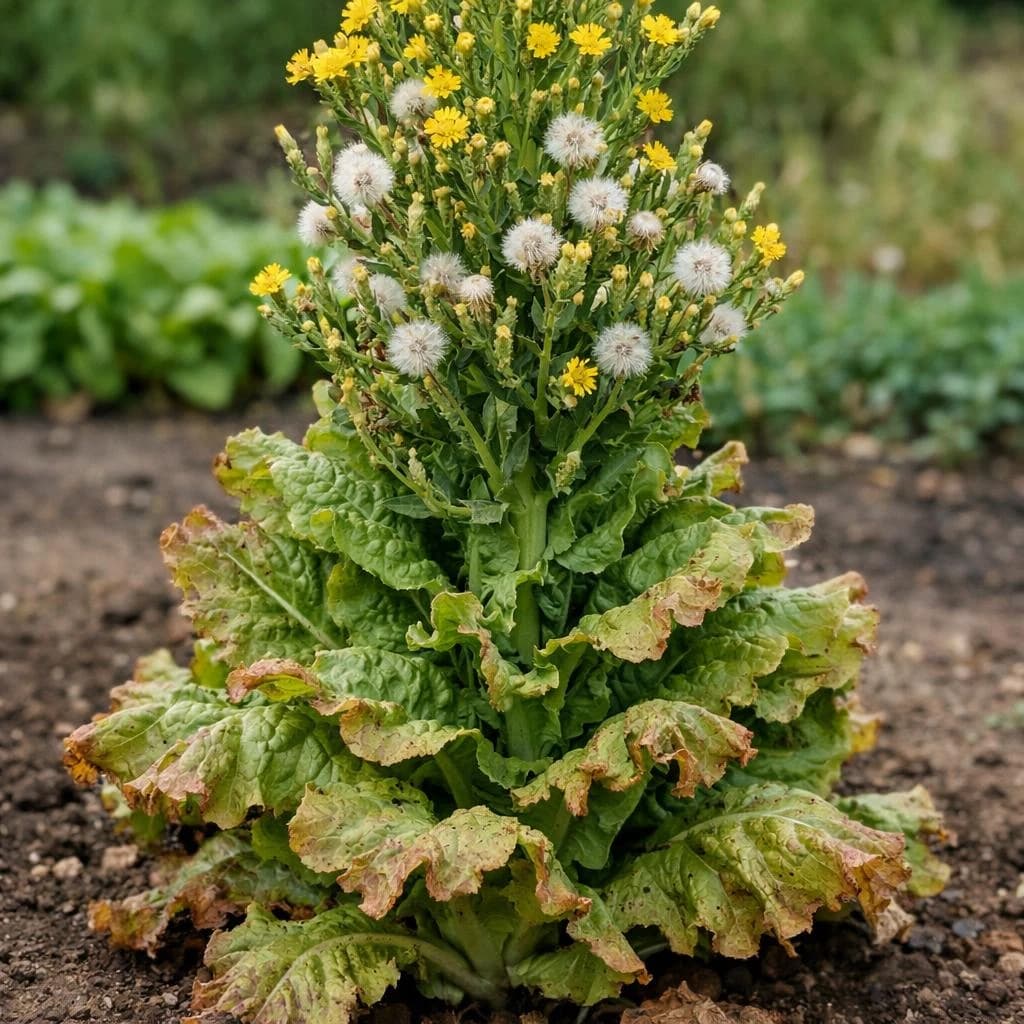
Seed Production
Step 2
Planting & Sprouting
Expect sprouts in 2–7 days
Growing Tips
- 1Grow lettuce in full sun in spring and fall, and give it afternoon shade in summer to slow bolting.
- 2Mix compost into the soil before sowing, as lettuce has small roots and needs soft, rich soil.
- 3Water lightly and often so the soil never dries out, since dry soil makes the leaves bitter.
- 4Feed with a little compost tea or worm castings every 2 to 3 weeks for fast, tender leaves.
- 5Spread mulch around the plants to keep the soil cool and moist.
- 6Pick slugs off by hand in the evening, spray aphids off with water, and cover young plants with row cover if birds or rabbits nibble them.
Seedling Phase
Step 3
Growth & Maturity
~40
Days to Maturity
17 cm
Mature Height
20 cm
Mature Width
Pests to Watch For
Diseases to Watch For
Mature Plant
Step 4
Harvesting
Harvest Window
45 days
When to Pick
Cut outer leaves often or harvest whole head
How to Harvest
- 1Start picking leaf lettuce when the leaves are about 10 cm long.
- 2Snap or cut off the outer leaves and leave the centre, so the plant keeps growing new ones.
- 3Or cut the whole plant 2 to 3 cm above the soil, and it will often grow back for a second cut.
- 4Cut head types like Buttercrunch, Iceberg and Romaine at the base when the heart feels firm.
- 5Pick in the morning when the leaves are crisp, and pull plants once they start to stretch up and taste bitter.
- 6Store unwashed leaves in a bag in the fridge, where they keep about a week.
Step 5
Saving Seeds
How to Save Seeds
Lettuce flowers pollinate themselves, so the seeds grow true as long as the variety is not a hybrid (hybrid F1 seeds will not), and keeping different varieties about 3 m apart is plenty. Leave one or two of your best plants to bolt; the stalks grow tall and open small yellow flowers. A couple of weeks later the flowers turn into white fluffy tufts, each with a few seeds. Shake the heads into a paper bag every few days, since they ripen a little at a time, then rub out the seeds and blow away the fluff. Dry them for a week and store them labelled in a cool, dark, dry place, where they keep about 3 years.
Seed Production
Still have a question?
Ask your coach about your lettuce.
This page covers what we thought to write down. Your lettuce will do something it never mentions, and that is the day a coach beats a guide. Ask Coach Lumen one question right now, free, no account.