How to Grow Rubber Plant
Rubber Plant At a Glance
Difficulty
Easy
Category
Houseplant
Sun Exposure
Full Sun
Frost Tolerance
Frost Tender
Cold Hardiness
Survives to 12°C
Plant Family
Moraceae
Growing Season
Year Round
Plant Lifecycle
Perennial
How to Start It
★ Recommended for beginners
In spring or summer, cut a 10 to 15 cm tip with 2 or 3 leaves, just below a leaf. Rinse off the milky sap, remove the lowest leaf, and stand the stem in water or moist potting mix somewhere warm and bright. It grows roots in a few weeks; pot it up once the roots are a few centimetres long.
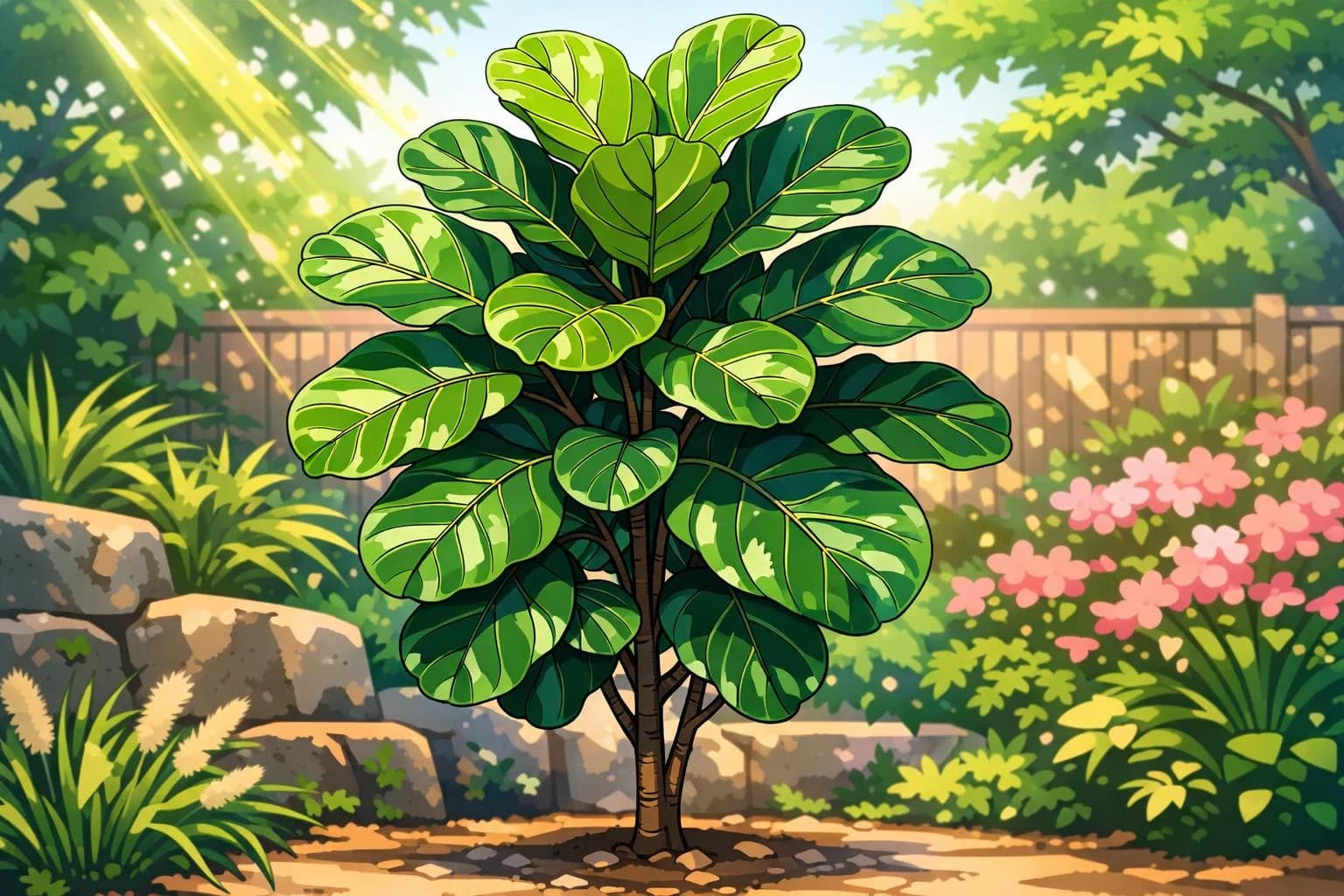
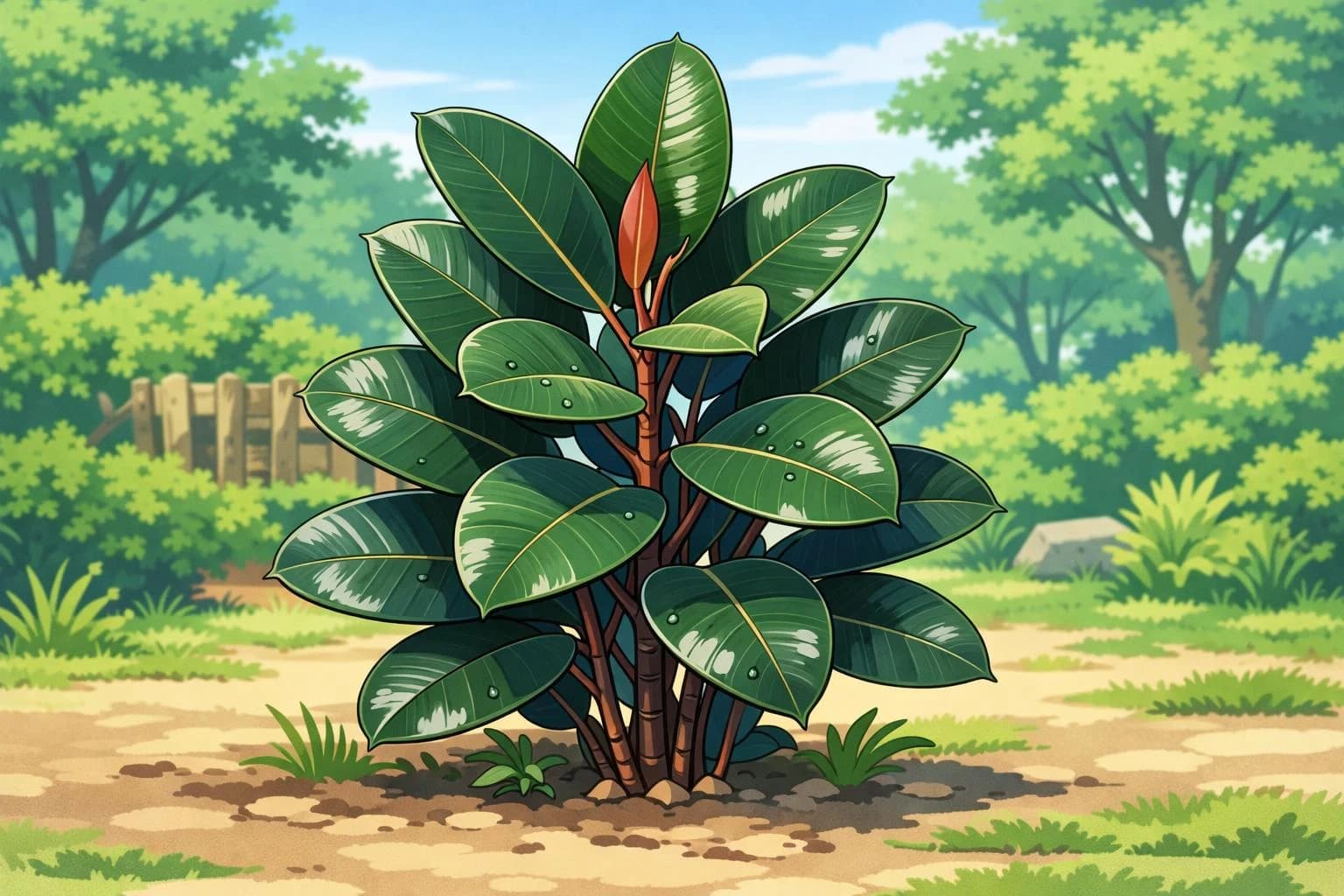
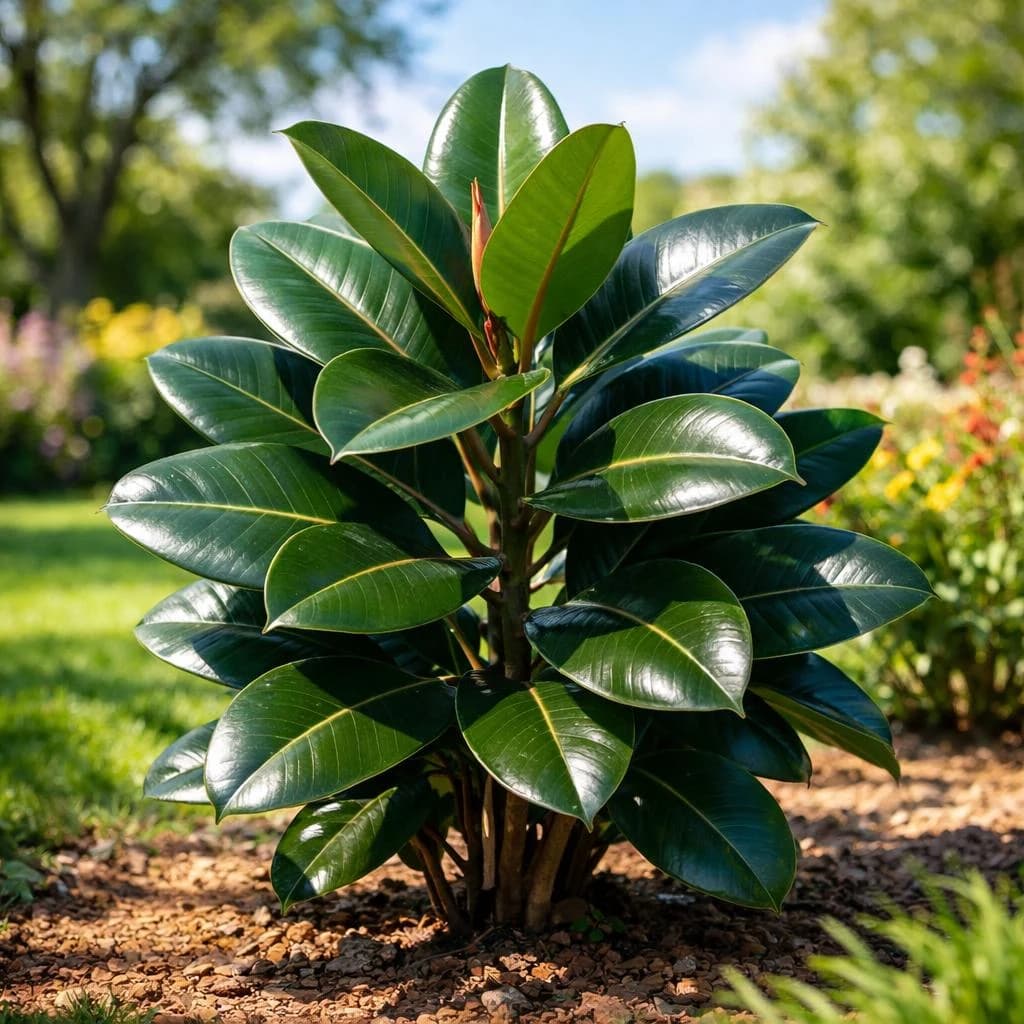
A rubber plant is an easy indoor tree with big, glossy leaves, and it forgives the odd missed watering. Pinching off the top makes it branch instead of growing as one tall stem.
When To Start
Rubber Plant grows all year in the right spot, so there is no window to wait for.
We do not have exact sowing dates for this one yet.
When should you plant Rubber Plant?
Your planting dates depend on your local climate. Sign up and add your location to unlock personalized dates.
Your Rubber Plant Planting Window
Start planting
May 15, 2026
Last chance
Sep 10, 2026
Your Rubber Plant Calendar
Set your location to turn these into exact dates and reminders.
Pot up your rubber plant and set it in bright, soft light
About 0 days after you plant it
See if your rubber plant needs a bigger pot this year
About 365 days after you plant it· every year· optional
Root a tip cutting of your rubber plant to make more
About 120 days after you plant it· every year· optional
Check the soil of your rubber plant: water when the top 3 cm feel dry.
About 7 days after you plant it
Hi there! Water your rubber plant when the top few cm of soil feel dry, and keep it in bright, indirect light.
About 30 days after you plant it
Your rubber plant is settling in. Wipe its big leaves with a damp cloth so they stay shiny and catch more light.
About 90 days after you plant it
The Journey Ahead
Rubber Plant's Lifecycle
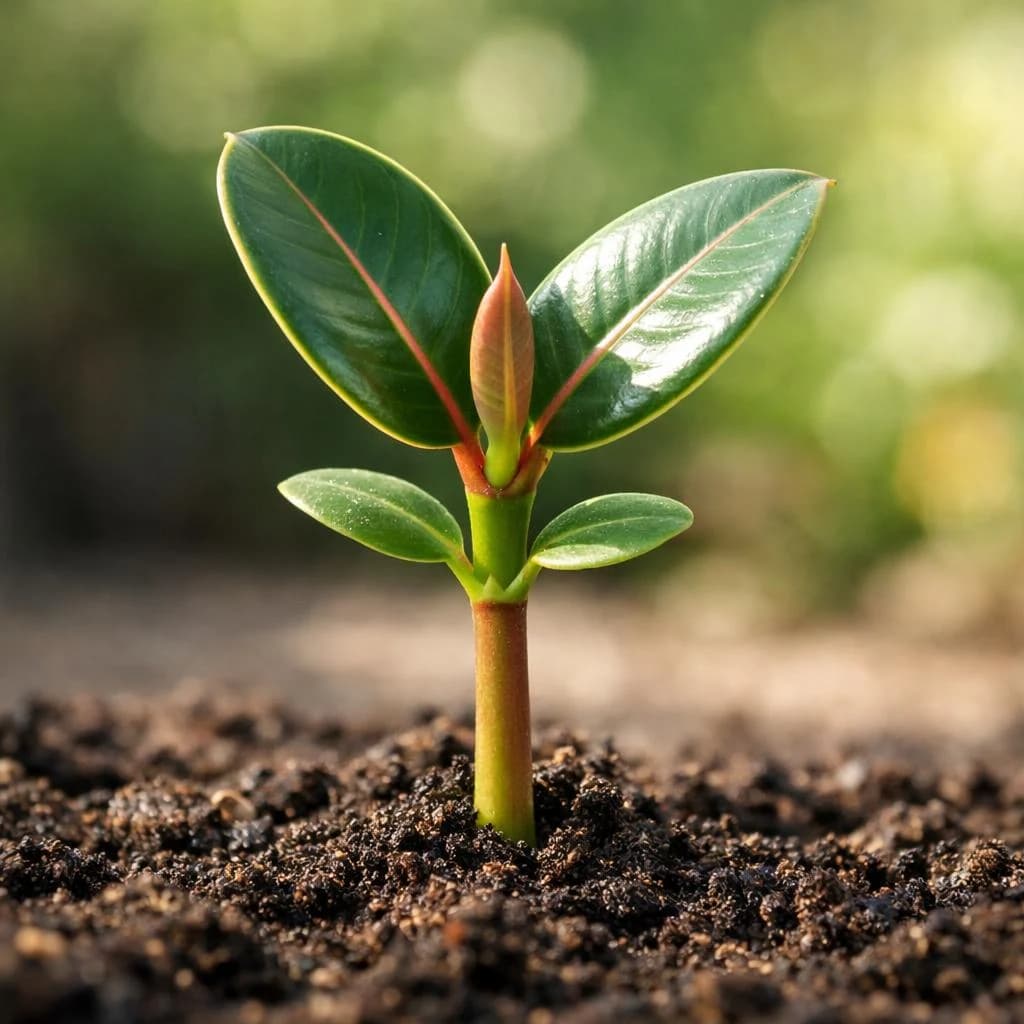
Seedling

Mature Plant

Seed Production
Step 1
Prepare Your Space
Vertical Growing
No.
Succession Planting
No.
Good Companions
Bad Companions
Step 2
Planting & Sprouting
Growing Tips
- 1Give it bright light that does not hit it directly, since dark red kinds lose their colour in low light.
- 2Grow it in a well drained potting mix, in a pot with a drainage hole.
- 3Water when the top few centimetres of mix are dry, because yellow, dropping leaves usually mean too much water.
- 4Feed with a little compost tea or worm castings once a month in spring and summer.
- 5Wipe the big leaves with a damp cloth every few weeks so they stay glossy, which also clears off small bugs like spider mites.
- 6Keep it away from cold drafts below about 12°C, and out of reach of pets, since its milky sap irritates skin and is poisonous to cats and dogs.
Seedling Phase
Step 3
Growth & Maturity
250 cm
Mature Height
100 cm
Mature Width
Pests to Watch For
Diseases to Watch For
Mature Plant
Step 4
Harvesting
How to Harvest
- 1Pinch or cut off the top of the main stem in spring if you want a bushier plant.
- 2Wear gloves and wipe up the milky sap that drips from any cut.
- 3Remove yellow or damaged leaves where they meet the stem.
- 4Turn the pot a quarter turn every few weeks so the plant grows straight.
- 5Every year or two in spring, move it into a pot one size larger with fresh mix.
Step 5
Saving Seeds
Seed Production
Still have a question?
Ask your coach about your rubber plant.
This page covers what we thought to write down. Your rubber plant will do something it never mentions, and that is the day a coach beats a guide. Ask Coach Lumen one question right now, free, no account.