How to Grow Philodendron
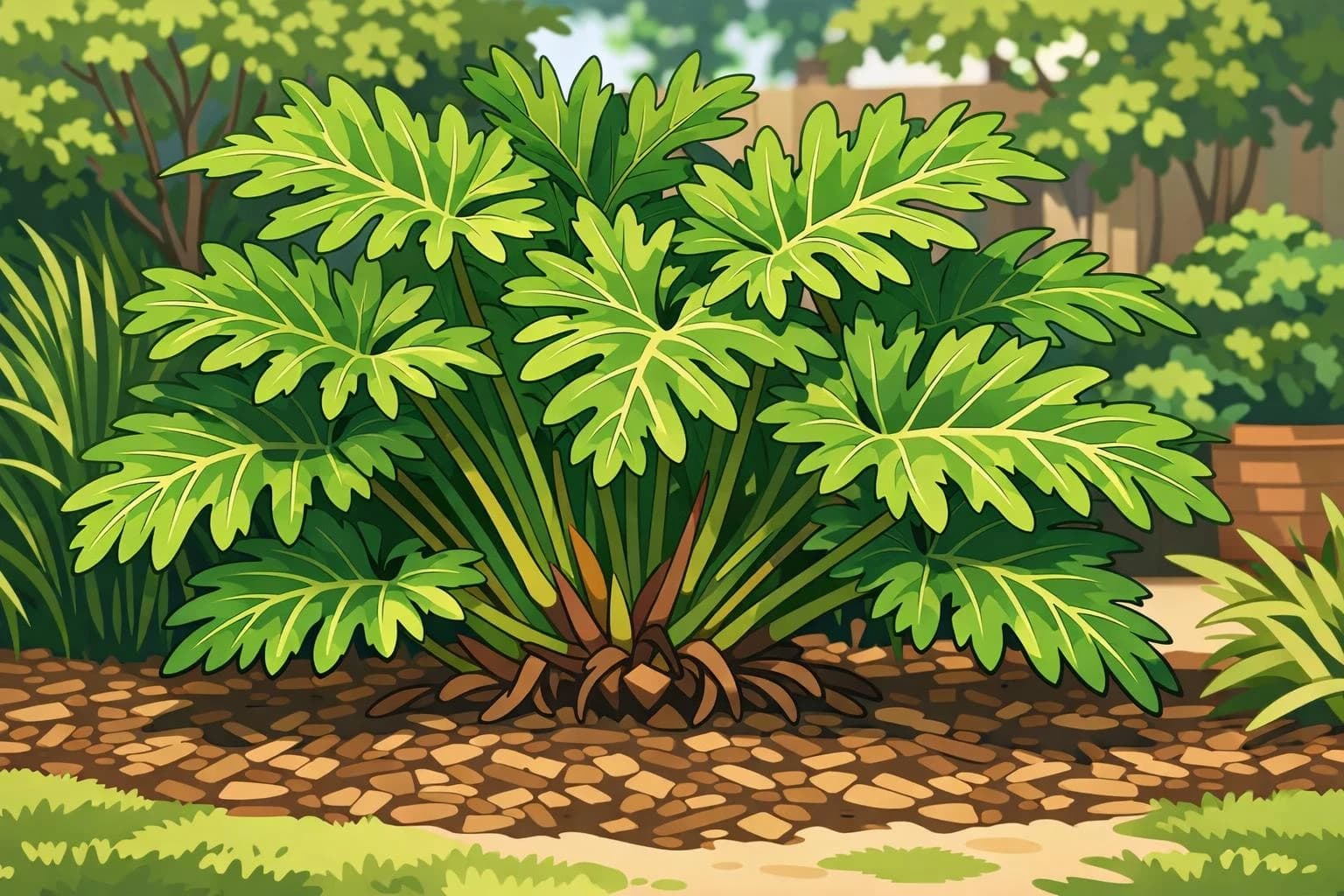
Philodendron At a Glance
Difficulty
Easy
Category
Houseplant
Sun Exposure
Partial Shade
Frost Tolerance
Frost Tender
Cold Hardiness
Survives to 12°C
Plant Family
Araceae
Growing Season
Year Round
Plant Lifecycle
Perennial
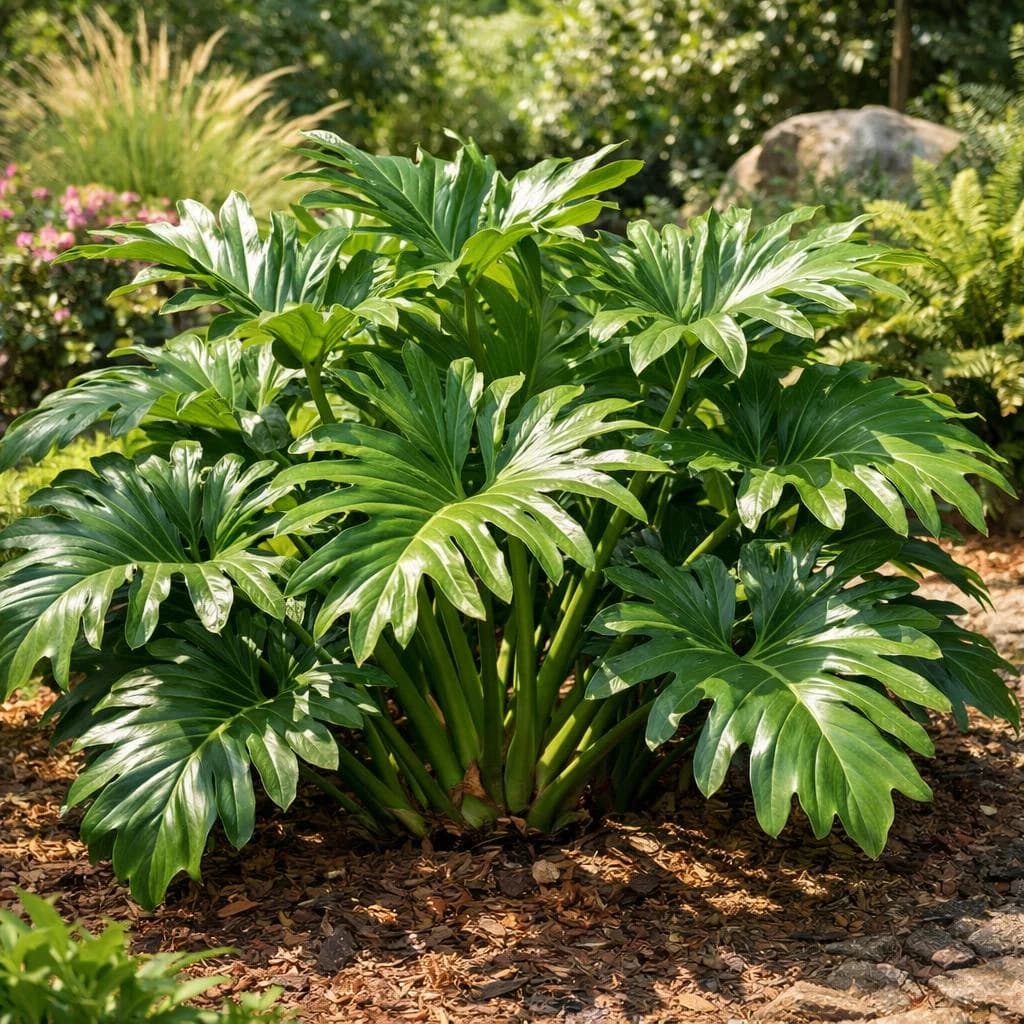
How to Start It
★ Recommended for beginners
Cut a piece of stem with 2 or 3 leaves, just below a node (the bump where a leaf joins the stem). Stand it in a glass of water on a bright windowsill, and roots grow from the node in a few weeks. Once the roots are a few cm long, pot it in moist potting mix.
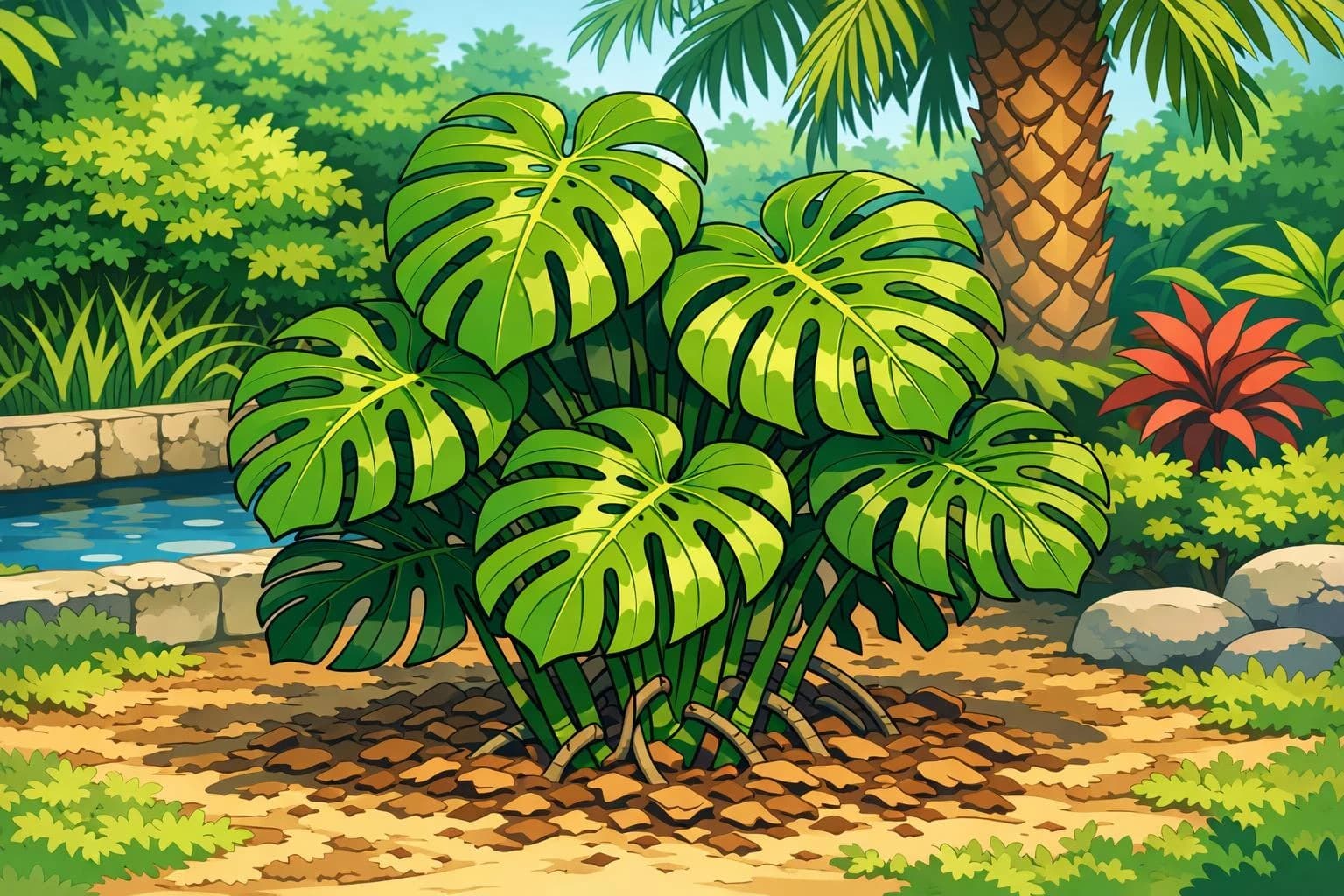
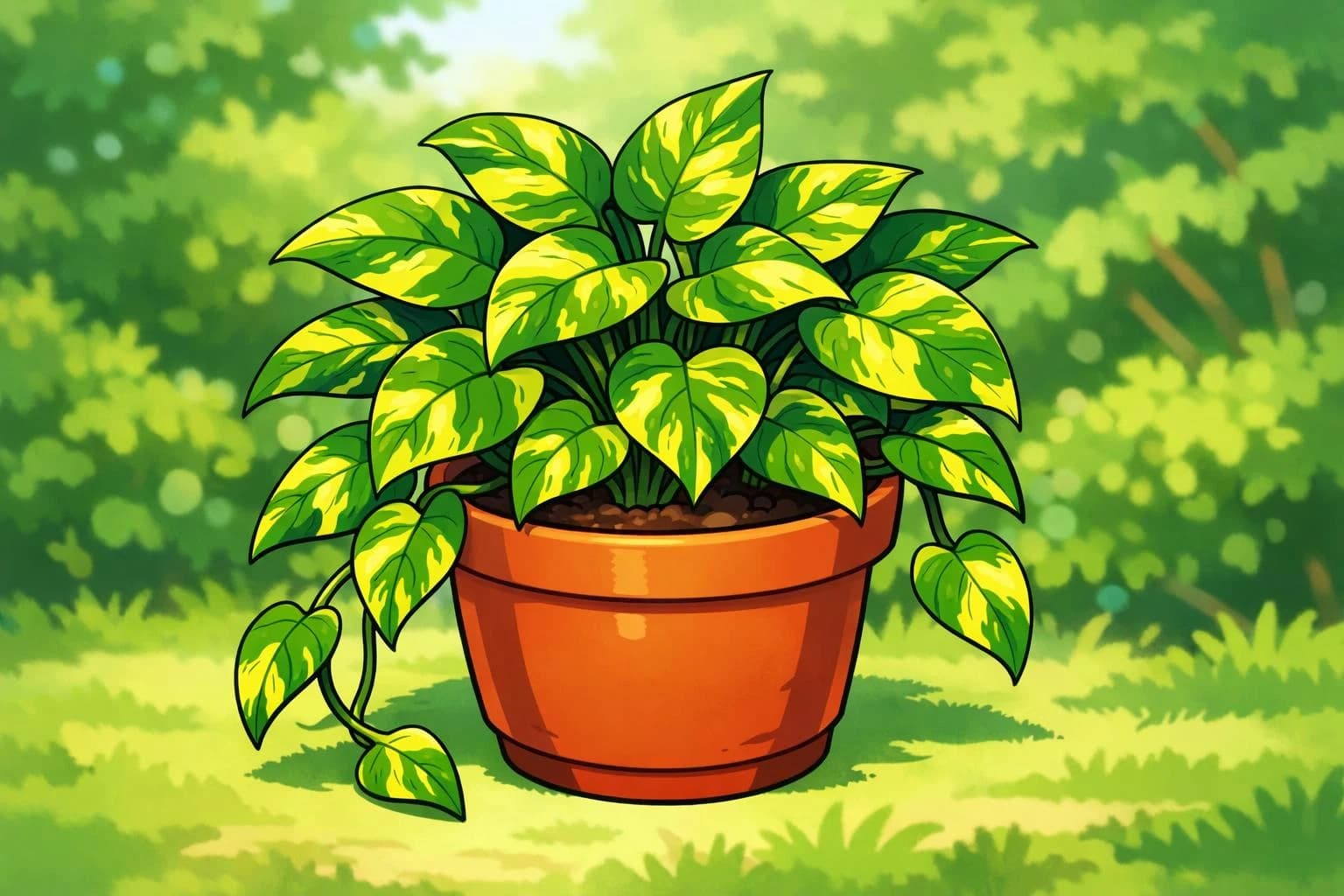
Philodendrons range from trailing heartleaf types to big upright plants, and nearly all are easy, forgiving houseplants. They like warmth, so keep them where the room stays above about 12°C.
When To Start
Philodendron grows all year in the right spot, so there is no window to wait for.
We do not have exact sowing dates for this one yet.
When should you plant Philodendron?
Your planting dates depend on your local climate. Sign up and add your location to unlock personalized dates.
Your Philodendron Planting Window
Start planting
May 15, 2026
Last chance
Sep 10, 2026
Your Philodendron Calendar
Set your location to turn these into exact dates and reminders.
Pot up your philodendron in bright, indirect light
About 0 days after you plant it
Check if your philodendron needs a bigger pot
About 365 days after you plant it· every year· optional
Root philodendron stem cuttings in water to make more
About 120 days after you plant it· every year· optional
Check the soil of your philodendron: water when the top 3 cm feel dry.
About 7 days after you plant it
Hello, plant friend! Let the top few cm of soil dry out before you water your philodendron again.
About 30 days after you plant it
Your philodendron is settling in. Wipe the dust off its leaves now and then so they can soak up more light.
About 90 days after you plant it
The Journey Ahead
Philodendron's Lifecycle
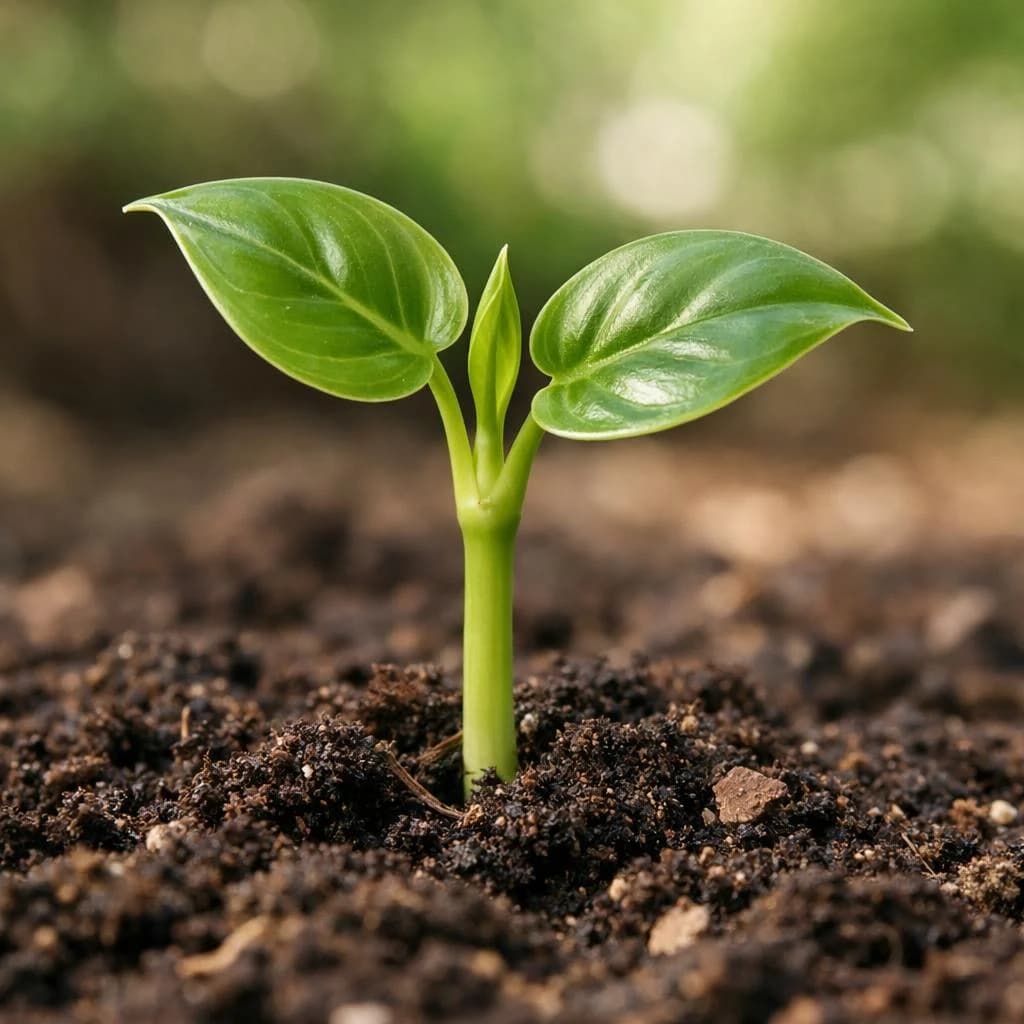
Seedling

Mature Plant

Seed Production
Step 1
Prepare Your Space
Vertical Growing
Yes: trailing types hang; climbing types take a moss pole.
Succession Planting
No.
Good Companions
Bad Companions
Step 2
Planting & Sprouting
Growing Tips
- 1Give philodendrons bright light without direct sun, since low light makes them grow long and sparse.
- 2Pot them in a light, airy potting mix with a little compost, in a pot with drainage holes.
- 3Water when the top 2 to 3 cm of mix are dry, since they handle a missed watering better than soggy soil.
- 4Feed with compost tea or a sprinkle of worm castings once a month in spring and summer.
- 5Give climbing types a moss pole to grow up for bigger leaves, and pinch trailing stems to keep them full.
- 6Wipe dusty leaves with a damp cloth, and look under them for mealybugs (white cottony specks), which you can wipe away.
- 7Every part of the plant can burn the mouth and upset the stomach, so keep it away from pets and small children.
Seedling Phase
Step 3
Growth & Maturity
150 cm
Mature Height
80 cm
Mature Width
Pests to Watch For
Diseases to Watch For
Mature Plant
Step 4
Harvesting
How to Harvest
- 1There is nothing to eat on a philodendron, so its care is a little tidying.
- 2Pull off yellow leaves at the base.
- 3Trim long, bare trailing stems back to just above a leaf, and new shoots will fill in.
- 4Root the pieces you cut off to make new plants.
- 5Move it to a pot one size bigger every year or two in spring, once roots circle the bottom or poke out of the holes.
Step 5
Saving Seeds
Seed Production
Still have a question?
Ask your coach about your philodendron.
This page covers what we thought to write down. Your philodendron will do something it never mentions, and that is the day a coach beats a guide. Ask Coach Lumen one question right now, free, no account.