How to Grow Rhubarb
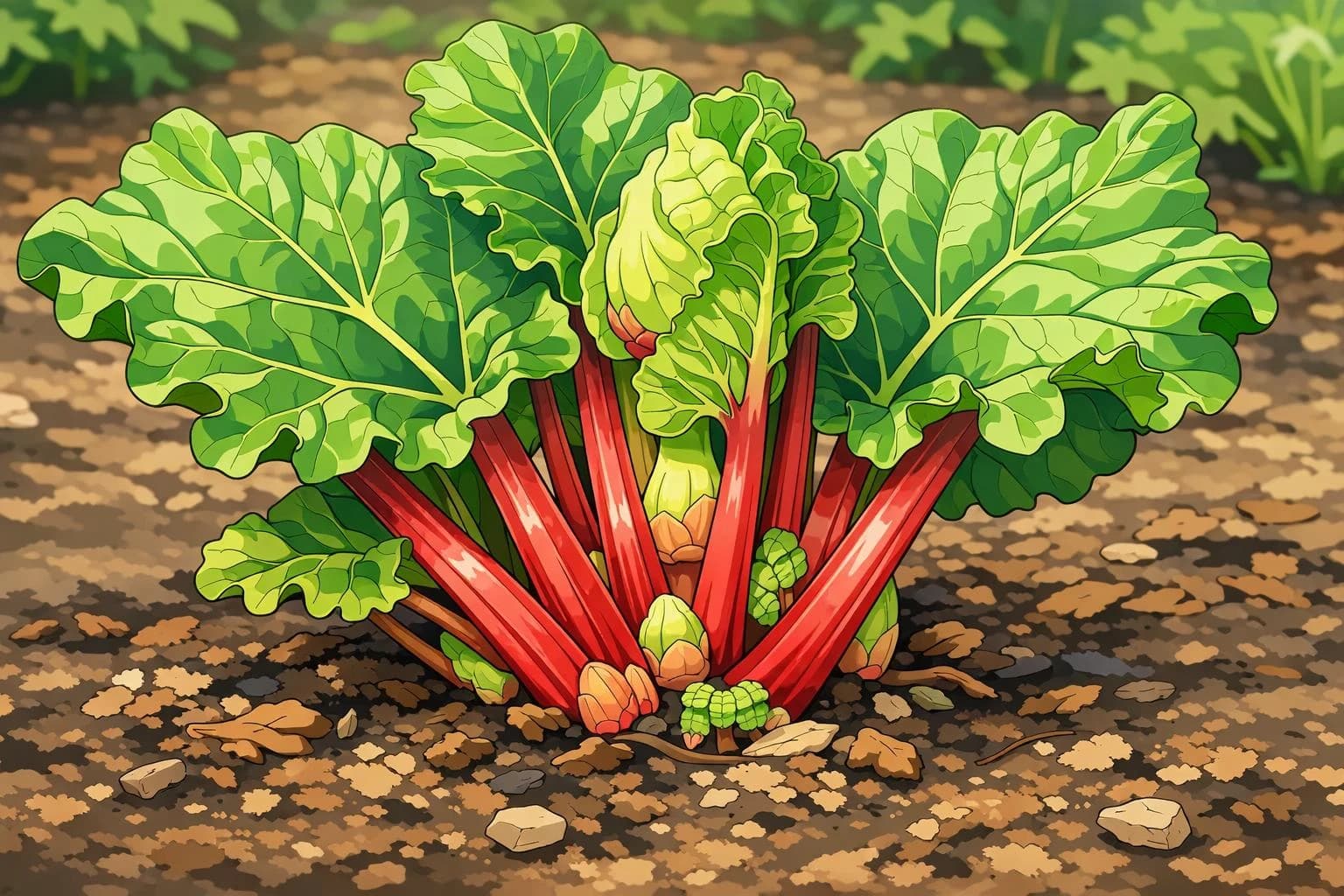
Rhubarb At a Glance
Difficulty
Easy
Category
Vegetable
Sun Exposure
Full Sun
Frost Tolerance
Frost Hardy
Cold Hardiness
Survives to -34°C
Plant Family
Polygonaceae
Growing Season
Cool Season
Plant Lifecycle
Perennial
How to Start It
★ Recommended for beginners
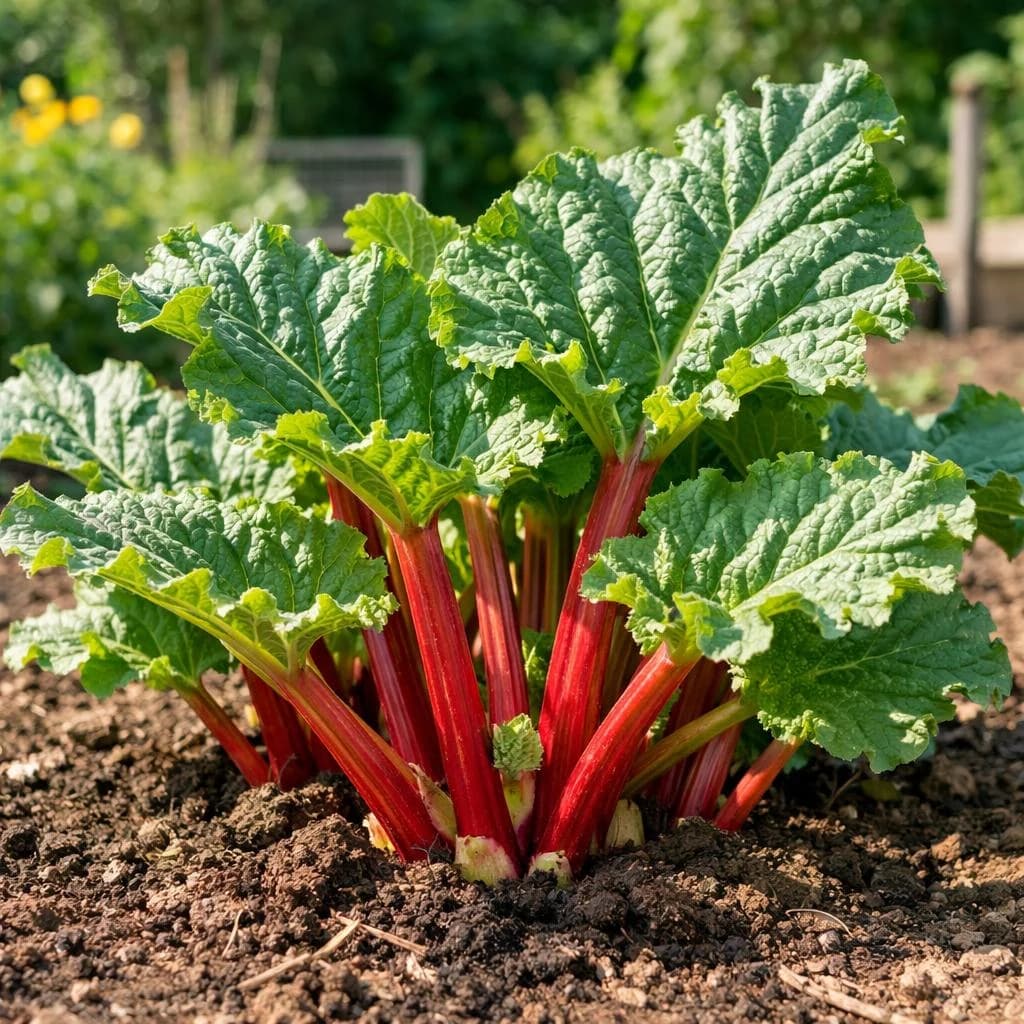
A crown is a piece of root with one or more fat buds, sold by nurseries or split off a friend's plant. Plant it in early spring, about 2 weeks before your last frost, with the buds just at the soil surface and 90 cm of room around it. Water it in well and mulch around it, but never bury the buds.
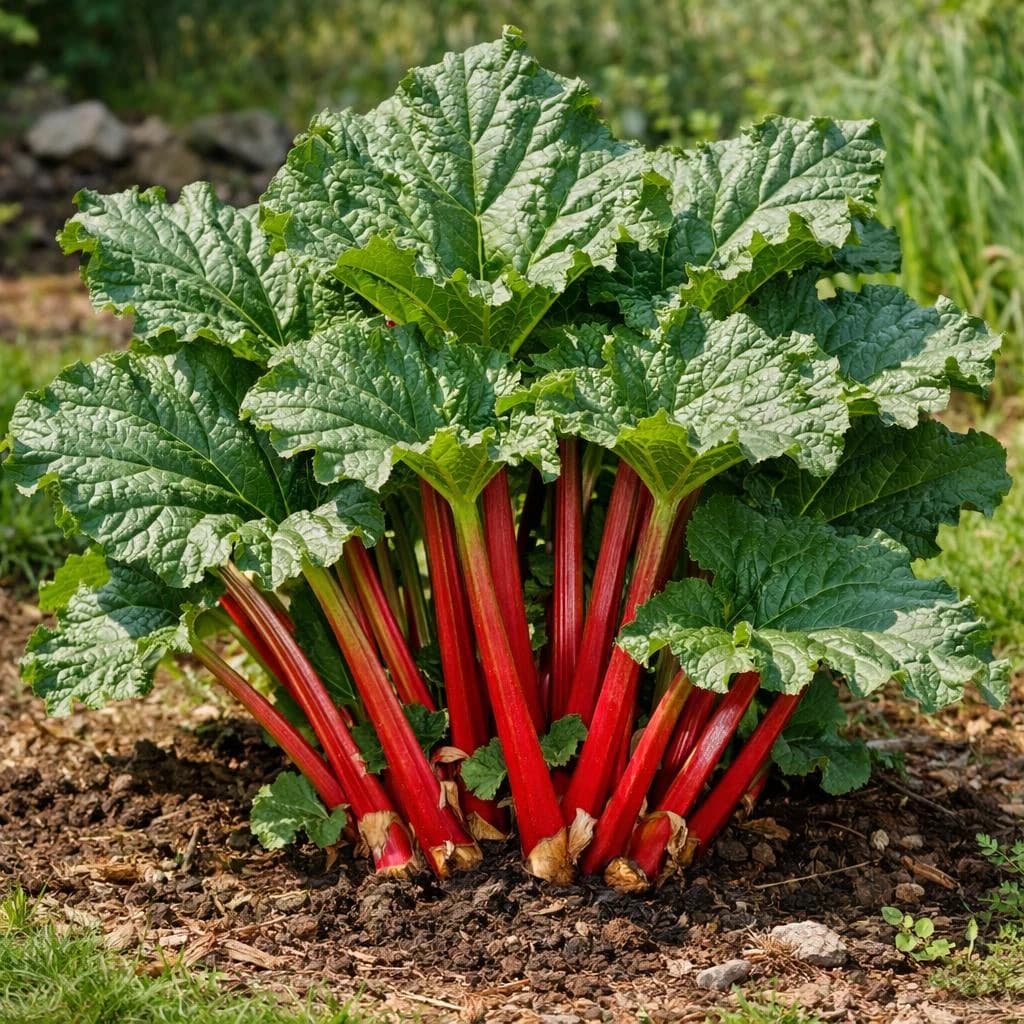
Rhubarb is one of the toughest, longest-lived plants in the garden, coming back for 10 years or more, and it loves our cold winters. Only the stalks are eaten: the leaves are poisonous.
When To Start
Rhubarb likes cool weather. Sow it in early spring, as soon as the ground can be worked.
We do not have exact sowing dates for this one yet.
When should you plant Rhubarb?
Your planting dates depend on your local climate. Sign up and add your location to unlock personalized dates.
Your Rhubarb Planting Window
Start planting
May 15, 2026
Last chance
Sep 10, 2026
Your Rhubarb Calendar
Set your location to turn these into exact dates and reminders.
Plant your rhubarb crown with the buds at soil level
2 weeks before your last frost
Pull rhubarb stalks from year 2 and compost the leaves
30 days after your last frost· every year
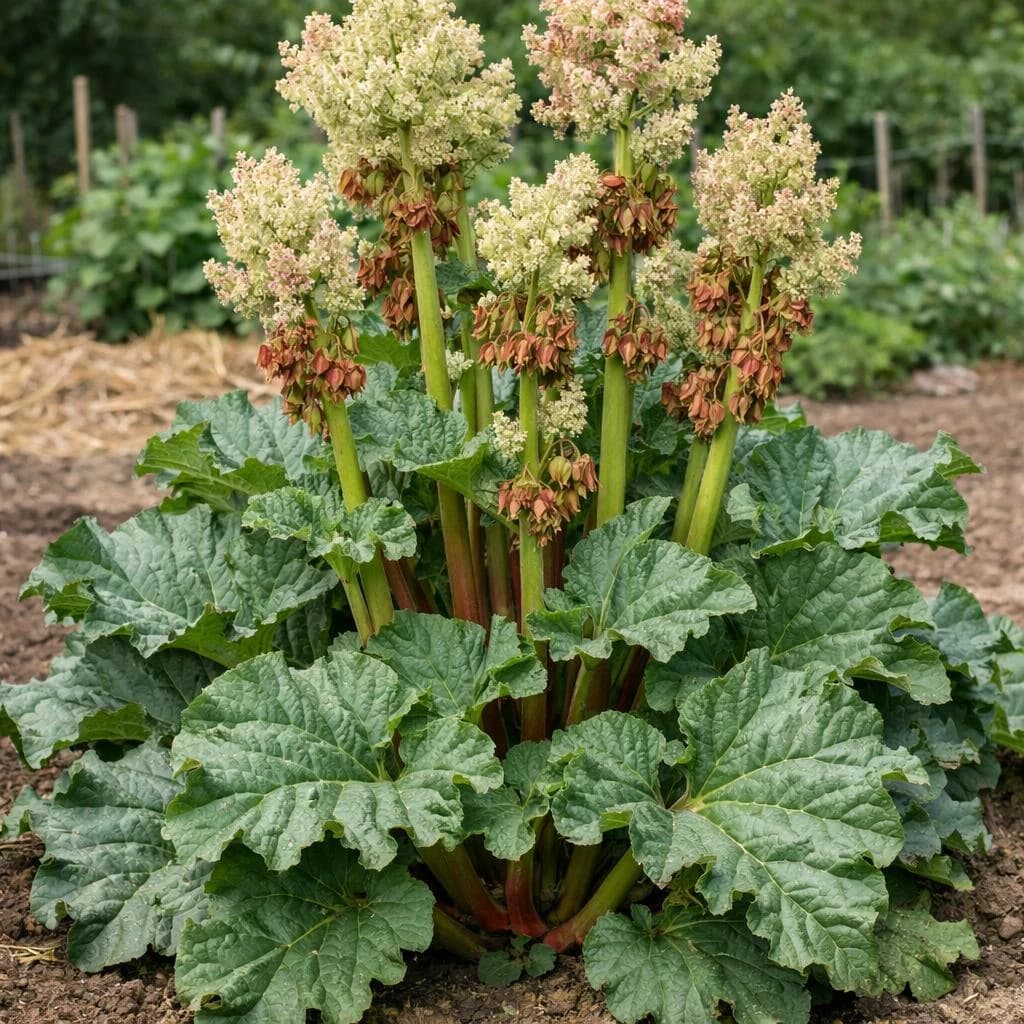
Cut off any rhubarb flower stalks at the base
60 days after your last frost· every year· optional
Water your new rhubarb plants well while they settle in. Deep and slow is best.
About 1 days after you plant it
Your rhubarb crown is waking up! Keep the soil moist, and let the stalks grow this first year so the plant gets strong.
About 30 days after you plant it
How is your rhubarb? If a tall flower stalk shows up, cut it off at the base so the plant puts its energy into roots.
About 90 days after you plant it
The Journey Ahead
Rhubarb's Lifecycle
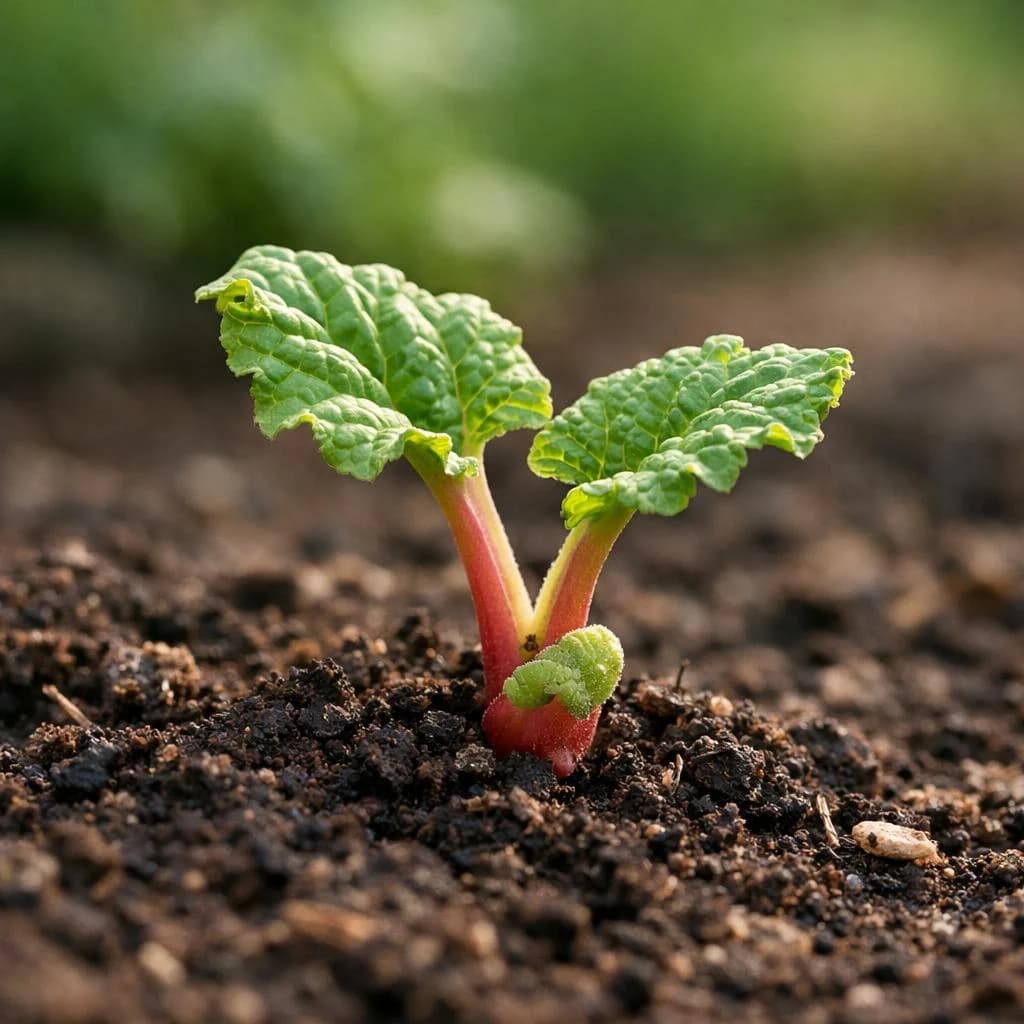
Seedling
Mature Plant
Seed Production
Step 2
Planting & Sprouting
Growing Tips
- 1Plant rhubarb in full sun, or in part shade where summers are hot.
- 2Give it rich soil with plenty of compost or well-rotted manure, since it is a hungry plant that stays for years.
- 3Water deeply in dry spells, especially in its first year.
- 4Spread a thick layer of compost around the plant each spring, keeping it off the buds.
- 5Cut off flower stalks at the base as soon as they appear, so the plant puts its energy into leaves and stalks.
- 6Rhubarb leaves are poisonous to people and pets, so put them in the compost and keep children and animals from chewing them.
Seedling Phase
Step 3
Growth & Maturity
90 cm
Mature Height
120 cm
Mature Width
Pests to Watch For
Diseases to Watch For
Mature Plant
Step 4
Harvesting
Harvest Window
56 days
When to Pick
Don't pick year 1; from year 2 pull stalks spring to early summer
How to Harvest
- 1Do not pick in the first year, so the plant can build strong roots.
- 2In the second spring, pull just a few stalks, and from the third year on, pick for about 8 weeks.
- 3Choose stalks about 30 cm long, grip each one near the base and pull it with a twist instead of cutting it.
- 4Take no more than a third of the stalks at once, and stop by early summer so the plant can rebuild.
- 5Cut the leaves off right away, then keep the stalks in a bag in the fridge for up to 2 weeks, or chop and freeze them.
Step 5
Saving Seeds
Seed Production
Still have a question?
Ask your coach about your rhubarb.
This page covers what we thought to write down. Your rhubarb will do something it never mentions, and that is the day a coach beats a guide. Ask Coach Lumen one question right now, free, no account.