How to Grow Statice
Statice At a Glance
Difficulty
Easy
Category
Flower
Sun Exposure
Full Sun
Frost Tolerance
Frost Hardy
Cold Hardiness
Survives to -7°C
Plant Family
Plumbaginaceae
Growing Season
Warm Season
Plant Lifecycle
Annual
How to Start It
★ Recommended for beginners
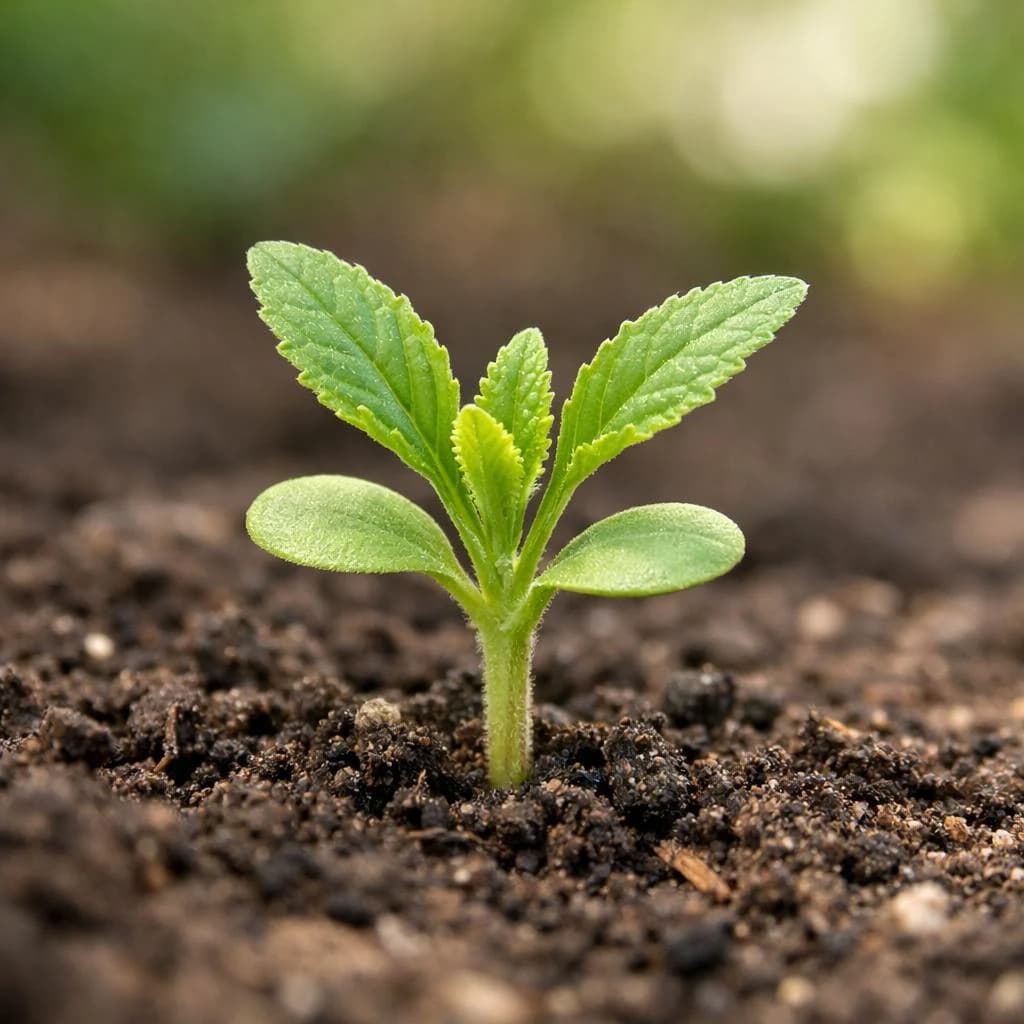
Statice is slow to bloom from seed, so starting it indoors about 8 weeks before your last frost gives you many more weeks of flowers in a short summer. Sow 2 to 3 seeds per small pot, cover them very lightly (0.5 cm at most) and keep them warm: they sprout slowly, in 14 to 21 days. Plant them out 30 cm apart about 1 week after your last frost. Before planting out, set the pots outside in a sheltered spot for a few hours a day, a little longer each day for about a week, so they toughen up (this is called hardening off).
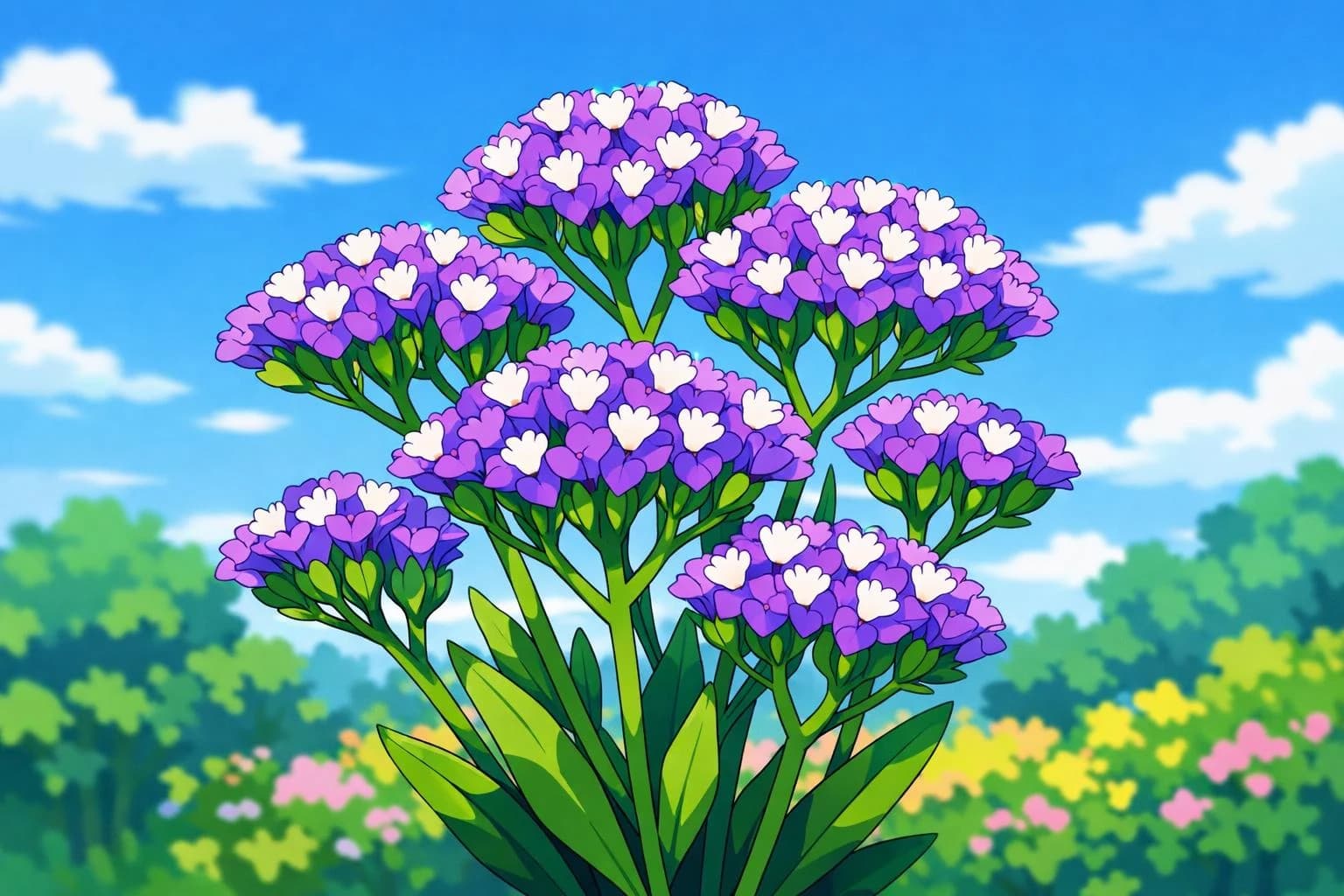
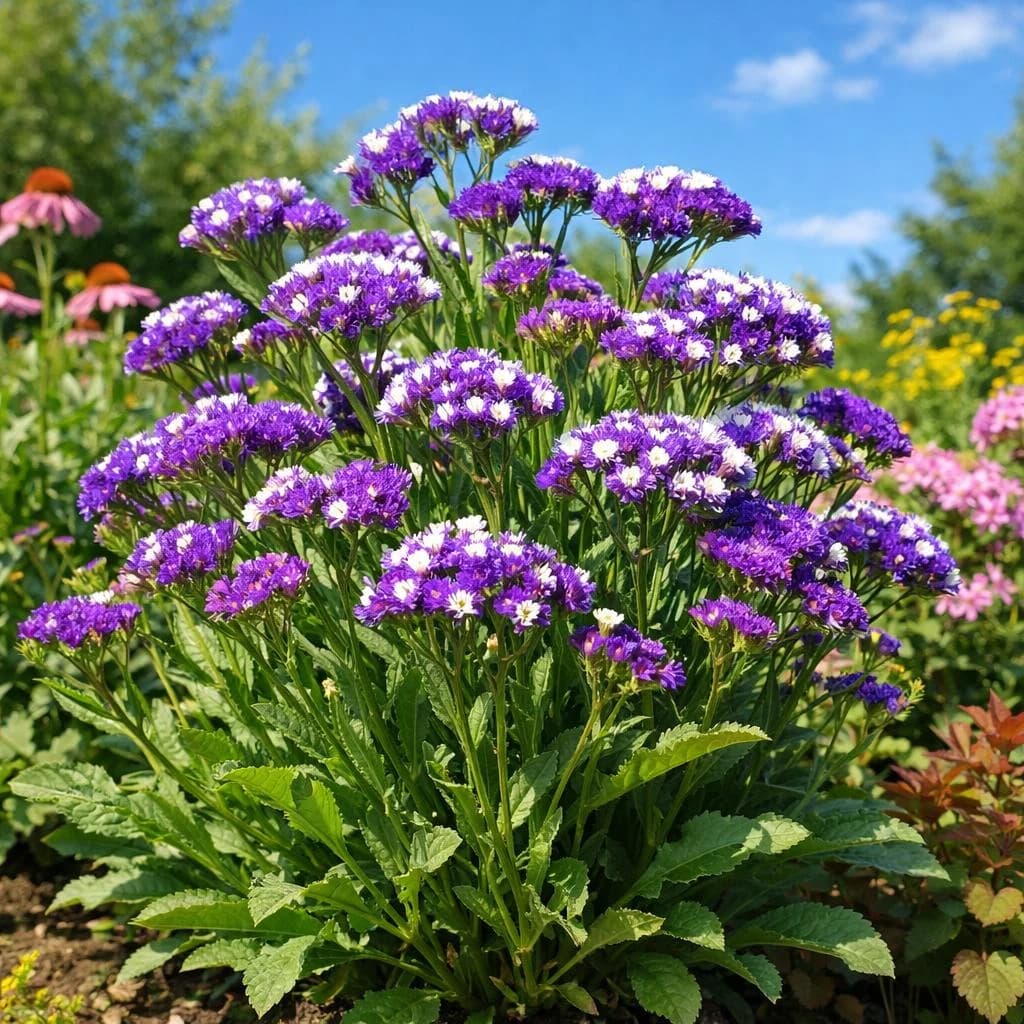
Statice grows clusters of papery flowers on winged stems that hold their colour for years once dried. It is a tough seaside plant that copes with heat, dry spells, poor sandy soil and even salt spray. Bees and butterflies visit the fresh flowers all summer.
When To Start
Statice needs warmth. Wait until your last frost has passed and the soil has warmed before sowing.
We do not have exact sowing dates for this one yet.
When should you plant Statice?
Your planting dates depend on your local climate. Sign up and add your location to unlock personalized dates.
Your Statice Planting Window
Start planting
May 15, 2026
Last chance
Sep 10, 2026
Your Statice Calendar
Set your location to turn these into exact dates and reminders.
Start statice seeds indoors now, they sprout slowly
8 weeks before your last frost· every year
Plant statice out in full sun and fast-draining soil
1 week after your last frost· every year
Cut statice when fully coloured and hang it to dry
90 days after your last frost· every year· optional
Start hardening off your statice seedlings: an hour outside today, a little longer each day.
3 days before your last frost
Water your new statice plants well while they settle in. Deep and slow is best.
About 1 days after you plant it
How is your statice doing? Give the young plants plenty of sun, they are slow but steady.
About 30 days after you plant it
Checking in on your statice. Water at the base and let the soil dry a little between waterings.
About 90 days after you plant it
The Journey Ahead
Statice's Lifecycle
Seedling
Mature Plant
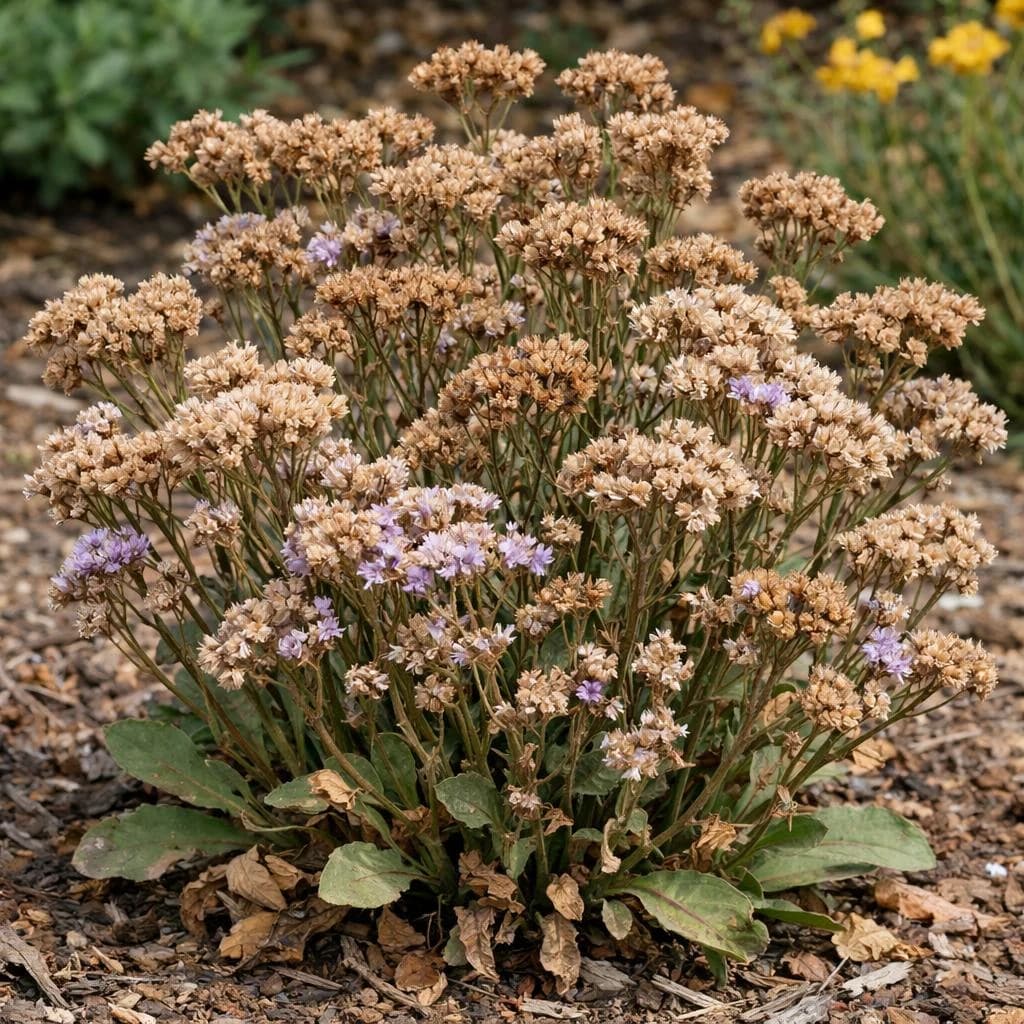
Seed Production
Step 1
Prepare Your Space
0.5 cm
Seeding Depth
30 cm
Plant Spacing
30 cm
Row Spacing
Vertical Growing
No.
Succession Planting
No.
Good Companions
Bad Companions
Step 2
Planting & Sprouting
Expect sprouts in 14–21 days
Growing Tips
- 1Give statice full sun, at least 6 to 8 hours a day.
- 2Plant it in sandy or gritty soil that drains fast, with only a little compost, since rich, wet soil makes it rot.
- 3Water young plants until they settle in, then only in long dry spells.
- 4It needs no extra feeding beyond that little bit of compost at planting.
- 5Keep the leaves dry and give the plants room for air to move, since rot at the base of the stems is its main problem in wet weather.
- 6Wash aphids off with a spray of water.
Seedling Phase
Step 3
Growth & Maturity
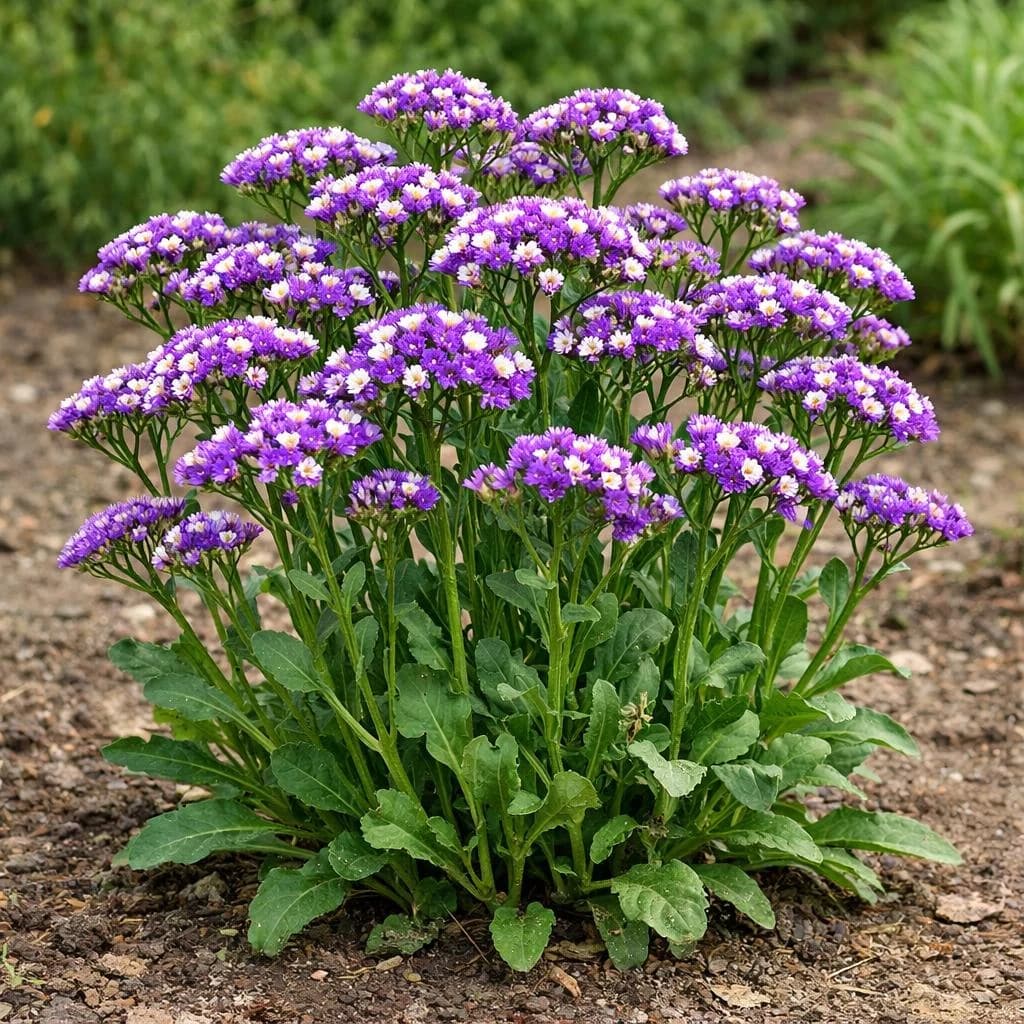
60 cm
Mature Height
30 cm
Mature Width
Pests to Watch For
Diseases to Watch For
Mature Plant
Step 4
Harvesting
When to Pick
Blooms midsummer onwards; excellent fresh and one of the best for drying
How to Harvest
- 1Cut stems for drying when most of the tiny flowers in a cluster are open and fully coloured.
- 2Cut the stems long, right at the base, and strip off the leaves.
- 3Tie small bunches and hang them upside down in a warm, dark, airy spot for about 2 weeks, until the stems snap.
- 4Dried statice keeps its colour for a year or more in arrangements.
- 5Keep cutting all summer, since picking makes the plants send up more stems.
Step 5
Saving Seeds
Seed Production
Still have a question?
Ask your coach about your statice.
This page covers what we thought to write down. Your statice will do something it never mentions, and that is the day a coach beats a guide. Ask Coach Lumen one question right now, free, no account.