How to Grow Begonia
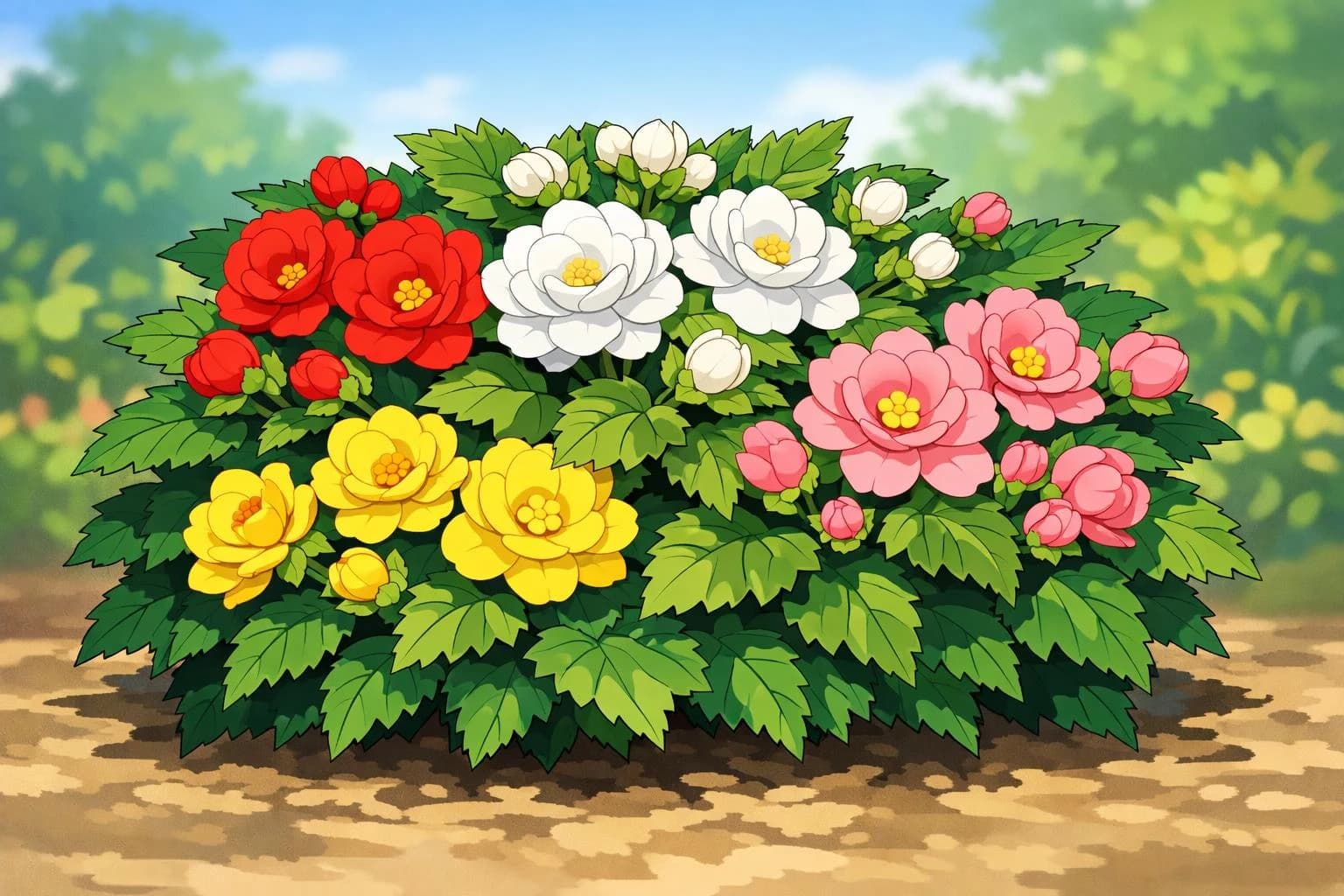
Begonia At a Glance
Difficulty
Moderate
Category
Flower
Sun Exposure
Partial Shade
Frost Tolerance
Frost Tender
Cold Hardiness
Survives to 5°C
Plant Family
Begoniaceae
Growing Season
Warm Season
Plant Lifecycle
Perennial
How to Start It
★ Recommended for beginners
About 8 weeks before your last frost, press each tuber hollow side up (that is where the shoots come from) into a shallow tray of damp potting mix, with the top just showing. Keep it warm and bright and the mix barely damp until shoots appear, then move each one to its own pot. Plant them out about 2 weeks after the last frost, 25 cm apart, in shade or part shade.
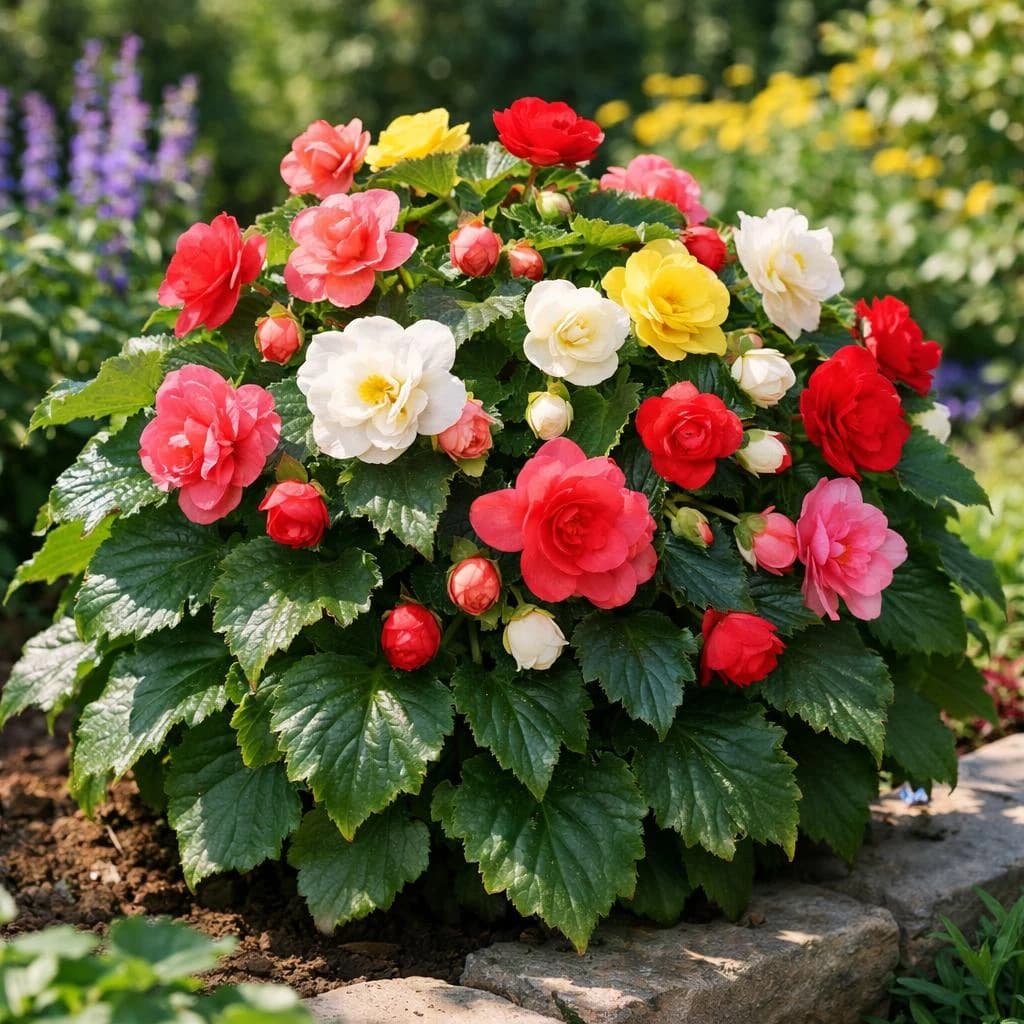
Begonias are one of the few flowers that bloom all summer in shade, which makes them perfect for a north-facing balcony or a shady pot. The seed is as fine as dust and slow to grow, so tubers, cuttings or young plants are the easy way in. Frost kills them, so tubers are dug up and stored indoors over winter.
When To Start
Start indoors
8 to 6 weeks before your last spring frost
Plant out
2 to 5 weeks after your last spring frost
Add where you grow and these become your own dates.
Your Begonia Calendar
Set your location to turn these into exact dates and reminders.
Start begonia tubers indoors, hollow side up
8 weeks before your last frost· every year
Plant begonias out in shade or part shade
2 weeks after your last frost· every year
Dig up begonia tubers and store them frost free
Around your first frost· every year· optional
Start hardening off your begonia seedlings: an hour outside today, a little longer each day.
4 days after your last frost
Water if the top few centimetres feel dry: deep and slow is best while it settles in.
About 1 days after you plant it
Hello to your begonias! Keep the soil moist but never soggy, since tubers can rot if they sit wet.
About 30 days after you plant it
Your begonia has settled in. A shady spot that still gets bright light suits it best.
About 90 days after you plant it
The Journey Ahead
Begonia's Lifecycle
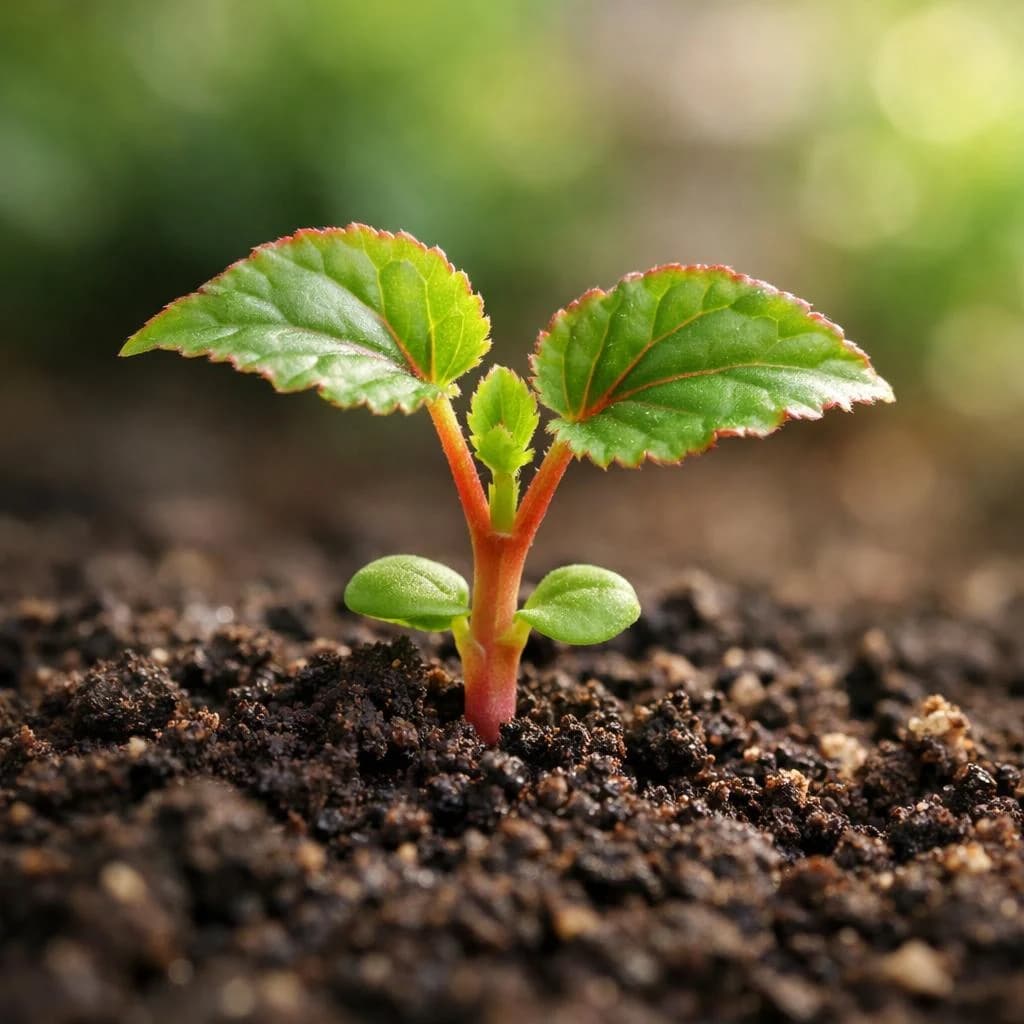
Seedling
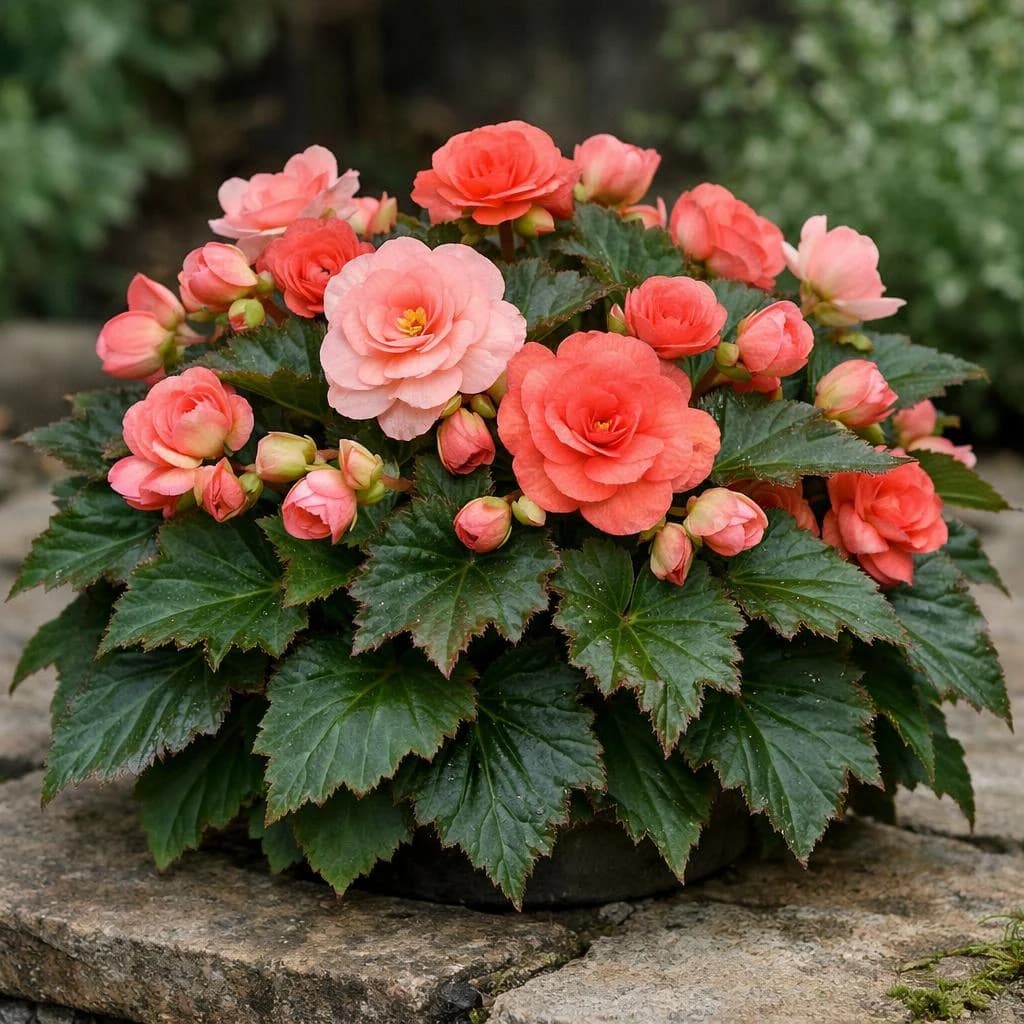
Mature Plant
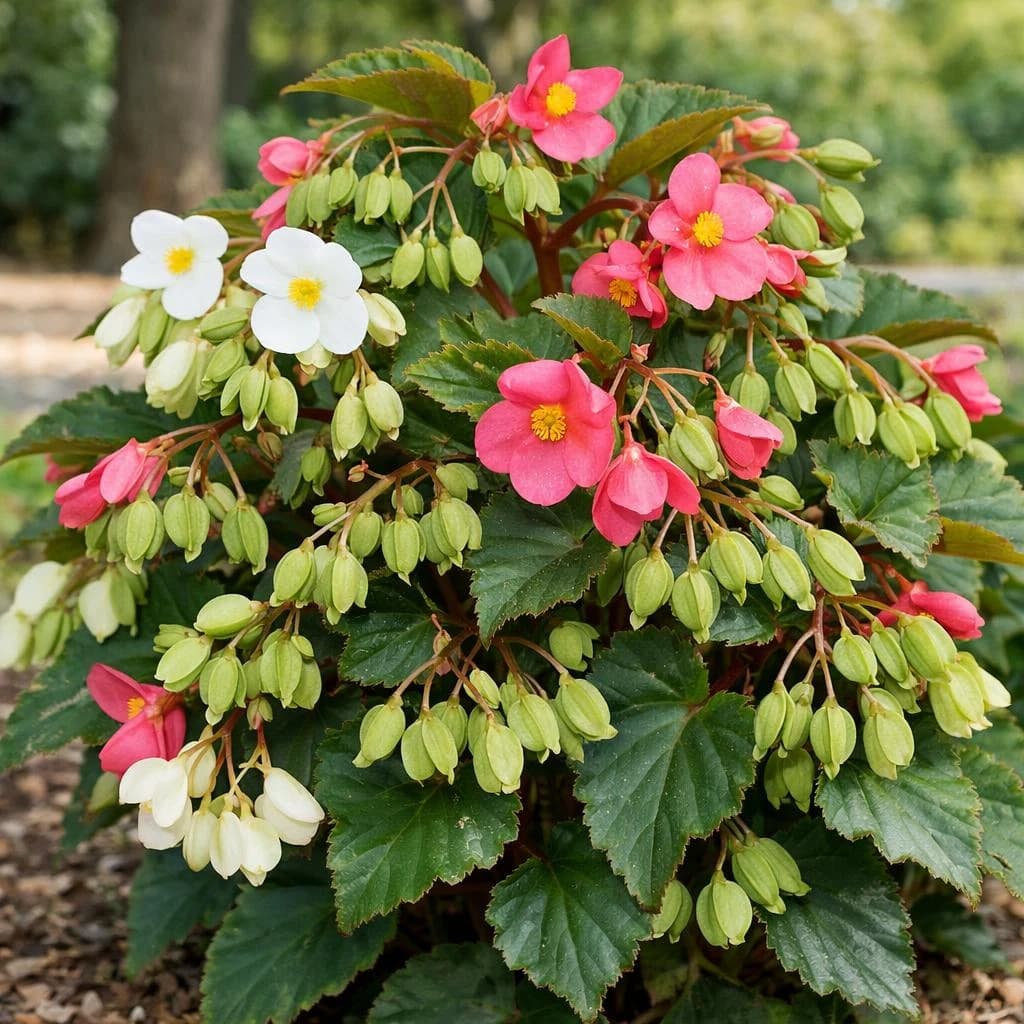
Seed Production
Step 1
Prepare Your Space
25 cm
Plant Spacing
30 cm
Row Spacing
Vertical Growing
No.
Succession Planting
No.
Good Companions
Bad Companions
Step 2
Planting & Sprouting
Growing Tips
- 1Give begonias bright shade or morning sun only, since hot afternoon sun scorches the leaves.
- 2Plant them in light, well-drained soil or potting mix with some compost mixed in.
- 3Water when the top 2 to 3 cm of soil feels dry, at the base and not on the leaves, because soggy soil rots the tubers and wet leaves get mildew.
- 4Feed with compost tea every 2 weeks through summer to keep the flowers coming.
- 5Pick slugs off at dusk and pull off any leaves with grey mould, and space plants so air can move between them.
- 6Begonias are toxic to cats and dogs, especially the tubers, so keep pets away from them.
Seedling Phase
Step 3
Growth & Maturity
35 cm
Mature Height
30 cm
Mature Width
Pests to Watch For
Diseases to Watch For
Mature Plant
Step 4
Harvesting
When to Pick
Blooms all summer into autumn; thrives where many flowers won't (shade)
How to Harvest
- 1Pick off faded flowers every few days to keep new ones coming all summer.
- 2On tuberous begonias, the big showy flower often has a small single flower on each side, and pinching those small ones off makes the big one even bigger.
- 3Cut a few flowers to float in a bowl of water indoors.
- 4After the first light frost blackens the leaves, dig up the tubers, cut the stems back to 2 to 3 cm, and let them dry for a week or two.
- 5Store the tubers in a paper bag of dry peat-free mix or wood shavings in a cool spot that never freezes, about 5 to 10°C (41 to 50°F), until you restart them in spring.
Step 5
Saving Seeds
Seed Production
Still have a question?
Ask your coach about your begonia.
This page covers what we thought to write down. Your begonia will do something it never mentions, and that is the day a coach beats a guide. Ask Coach Lumen one question right now, free, no account.