How to Grow Gomphrena
Gomphrena At a Glance
Difficulty
Easy
Category
Flower
Sun Exposure
Full Sun
Frost Tolerance
Frost Tender
Cold Hardiness
Survives to 5°C
Plant Family
Amaranthaceae
Growing Season
Warm Season
Plant Lifecycle
Annual
How to Start It
★ Recommended for beginners
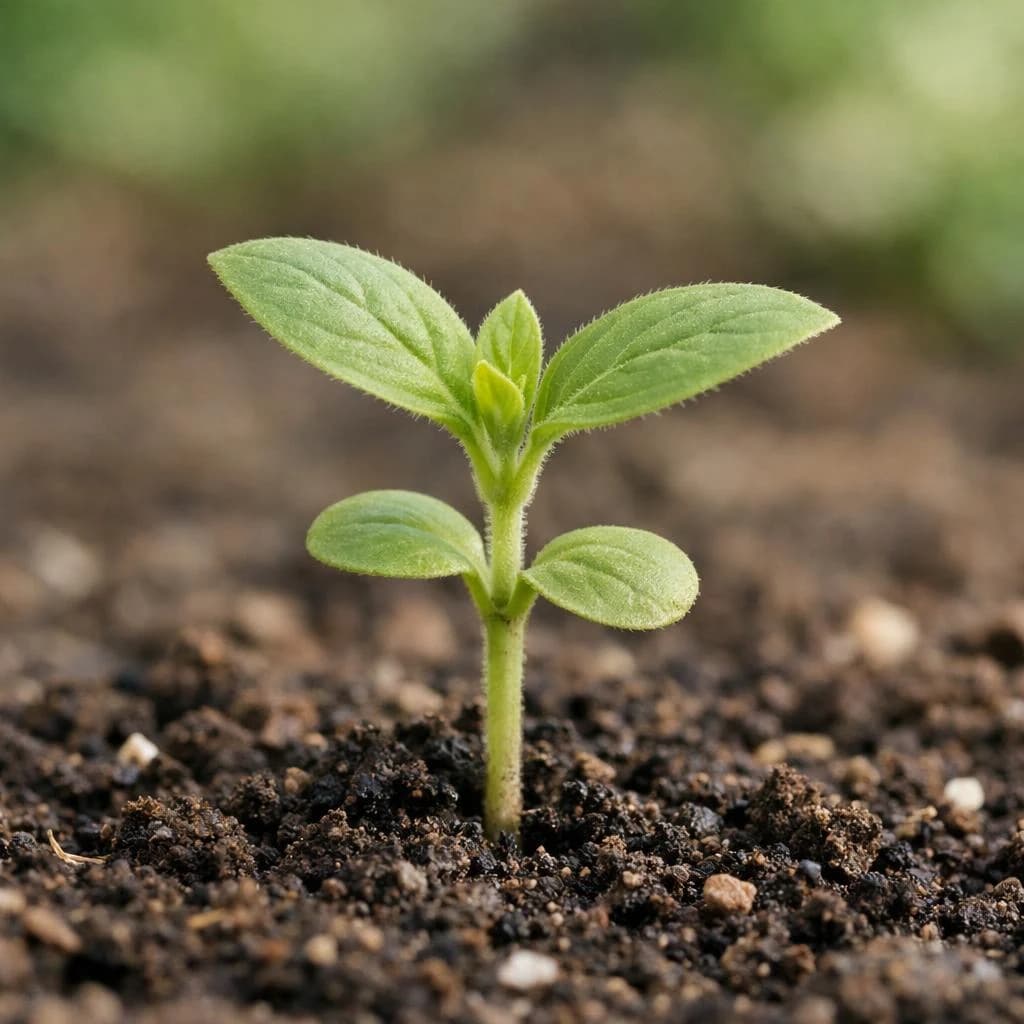
Sow about 1 week after your last spring frost, once the soil is warm. Soak the fuzzy seeds in warm water overnight, then sow 2 to 3 seeds 0.5 cm deep every 25 cm. They sprout in 7 to 14 days: keep the strongest seedling at each spot.
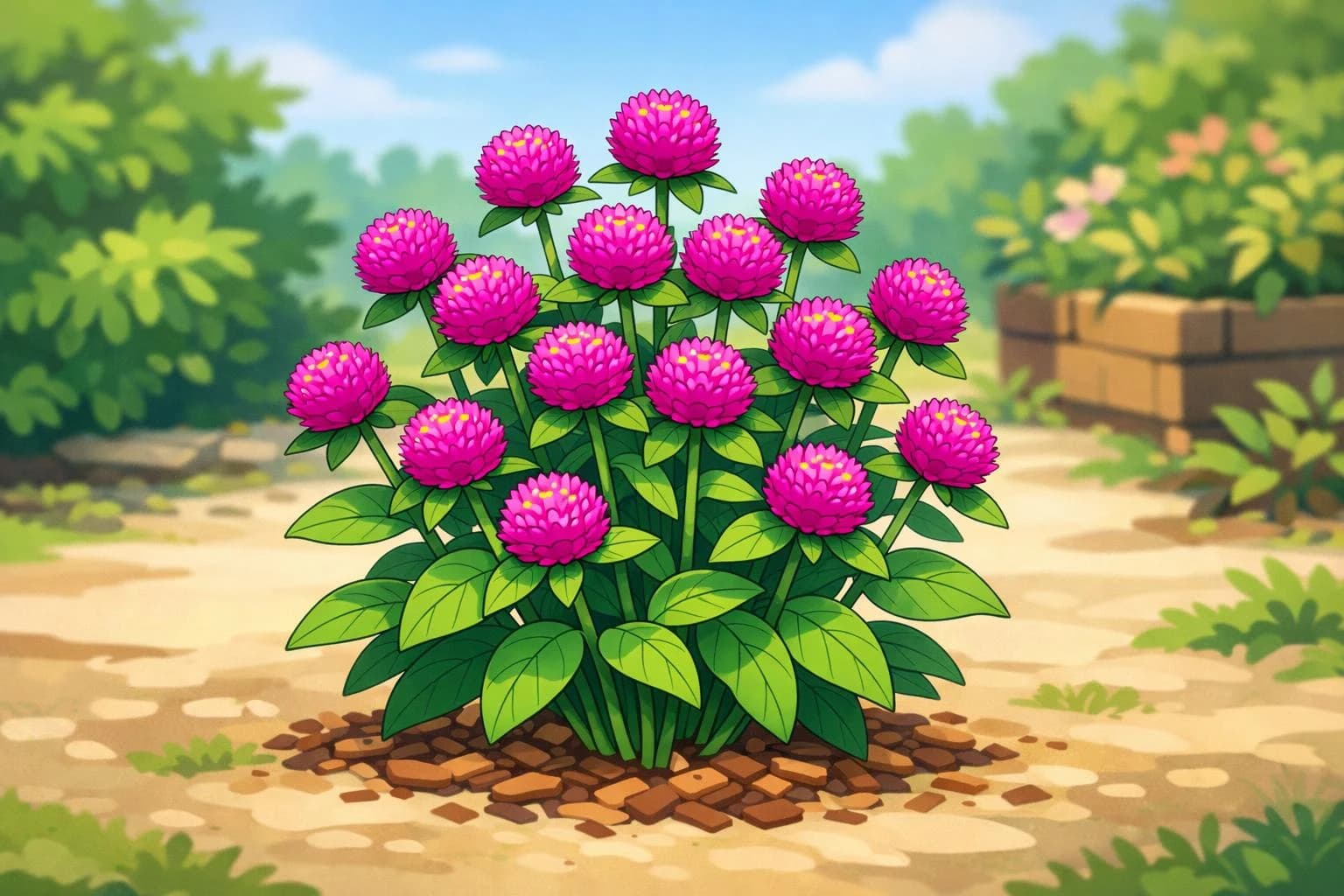
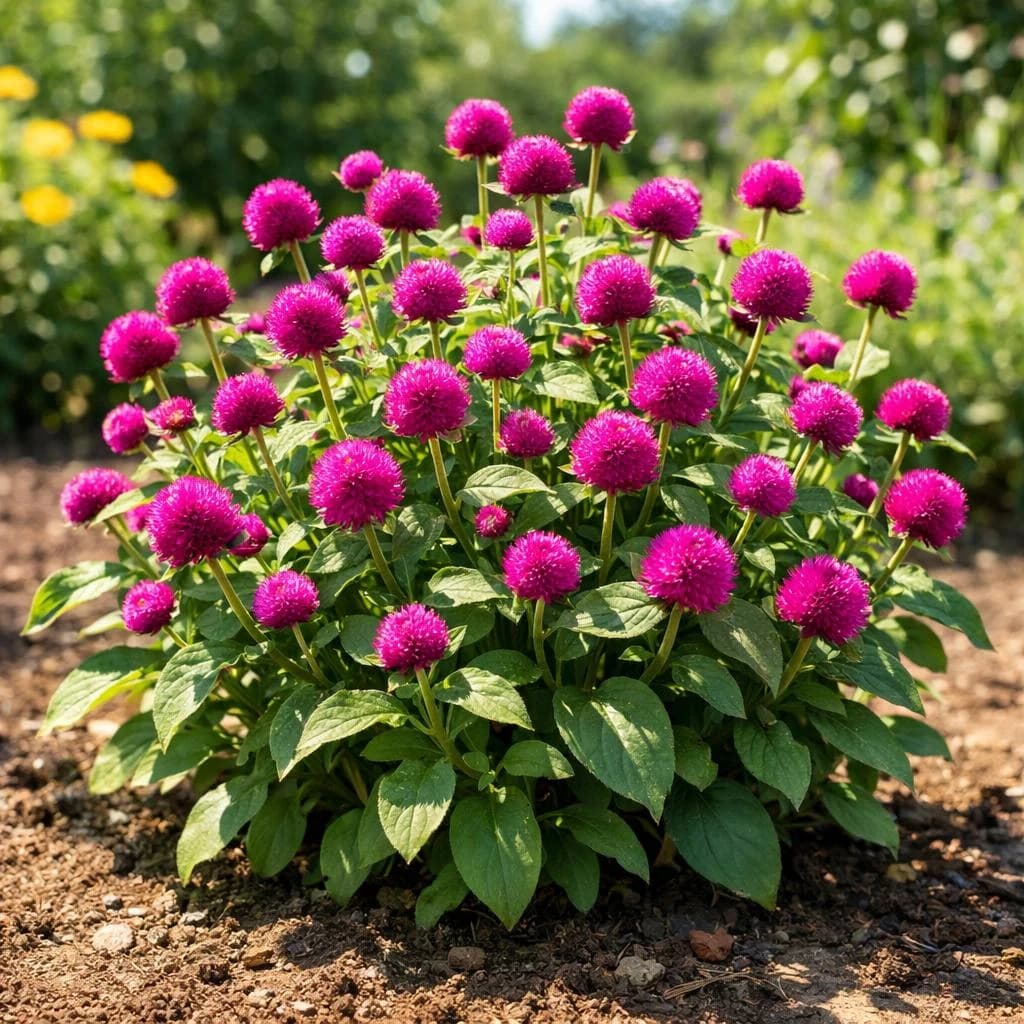
Gomphrena, also called globe amaranth, loves heat and dry weather and keeps flowering until frost. Its round, papery flowers keep their colour for years when dried. Plants from an outdoor sowing start flowering later in summer, so start a few indoors if you want flowers sooner.
When To Start
Gomphrena needs warmth. Wait until your last frost has passed and the soil has warmed before sowing.
We do not have exact sowing dates for this one yet.
When should you plant Gomphrena?
Your planting dates depend on your local climate. Sign up and add your location to unlock personalized dates.
Your Gomphrena Planting Window
Start planting
May 15, 2026
Last chance
Sep 10, 2026
Your Gomphrena Calendar
Set your location to turn these into exact dates and reminders.
Sow gomphrena outdoors now, after soaking the seeds overnight
1 week after your last frost· every year
Optional: start gomphrena indoors, soak the seeds first
6 weeks before your last frost· every year· optional
Plant indoor gomphrena seedlings out in a hot, sunny spot
1 week after your last frost· every year· optional
Cut gomphrena flowers for a vase or for drying
75 days after your last frost· every year· optional
Did you water your gomphrena seedlings today? Keep the top of the soil damp until they are up and growing.
About 1 days after you plant it
Hello! Gomphrena loves heat and sun, so let the soil dry a little between waterings.
About 30 days after you plant it
Your gomphrena should be busy now. Cut stems for a vase or to dry, and more flowers will follow.
About 90 days after you plant it
The Journey Ahead
Gomphrena's Lifecycle
Seedling
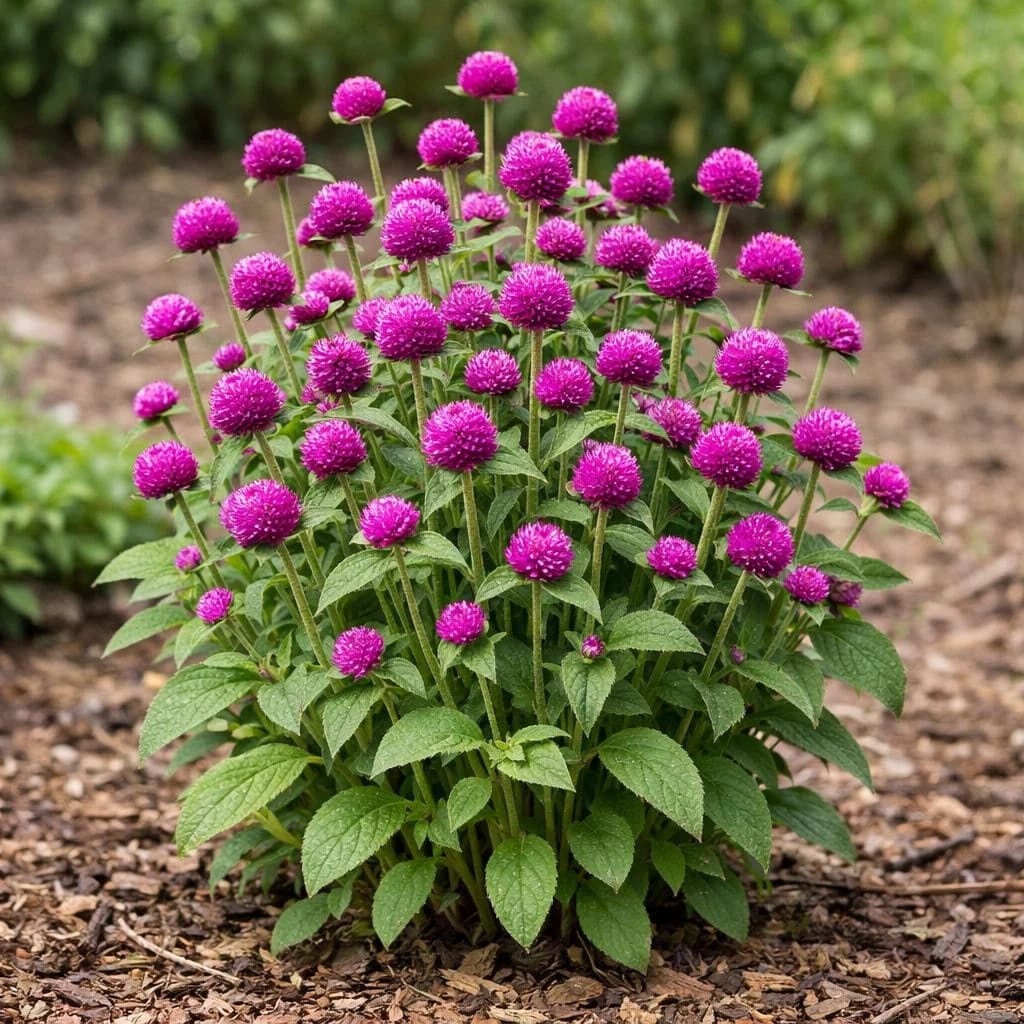
Mature Plant
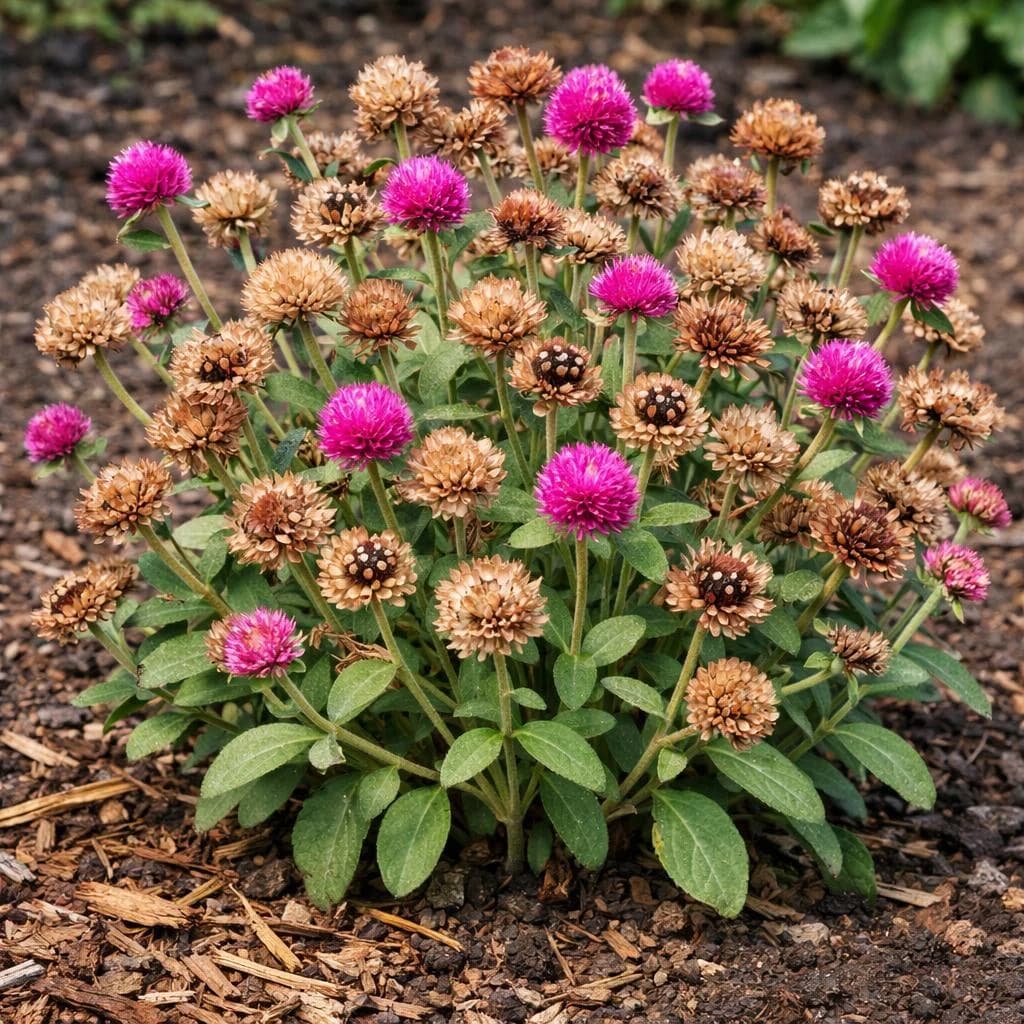
Seed Production
Step 1
Prepare Your Space
0.5 cm
Seeding Depth
25 cm
Plant Spacing
30 cm
Row Spacing
Vertical Growing
No.
Succession Planting
No.
Good Companions
Bad Companions
Step 2
Planting & Sprouting
Expect sprouts in 7–14 days
Growing Tips
- 1Give gomphrena your hottest, sunniest spot, with at least 6 to 8 hours of sun a day.
- 2Plant it in well drained soil with just a little compost, since rich soil gives leaves instead of flowers.
- 3Water seedlings until they are settled, then only when the soil is dry, as wet soil rots the roots.
- 4Skip extra feeding, because gomphrena flowers best in lean soil.
- 5Pinch the tip of each young plant once, when it has a few pairs of leaves, so it grows bushy.
- 6Pests rarely bother it, and butterflies love the flowers.
Seedling Phase
Step 3
Growth & Maturity
60 cm
Mature Height
30 cm
Mature Width
Pests to Watch For
Diseases to Watch For
Mature Plant
Step 4
Harvesting
When to Pick
Blooms all summer through heat; great fresh and dries to last for years
How to Harvest
- 1Cut flowers when the balls are fully coloured and firm, before they start to stretch into cones.
- 2Cut long stems just above a pair of leaves, and more flowers will grow from that spot.
- 3To dry them, strip the leaves, tie small bunches and hang them upside down in a dark, airy place for about 2 weeks.
- 4Dried flowers hold their colour for years in bouquets and wreaths.
Step 5
Saving Seeds
How to Save Seeds
Gomphrena seeds sit inside the dried flower balls. Leave a few flowers on the plant until they are dry and papery, then snip them into a paper bag. Most garden kinds come back much the same from seed, but hybrid F1 seeds will not grow true. You can sow the dried flower bits whole, or rub them apart to free the small seeds. Store them labelled in a cool, dark, dry place, where they keep a few years.
Seed Production
Still have a question?
Ask your coach about your gomphrena.
This page covers what we thought to write down. Your gomphrena will do something it never mentions, and that is the day a coach beats a guide. Ask Coach Lumen one question right now, free, no account.