How to Grow Raspberry
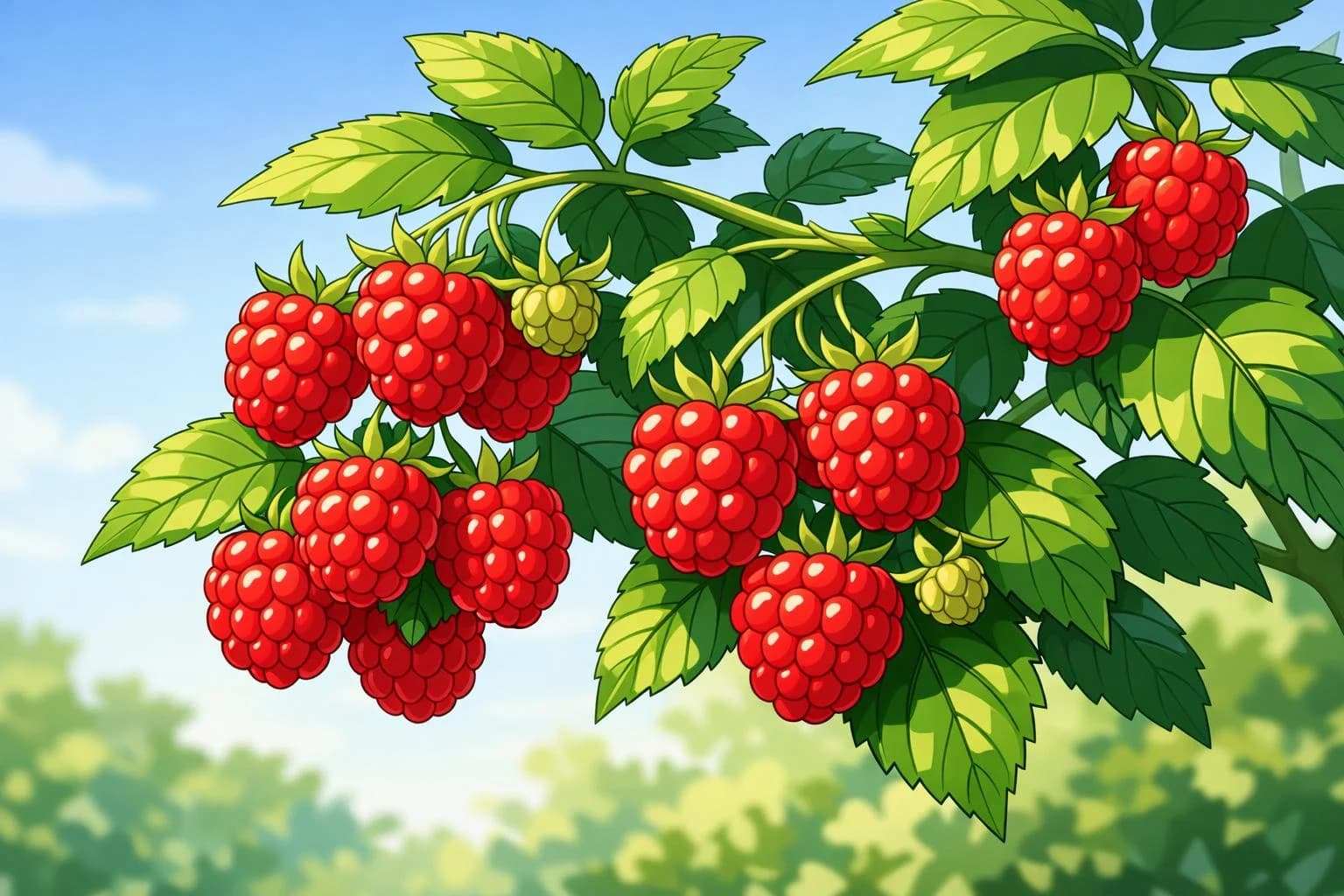
Raspberry At a Glance
Difficulty
Easy
Category
Berry
Sun Exposure
Full Sun
Frost Tolerance
Frost Hardy
Cold Hardiness
Survives to -34°C
Plant Family
Rosaceae
Growing Season
Cool Season
Plant Lifecycle
Perennial
How to Start It
★ Recommended for beginners
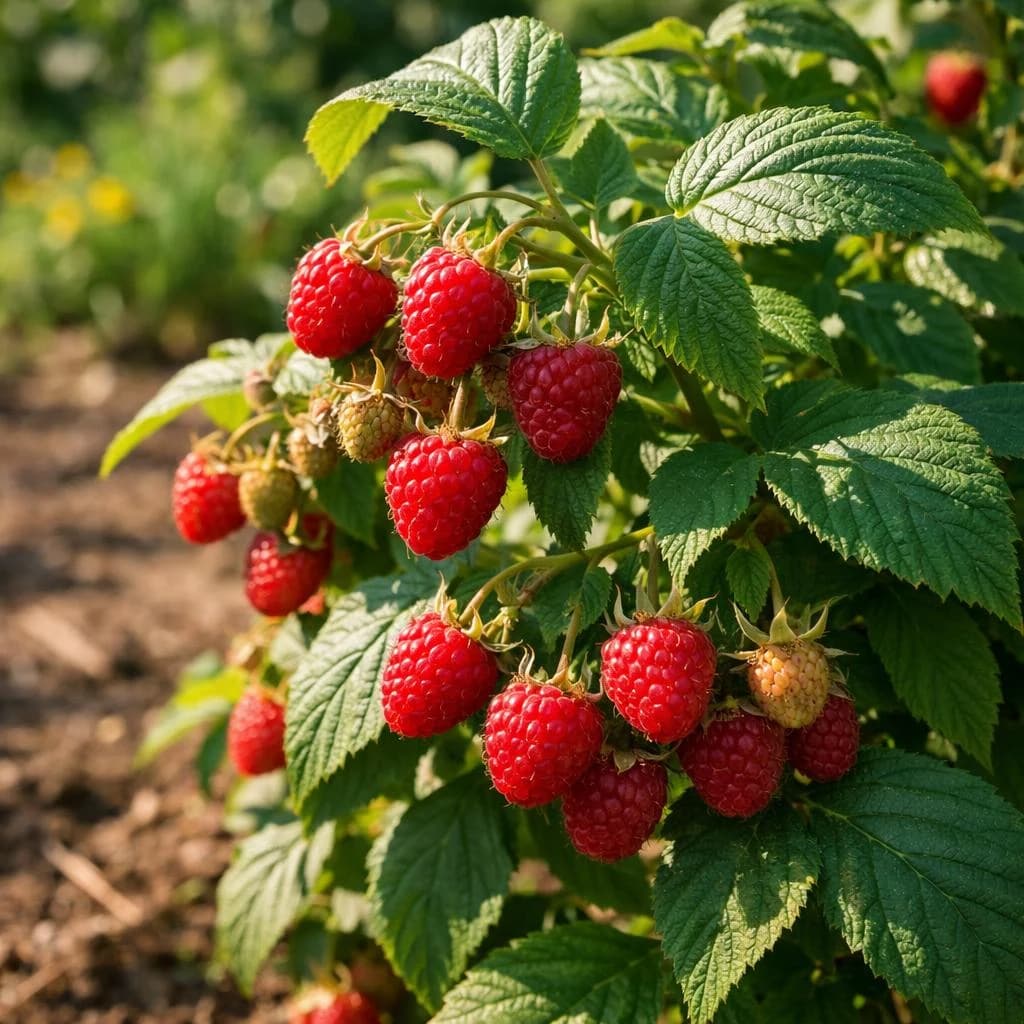
Buy certified disease-free canes or potted plants and plant them in early spring, about 3 weeks before your last frost, 60 cm apart. Set them at the same depth they grew before, then cut bare-root canes down to about 15 cm to push strong new shoots. Put up a post-and-wire support at planting time.
Raspberries are grown from canes, not seed, and a patch can fruit for many years. Summer-bearing types fruit on last year's canes, so their first real crop comes in the second year, while fall-bearing (everbearing) types fruit late in the season on this year's canes. Know which kind you have, since they are pruned differently.
When To Start
Raspberry likes cool weather. Sow it in early spring, as soon as the ground can be worked.
We do not have exact sowing dates for this one yet.
When should you plant Raspberry?
Your planting dates depend on your local climate. Sign up and add your location to unlock personalized dates.
Your Raspberry Planting Window
Start planting
May 15, 2026
Last chance
Sep 10, 2026
Your Raspberry Calendar
Set your location to turn these into exact dates and reminders.
Plant raspberry canes 60 cm apart with a support
3 weeks before your last frost
Prune your raspberries the right way for their type
45 days before your last frost· every year
Pick ripe raspberries every 2 days
90 days after your last frost· every year
Water your new raspberry plants well while they settle in. Deep and slow is best.
About 1 days after you plant it
Your raspberry canes are settling in! Water deeply each week and keep weeds away from the base.
About 30 days after you plant it
How are your raspberries doing? A layer of mulch keeps their shallow roots cool and moist.
About 90 days after you plant it
The Journey Ahead
Raspberry's Lifecycle
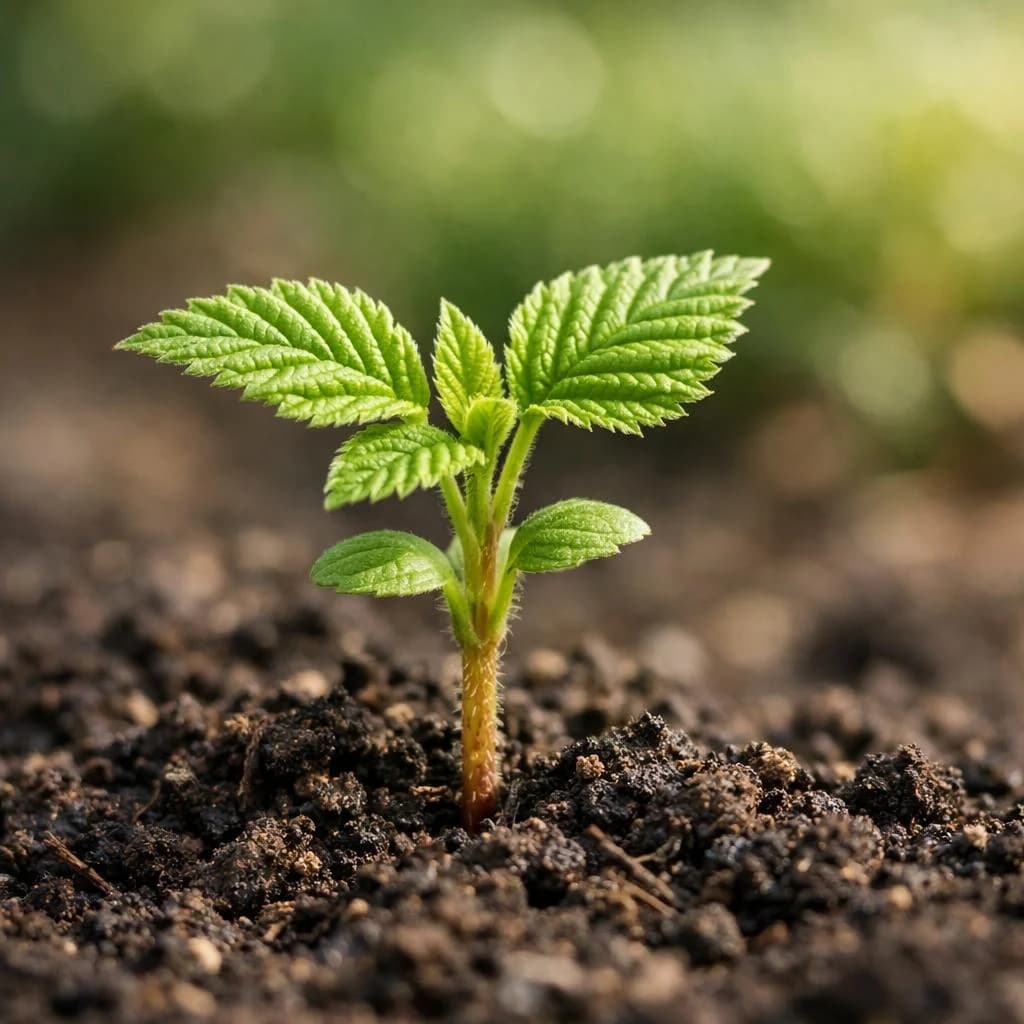
Seedling
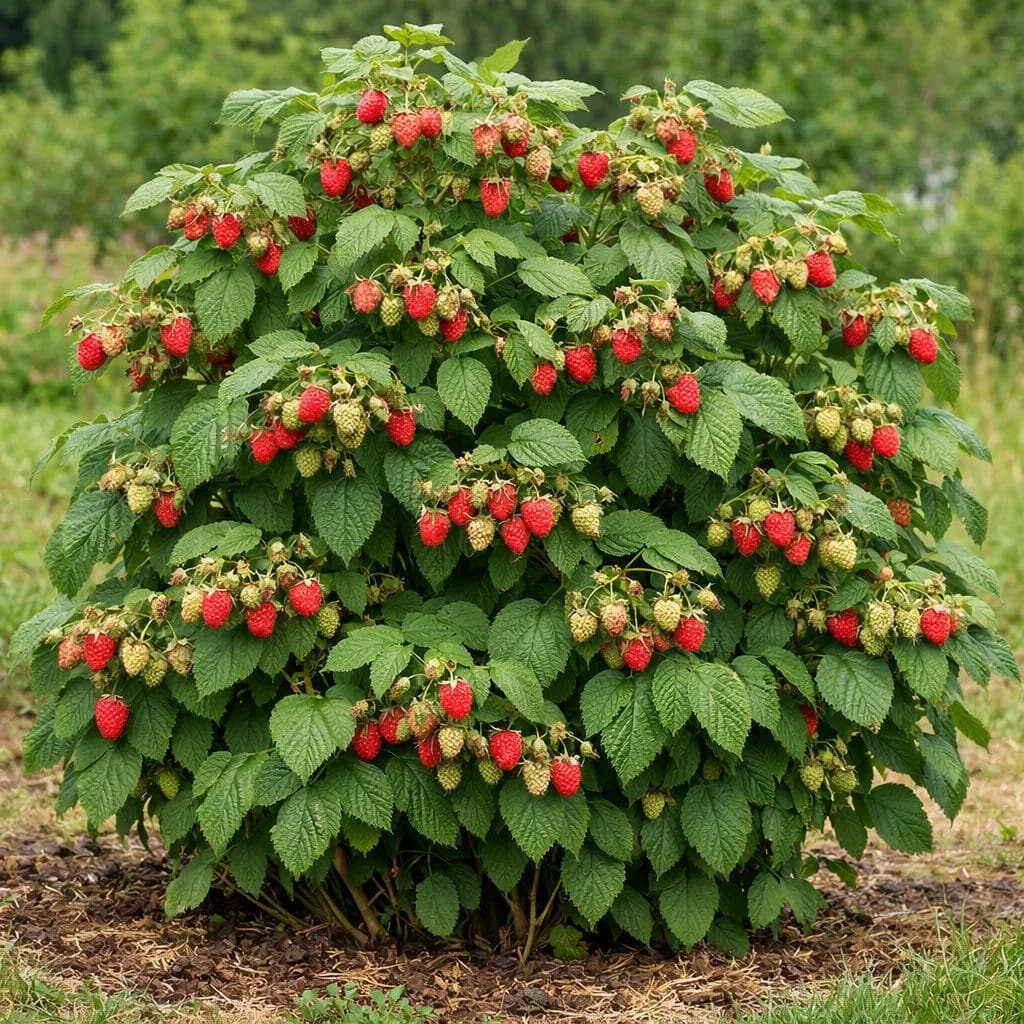
Mature Plant
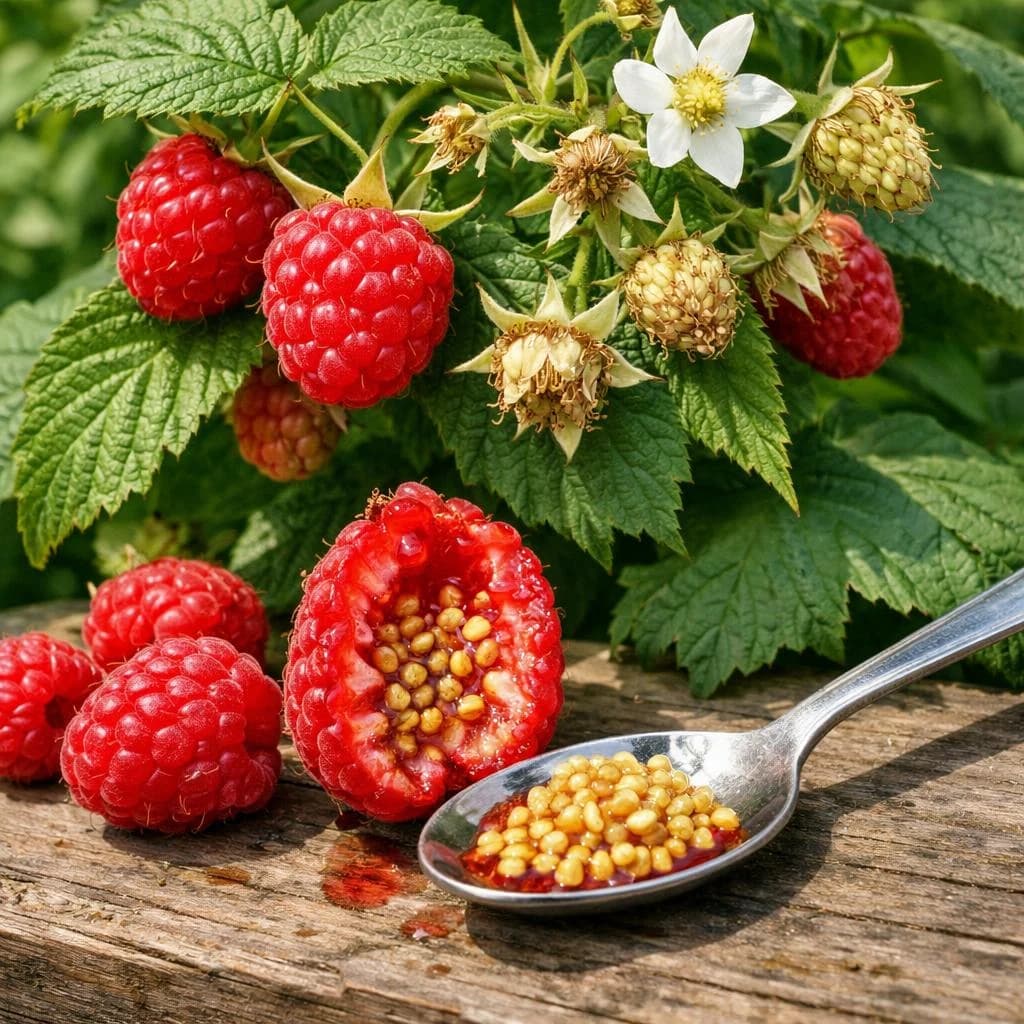
Seed Production
Step 2
Planting & Sprouting
Growing Tips
- 1Plant raspberries in full sun, at least 6 hours a day, where the patch can spread.
- 2Mix plenty of compost into well-drained soil, and add a layer of compost or wood chip mulch each spring.
- 3Water deeply once a week, especially while the berries swell, since thirsty plants give small, dry fruit.
- 4Feed with worm castings or compost tea in spring as the new canes grow.
- 5Prune by type: on summer-bearing plants, cut the canes that just fruited to the ground after harvest, and on fall-bearing plants, cut all canes to the ground in late winter.
- 6Pick Japanese beetles off by hand in the morning and drop them into a jar of water, and pick ripe berries often so fruit flies have nothing to find.
Seedling Phase
Step 3
Growth & Maturity
150 cm
Mature Height
90 cm
Mature Width
Pests to Watch For
Diseases to Watch For
Mature Plant
Step 4
Harvesting
Harvest Window
30 days
When to Pick
Pick when berries pull off easily, over several weeks in summer/autumn
How to Harvest
- 1Raspberries are ripe when they are fully coloured and slip off the white core with a gentle tug.
- 2Pick every 2 days in season, because ripe berries spoil fast on the plant.
- 3Pick on a dry morning and lay the berries in a shallow container so they do not crush each other.
- 4Do not wash them until just before eating.
- 5Eat them within a day or two, or spread them on a tray, freeze them, then store them in a bag.
Step 5
Saving Seeds
Seed Production
Still have a question?
Ask your coach about your raspberry.
This page covers what we thought to write down. Your raspberry will do something it never mentions, and that is the day a coach beats a guide. Ask Coach Lumen one question right now, free, no account.