
How to Grow Aronia
Aronia At a Glance
Difficulty
Easy
Category
Berry
Sun Exposure
Full Sun
Frost Tolerance
Frost Hardy
Cold Hardiness
Survives to -40°C
Plant Family
Rosaceae
Growing Season
Warm Season
Plant Lifecycle
Perennial
How to Start It
★ Recommended for beginners
Buy a young potted or bare-root plant and set it out in early spring, about 3 weeks before your last frost. One plant is enough, since aronia pollinates itself, and it grows into a shrub that needs about 180 cm of room. It copes with almost any soil, wet or dry, in sun or part shade.
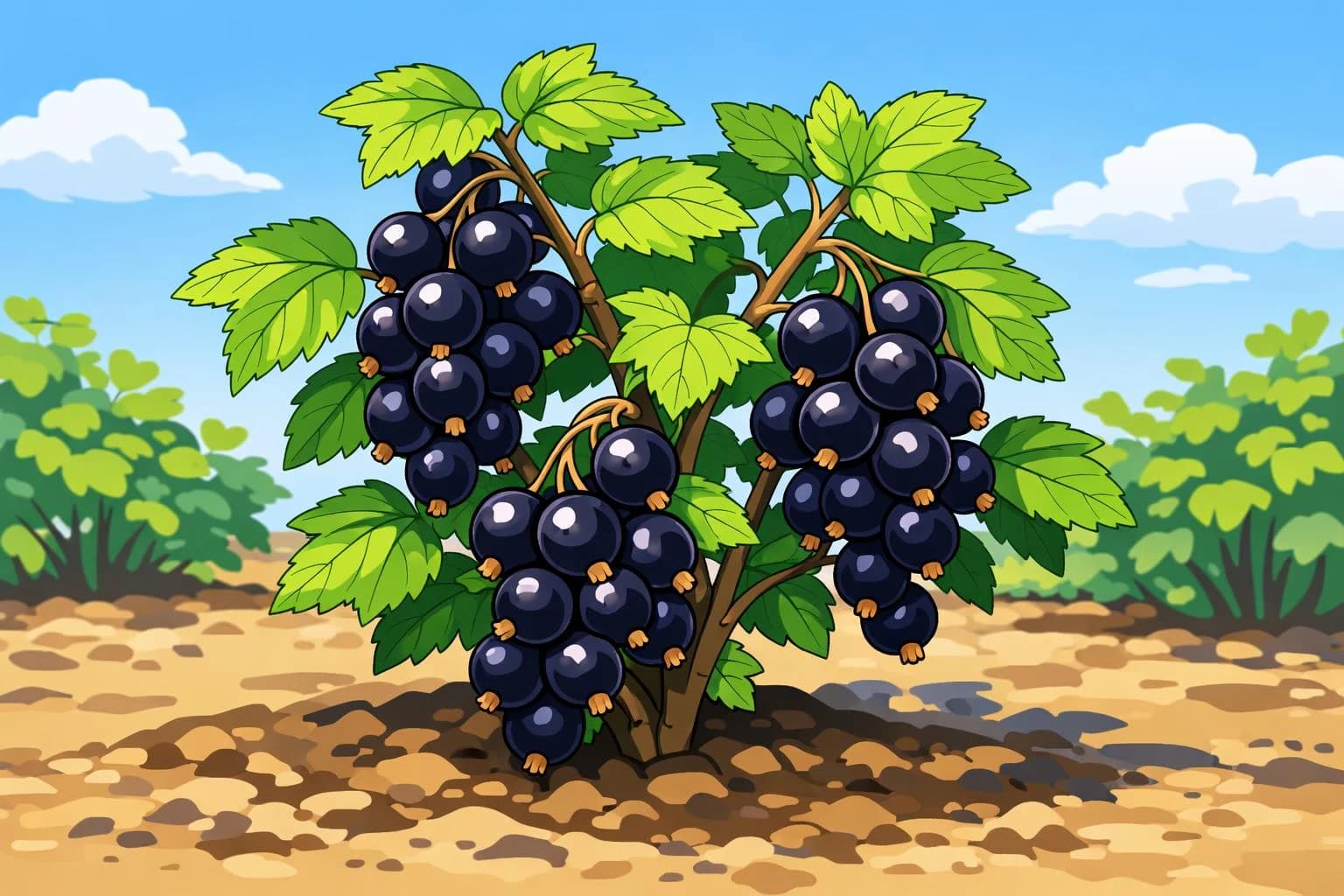
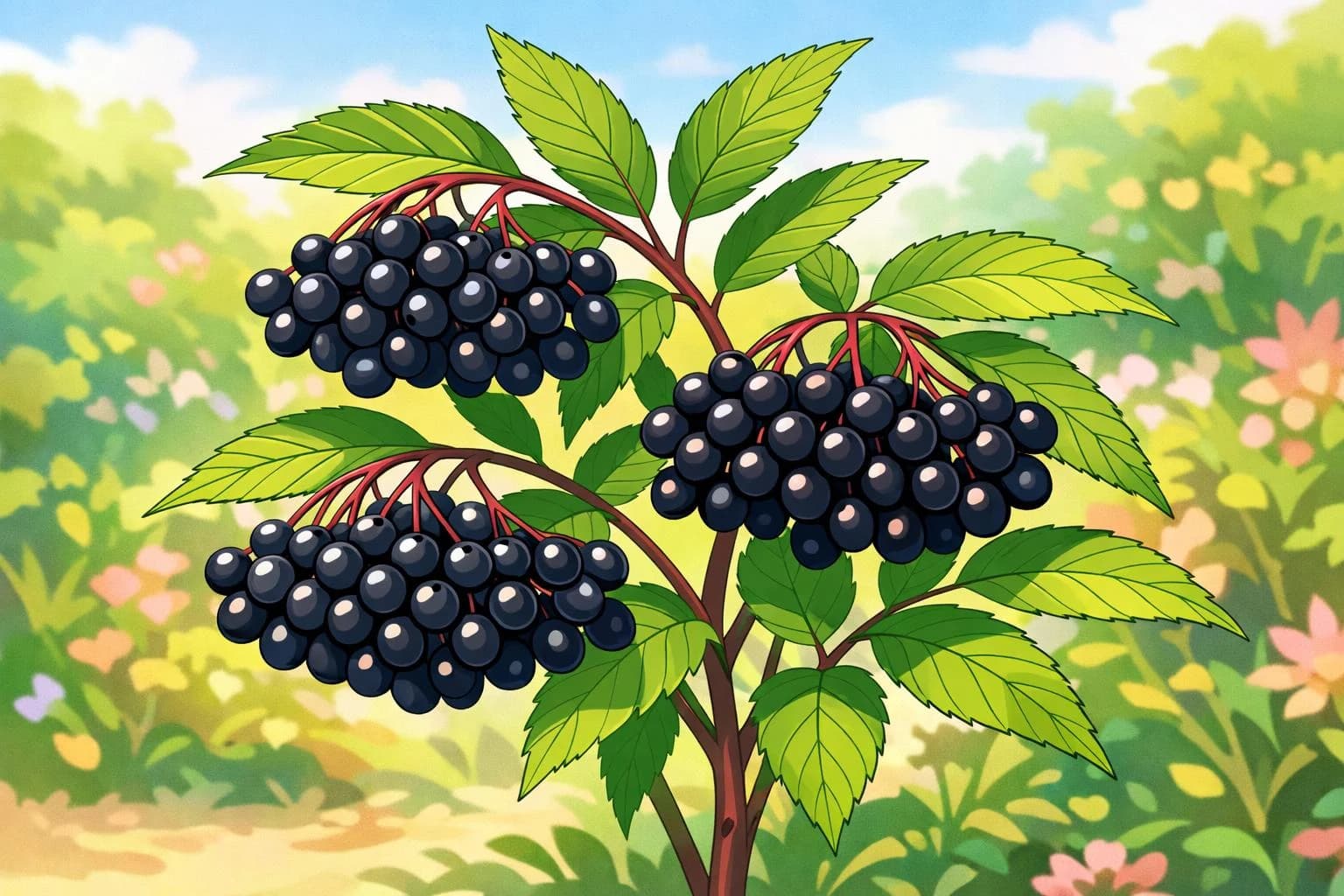
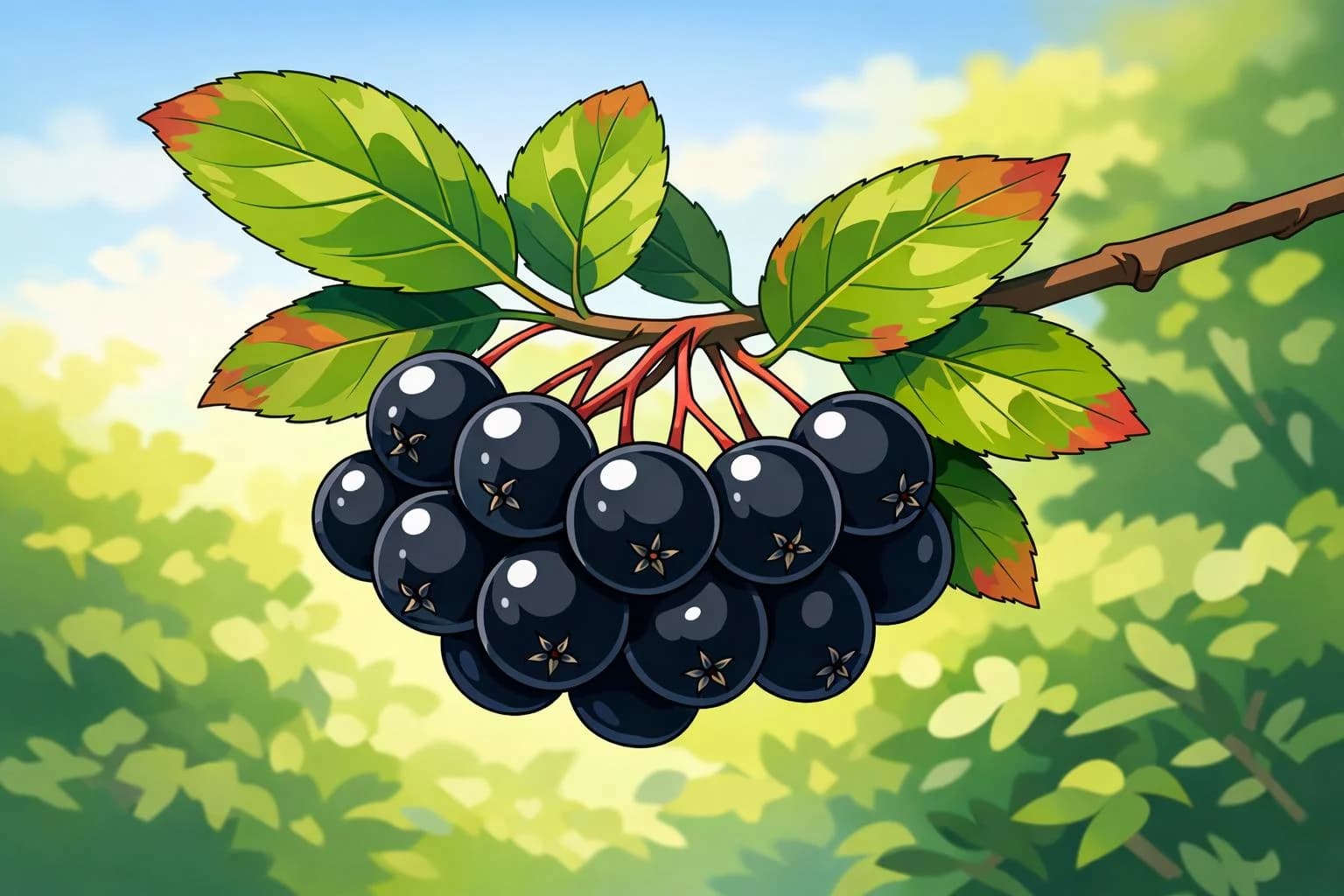
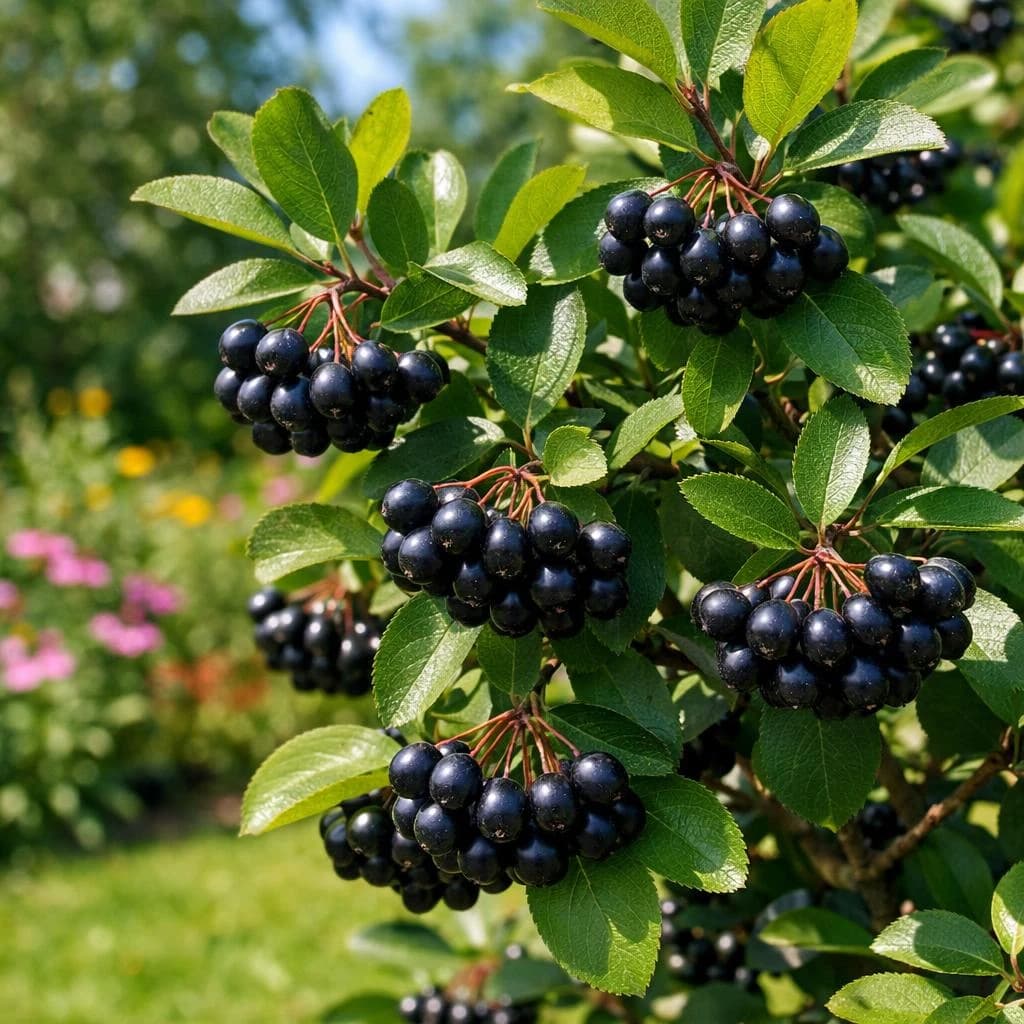
Aronia, also called chokeberry, is one of the toughest fruits you can grow: hardy to about -40°C, almost never bothered by pests, and bearing in about 2 years. The very dark berries are tart and dry in the mouth when raw, so most people cook, juice or dry them. The leaves turn bright red in fall.
When To Start
Plant
3 to 1 weeks before your last spring frost
Add where you grow and these become your own dates.
Your Aronia Calendar
Set your location to turn these into exact dates and reminders.
Plant aronia in early spring, one plant is enough
3 weeks before your last frost
Cut a few old aronia stems to the ground
45 days before your last frost· every year· optional
Taste aronia berries: pick when deep black and slightly soft
100 days after your last frost· every year
Water if the top few centimetres feel dry: deep and slow is best while it settles in.
About 1 days after you plant it
How is your aronia settling in? Water it well each week this first season while the roots spread.
About 30 days after you plant it
Your aronia is growing roots. Mulch around the base to keep the soil moist and the weeds down.
About 90 days after you plant it
The Journey Ahead
Aronia's Lifecycle
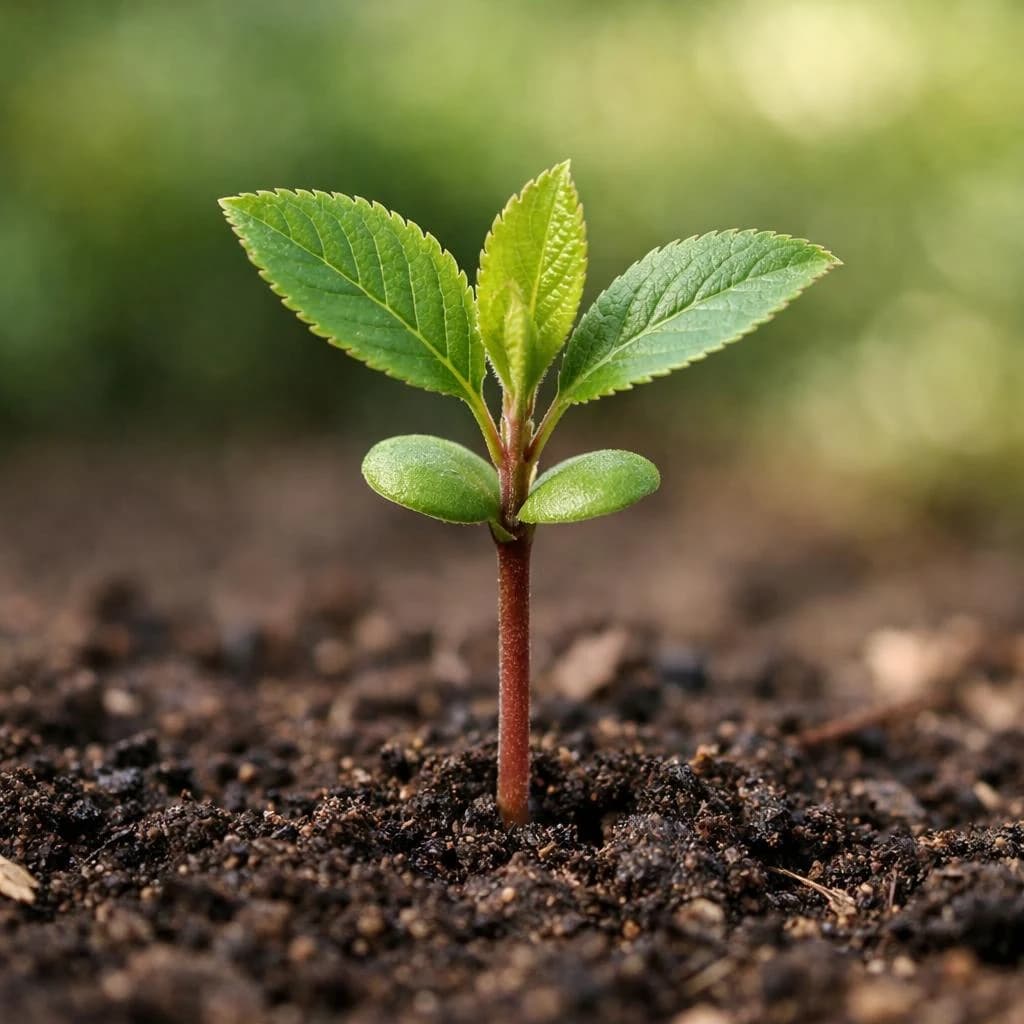
Seedling
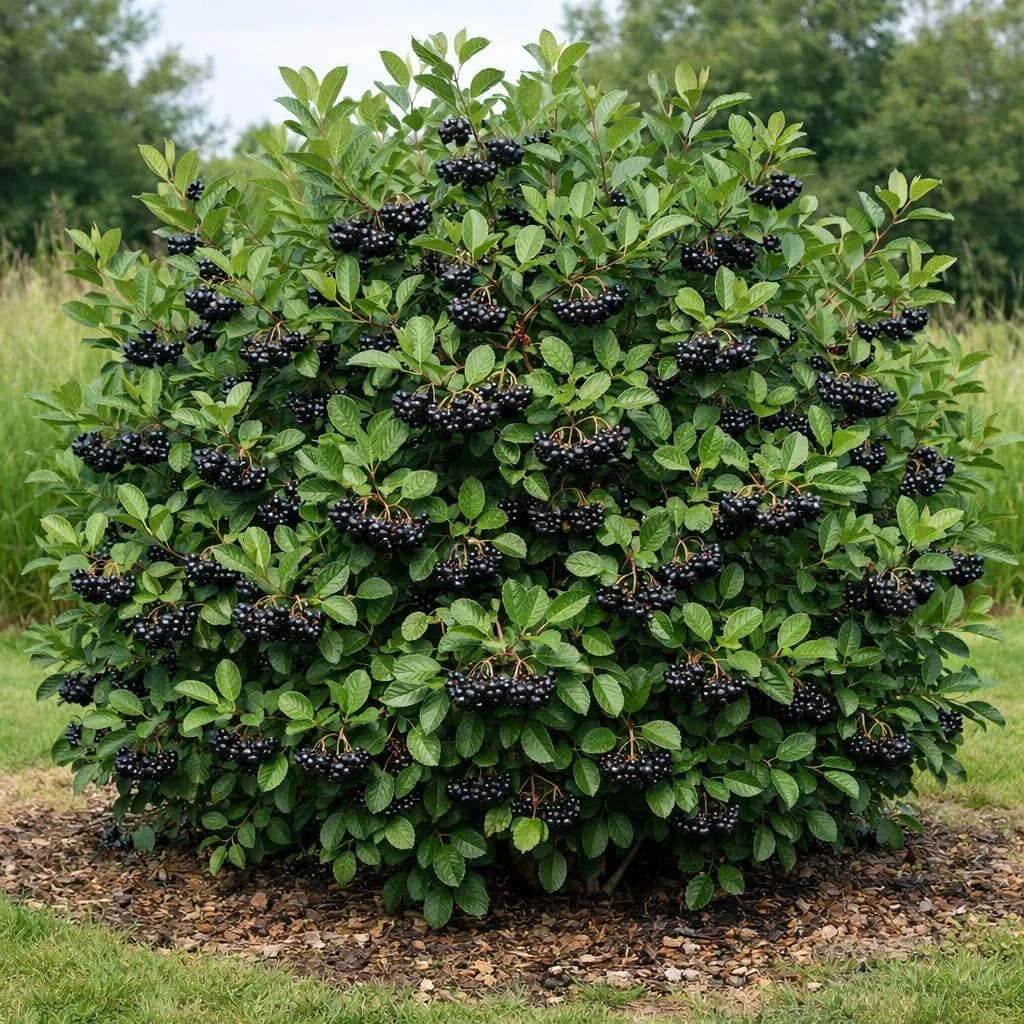
Mature Plant

Seed Production
Step 1
Prepare Your Space
180 cm
Plant Spacing
240 cm
Row Spacing
Vertical Growing
No.
Succession Planting
No.
Good Companions
Step 2
Planting & Sprouting
Growing Tips
- 1Aronia gives the most berries in full sun but still fruits in part shade.
- 2It grows in almost any soil, even wet or poor ground, though a shovel of compost at planting helps it settle in.
- 3Water deeply once a week in its first summer, then it mostly looks after itself.
- 4Spread compost and a ring of mulch around the base each spring, keeping it a hand's width from the stems.
- 5In late winter, cut a few of the oldest, thickest stems to the ground to keep the shrub young and fruiting.
- 6Dig out suckers (new shoots from the roots) that pop up where you do not want them.
Seedling Phase
Step 3
Growth & Maturity
Year 3
First Harvest
200 cm
Mature Height
150 cm
Mature Width
Pests to Watch For
Diseases to Watch For
Mature Plant
Step 4
Harvesting
Harvest Window
21 days
When to Pick
Pick when berries are deep black and soft, late summer to autumn
How to Harvest
- 1Aronia berries ripen in late summer, turning deep black and slightly soft.
- 2Taste one: they are ready when some sweetness comes through the tartness.
- 3They hang on the bush for weeks without spoiling, and birds mostly leave them alone, so there is no rush.
- 4Snip or strip whole clusters into a bowl.
- 5Cook them into jam, juice or syrup, add them to baking, or dry them like raisins.
- 6Freeze extras in bags for up to a year.
Step 5
Saving Seeds
Seed Production
Still have a question?
Ask your coach about your aronia.
This page covers what we thought to write down. Your aronia will do something it never mentions, and that is the day a coach beats a guide. Ask Coach Lumen one question right now, free, no account.