How to Grow Cranberry
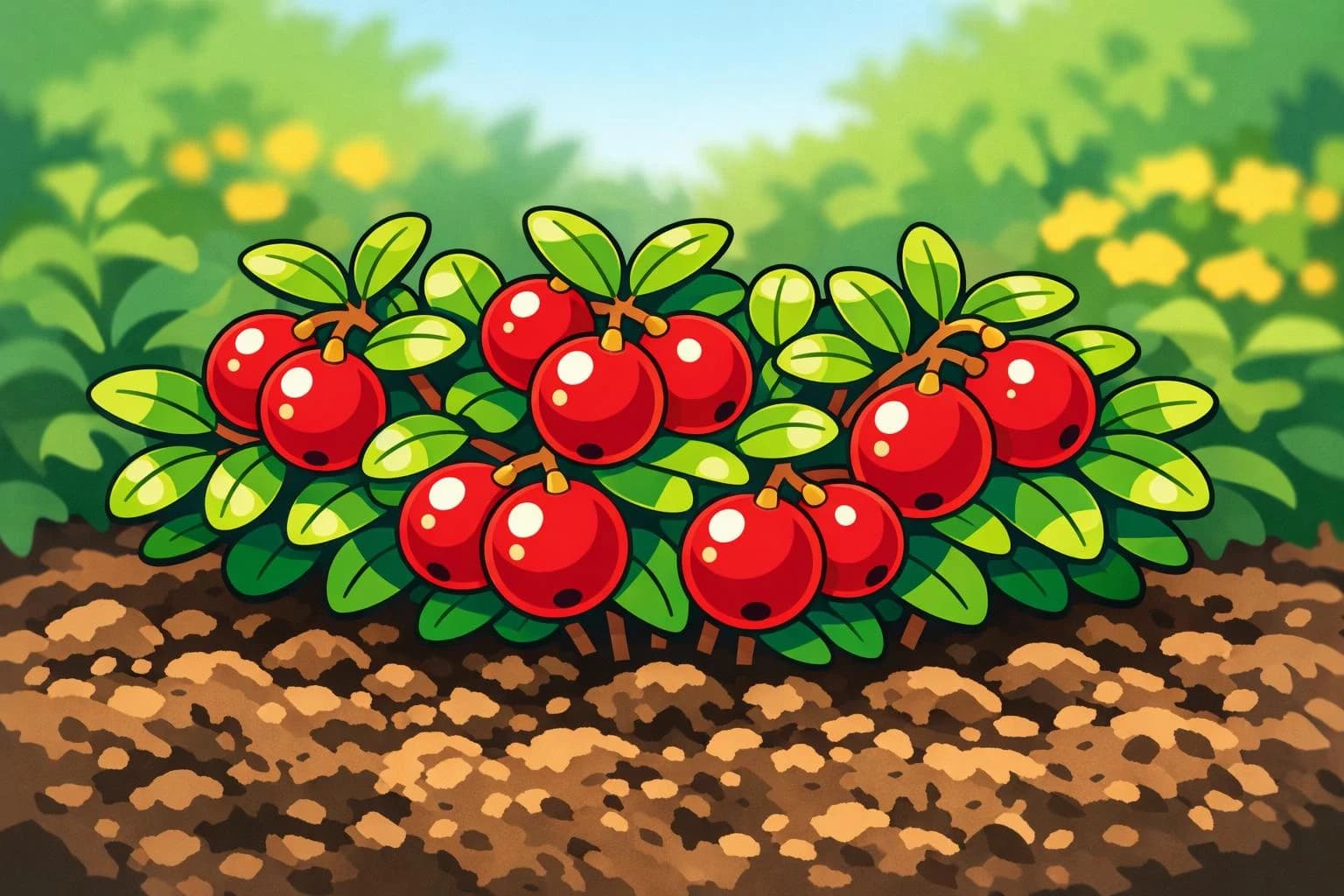
Cranberry At a Glance
Difficulty
Moderate
Category
Berry
Sun Exposure
Full Sun
Frost Tolerance
Frost Hardy
Cold Hardiness
Survives to -34°C
Plant Family
Ericaceae
Growing Season
Cool Season
Plant Lifecycle
Perennial
How to Start It
★ Recommended for beginners
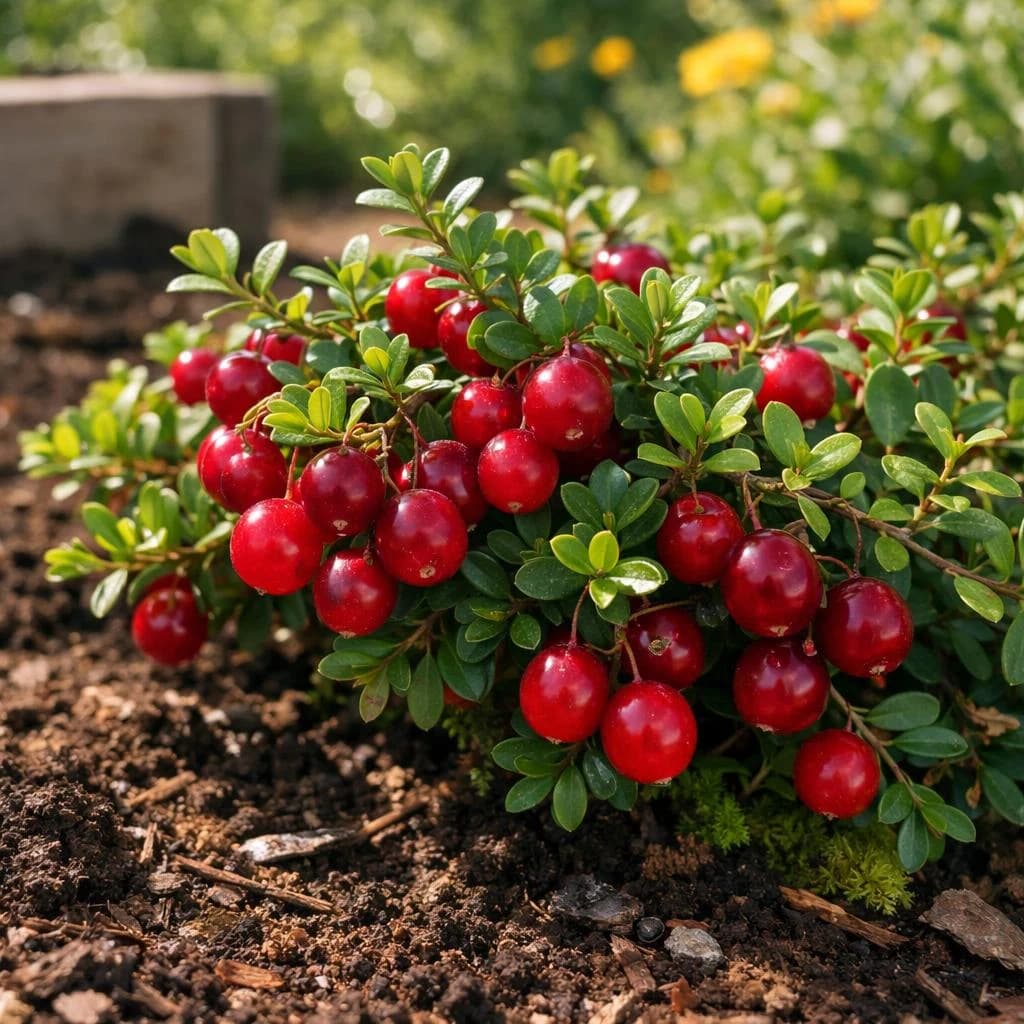
Buy rooted cranberry plants and set them 30 cm apart in early spring, about 2 weeks before your last frost. Plant them in a bed or a wide, shallow pot filled with very acidic soil, such as peat moss mixed with sand, and soak it well. Spread a thin layer of sand around the plants to help keep weeds down.
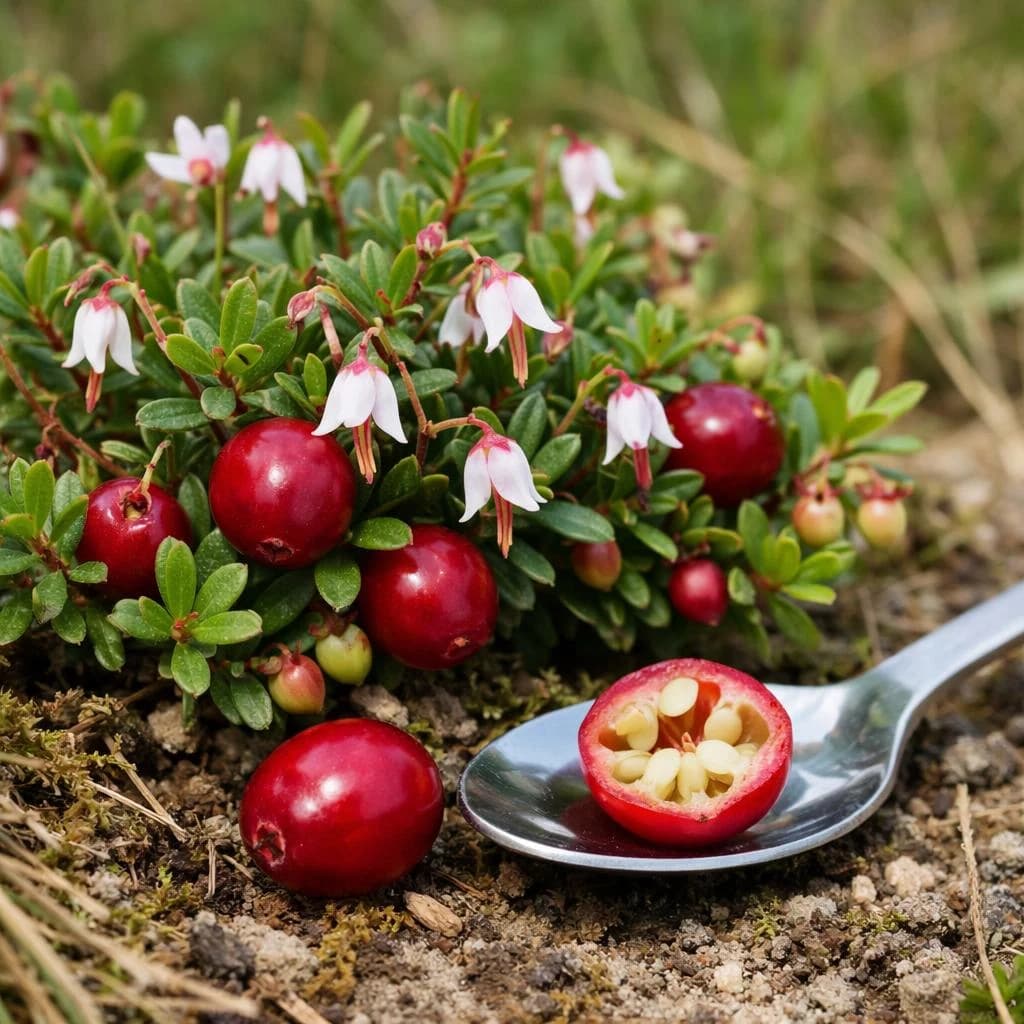
You do not need a flooded bog: the flooded fields you have seen are only for harvesting on big farms. Home cranberries need very acidic soil, about pH 4 to 5, that never dries out, plus full sun. They take about 3 years to crop well, then keep going for many years.
When To Start
Cranberry likes cool weather. Sow it in early spring, as soon as the ground can be worked.
We do not have exact sowing dates for this one yet.
When should you plant Cranberry?
Your planting dates depend on your local climate. Sign up and add your location to unlock personalized dates.
Your Cranberry Planting Window
Start planting
May 15, 2026
Last chance
Sep 10, 2026
Your Cranberry Calendar
Set your location to turn these into exact dates and reminders.
Plant cranberries in very acidic, damp soil
2 weeks before your last frost
Pick cranberries when deep red and firm, after a frost
Around your first frost· every year
Water your new cranberry plants well while they settle in. Deep and slow is best.
About 1 days after you plant it
Hello from your cranberries! Never let the soil dry out while the plants settle in.
About 30 days after you plant it
Your cranberries are getting established. Pull weeds by hand so the low runners can spread.
About 90 days after you plant it
The Journey Ahead
Cranberry's Lifecycle

Seedling

Mature Plant
Seed Production
Step 1
Prepare Your Space
30 cm
Plant Spacing
45 cm
Row Spacing
1
Plants / Sq Ft
Vertical Growing
No.
Succession Planting
No.
Good Companions
Bad Companions
Step 2
Planting & Sprouting
Growing Tips
- 1Grow cranberries in full sun for the most berries.
- 2Keep the soil very acidic, pH 4 to 5, with peat moss and sand, and skip garden compost, which is not acidic enough for them.
- 3Never let the soil dry out, and use rainwater when you can, because tap water is often hard enough to make the soil less acidic over time.
- 4Feed very lightly, since a thin sprinkle of worm castings in spring is plenty and too much food gives long runners and few berries.
- 5Pull weeds by hand often, because the low vines cannot compete with them.
- 6In pots, move them to a sheltered spot for winter and cover them with a thick layer of leaves or straw, since roots in pots freeze harder than roots in the ground.
Seedling Phase
Step 3
Growth & Maturity
20 cm
Mature Height
60 cm
Mature Width
Pests to Watch For
Diseases to Watch For
Mature Plant
Step 4
Harvesting
Harvest Window
21 days
When to Pick
Pick deep-red firm berries in autumn after the first frosts
How to Harvest
- 1Pick cranberries in fall when they are deep red all over and firm, and a light frost or two makes the colour even richer.
- 2A ripe berry bounces when you drop it, while a soft one is past its best.
- 3Pick by hand, or run your fingers through the vines like a comb to pull the berries off.
- 4Keep fresh cranberries in the fridge for about 4 weeks.
- 5Freeze them in a bag for up to a year, and use them straight from frozen in sauces and baking.
Step 5
Saving Seeds
Seed Production
Still have a question?
Ask your coach about your cranberry.
This page covers what we thought to write down. Your cranberry will do something it never mentions, and that is the day a coach beats a guide. Ask Coach Lumen one question right now, free, no account.