How to Grow Phlox
Phlox At a Glance
Difficulty
Easy
Category
Flower
Sun Exposure
Full Sun
Frost Tolerance
Frost Hardy
Cold Hardiness
Survives to -34°C
Plant Family
Polemoniaceae
Growing Season
Warm Season
Plant Lifecycle
Perennial
How to Start It
★ Recommended for beginners
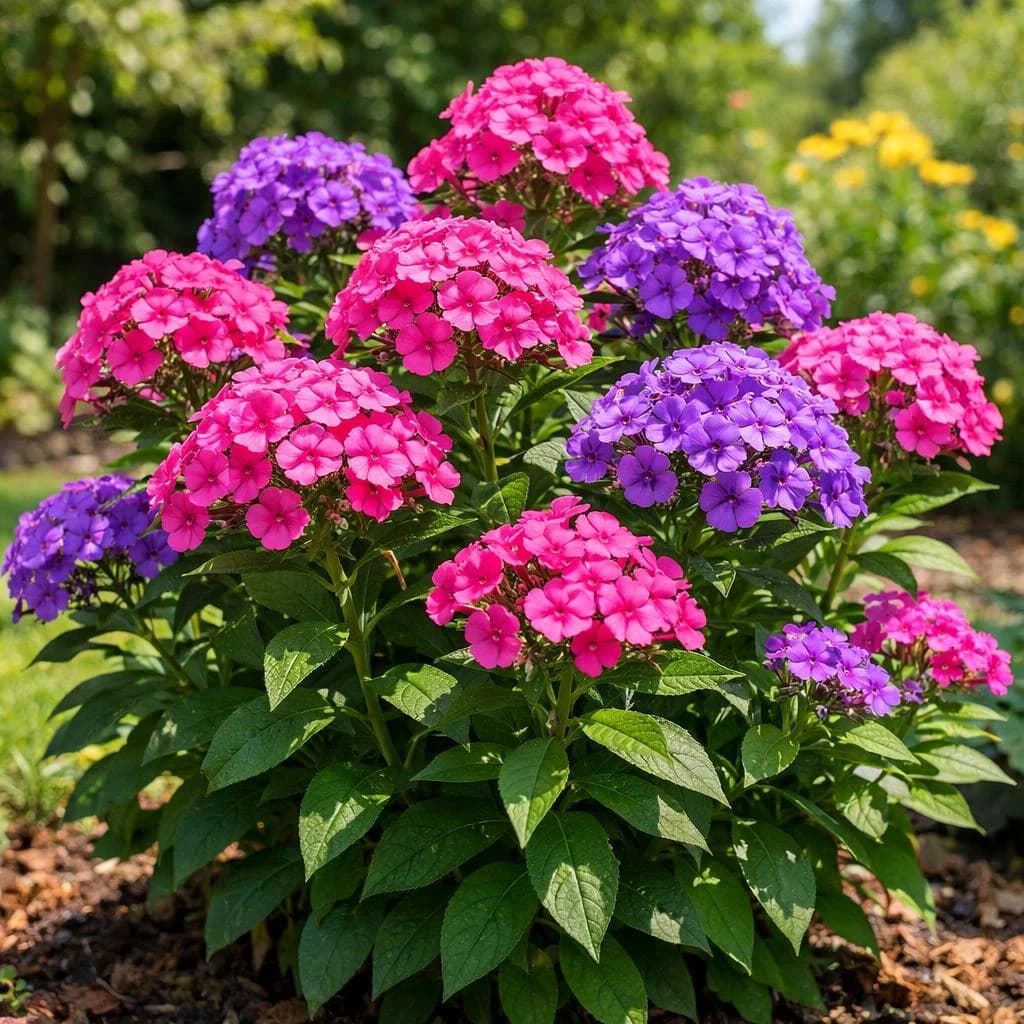
In spring, as new shoots appear, dig up a clump every 3 to 4 years and cut it into pieces with a spade, each with several shoots and plenty of roots. Replant the healthy outer pieces 45 cm apart at the same depth and water well. They settle in fast and often flower the same summer.
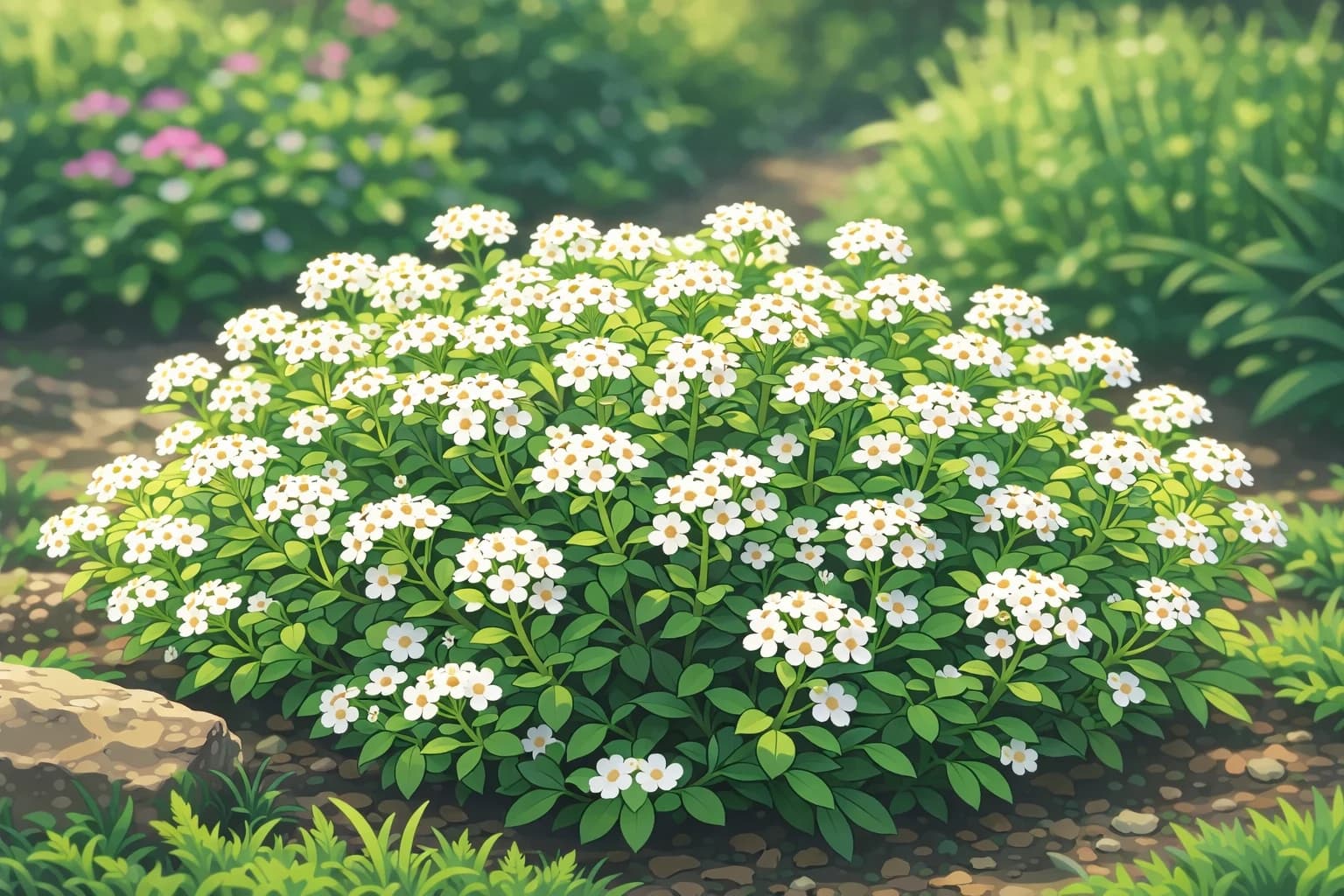
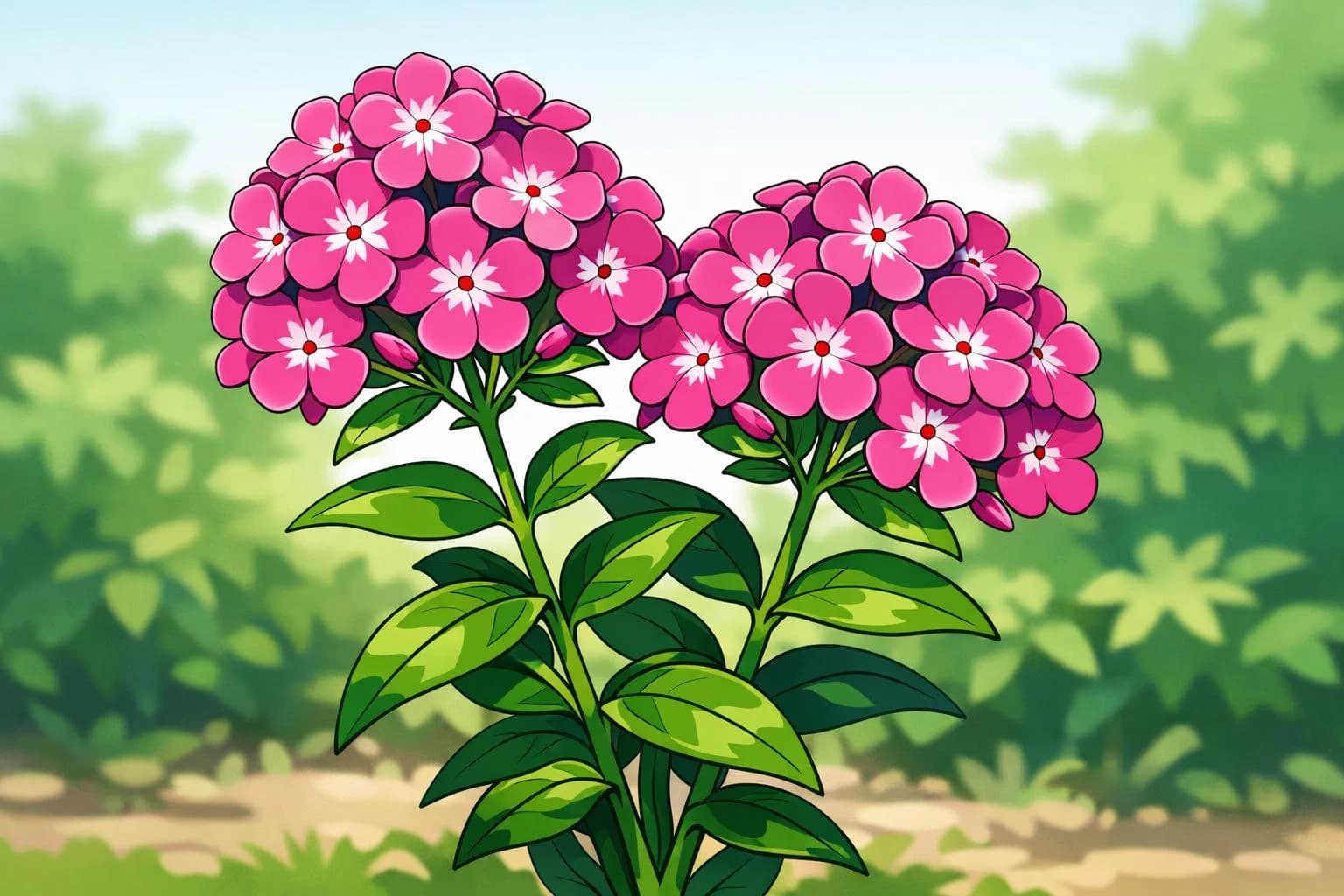
Tall garden phlox fills midsummer with big, sweet-smelling flower heads that butterflies and bees love, and it comes back for many years. Its one weak spot is powdery mildew (a white dust on the leaves), and good airflow is the cure. Seed is rarely sold and seedlings do not look like named varieties, so dividing or buying a plant is the way to start.
When To Start
Phlox needs warmth. Wait until your last frost has passed and the soil has warmed before sowing.
We do not have exact sowing dates for this one yet.
When should you plant Phlox?
Your planting dates depend on your local climate. Sign up and add your location to unlock personalized dates.
Your Phlox Planting Window
Start planting
May 15, 2026
Last chance
Sep 10, 2026
Your Phlox Calendar
Set your location to turn these into exact dates and reminders.
Plant or divide phlox, 45 cm apart for good airflow
Around your last frost· every year
Thin phlox to its strongest stems to keep mildew away
3 weeks after your last frost· every year· optional
Cut phlox for the vase and snip off faded heads
75 days after your last frost· every year· optional
Water your new phlox plants well while they settle in. Deep and slow is best.
About 1 days after you plant it
Your phlox is settling in! Water at the base, not over the leaves, to help keep mildew away.
About 30 days after you plant it
How is your phlox doing? Good airflow around the plant helps keep its leaves healthy.
About 90 days after you plant it
The Journey Ahead
Phlox's Lifecycle
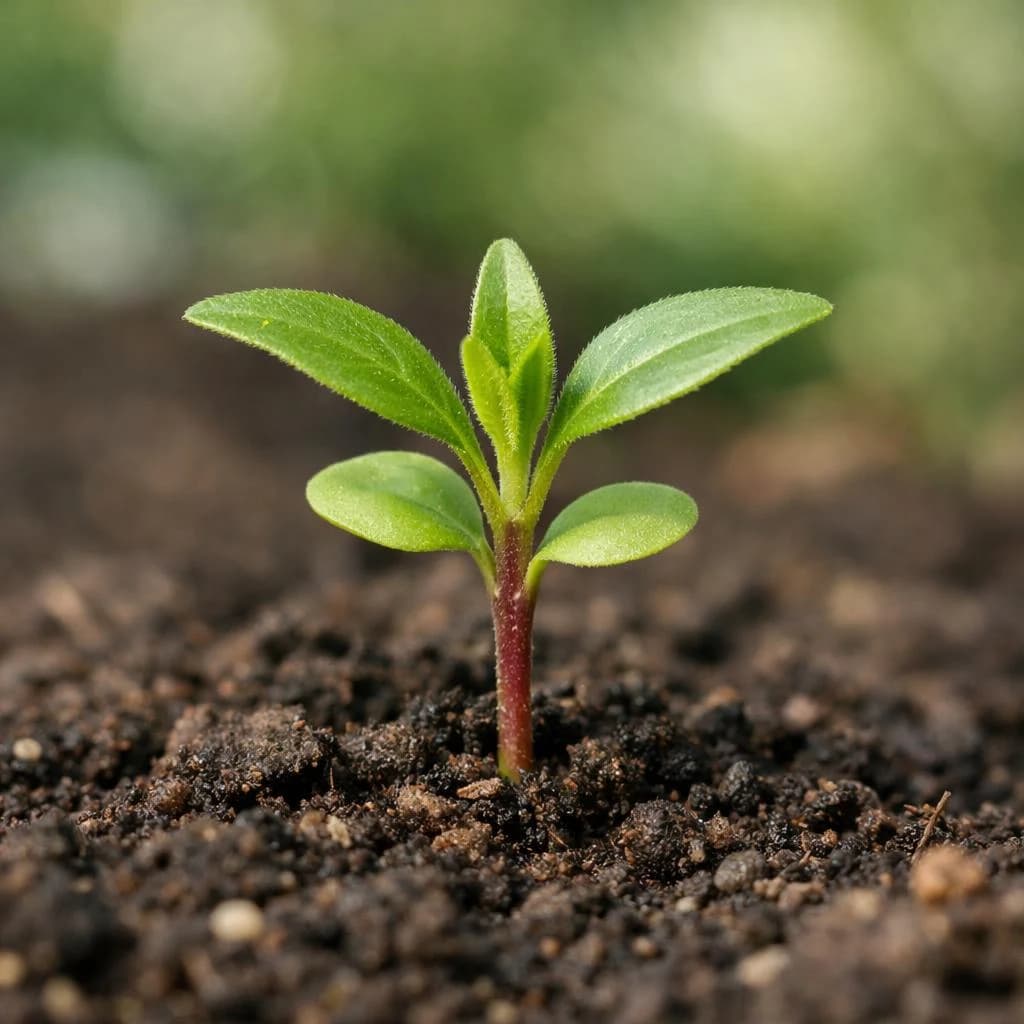
Seedling
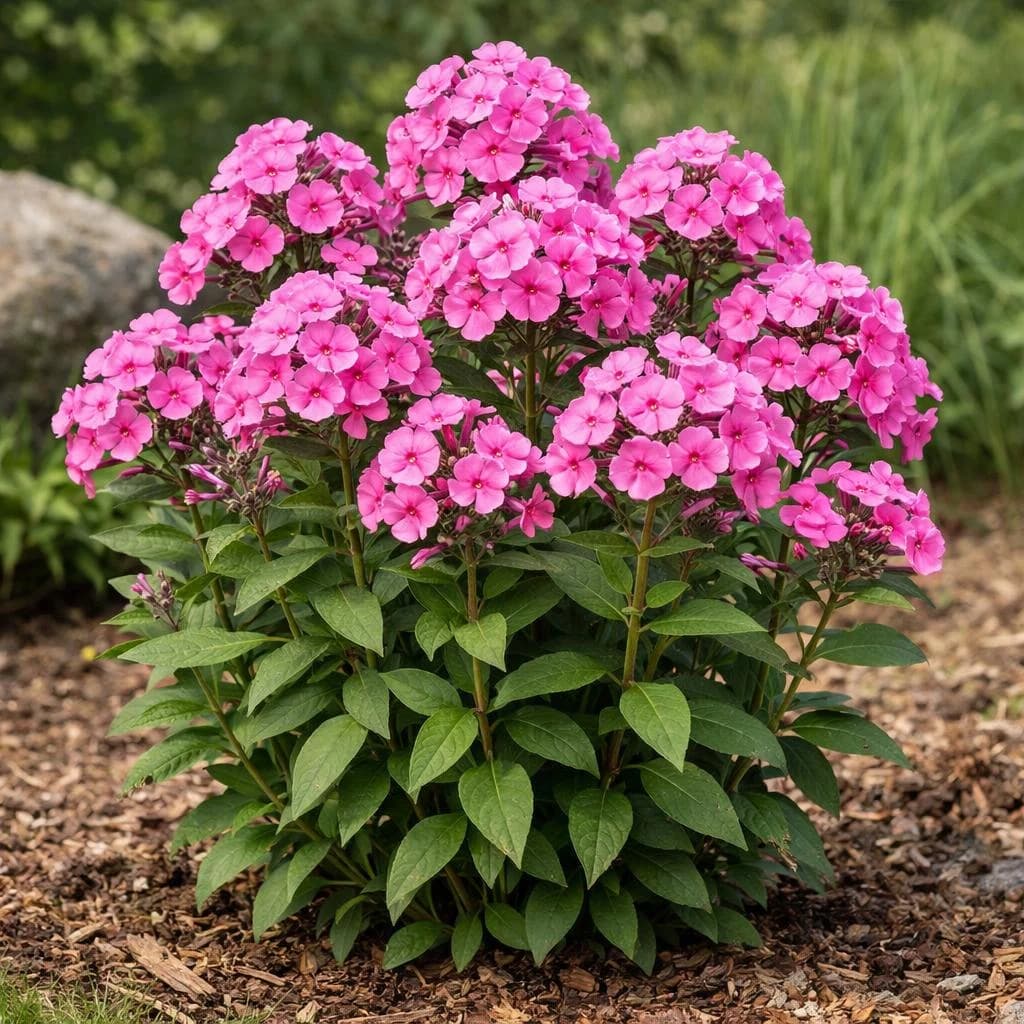
Mature Plant
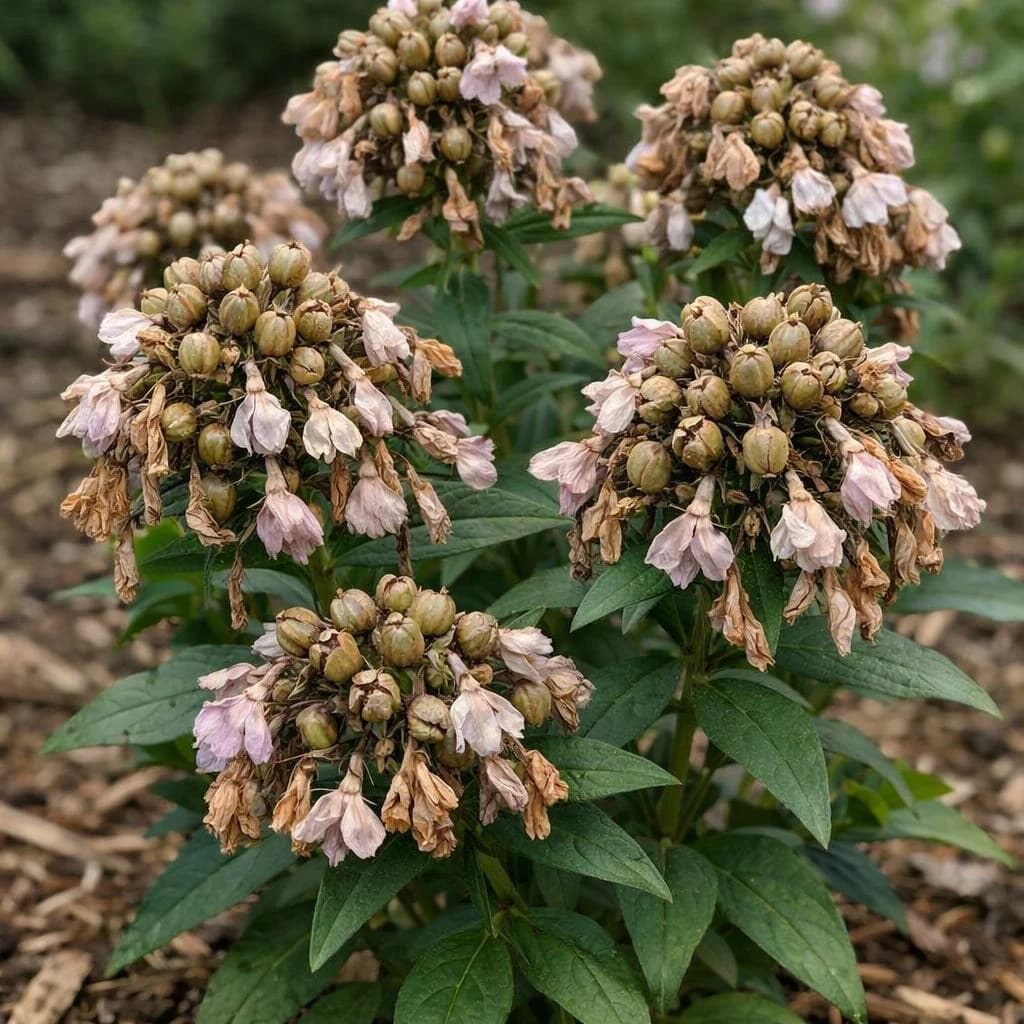
Seed Production
Step 2
Planting & Sprouting
Growing Tips
- 1Plant phlox in full sun, at least 6 hours a day, or light afternoon shade in hot areas.
- 2Mix compost into the soil and add a thin layer each spring, since phlox likes rich soil that stays moist.
- 3Water deeply at the base during dry spells, never over the leaves, because dry roots and wet leaves both bring on mildew.
- 4Spread mulch around the plants to keep the roots cool and moist, and feed with compost tea once in early summer.
- 5In spring, thin each clump to its 5 or 6 strongest stems so air flows through the middle.
- 6Space plants about 45 cm apart, and pull off any leaves with white powder as soon as you see it.
Seedling Phase
Step 3
Growth & Maturity
90 cm
Mature Height
60 cm
Mature Width
Pests to Watch For
Diseases to Watch For
Mature Plant
Step 4
Harvesting
When to Pick
Blooms midsummer to early autumn; sweetly scented and great for cutting
How to Harvest
- 1Cut stems for the vase in the morning when about half the flowers on a head are open.
- 2Cut faded flower heads off just above a leaf, and side shoots will flower for weeks more.
- 3Remove faded heads before they drop seed, since seedlings come up in a different, often dull colour and crowd out the parent.
- 4After frost blackens the plant in fall, cut all stems to the ground and clear them away, which removes mildew spores.
- 5Every 3 to 4 years, dig up and divide the clump in spring to keep it strong.
Step 5
Saving Seeds
Seed Production
Still have a question?
Ask your coach about your phlox.
This page covers what we thought to write down. Your phlox will do something it never mentions, and that is the day a coach beats a guide. Ask Coach Lumen one question right now, free, no account.