How to Grow Daylily
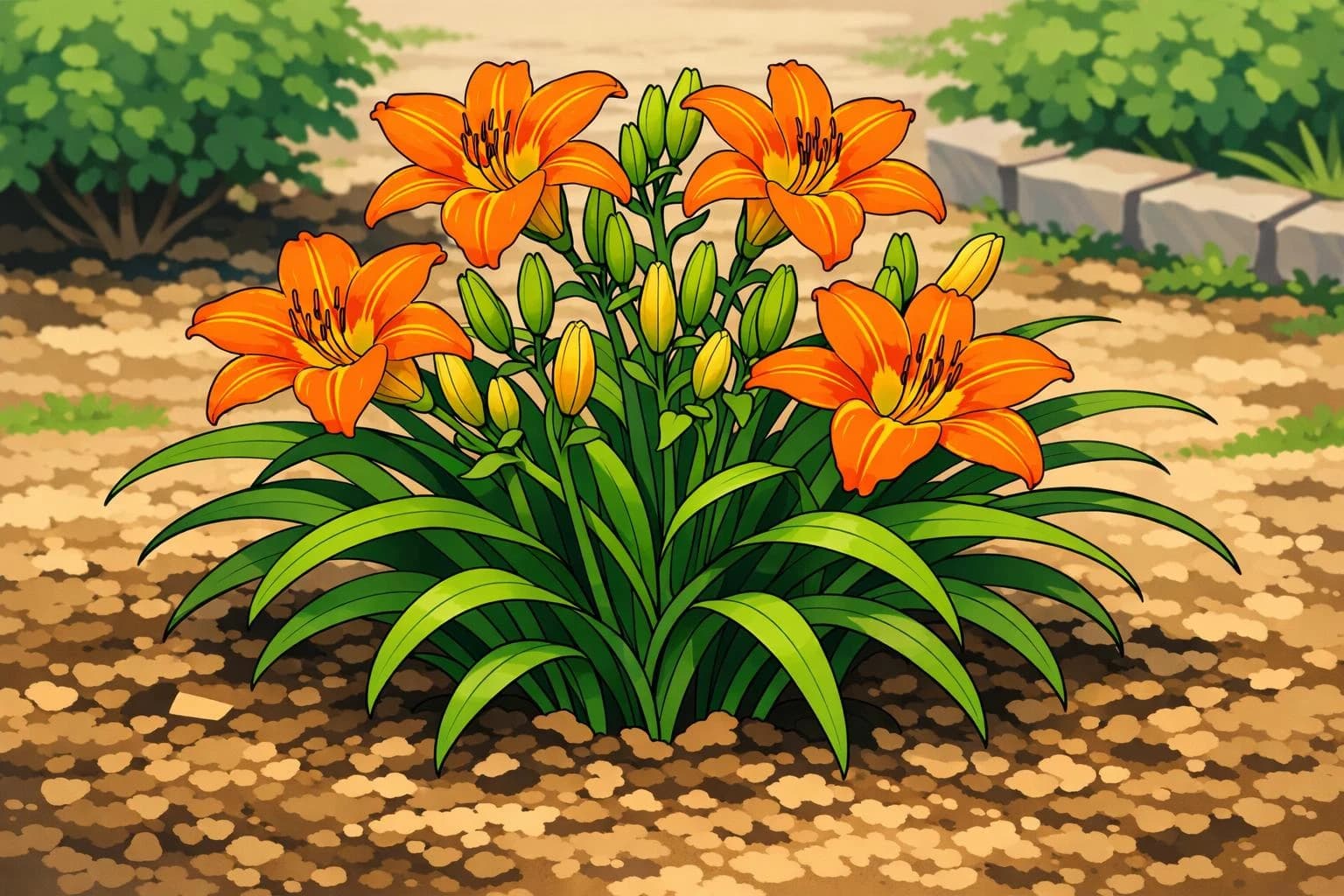
Daylily At a Glance
Difficulty
Easy
Category
Flower
Sun Exposure
Full Sun
Frost Tolerance
Frost Hardy
Cold Hardiness
Survives to -34°C
Plant Family
Asphodelaceae
Growing Season
Warm Season
Plant Lifecycle
Perennial
How to Start It
★ Recommended for beginners
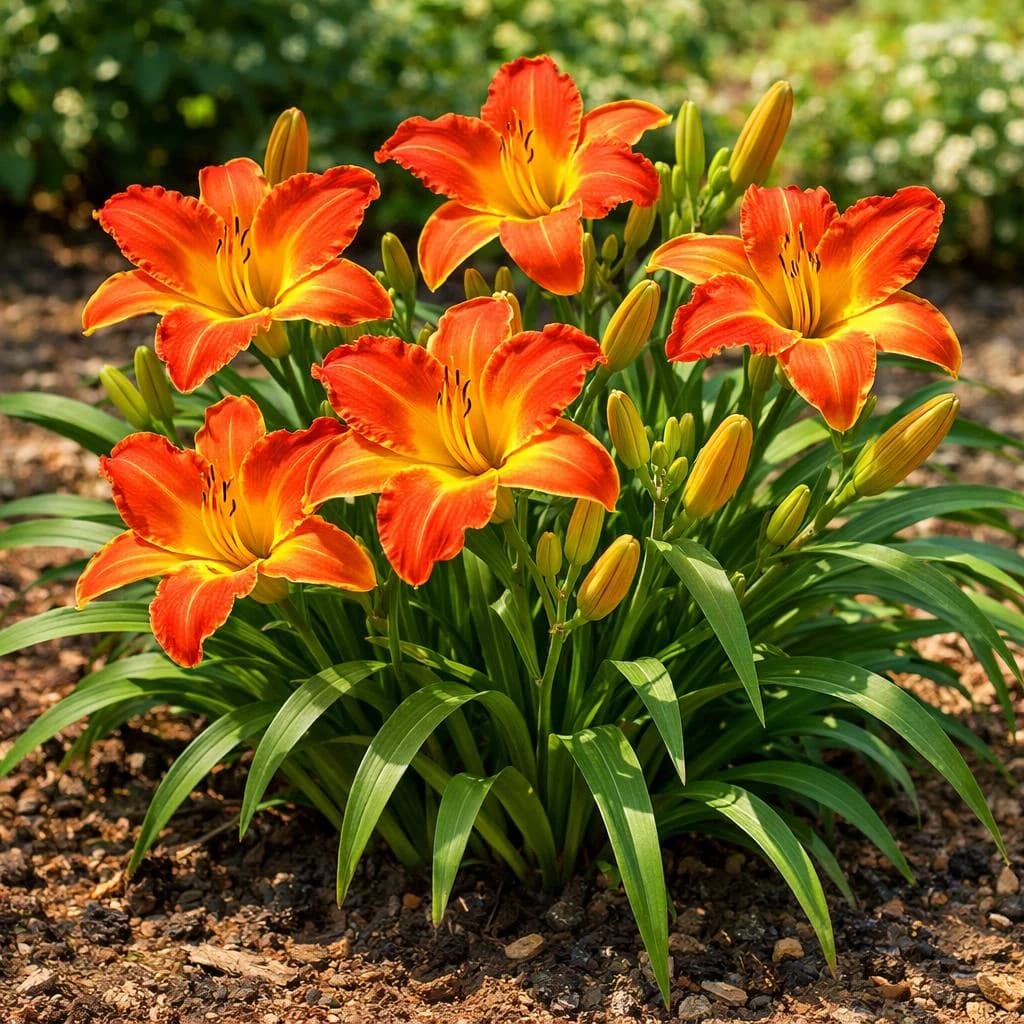
Dig up a clump in spring as new shoots appear, or in early fall, and pull or cut it into pieces, each with a fan of leaves and its own roots. Replant them about 50 cm apart with the crown (where leaves meet roots) about 2 cm below the soil, and water well. They usually flower the next summer.
Daylilies are among the toughest flowers there are: they handle heat, drought, poor soil and cold, and come back bigger every year. Each flower lasts only a day, but a healthy clump makes so many buds that it blooms for weeks. Daylilies are very toxic to cats, even a nibble of a leaf or a bit of pollen, so skip them if you have a cat.
When To Start
Daylily needs warmth. Wait until your last frost has passed and the soil has warmed before sowing.
We do not have exact sowing dates for this one yet.
When should you plant Daylily?
Your planting dates depend on your local climate. Sign up and add your location to unlock personalized dates.
Your Daylily Planting Window
Start planting
May 15, 2026
Last chance
Sep 10, 2026
Your Daylily Calendar
Set your location to turn these into exact dates and reminders.
Plant or divide daylilies, about 50 cm apart
Around your last frost· every year
Snap off faded daylilies and cut finished stalks
60 days after your last frost· every year· optional
Water your new daylily plants well while they settle in. Deep and slow is best.
About 1 days after you plant it
Hello from your daylilies! Water deeply once a week while the divisions settle in.
About 30 days after you plant it
Your daylilies are getting established. A layer of mulch keeps the soil moist and weeds down.
About 90 days after you plant it
The Journey Ahead
Daylily's Lifecycle
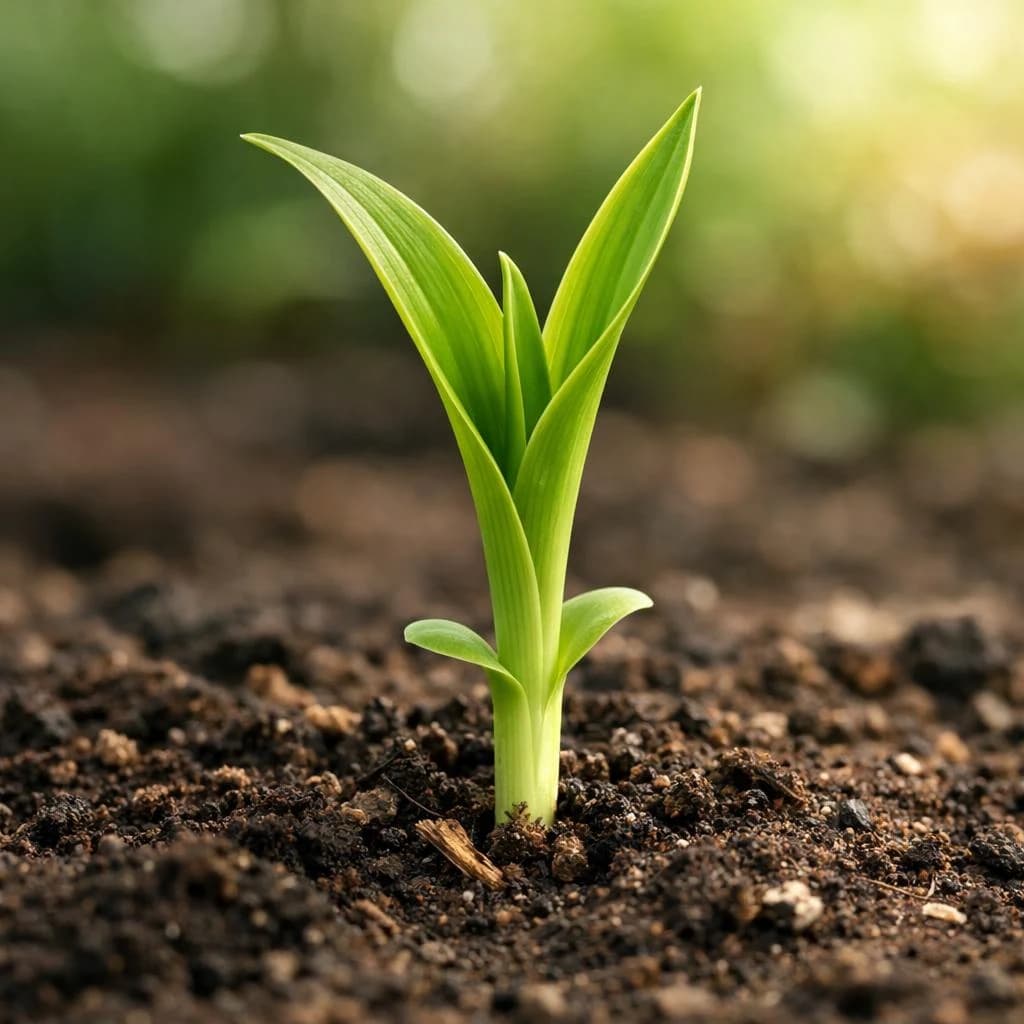
Seedling
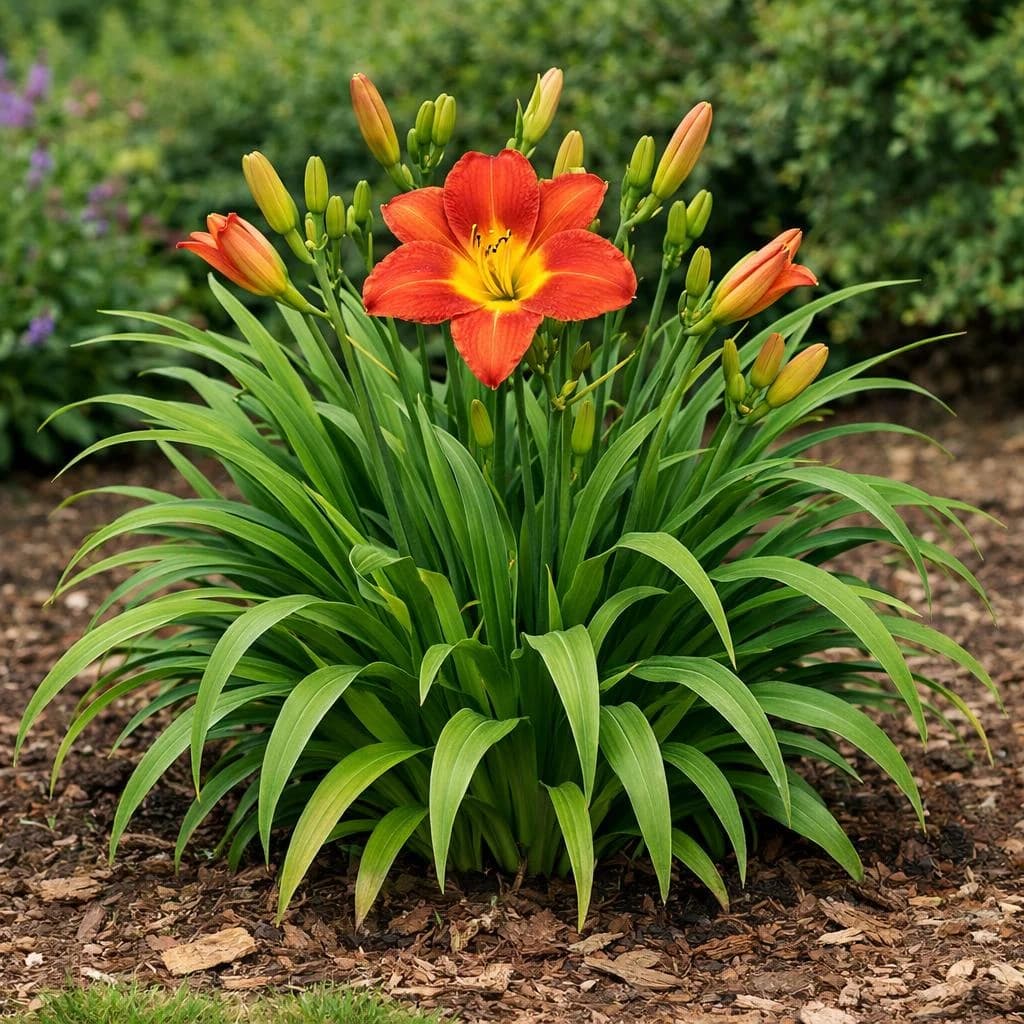
Mature Plant
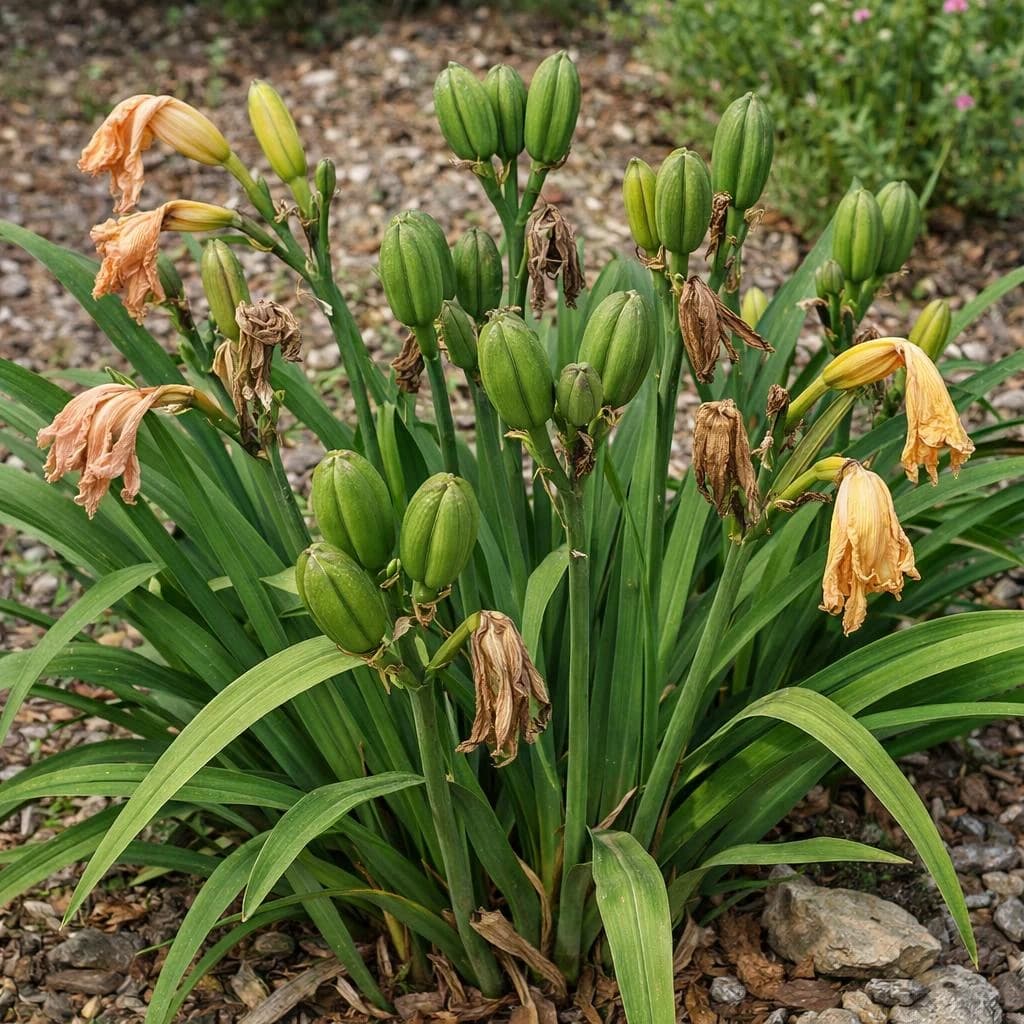
Seed Production
Step 1
Prepare Your Space
50 cm
Plant Spacing
30 cm
Row Spacing
Vertical Growing
No.
Succession Planting
No.
Good Companions
Bad Companions
Step 2
Planting & Sprouting
Growing Tips
- 1Plant daylilies in full sun for the most flowers, though they still bloom in part shade.
- 2They grow in almost any soil, but a little compost at planting helps them settle in fast.
- 3Water deeply while they settle in, then only in long dry spells.
- 4A layer of compost each spring is all the food they need.
- 5Spray aphids and tiny thrips off the buds with water, and keep cats away, since every part of the plant can harm their kidneys.
Seedling Phase
Step 3
Growth & Maturity
70 cm
Mature Height
60 cm
Mature Width
Pests to Watch For
Diseases to Watch For
Mature Plant
Step 4
Harvesting
When to Pick
Each bloom lasts a day, but a clump flowers for weeks through summer
How to Harvest
- 1Snap off faded flowers every day or two to keep the clump neat.
- 2Once all the buds on a stalk have bloomed, cut the whole stalk off at the base.
- 3Pull away brown, dead leaves in late fall or early spring.
- 4Every 3 to 5 years, when the middle of the clump gets crowded and flowers less, dig it up and divide it.
Step 5
Saving Seeds
Seed Production
Still have a question?
Ask your coach about your daylily.
This page covers what we thought to write down. Your daylily will do something it never mentions, and that is the day a coach beats a guide. Ask Coach Lumen one question right now, free, no account.