How to Grow Oats
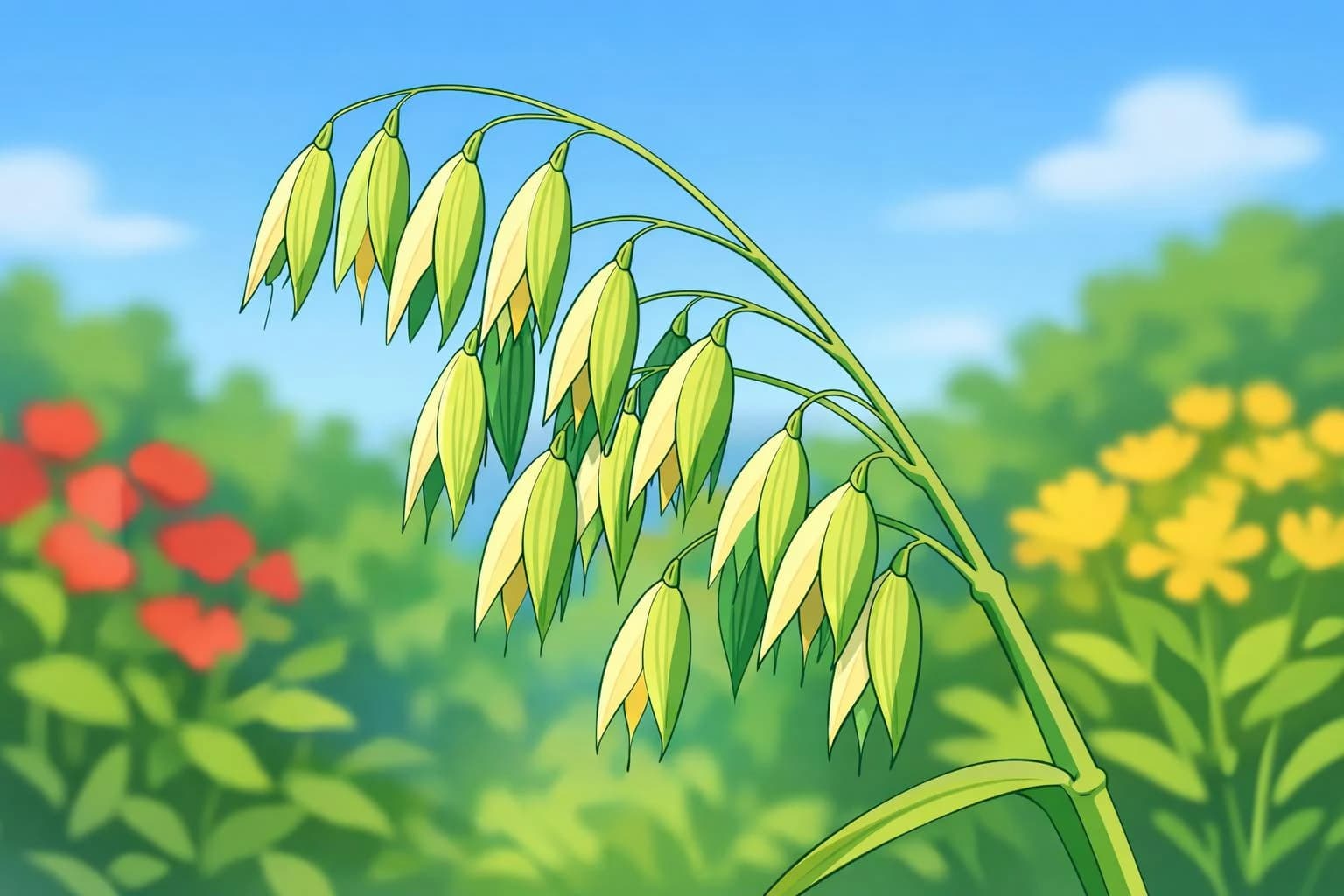
Oats At a Glance
Difficulty
Moderate
Category
Grain
Sun Exposure
Full Sun, Partial Sun
Frost Tolerance
Frost Hardy
Cold Hardiness
Survives to -12°C
Plant Family
Poaceae
Growing Season
Cool Season
Plant Lifecycle
Annual
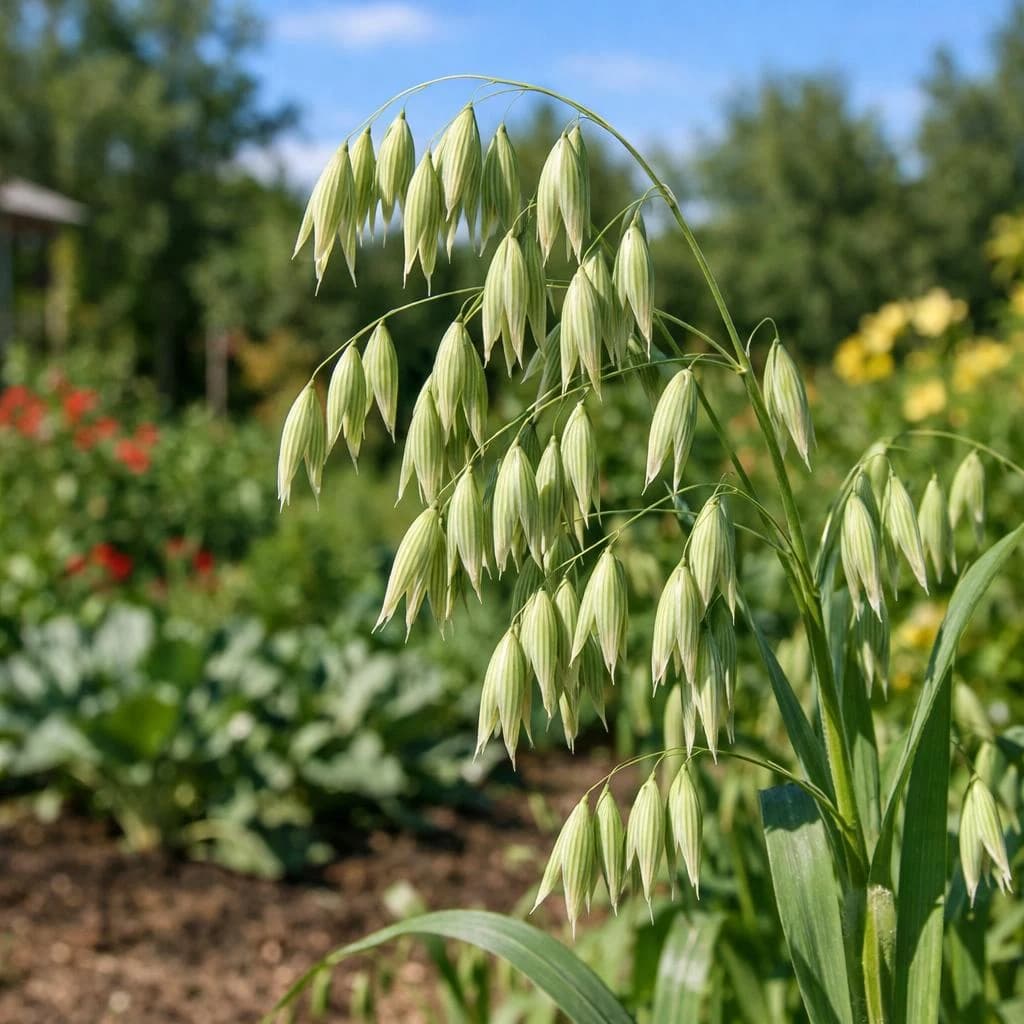
How to Start It
★ Recommended for beginners
Oats like cool weather, so sow them in early spring, 2 to 4 weeks before your last frost, as soon as the soil can be worked. Scatter the seeds about 10 cm apart over raked soil, rake them in about 1 cm deep, and water. They sprout in 7 to 14 days, and a net over the bed keeps birds from eating the seed.
Oats are one of the easiest grains to try, and they handle poorer, damper soil than wheat. They also make a fine cover crop (a quick crop grown to protect and feed bare soil): sow them in late summer, and winter frost kills them, leaving a mat of straw to dig in come spring.
When To Start
First chance to plant
30 Days Before Last Frost
Last chance to plant
40 Days Before First Frost
When should you plant Oats?
Your planting dates depend on your local climate. Sign up and add your location to unlock personalized dates.
Your Oats Planting Window
Start planting
May 15, 2026
Last chance
Sep 10, 2026
Your Oats Calendar
Set your location to turn these into exact dates and reminders.
Sow oats outdoors: scatter the seed and rake it in
3 weeks before your last frost· every year
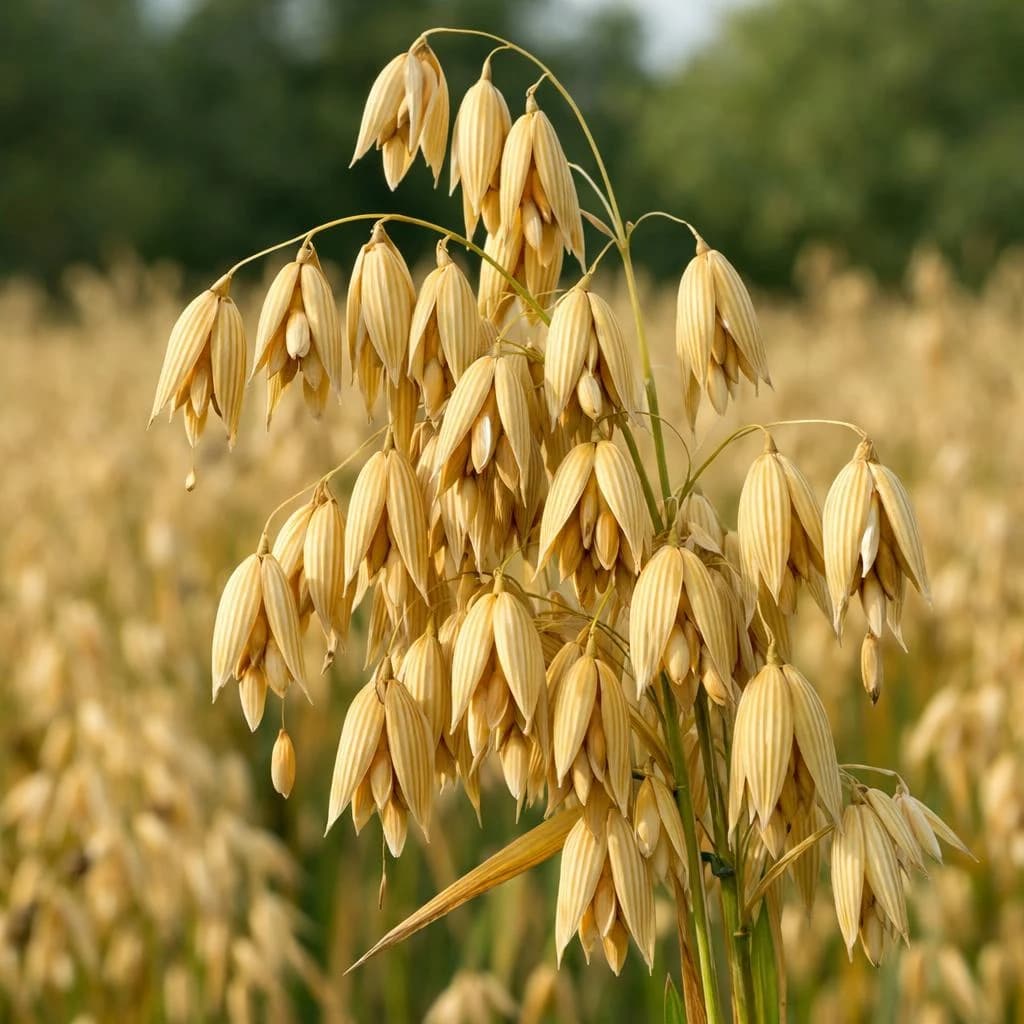
Harvest oats when the heads turn golden and droop
120 days after your last frost· every year· optional
Did you water your oats seedlings today? Keep the top of the soil damp until they are up and growing.
About 1 days after you plant it
Time to thin the oats seedlings: snip the extras at soil level so each one has room to grow.
About 24 days after you plant it
Your oats are growing! Keep the bed weeded while the young grass fills in.
About 49 days after you plant it
Nice progress! Water during dry spells while the seed heads fill out.
About 84 days after you plant it
Picking time may be here: check your oats.
About 105 days after you plant it
The Journey Ahead
Oats's Lifecycle
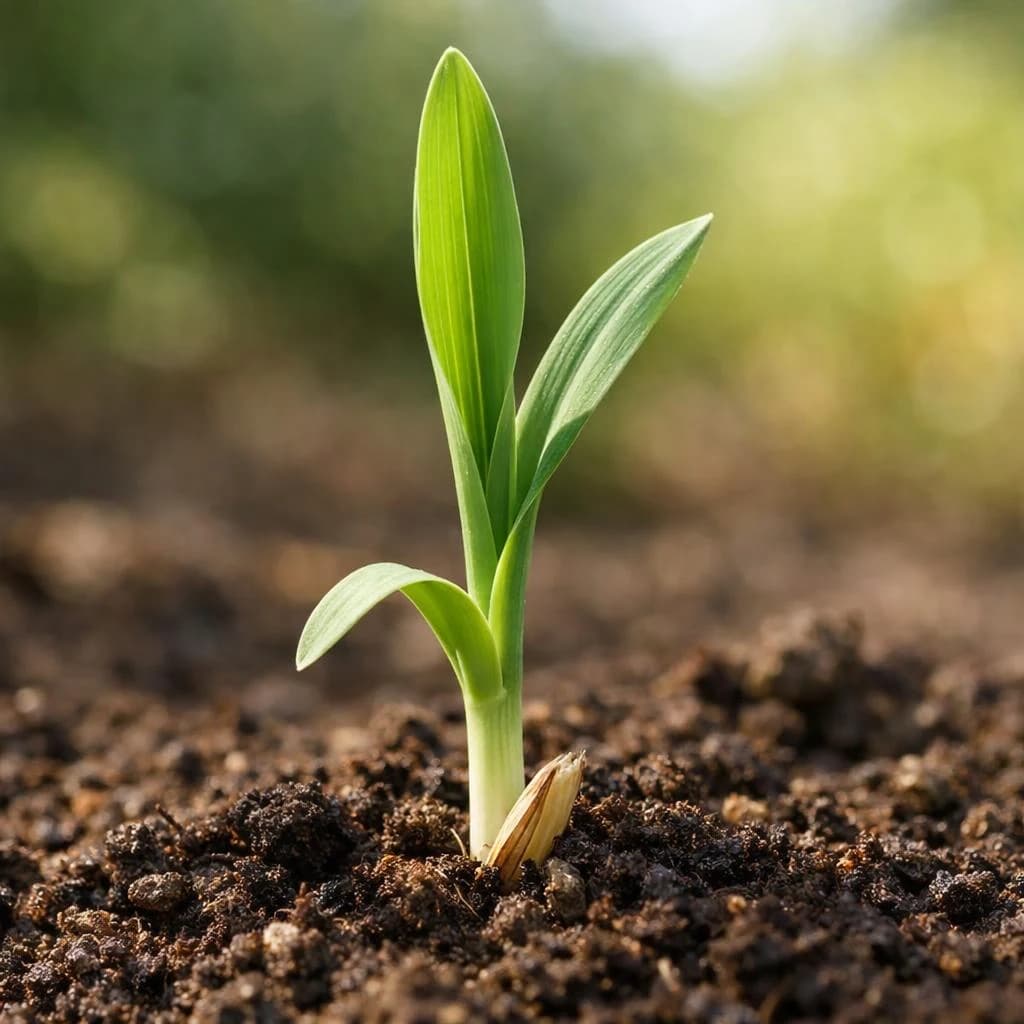
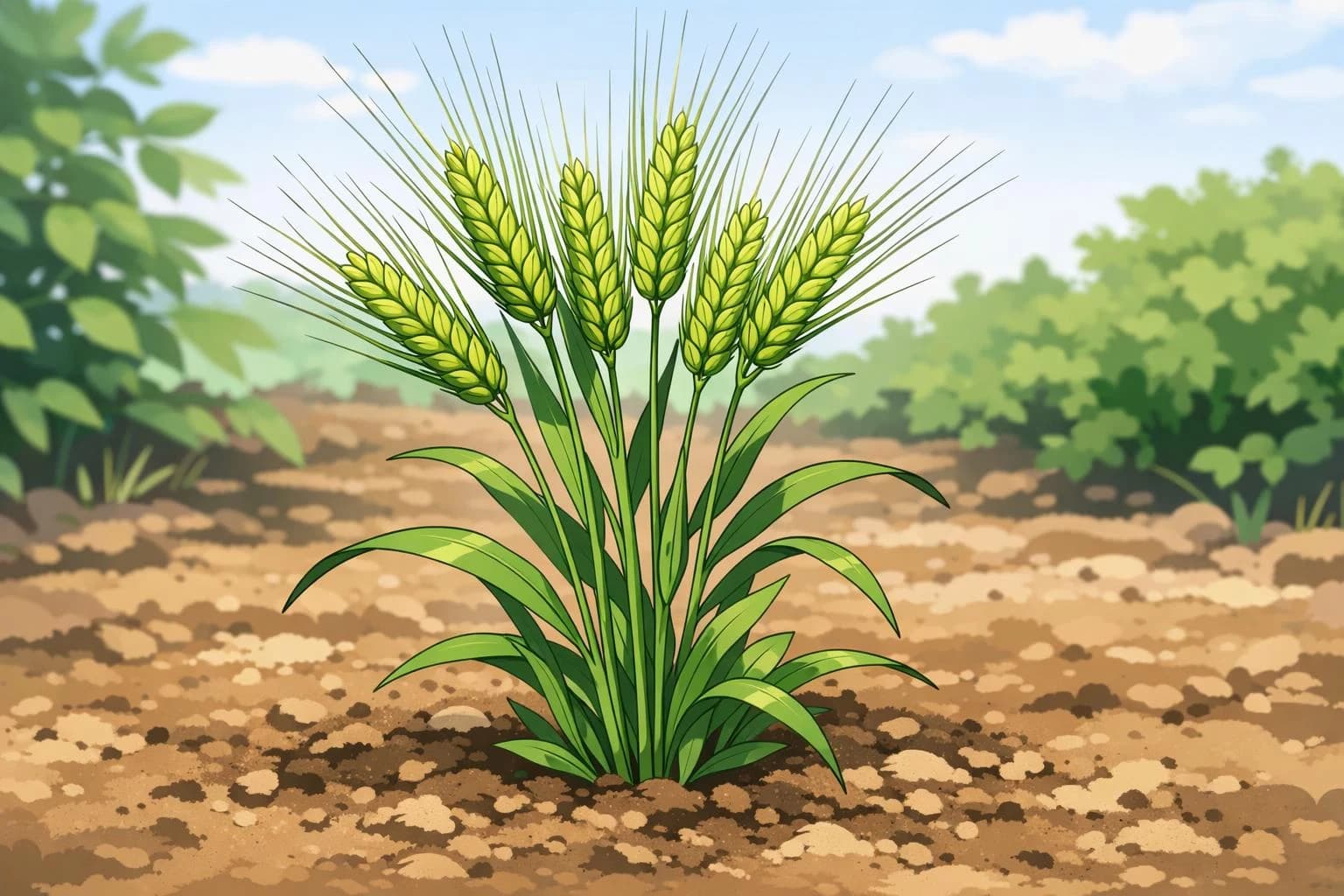
Seedling
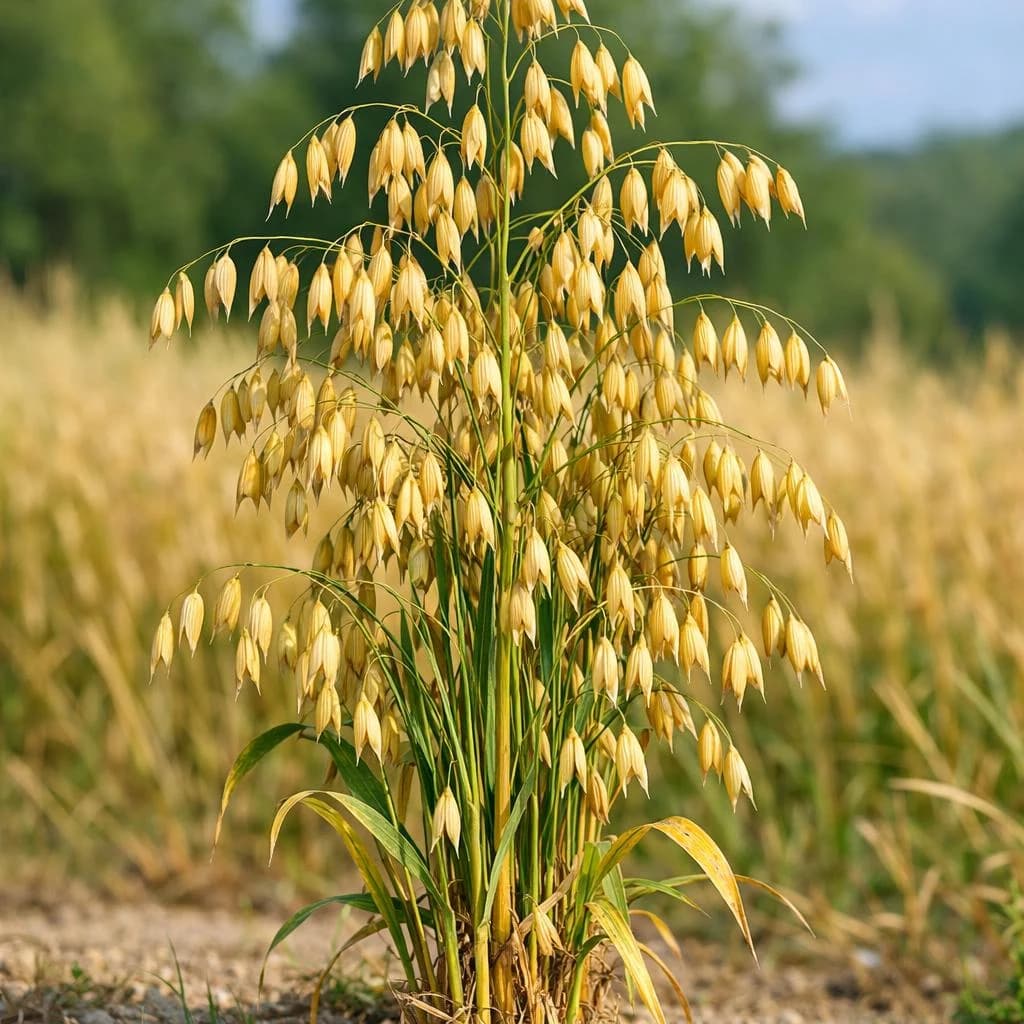
Mature Plant
Seed Production
Step 1
Prepare Your Space
1 cm
Seeding Depth
10 cm
Plant Spacing
30 cm
Row Spacing
9
Plants / Sq Ft
Vertical Growing
No.
Method: None
Succession Planting
Yes.
Good Companions
Bad Companions
Step 2
Planting & Sprouting
Expect sprouts in 7–14 days
Growing Tips
- 1Grow oats in full sun, at least 6 hours a day.
- 2Rake in a little compost before sowing, but do not overdo it, since too rich a soil makes tall, floppy stalks that fall over.
- 3Keep the soil damp until the seedlings are up, then water deeply about once a week in dry spells.
- 4Oats rarely need feeding, so a little compost at sowing time is enough.
- 5Pull weeds while the oats are young, since a thick stand soon shades them out on its own.
- 6If aphids cluster on the leaves, knock them off with a spray of water and let ladybugs finish the job.
Seedling Phase
Step 3
Growth & Maturity
~105
Days to Maturity
100 cm
Mature Height
30 cm
Mature Width
Pests to Watch For
Diseases to Watch For
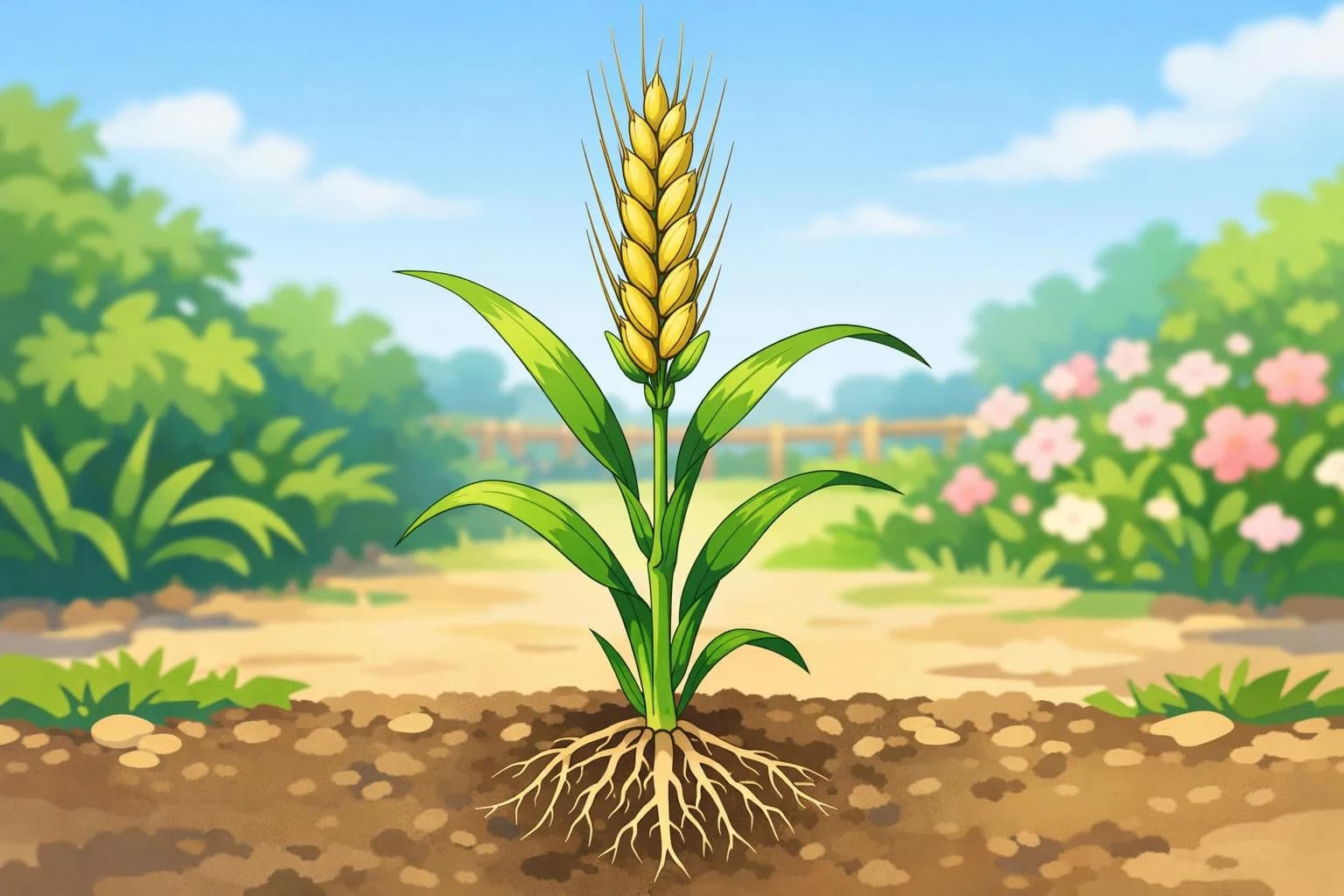
Mature Plant
Step 4
Harvesting
Harvest Window
21 days
When to Pick
Harvest grain when seed heads turn golden
How to Harvest
- 1Oats are ready about 105 days after sowing, when the stalks and heads turn golden and the heads droop.
- 2Press a grain with your fingernail: it should be firm, not milky or doughy.
- 3Cut the stalks near the ground with pruners or a sickle and tie them in small bundles.
- 4Hang or stand the bundles in a dry, airy spot for 1 to 2 weeks to finish drying.
- 5Rub the heads between your hands over a sheet, then pour the grain from one bowl to another in a breeze to blow away the light bits of husk.
- 6Most oats keep a tight hull around each grain that is hard to remove at home, so hulless oats are the easiest kind to eat.
Step 5
Saving Seeds
How to Save Seeds
Oats pollinate themselves, so the seeds grow true and different kinds rarely mix. Save seed from your best, sturdiest plants once the heads are fully dry and golden. After rubbing out and cleaning the grain, spread it out for another week so it is bone dry. Store it in a labelled paper bag or jar somewhere cool, dark and dry, safe from mice, where it keeps about 3 years.
Seed Production
Still have a question?
Ask your coach about your oats.
This page covers what we thought to write down. Your oats will do something it never mentions, and that is the day a coach beats a guide. Ask Coach Lumen one question right now, free, no account.