How to Grow Jerusalem Artichoke
Jerusalem Artichoke At a Glance
Difficulty
Easy
Category
Vegetable
Sun Exposure
Full Sun
Frost Tolerance
Frost Hardy
Cold Hardiness
Survives to -34°C
Plant Family
Asteraceae
Growing Season
Warm Season
Plant Lifecycle
Perennial
How to Start It
★ Recommended for beginners
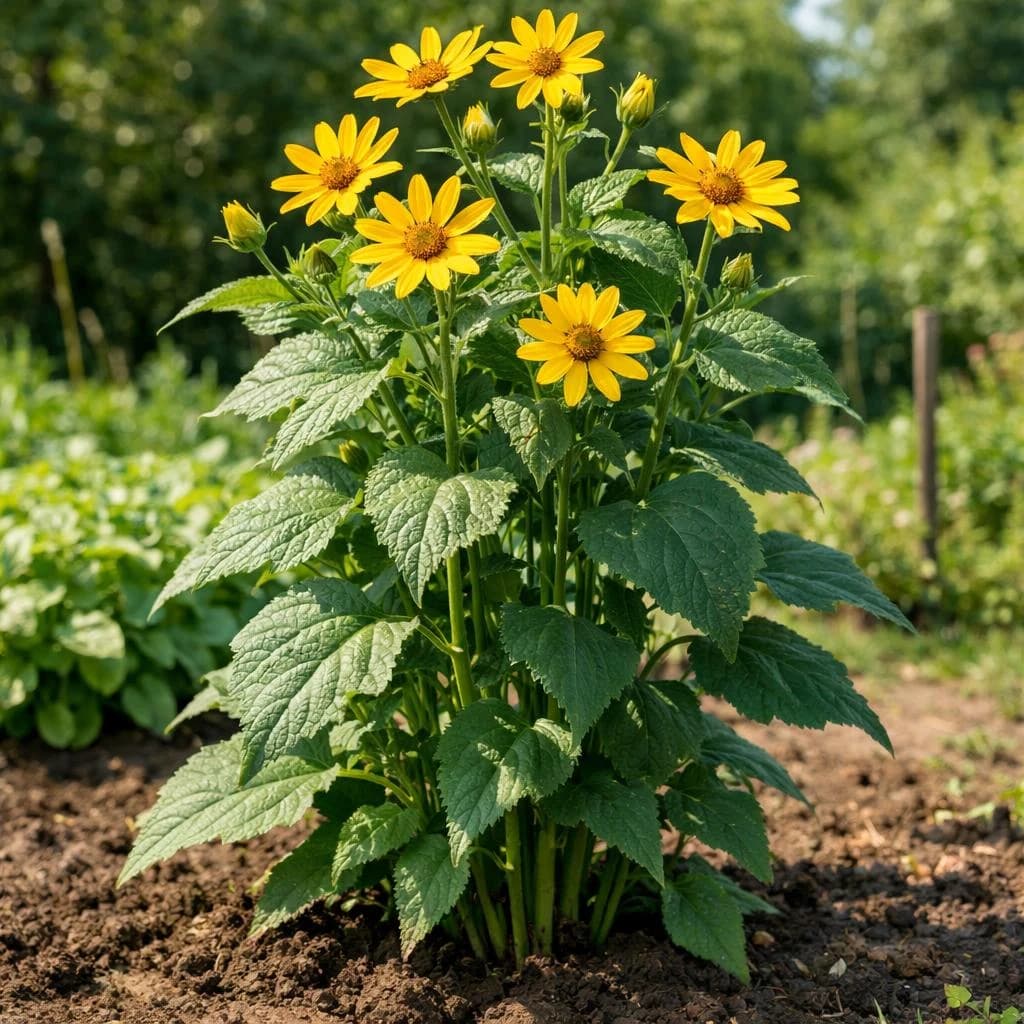
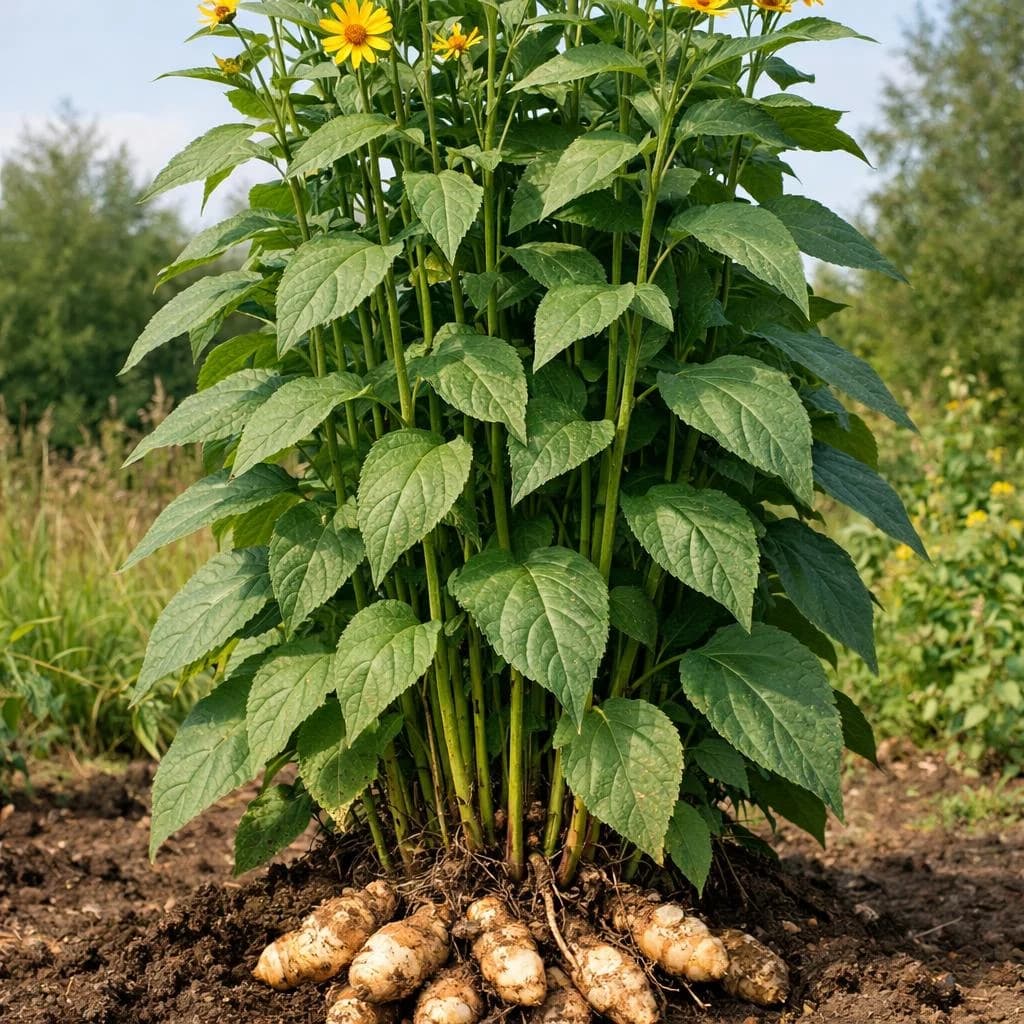
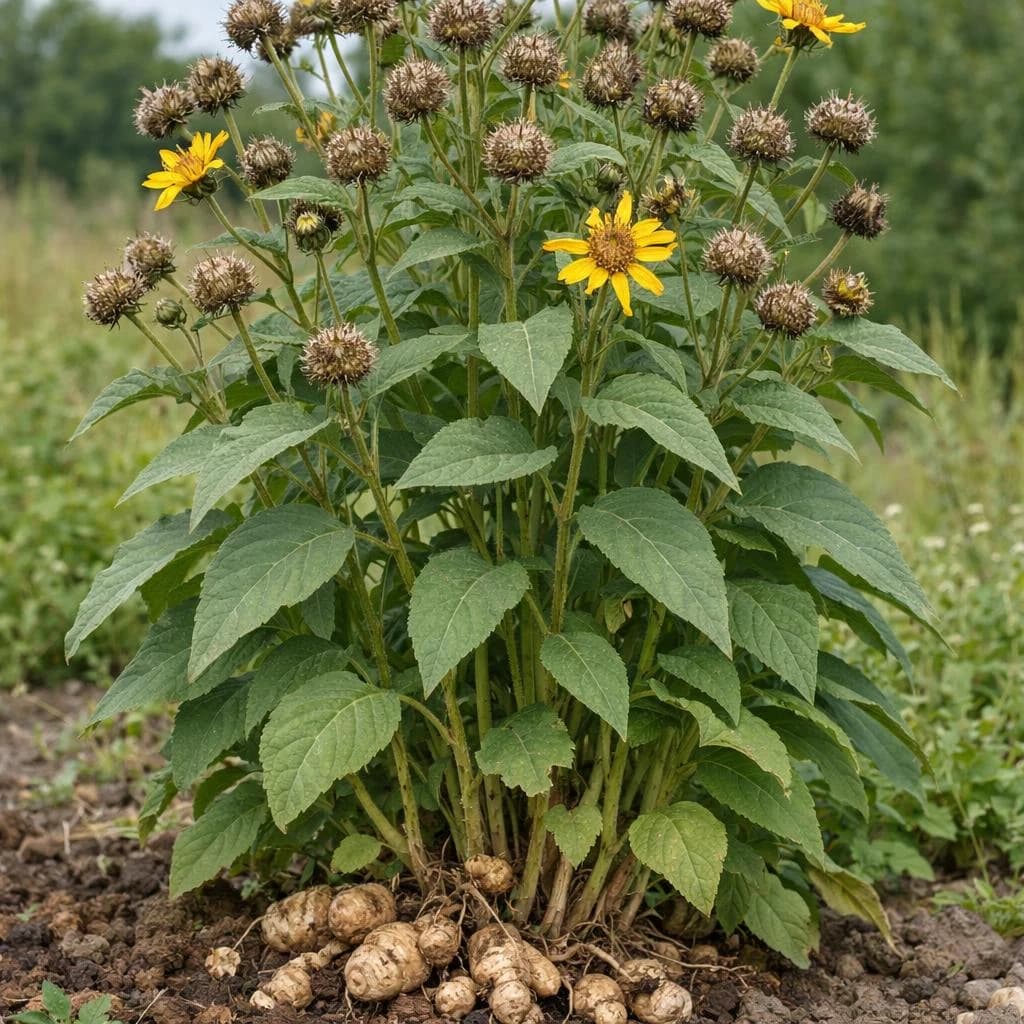
Plant whole tubers in early spring, about 2 weeks before your last frost, 10 cm deep and 45 cm apart. Tubers from a grocery store or farmers' market work just as well as ones from a garden centre. Shoots grow into stems 2 to 3 m tall that give tubers the same fall. Choose the spot with care, because any piece of tuber left in the ground grows back.
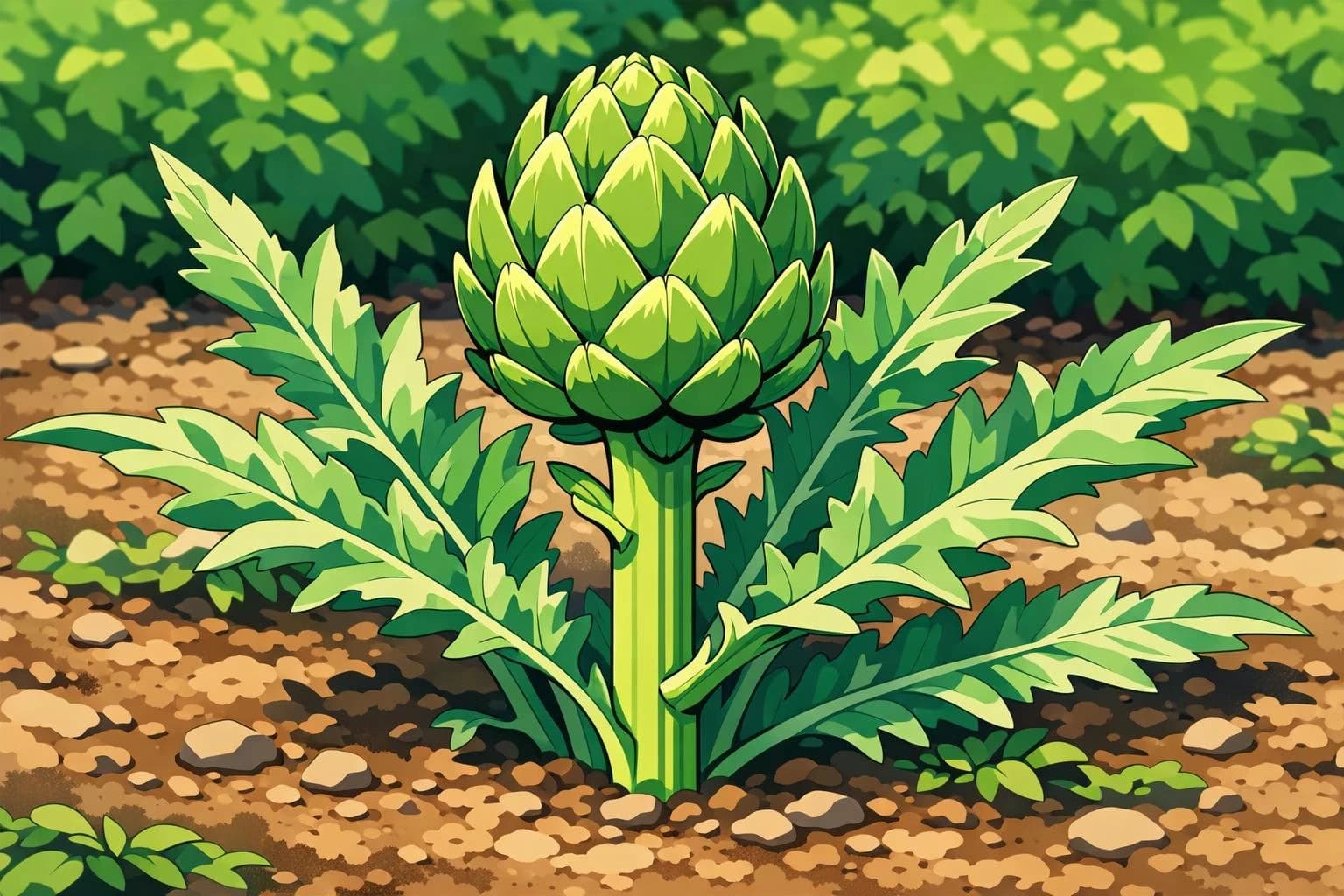
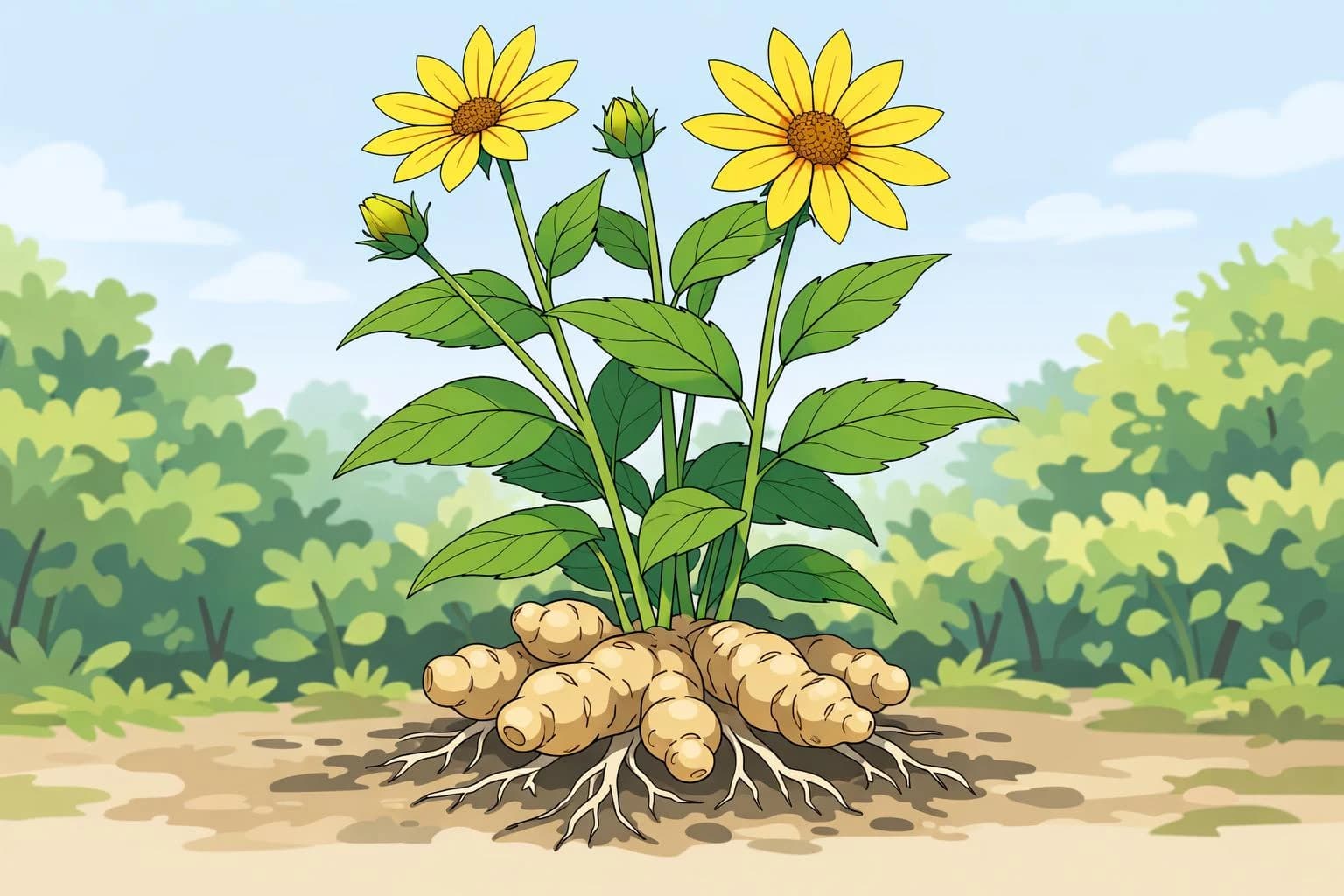
Jerusalem artichokes, also called sunchokes, are tall cousins of the sunflower grown for their knobbly, nutty tubers. They come back every year and spread fast, so give them a corner of their own or a big tub, and plant them where their height will not shade other crops.
When To Start
Jerusalem Artichoke needs warmth. Wait until your last frost has passed and the soil has warmed before sowing.
We do not have exact sowing dates for this one yet.
When should you plant Jerusalem Artichoke?
Your planting dates depend on your local climate. Sign up and add your location to unlock personalized dates.
Your Jerusalem Artichoke Planting Window
Start planting
May 15, 2026
Last chance
Sep 10, 2026
Your Jerusalem Artichoke Calendar
Set your location to turn these into exact dates and reminders.
Plant sunchoke tubers 10 cm deep in their own corner
2 weeks before your last frost
Dig sunchokes now that frost has blackened the tops
Around your first frost· every year
Water your new jerusalem artichoke plants well while they settle in. Deep and slow is best.
About 1 days after you plant it
Hi from your growing space! Keep the soil lightly moist while your Jerusalem artichokes sprout.
About 30 days after you plant it
They grow fast! Jerusalem artichokes get very tall, so a stake helps in windy spots.
About 90 days after you plant it
The Journey Ahead
Jerusalem Artichoke's Lifecycle

Seedling
Mature Plant
Seed Production
Step 1
Prepare Your Space
10 cm
Seeding Depth
45 cm
Plant Spacing
90 cm
Row Spacing
Vertical Growing
No.
Succession Planting
No.
Good Companions
Bad Companions
Step 2
Planting & Sprouting
Growing Tips
- 1Plant sunchokes in full sun, at least 6 hours a day.
- 2They grow in almost any soil, and a few handfuls of compost at planting is all they need.
- 3Water in long dry spells, especially once the flowers appear and the tubers are swelling.
- 4Tie the tall stems to a stake or fence in windy spots so they do not blow over.
- 5To keep them in bounds, grow them in a big tub or bury a barrier about 30 cm deep around the patch.
Seedling Phase
Step 3
Growth & Maturity
250 cm
Mature Height
60 cm
Mature Width
Pests to Watch For
Diseases to Watch For
Mature Plant
Step 4
Harvesting
Harvest Window
60 days
When to Pick
Dig tubers from autumn through winter, after the tops die back
How to Harvest
- 1Wait until frost has blackened the tops, since cold makes the tubers sweeter.
- 2Cut the dead stems down, then dig carefully with a fork, starting 30 cm out from the stem so you do not stab the tubers.
- 3Leave the rest in the ground and dig them as you need them until the soil freezes, or mulch thickly to keep digging into winter.
- 4Keep dug tubers in a bag in the fridge, where they last a couple of weeks before going soft.
- 5Roast them or slice them raw into salads, but start with a small serving, since they can cause gas.
Step 5
Saving Seeds
Seed Production
Still have a question?
Ask your coach about your jerusalem artichoke.
This page covers what we thought to write down. Your jerusalem artichoke will do something it never mentions, and that is the day a coach beats a guide. Ask Coach Lumen one question right now, free, no account.