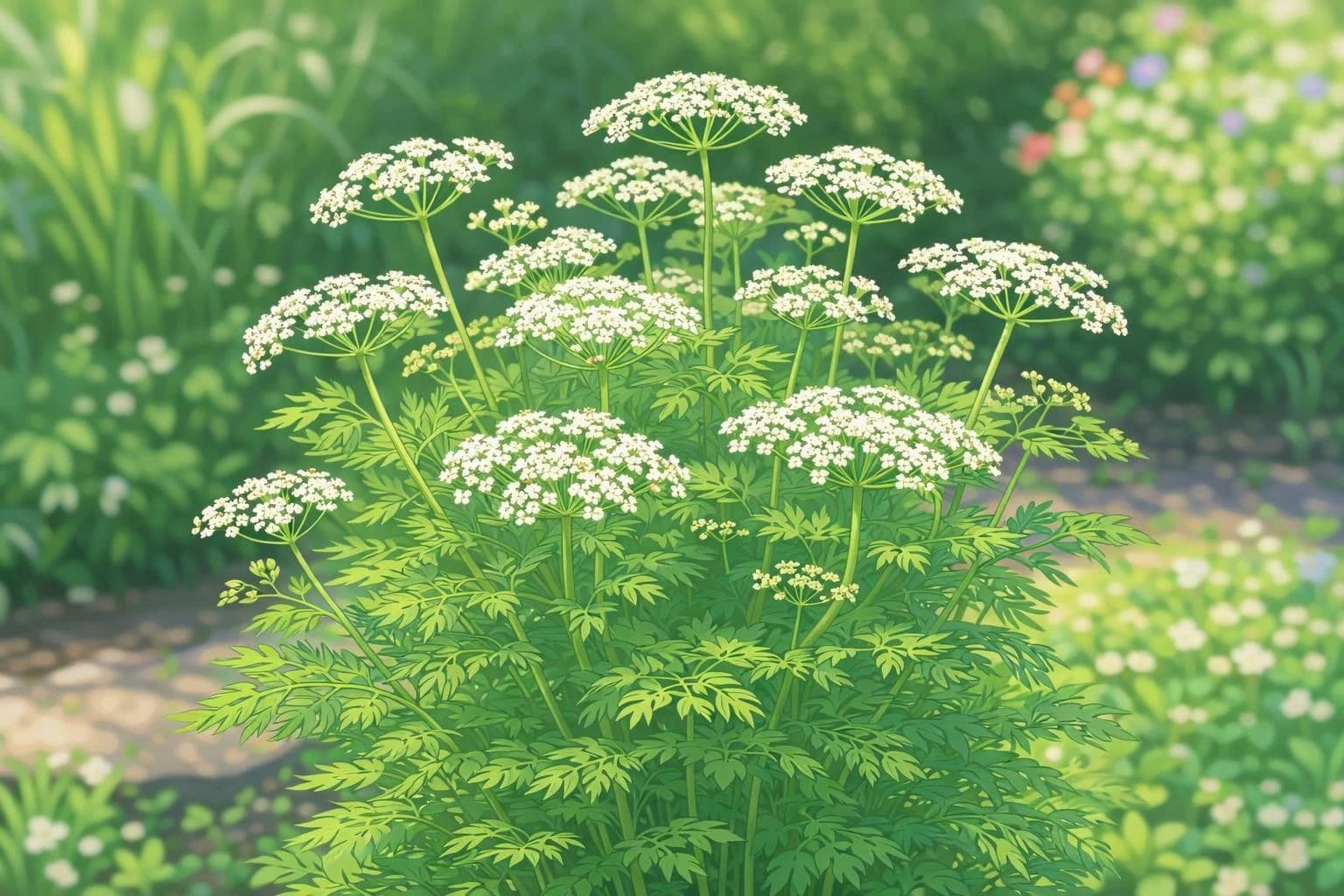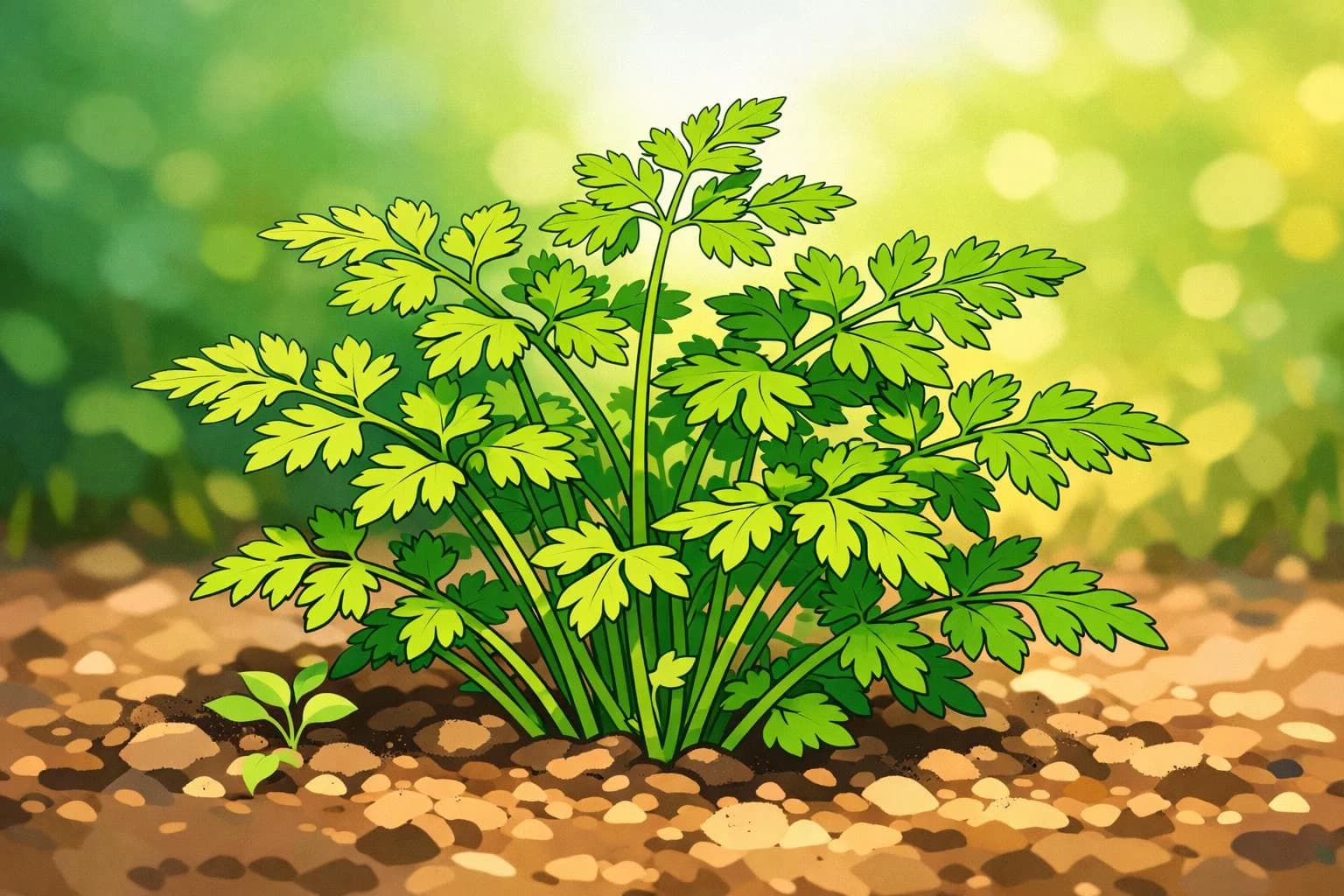
How to Grow Epazote

Epazote At a Glance
Difficulty
Easy
Category
Herb
Sun Exposure
Full Sun
Frost Tolerance
Frost Tender
Cold Hardiness
Survives to 2°C
Plant Family
Amaranthaceae
Growing Season
Warm Season
Plant Lifecycle
Annual
How to Start It
★ Recommended for beginners
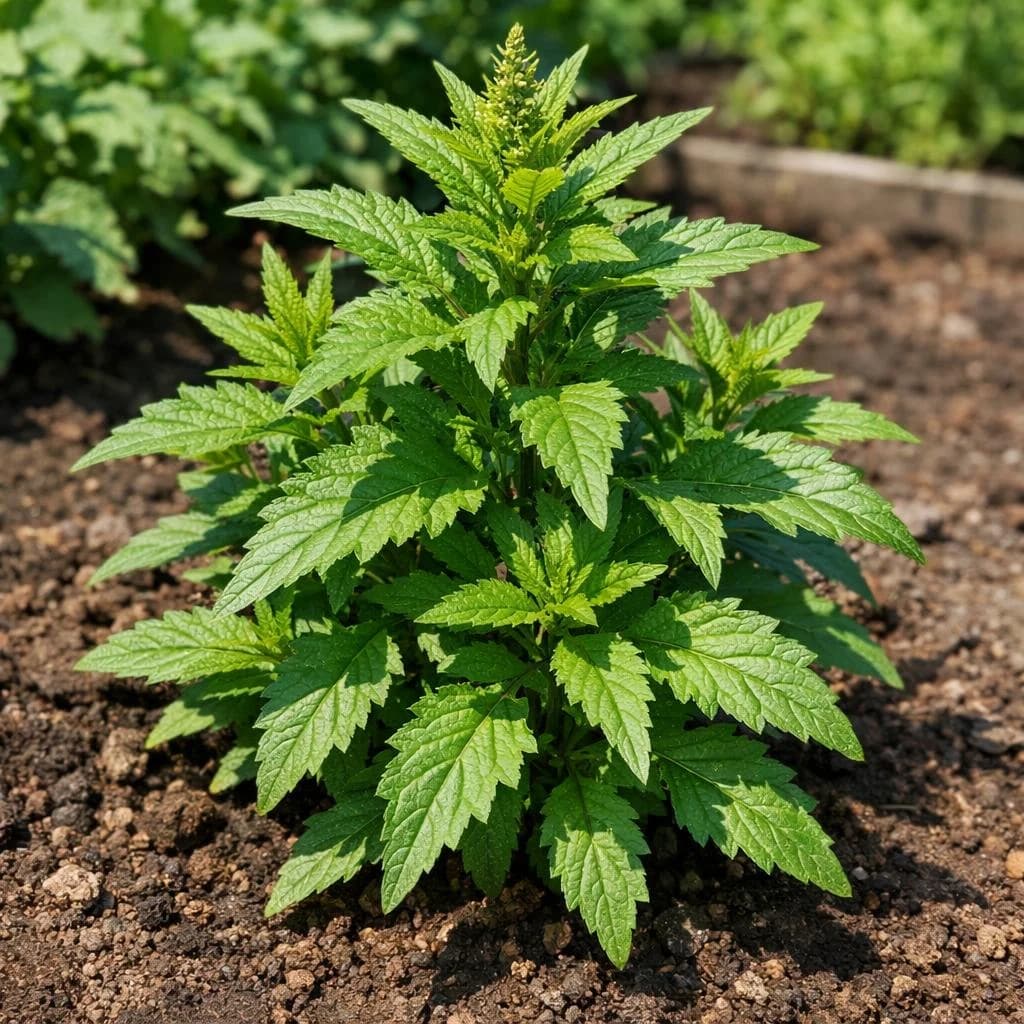
Sow about 1 week after your last spring frost, once the soil is warm. Scatter the tiny seeds, press them in and cover them only very lightly, about 0.3 cm, since they like some light. They sprout in 7 to 14 days: thin them (pull the extras) so plants stand 30 cm apart.
Epazote is a strong-smelling Mexican herb cooked with beans for flavour, and it is said to make them less gassy. It drops lots of seeds and can pop up all over your growing space, so one sowing is usually all you ever need, and cutting off the flowers keeps it in check.
When To Start
Epazote needs warmth. Wait until your last frost has passed and the soil has warmed before sowing.
We do not have exact sowing dates for this one yet.
When should you plant Epazote?
Your planting dates depend on your local climate. Sign up and add your location to unlock personalized dates.
Your Epazote Planting Window
Start planting
May 15, 2026
Last chance
Sep 10, 2026
Your Epazote Calendar
Set your location to turn these into exact dates and reminders.
Sow epazote outdoors now that the soil is warm
1 week after your last frost
Start picking young epazote leaves
About 60 days after you plant it
Did you water your epazote seedlings today? Keep the top of the soil damp until they are up and growing.
About 1 days after you plant it
How is your epazote doing? Water when the top of the soil is dry.
About 34 days after you plant it
Your epazote should be ready to pick. The flavour is strongest before it flowers.
About 54 days after you plant it
Picking time may be here: check your epazote.
About 60 days after you plant it
The Journey Ahead
Epazote's Lifecycle

Seedling
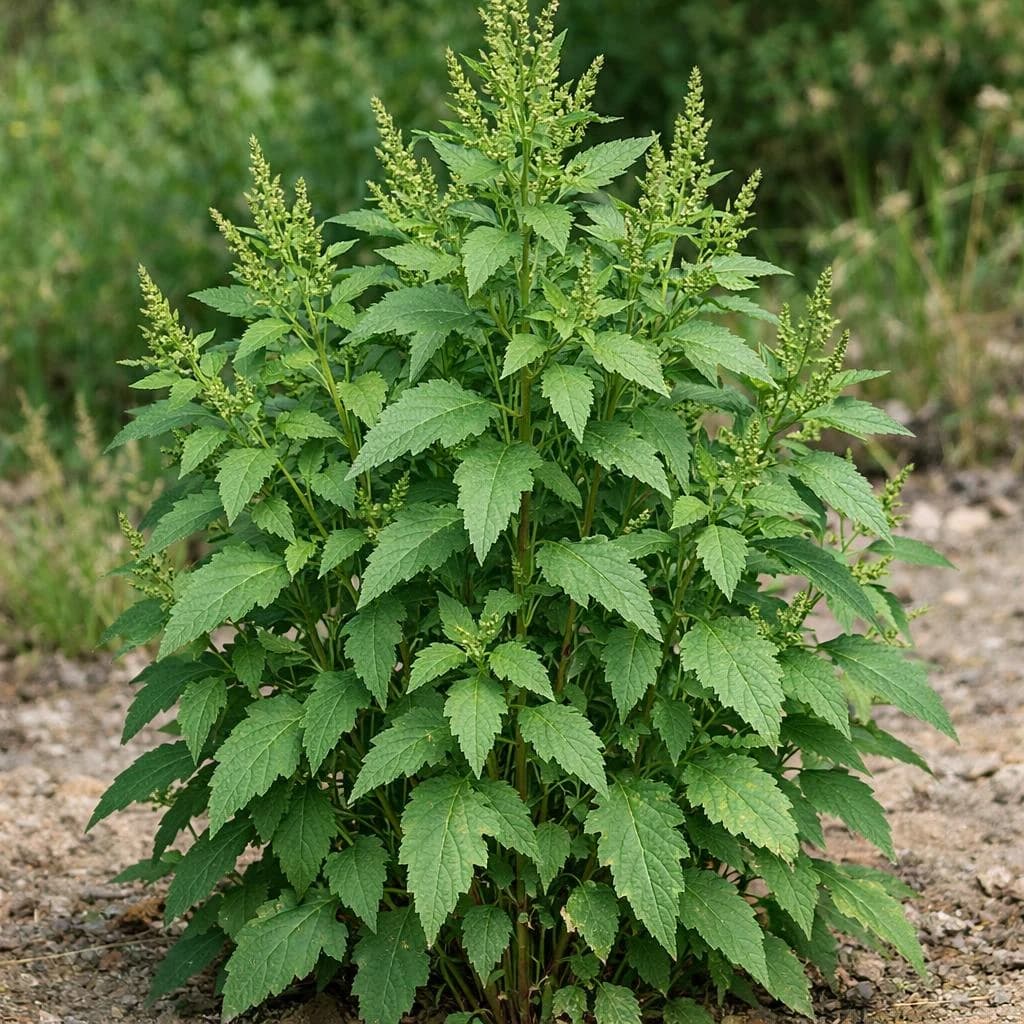
Mature Plant
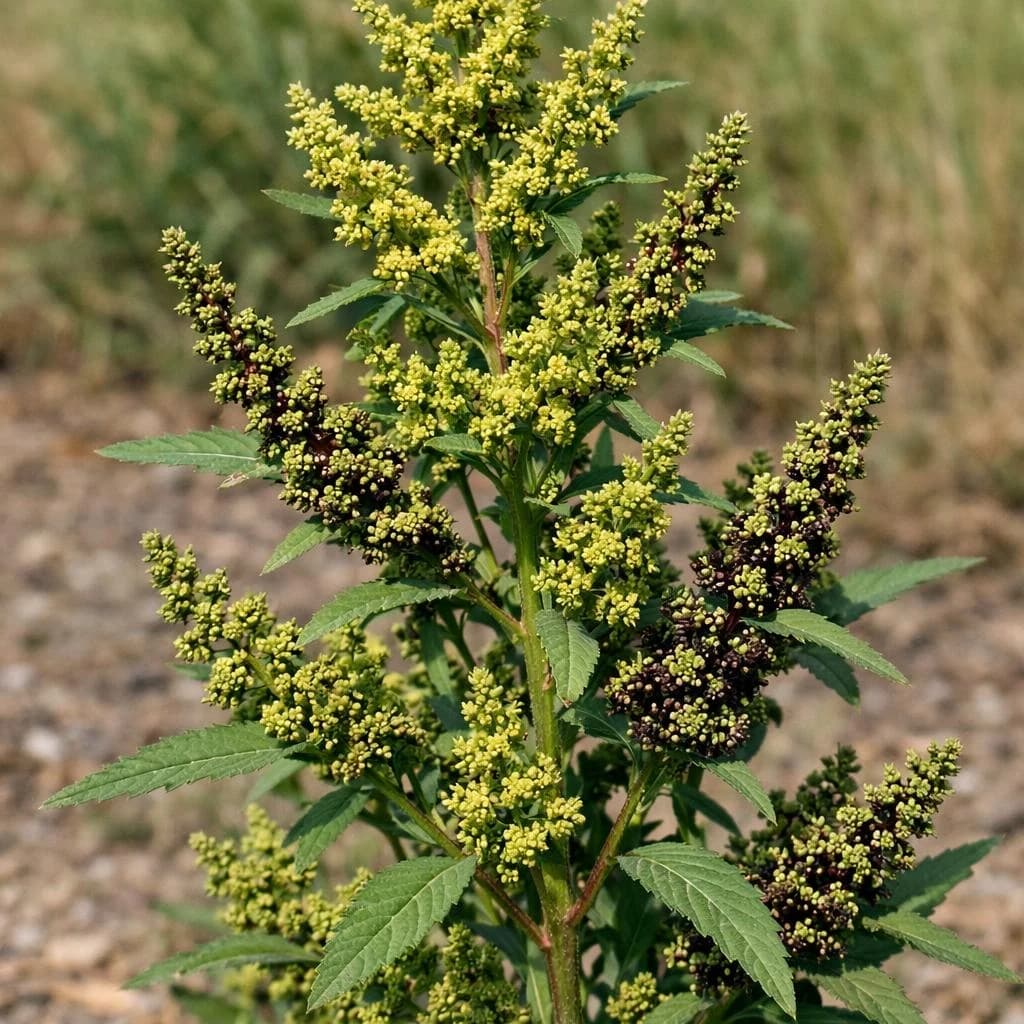
Seed Production
Step 2
Planting & Sprouting
Expect sprouts in 7–14 days
Growing Tips
- 1Give epazote full sun, though it copes with a little shade.
- 2It grows in almost any soil, so a little compost at planting is plenty.
- 3Water seedlings until they are growing well, then only in long dry spells.
- 4Skip extra feeding, since epazote grows fast without help.
- 5Pinch the tips now and then to keep plants bushy, and cut off most flower heads before they make seed.
- 6Use only a few leaves at a time and keep children and pets from eating it, since epazote is poisonous in large amounts and is not safe during pregnancy.
Seedling Phase
Step 3
Growth & Maturity
~60
Days to Maturity
100 cm
Mature Height
45 cm
Mature Width
Pests to Watch For
Diseases to Watch For
Mature Plant
Step 4
Harvesting
Harvest Window
90 days
When to Pick
Pick leaves anytime; flavour is strongest before flowering
How to Harvest
- 1Start picking once the plants are bushy with plenty of leaves.
- 2Pick the young leaves and tips, which taste best, especially before the plant flowers.
- 3Snip often to keep new leaves coming.
- 4Add a sprig or two to a pot of beans near the end of cooking.
- 5Use the leaves fresh for the best flavour, or dry small bunches in a shady, airy place and keep them in a jar.
Step 5
Saving Seeds
How to Save Seeds
Epazote comes true from seed and does not cross with common garden herbs. Leave one plant to flower; its small green flower clusters turn brown and dry in late summer. Strip the dry clusters into a paper bag and rub them to free the tiny black seeds. Store them labelled in a cool, dark, dry place, where they keep a few years. Often you will not need to, since dropped seeds come up on their own each spring.
Seed Production
Still have a question?
Ask your coach about your epazote.
This page covers what we thought to write down. Your epazote will do something it never mentions, and that is the day a coach beats a guide. Ask Coach Lumen one question right now, free, no account.