How to Grow Cardoon
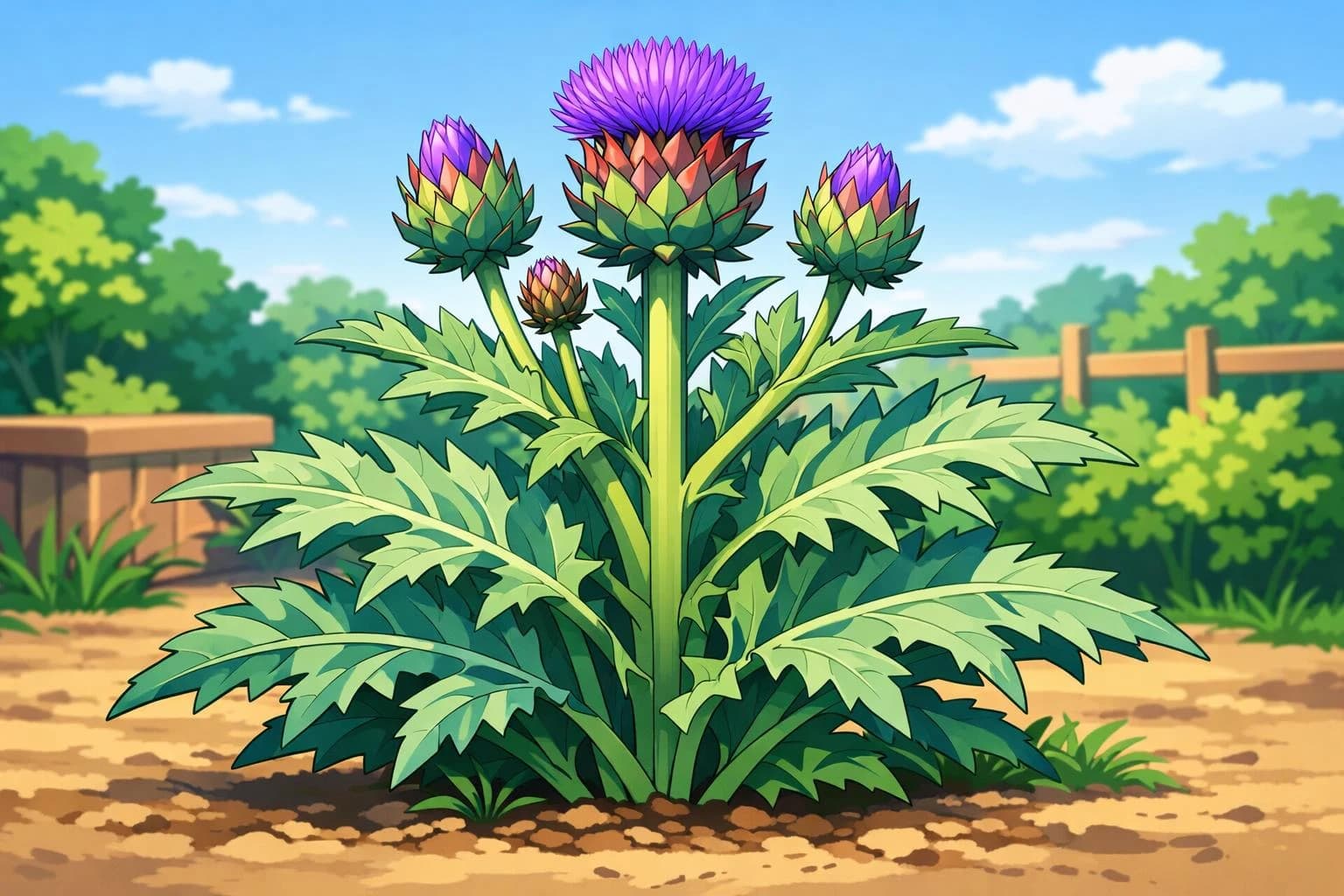
Cardoon At a Glance
Difficulty
Moderate
Category
Vegetable
Sun Exposure
Full Sun
Frost Tolerance
Frost Tender
Cold Hardiness
Survives to -12°C
Plant Family
Asteraceae
Growing Season
Warm Season
Plant Lifecycle
Perennial
How to Start It
★ Recommended for beginners
Our season is too short for cardoon to reach full size from an outdoor sowing, so start it inside. Sow 2 seeds per pot 1.5 cm deep, about 8 weeks before your last frost, keep them warm, and they sprout in 10 to 20 days. Move them to bigger pots as they grow, then plant out about 2 weeks after the last frost, 90 cm apart, in very rich soil. Before planting out, set the pots outside in a sheltered spot for a few hours a day, a little longer each day for about a week, so they toughen up (this is called hardening off).
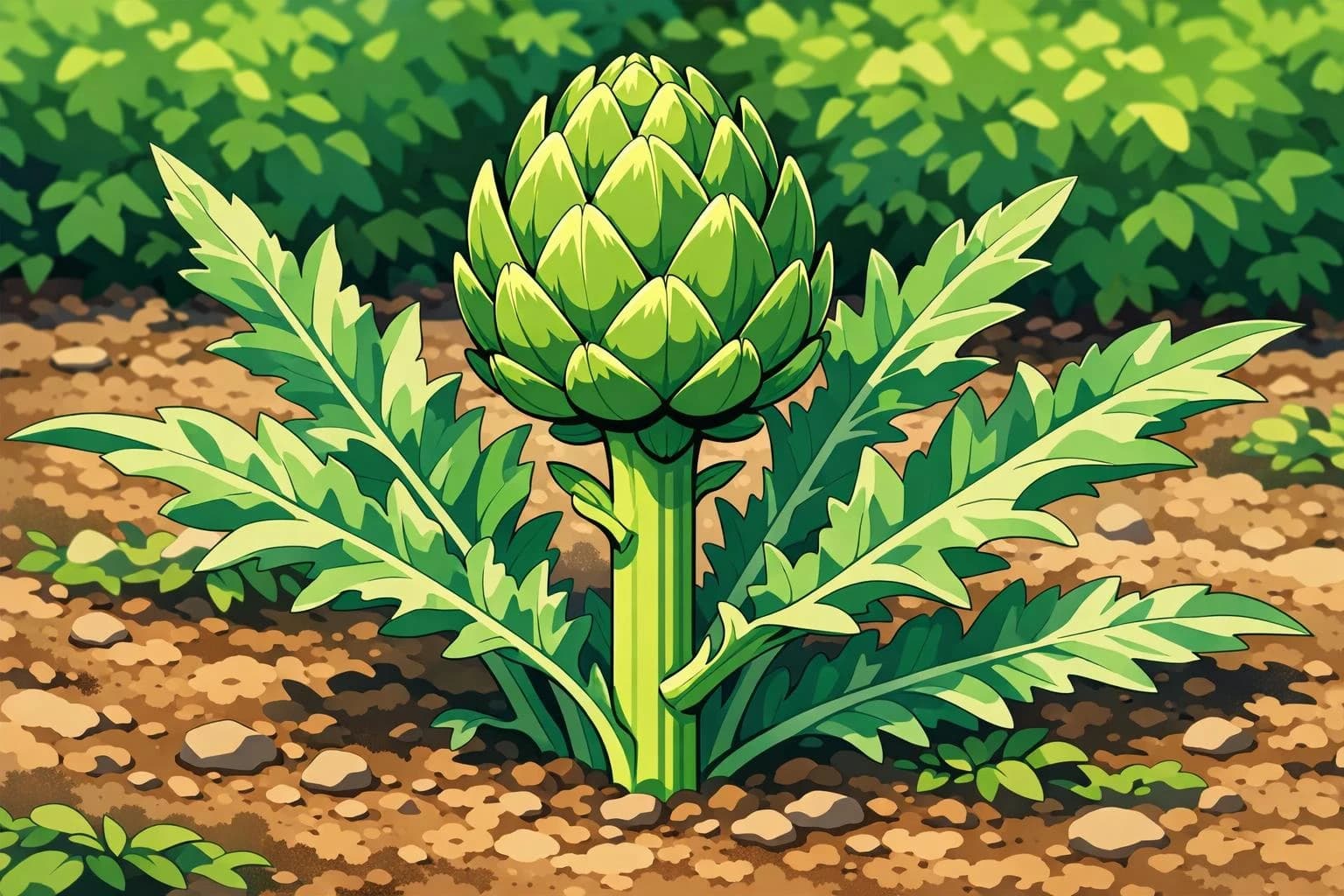
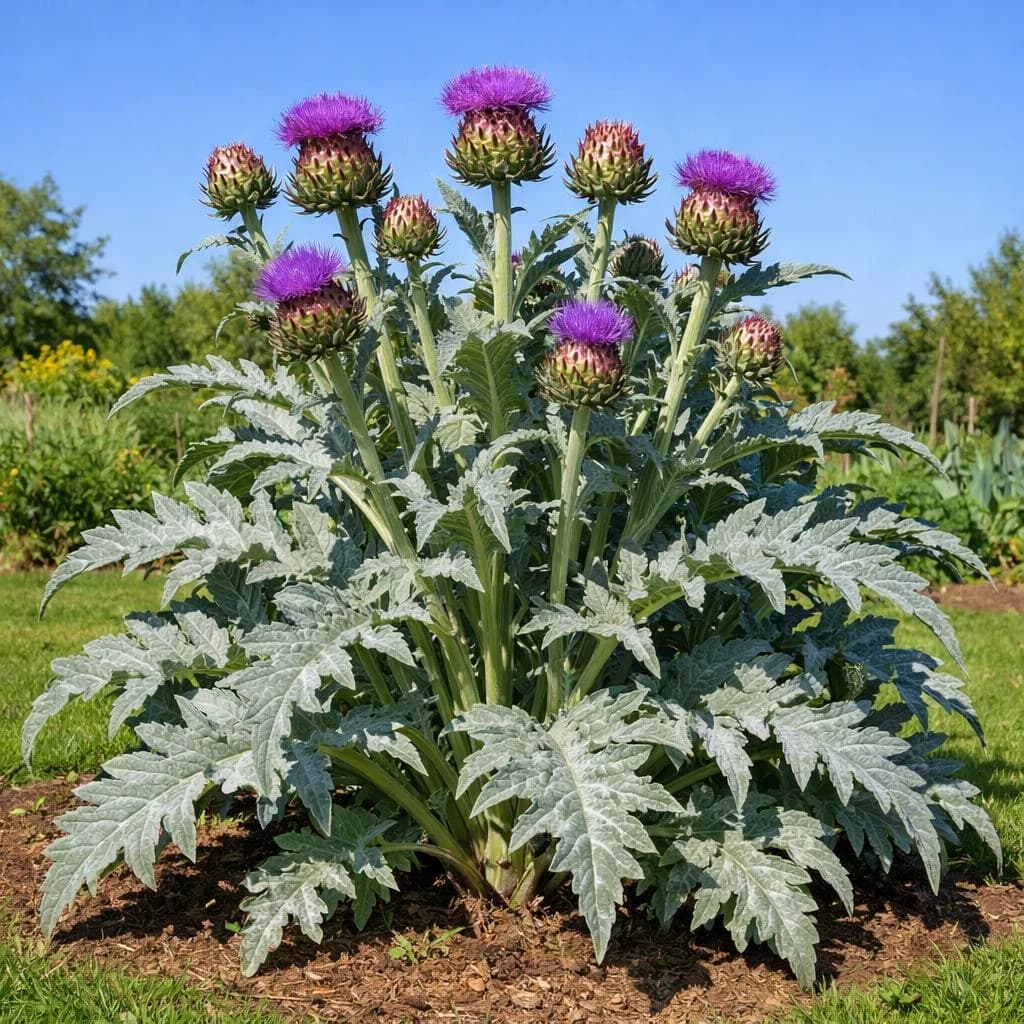
Cardoon is a close cousin of the artichoke, but you eat the thick leaf stalks, not the flower bud. It grows into a huge silver plant about 1 to 2 m tall and wide, so give it space. In most of Canada winter kills it, so grow it as a one-season crop, or cover the roots with a thick layer of mulch in a mild area.
When To Start
Cardoon needs warmth. Wait until your last frost has passed and the soil has warmed before sowing.
We do not have exact sowing dates for this one yet.
When should you plant Cardoon?
Your planting dates depend on your local climate. Sign up and add your location to unlock personalized dates.
Your Cardoon Planting Window
Start planting
May 15, 2026
Last chance
Sep 10, 2026
Your Cardoon Calendar
Set your location to turn these into exact dates and reminders.
Start cardoon seeds indoors, it needs a long season
8 weeks before your last frost
Plant cardoon out 90 cm apart in very rich soil
2 weeks after your last frost
Tie and wrap cardoon to blanch, then cut it before hard frost
1 week before your first frost
Start hardening off your cardoon seedlings: an hour outside today, a little longer each day.
4 days after your last frost
Water your new cardoon plants well while they settle in. Deep and slow is best.
About 1 days after you plant it
Your cardoon is getting big! Give it plenty of room and steady water, since it grows into a large plant.
About 60 days after you plant it
Your cardoon is nearly ready. In autumn, wrap the stalks for about 3 weeks to blanch them before cutting.
About 100 days after you plant it
Picking time may be here: check your cardoon.
About 120 days after you plant it
The Journey Ahead
Cardoon's Lifecycle
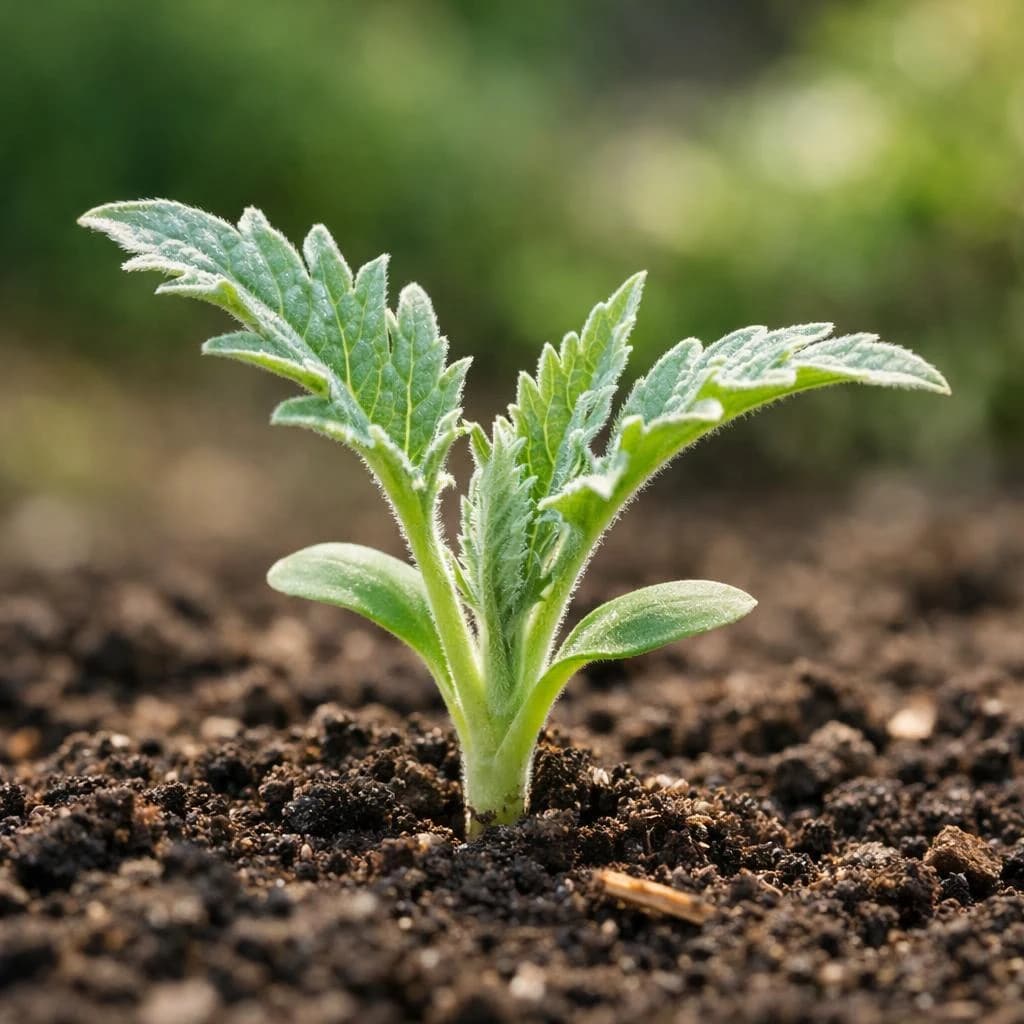
Seedling
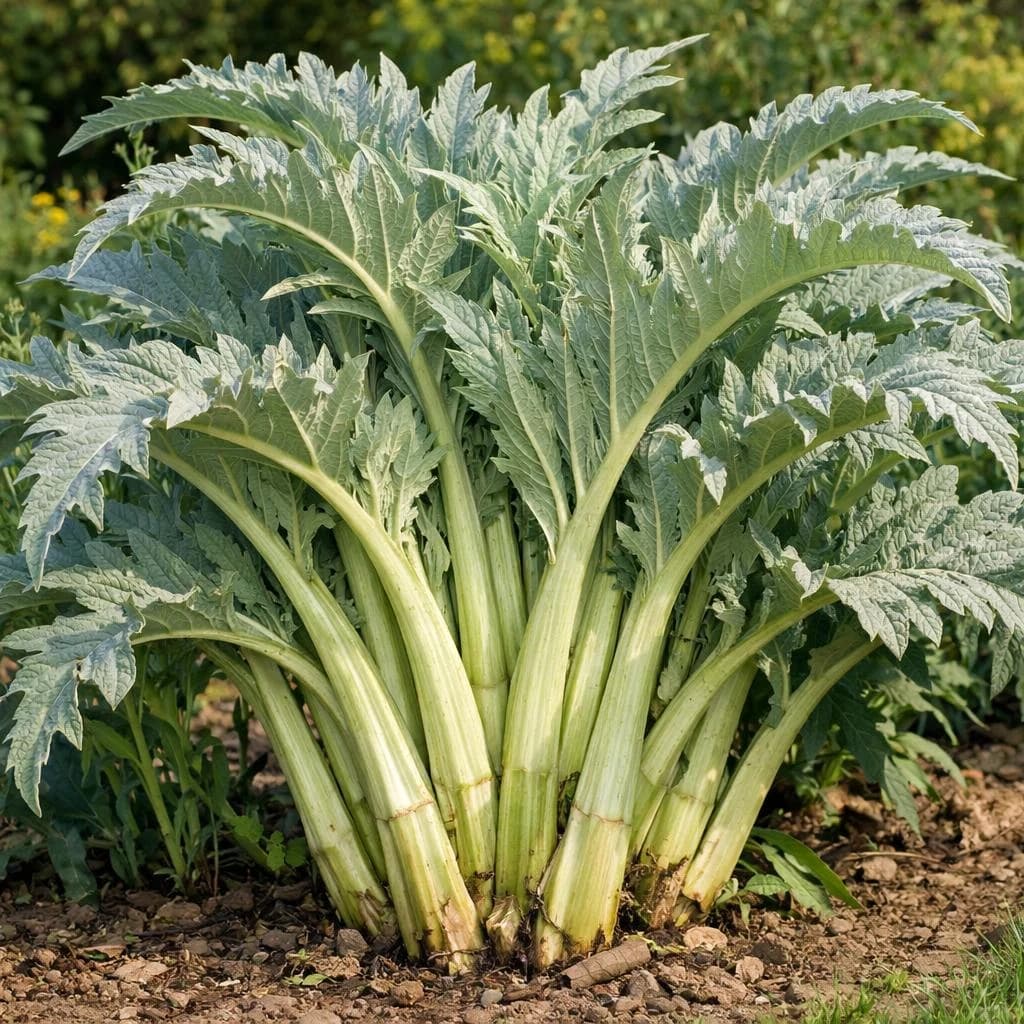
Mature Plant
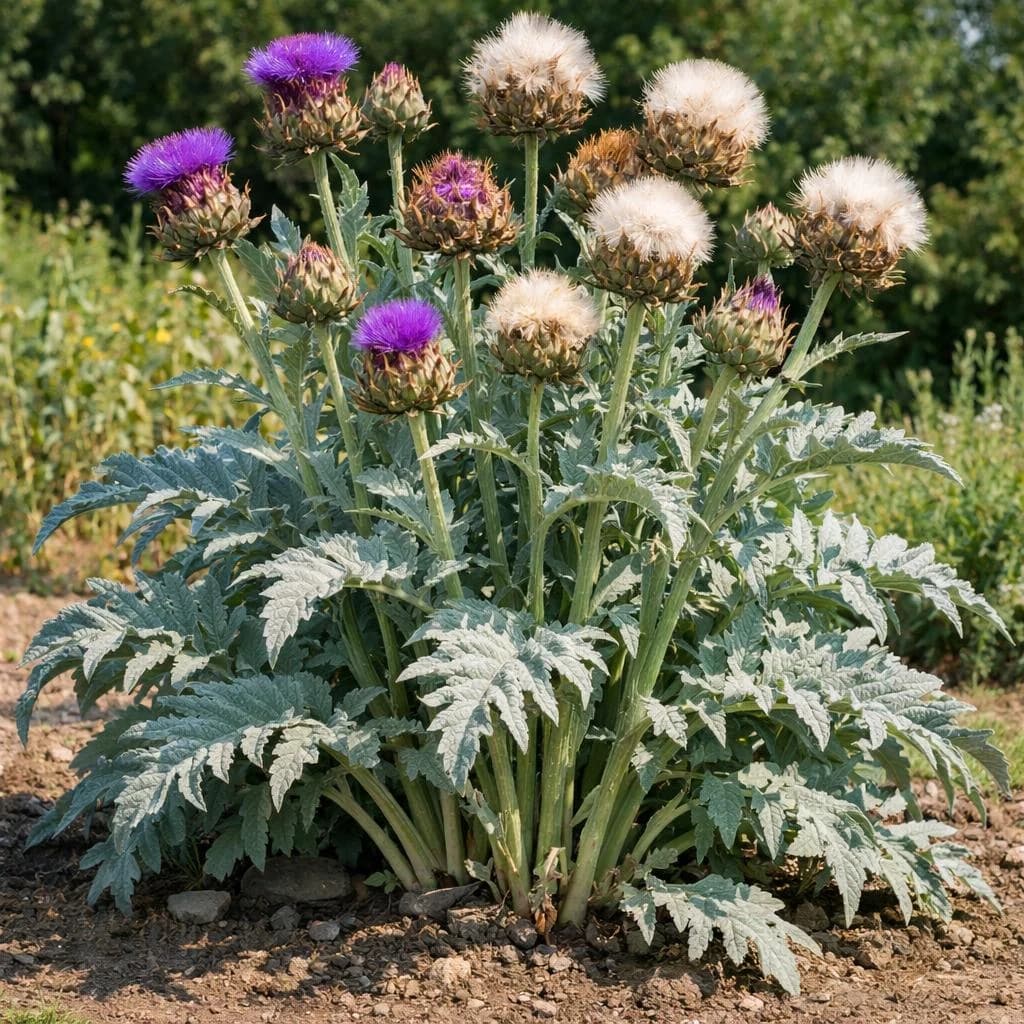
Seed Production
Step 1
Prepare Your Space
1.5 cm
Seeding Depth
90 cm
Plant Spacing
120 cm
Row Spacing
Vertical Growing
No.
Succession Planting
No.
Good Companions
Bad Companions
Step 2
Planting & Sprouting
Expect sprouts in 10–20 days
Growing Tips
- 1Give cardoon full sun and shelter from strong wind.
- 2Dig plenty of compost into a deep, rich bed, since it is a big, hungry plant.
- 3Water deeply every week, because dry soil makes the stalks tough and stringy.
- 4Feed with worm castings or compost tea every 3 to 4 weeks through summer.
- 5Wear gloves when you handle it, since the leaves and stalks often have sharp spines.
- 6Wash aphids off the leaves with a spray of water, and pick slugs off young plants at dusk.
Seedling Phase
Step 3
Growth & Maturity
~120
Days to Maturity
180 cm
Mature Height
120 cm
Mature Width
Pests to Watch For
Diseases to Watch For
Mature Plant
Step 4
Harvesting
Harvest Window
30 days
When to Pick
Blanch the stalks for ~3 weeks in autumn, then cut before hard frost
How to Harvest
- 1In fall, about 4 weeks before your first frost, tie the leaves together into an upright bundle.
- 2Wrap the bundle in cardboard or burlap, leaving the top leaves out, to blanch the stalks (keep out the light so they turn pale and less bitter).
- 3After about 3 weeks, cut the whole plant at the base before a hard frost.
- 4Trim off the leaves and spines and keep the pale inner stalks.
- 5Peel off the stringy outer layer and cook them until tender, often boiled first to soften the bitterness.
- 6Keep the stalks wrapped in the fridge for about a week.
Step 5
Saving Seeds
How to Save Seeds
In a short season cardoon often does not flower in its first year, so seed is easiest to save where the roots survive the winter. It crosses with artichoke, since they are the same species, so do not let both flower near each other if you want it to stay true. Let the big purple thistle flower fade and dry on the plant, and tie a paper bag over it so birds and wind do not take the fluffy seeds. Cut the head when it is dry and brown, pull out the fluff and pick out the seeds. Store them labelled in a cool, dark, dry place, where they keep several years.
Seed Production
Still have a question?
Ask your coach about your cardoon.
This page covers what we thought to write down. Your cardoon will do something it never mentions, and that is the day a coach beats a guide. Ask Coach Lumen one question right now, free, no account.