How to Grow Ranunculus
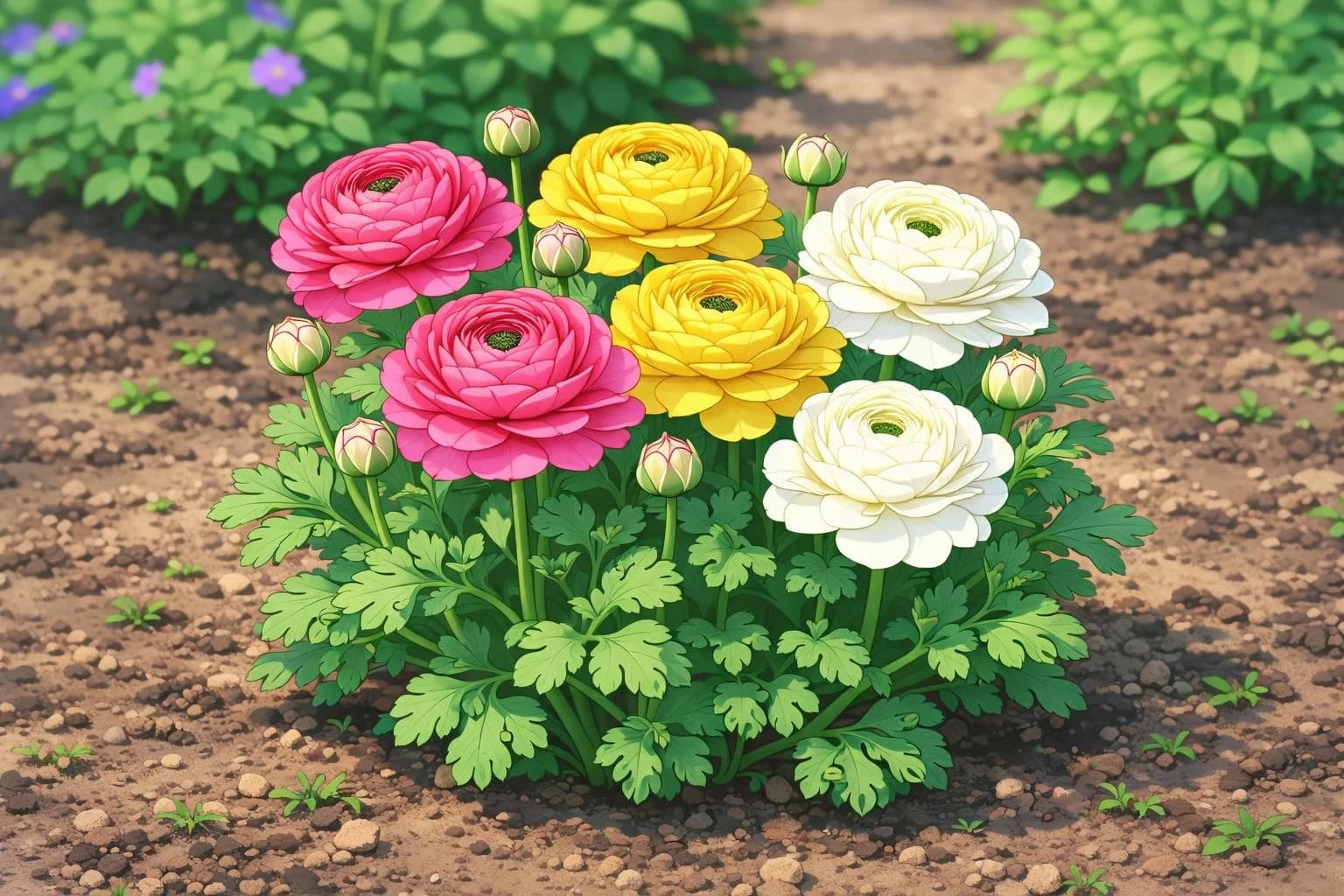
Ranunculus At a Glance
Difficulty
Moderate
Category
Flower
Sun Exposure
Full Sun
Frost Tolerance
Frost Hardy
Cold Hardiness
Survives to -7°C
Plant Family
Ranunculaceae
Growing Season
Cool Season
Plant Lifecycle
Perennial
How to Start It
★ Recommended for beginners
Soak the dry, claw-shaped corms in room temperature water for 3 to 4 hours, until they plump up. Plant them claws down, 5 cm deep and 15 cm apart, about 6 weeks before your last frost, once the soil can be worked. For an earlier start, lay soaked corms in a tray of damp potting mix in a cool, bright spot for 1 to 2 weeks until roots appear, then plant them out.
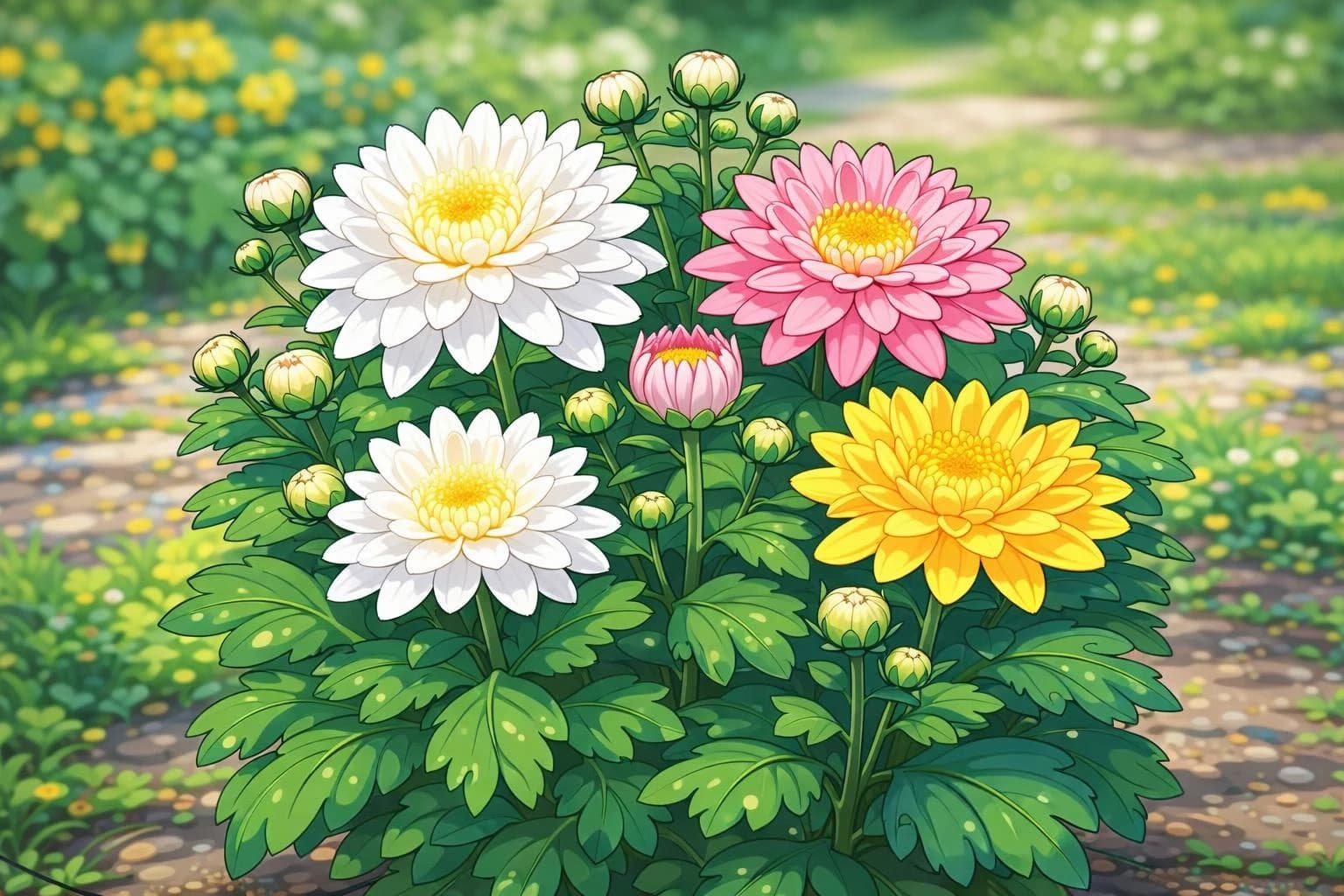
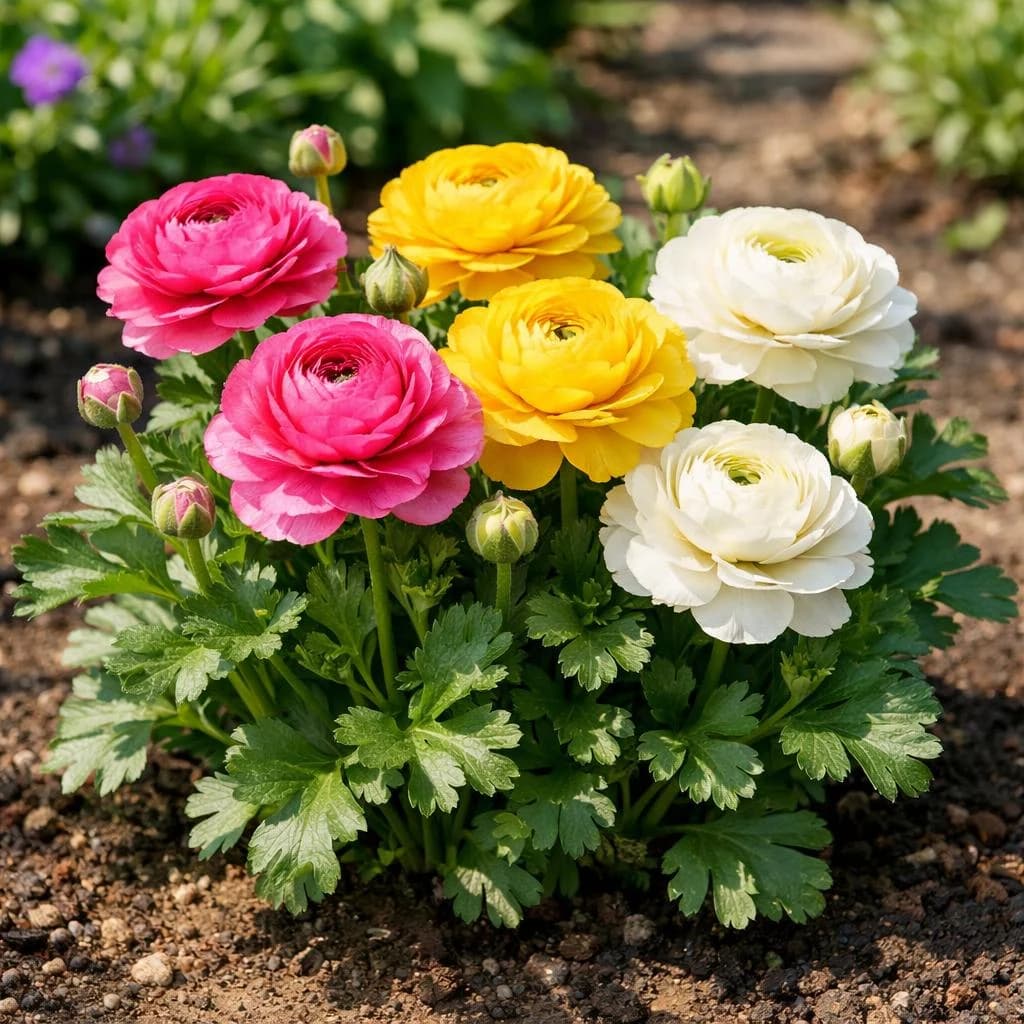
Ranunculus grow layer upon layer of thin, paper-like petals and are among the most loved cut flowers. They are a cool-weather flower that blooms in late spring and fades once summer heat arrives, so early planting is the secret. The corms do not survive a cold winter in the ground.
When To Start
Ranunculus likes cool weather. Sow it in early spring, as soon as the ground can be worked.
We do not have exact sowing dates for this one yet.
When should you plant Ranunculus?
Your planting dates depend on your local climate. Sign up and add your location to unlock personalized dates.
Your Ranunculus Planting Window
Start planting
May 15, 2026
Last chance
Sep 10, 2026
Your Ranunculus Calendar
Set your location to turn these into exact dates and reminders.
Soak ranunculus corms, then plant them claws down
45 days before your last frost· every year
Cut ranunculus when the buds feel soft like a marshmallow
Around your last frost· every year· optional
Water your new ranunculus plants well while they settle in. Deep and slow is best.
About 1 days after you plant it
Your ranunculus is waking up! Keep the soil lightly moist but never soggy, since the corms can rot in wet soil.
About 30 days after you plant it
Your ranunculus loves cool weather. Cut open blooms often for vases and more will keep coming.
About 90 days after you plant it
The Journey Ahead
Ranunculus's Lifecycle
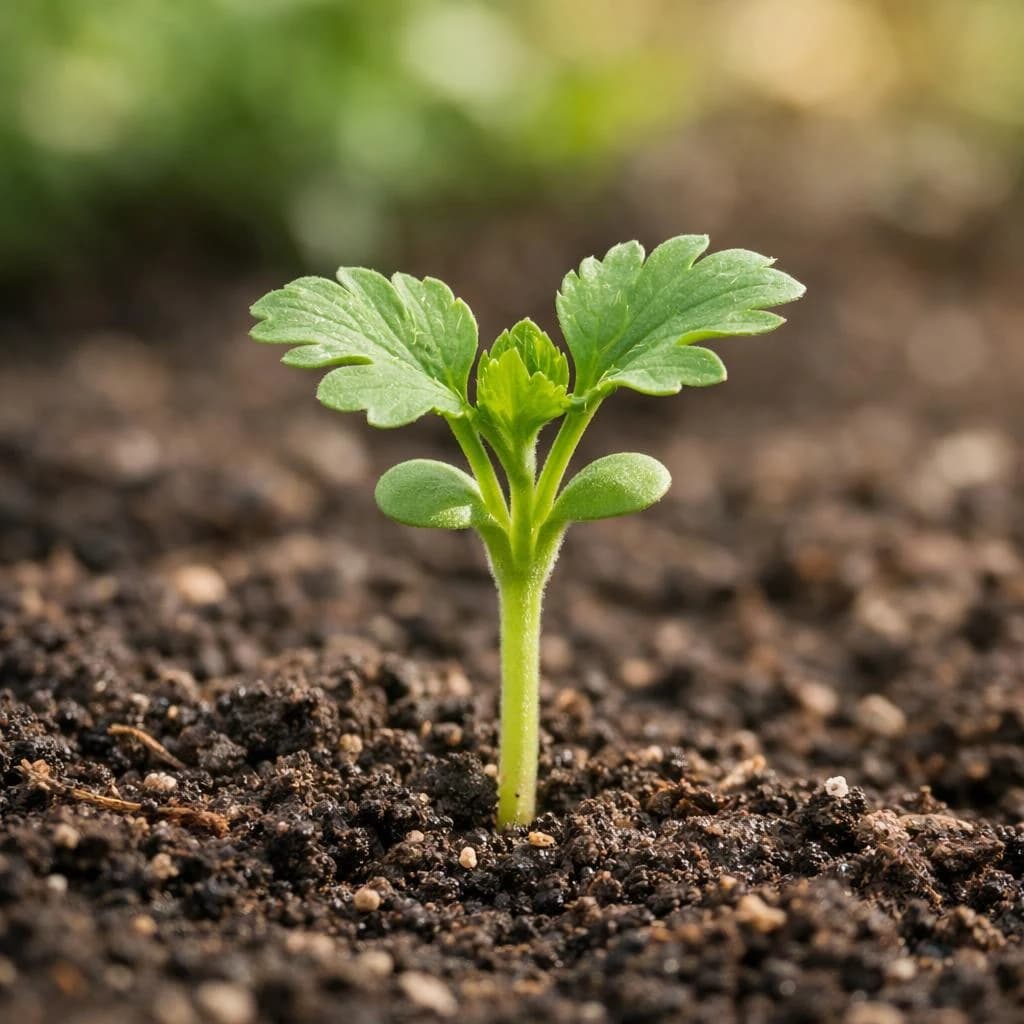
Seedling
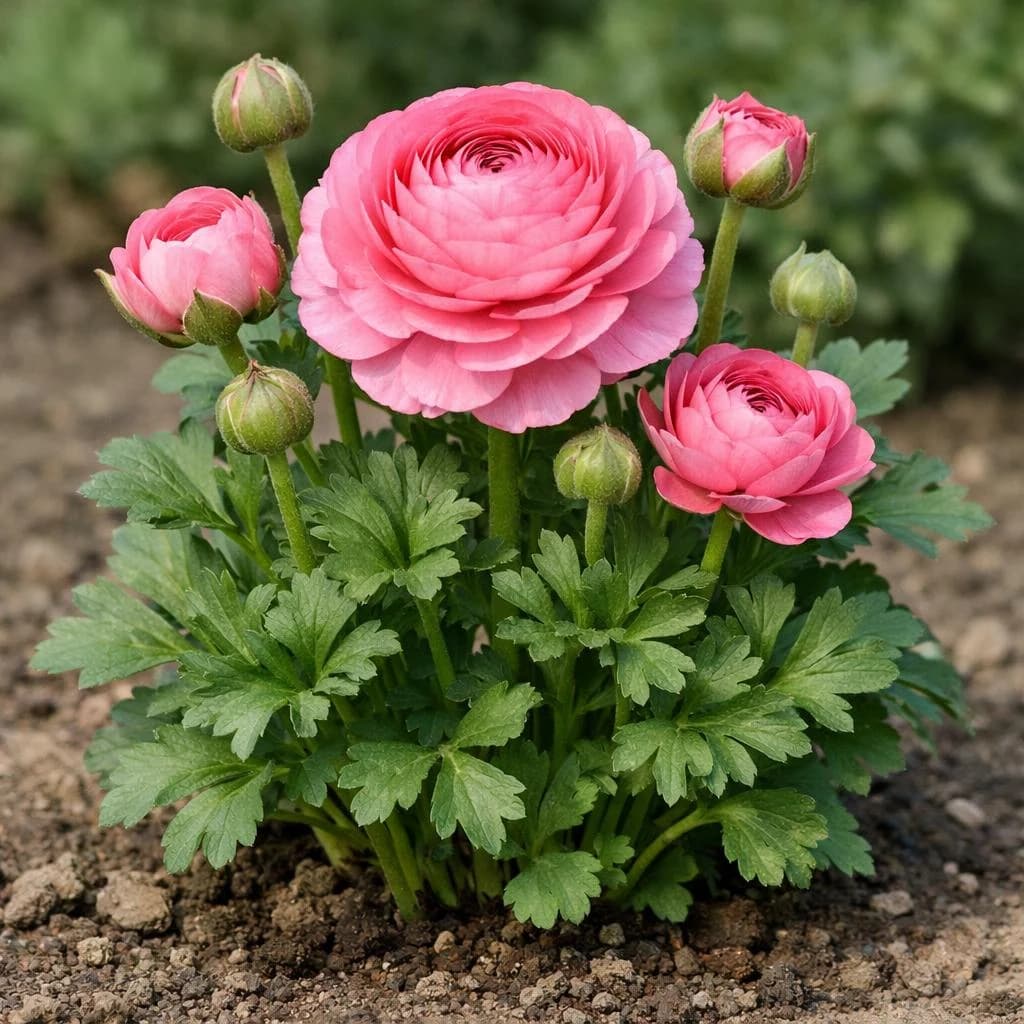
Mature Plant
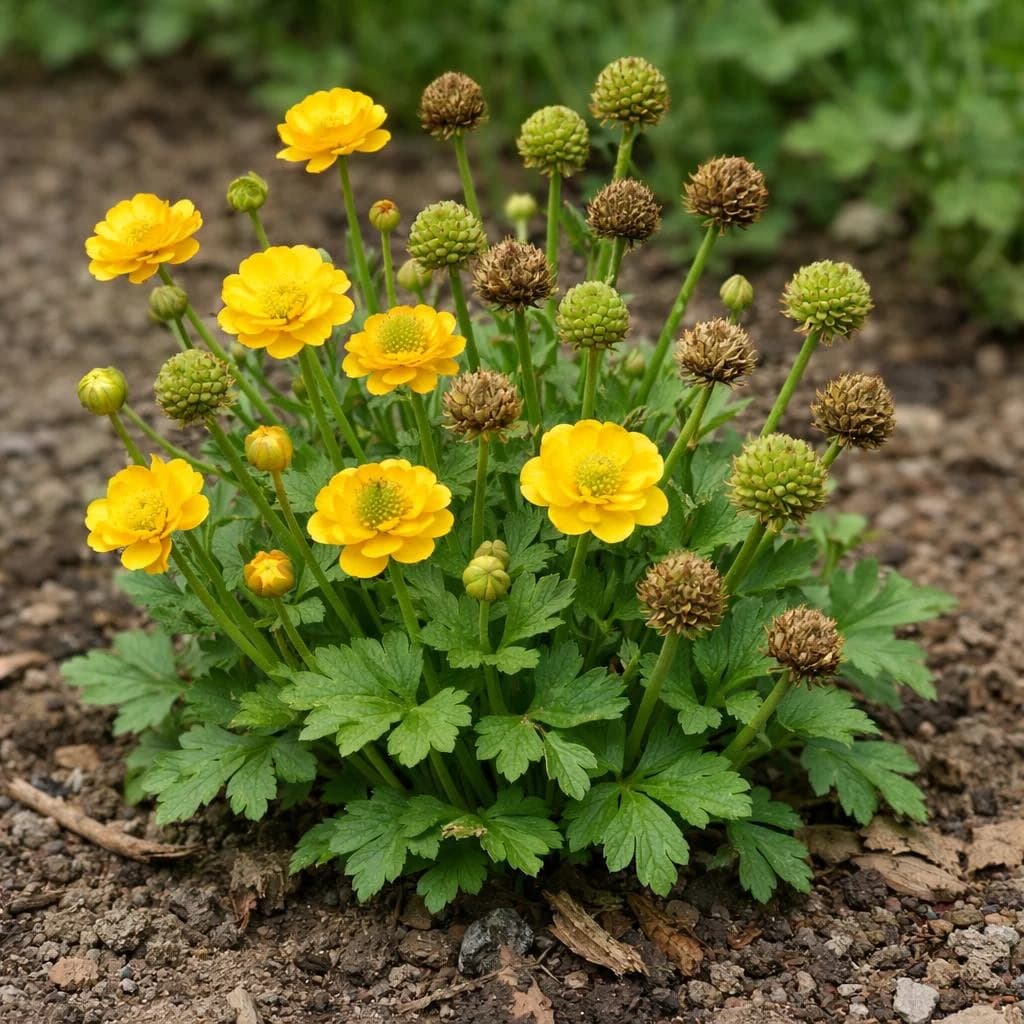
Seed Production
Step 1
Prepare Your Space
5 cm
Seeding Depth
15 cm
Plant Spacing
30 cm
Row Spacing
Vertical Growing
No.
Succession Planting
No.
Good Companions
Bad Companions
Step 2
Planting & Sprouting
Growing Tips
- 1Give ranunculus full sun in a spot that stays cool.
- 2Plant them in rich, loose soil with plenty of compost that drains well, since the corms rot in soggy ground.
- 3Water well once after planting, then only when the top few cm are dry until shoots appear, and keep the soil evenly moist once they are growing.
- 4Feed with compost tea or worm castings every 2 to 3 weeks once the leaves are up.
- 5Cover young plants with row cover when a hard frost is coming.
- 6The sap of ranunculus can irritate skin and upset the stomach of people and pets, so wear gloves and keep pets from chewing it.
Seedling Phase
Step 3
Growth & Maturity
35 cm
Mature Height
20 cm
Mature Width
Pests to Watch For
Diseases to Watch For
Mature Plant
Step 4
Harvesting
When to Pick
Blooms in spring (cool weather); long vase life makes it a florist favourite
How to Harvest
- 1Cut ranunculus when the buds are coloured and feel soft like a marshmallow when squeezed, just before they open.
- 2Cut the stem low, near the base of the plant, with clean pruners.
- 3Put the stems straight into cool water, and they often last 10 days or more in a vase.
- 4Keep cutting, since picking the flowers makes the plant send up more.
- 5When summer heat yellows the leaves, dig up the corms, dry them in the shade for a week, and store them in a paper bag somewhere cool and dry to replant next spring.
Step 5
Saving Seeds
Seed Production
Still have a question?
Ask your coach about your ranunculus.
This page covers what we thought to write down. Your ranunculus will do something it never mentions, and that is the day a coach beats a guide. Ask Coach Lumen one question right now, free, no account.