How to Grow Nectarine
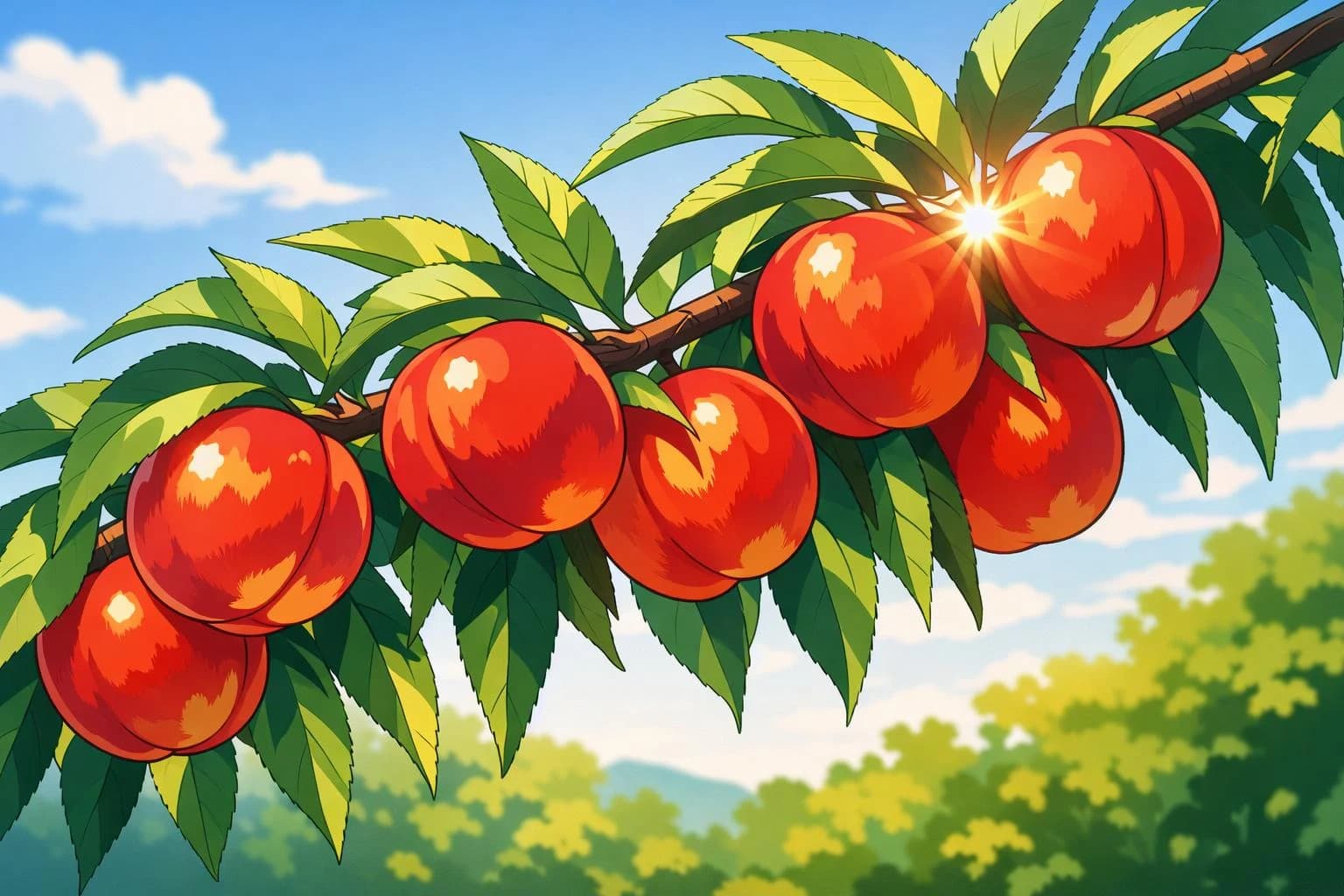
Nectarine At a Glance
Difficulty
Moderate
Category
Tree Fruit
Sun Exposure
Full Sun
Frost Tolerance
Frost Hardy
Cold Hardiness
Survives to -23°C
Plant Family
Rosaceae
Growing Season
Warm Season
Plant Lifecycle
Perennial
How to Start It
★ Recommended for beginners
Plant a young grafted tree in early spring while it is still bare of leaves, about 4 weeks before your last frost. Dig a wide hole, spread the roots, and keep the bump on the trunk where it was grafted (joined to its roots) above the soil. Water deeply, and give it about 4 m of room, or grow a dwarf tree in a large pot.
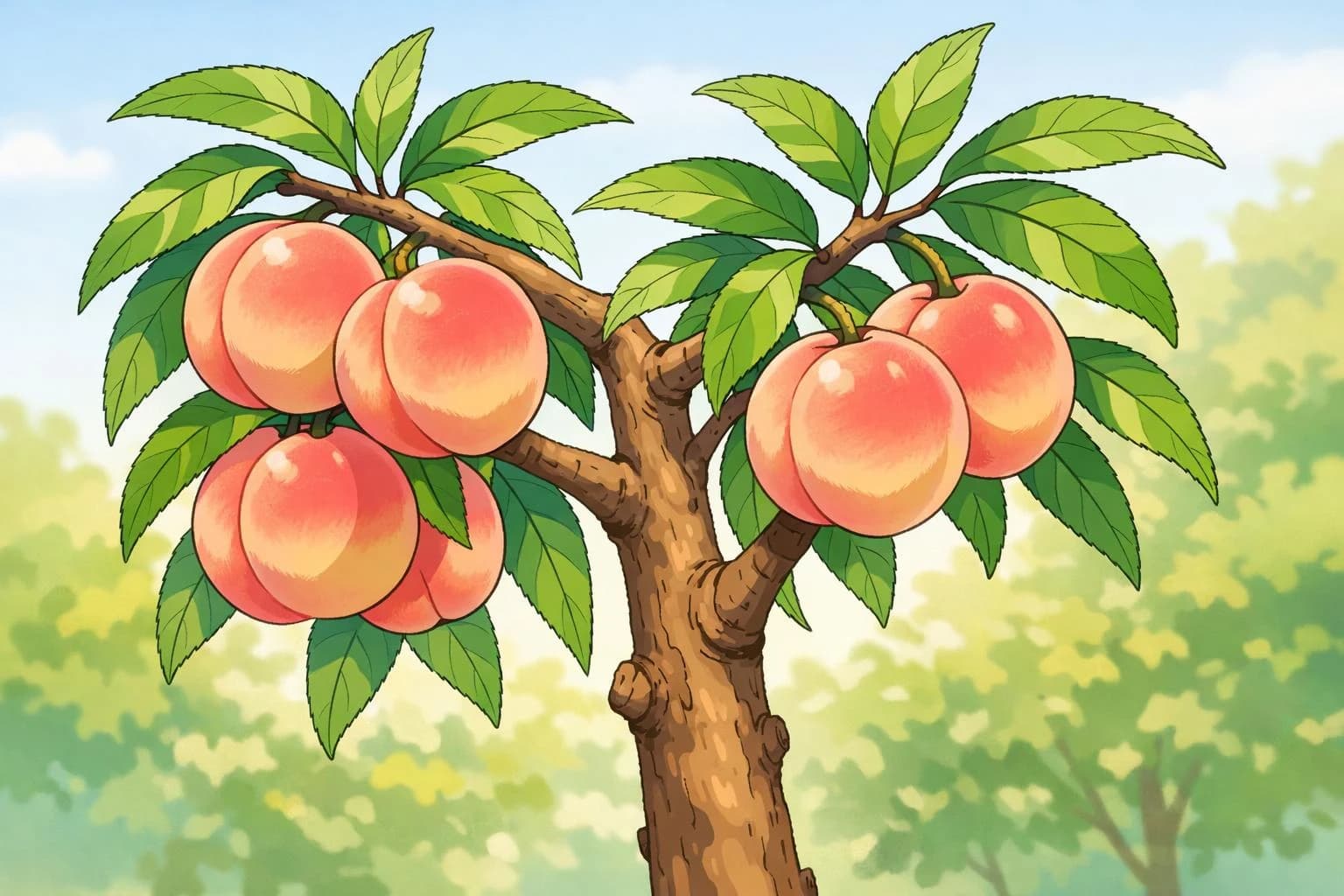
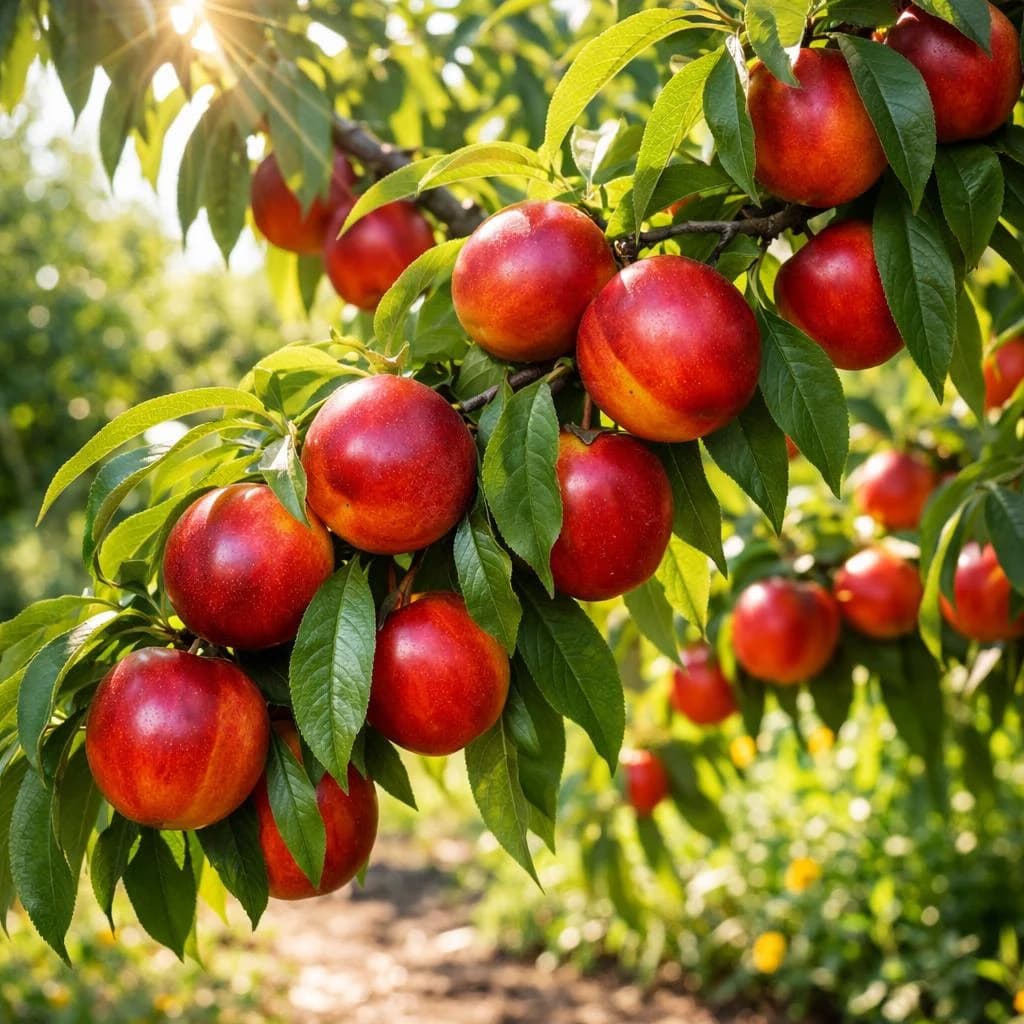
A nectarine is a peach with smooth skin: the same tree and the same care. One tree fruits on its own, starting in about 3 years. Trees take cold down to about -23°C, so in colder areas grow a dwarf tree in a large pot and move it into an unheated garage or shed for winter.
When To Start
Nectarine needs warmth. Wait until your last frost has passed and the soil has warmed before sowing.
We do not have exact sowing dates for this one yet.
When should you plant Nectarine?
Your planting dates depend on your local climate. Sign up and add your location to unlock personalized dates.
Your Nectarine Planting Window
Start planting
May 15, 2026
Last chance
Sep 10, 2026
Your Nectarine Calendar
Set your location to turn these into exact dates and reminders.
Plant your nectarine tree while it is still bare of leaves
30 days before your last frost
Prune your nectarine tree to keep new fruiting stems coming
30 days before your last frost· every year
Look for ripe nectarines: a sweet smell and a slight give
120 days after your last frost· every year
Water your new nectarine plants well while they settle in. Deep and slow is best.
About 1 days after you plant it
How is your nectarine tree settling in? Water it deeply once a week while the roots get going.
About 30 days after you plant it
Your nectarine has had time to settle. Keep weeds and grass away from the base so it does not have to compete.
About 90 days after you plant it
The Journey Ahead
Nectarine's Lifecycle
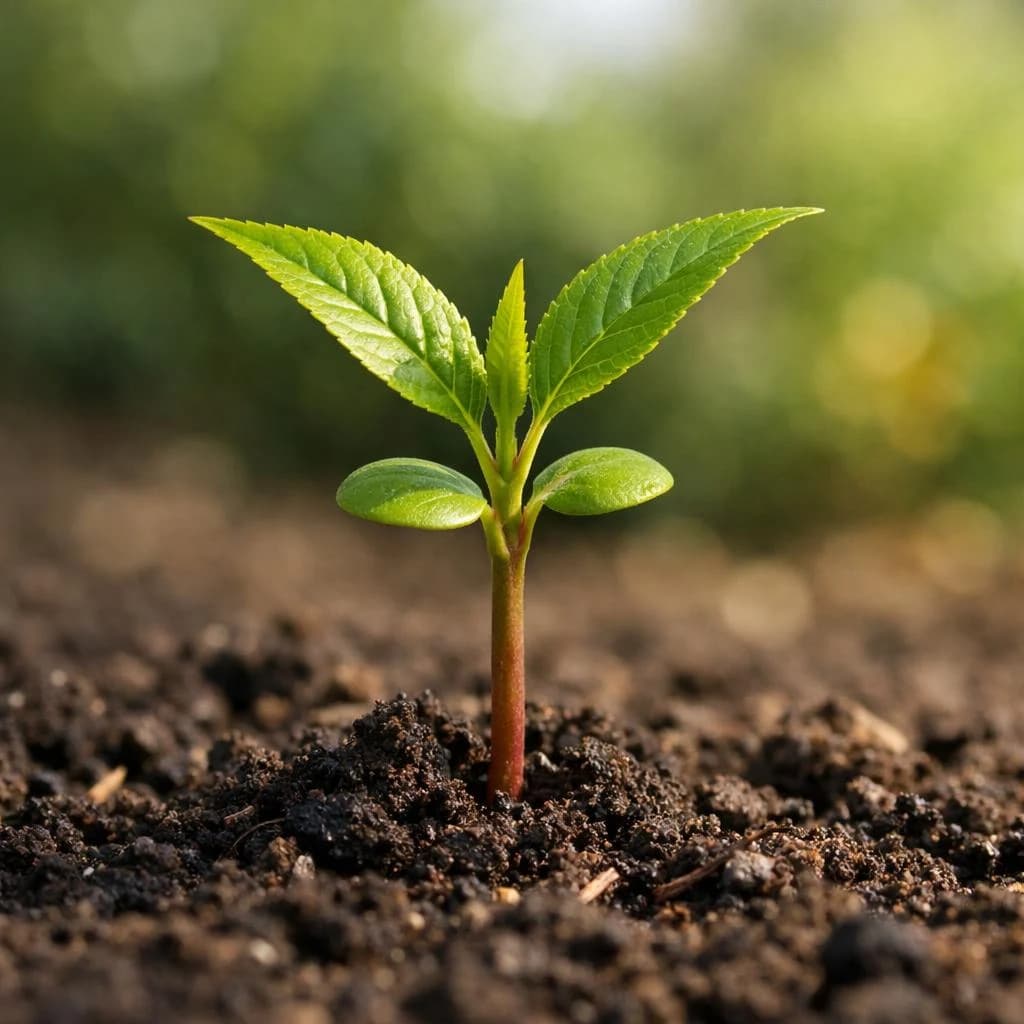
Seedling
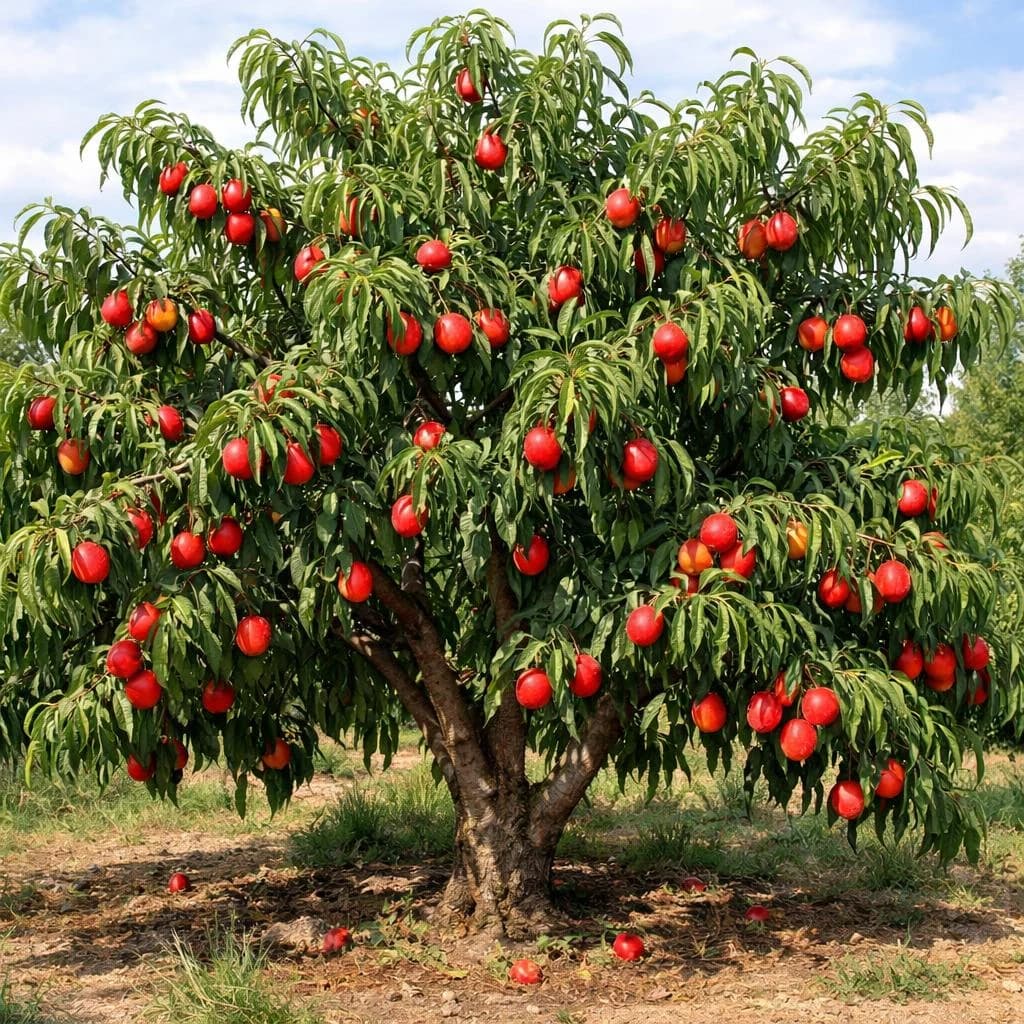
Mature Plant
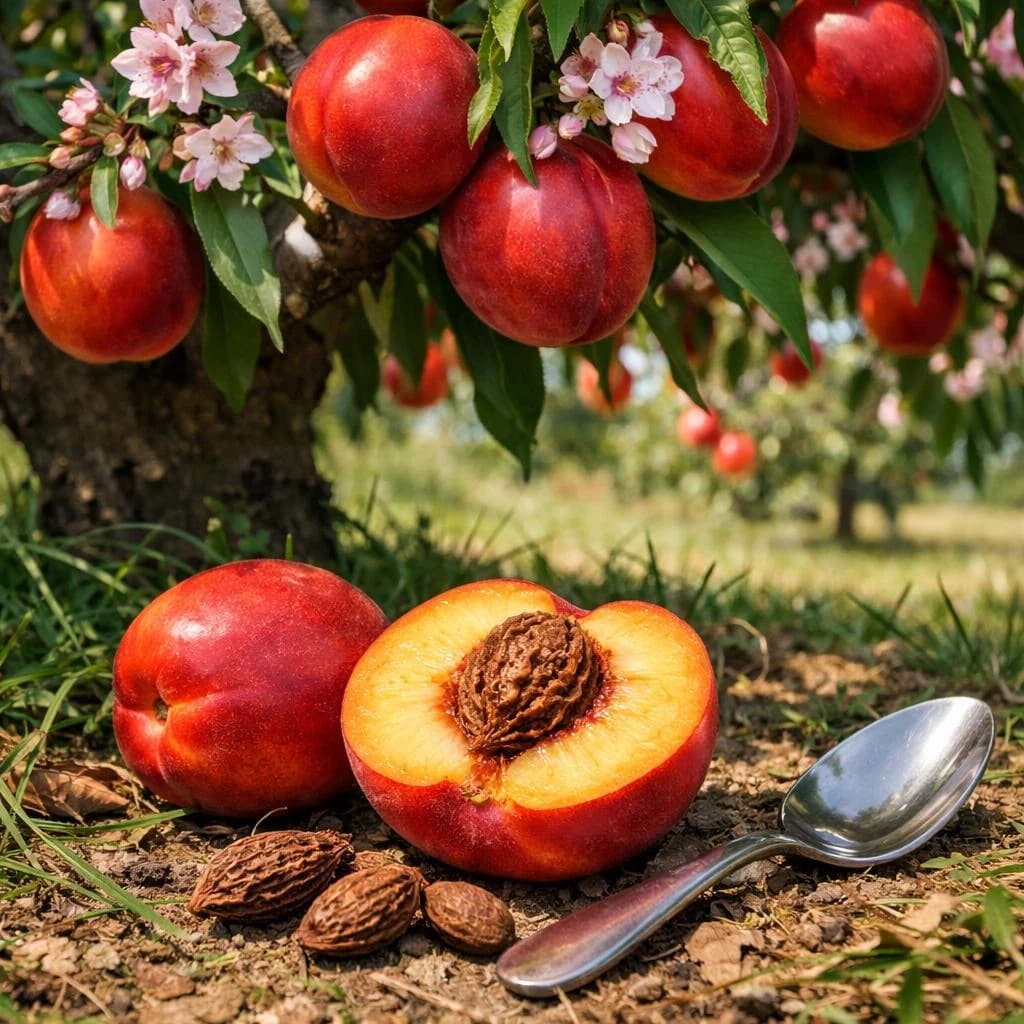
Seed Production
Step 1
Prepare Your Space
400 cm
Plant Spacing
500 cm
Row Spacing
Vertical Growing
Yes: Fan.
Succession Planting
No.
Good Companions
Bad Companions
Step 2
Planting & Sprouting
Growing Tips
- 1Plant nectarines in your sunniest, most sheltered spot, since the early flowers can be lost to a spring frost.
- 2Give them well drained soil with compost mixed in, as soggy roots kill stone fruit trees.
- 3Water deeply every week or two in dry weather, and spread compost or worm castings around the tree each spring, out to the edge of the branches.
- 4Prune each late winter to keep new fruiting stems coming, and thin the young fruit to about 15 cm apart for bigger nectarines.
- 5Rake up leaves that turn red and puckered in spring (peach leaf curl) and pick off rotting fruit, since both diseases spread from them.
- 6Keep pets from chewing the leaves, stems and pits, which can make them sick.
Seedling Phase
Step 3
Growth & Maturity
400 cm
Mature Height
400 cm
Mature Width
Pests to Watch For
Diseases to Watch For
Mature Plant
Step 4
Harvesting
Harvest Window
14 days
When to Pick
Pick when fully coloured, fragrant and slightly soft; handle gently
How to Harvest
- 1Nectarines are ready when the skin has no green left, the fruit smells sweet and it gives slightly when you press gently near the stem.
- 2Cup the fruit in your hand and twist gently, and it should come away easily.
- 3Handle them gently, since the smooth skin bruises easily.
- 4Leave firm ones on the counter for a day or two to soften.
- 5Keep ripe nectarines in the fridge for a few days, or slice and freeze them.
Step 5
Saving Seeds
Seed Production
Still have a question?
Ask your coach about your nectarine.
This page covers what we thought to write down. Your nectarine will do something it never mentions, and that is the day a coach beats a guide. Ask Coach Lumen one question right now, free, no account.