How to Grow Fig
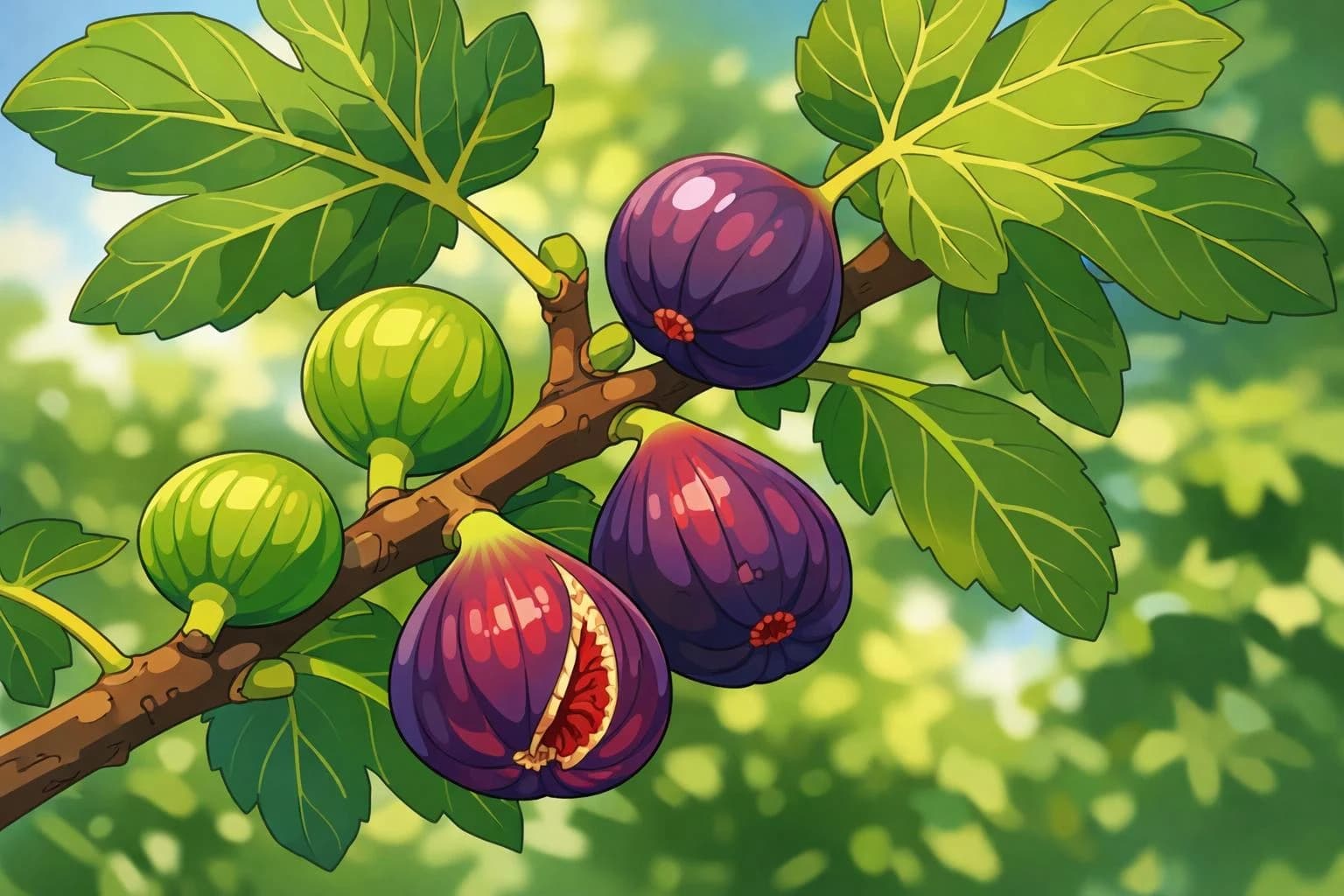
Fig At a Glance
Difficulty
Easy
Category
Tree Fruit
Sun Exposure
Full Sun
Frost Tolerance
Frost Tender
Cold Hardiness
Survives to -12°C
Plant Family
Moraceae
Growing Season
Warm Season
Plant Lifecycle
Perennial
How to Start It
★ Recommended for beginners
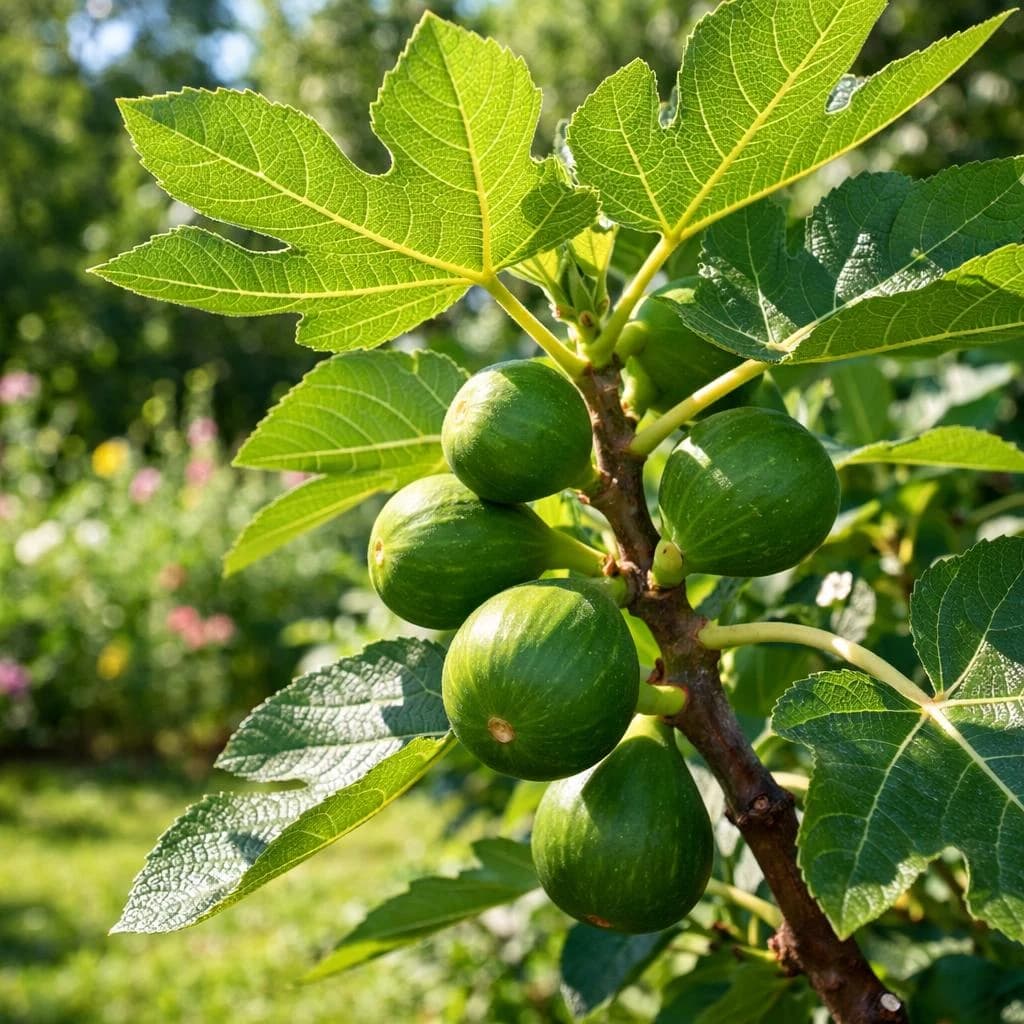
Buy a young fig in a pot and plant it out after your last frost, or keep it in a large pot you can move. In most of Canada a pot is the best choice, so you can bring the tree into shelter for winter. Pick a hardy kind such as Chicago Hardy or Brown Turkey, and a single tree fruits on its own.
Figs are easier than most people think, and a fig kept in a pot can live on a sunny deck or balcony anywhere in Canada. They actually fruit best with their roots kept snug in a pot, which makes more fruit and fewer leaves. Expect your first figs about 2 years after planting.
When To Start
Fig needs warmth. Wait until your last frost has passed and the soil has warmed before sowing.
We do not have exact sowing dates for this one yet.
When should you plant Fig?
Your planting dates depend on your local climate. Sign up and add your location to unlock personalized dates.
Your Fig Planting Window
Start planting
May 15, 2026
Last chance
Sep 10, 2026
Your Fig Calendar
Set your location to turn these into exact dates and reminders.
Plant your fig in a sunny spot, or in a large pot
Around your last frost
Prune your fig while bare, wearing gloves for the sap
30 days before your last frost· every year
Pick only figs that droop and feel soft
120 days after your last frost· every year
Water your new fig plants well while they settle in. Deep and slow is best.
About 1 days after you plant it
Hi from your growing space! Water your fig deeply while it settles in, then let the top of the soil dry a little.
About 30 days after you plant it
Your fig is settling in. Give it as much sun as you can, and water a potted fig more often in hot weather.
About 90 days after you plant it
The Journey Ahead
Fig's Lifecycle
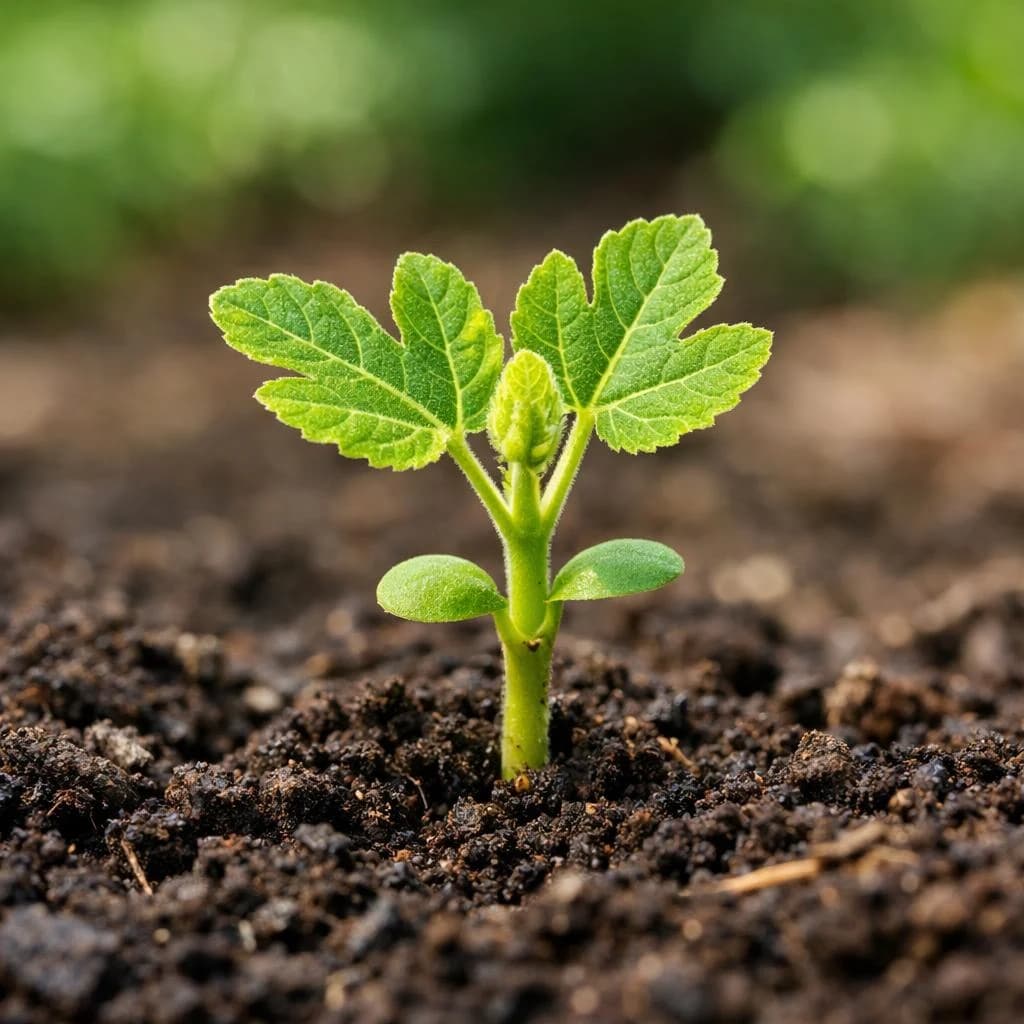
Seedling
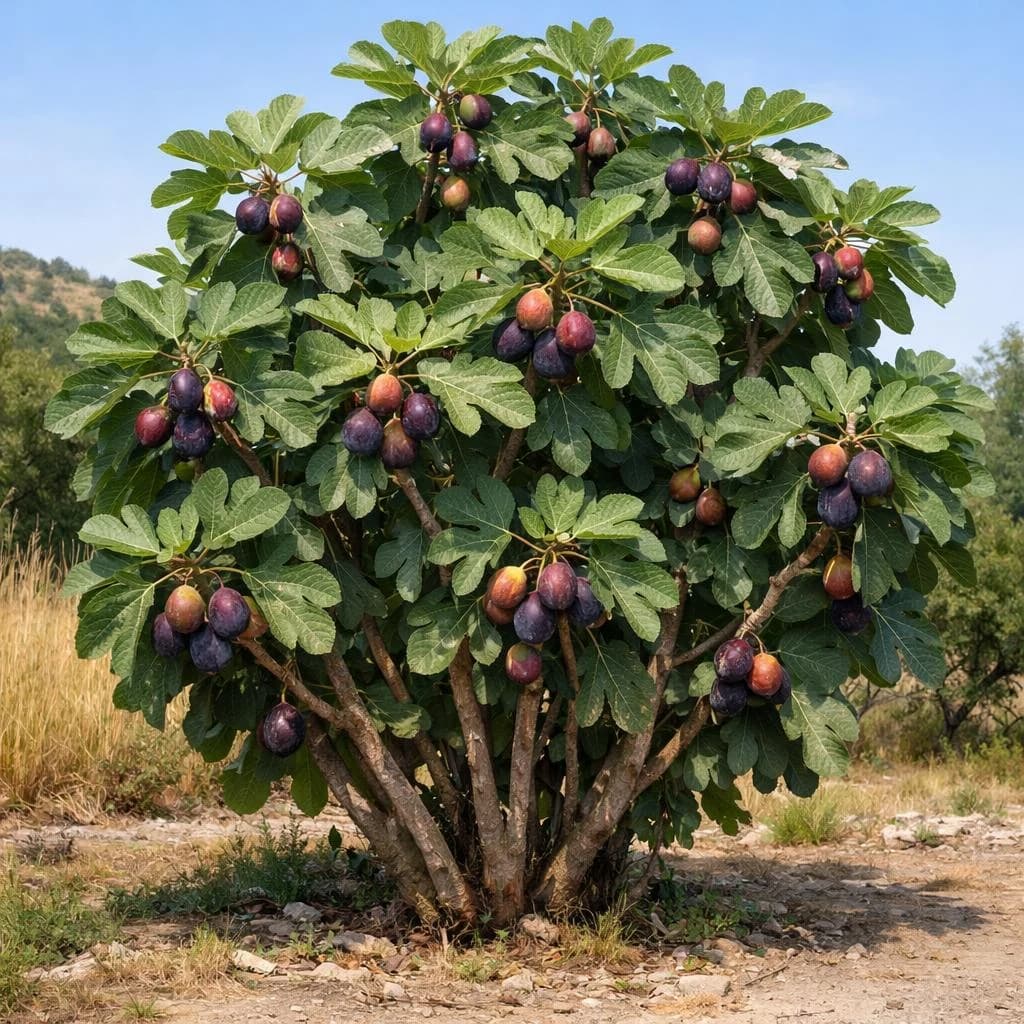
Mature Plant
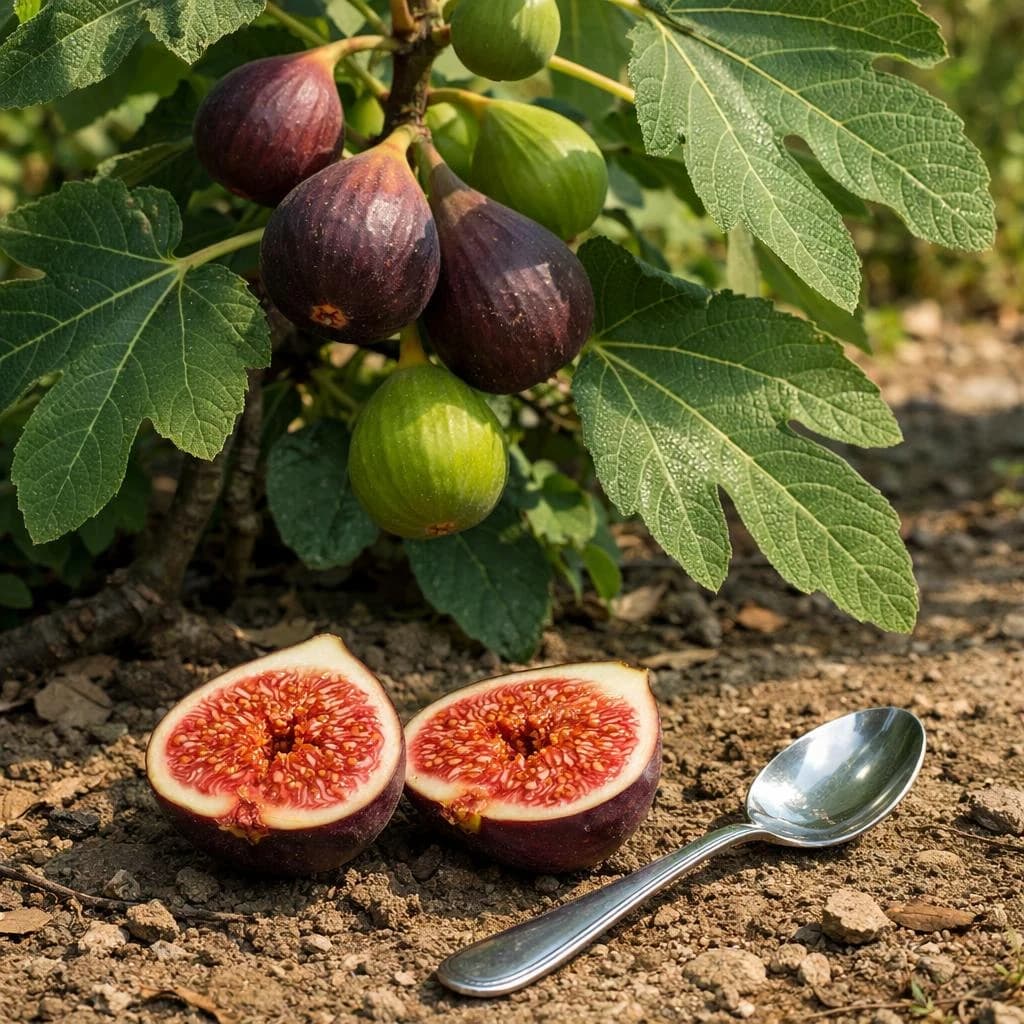
Seed Production
Step 2
Planting & Sprouting
Growing Tips
- 1Give your fig the hottest, sunniest spot you have, like against a south-facing wall.
- 2Use a large pot with well-drained potting mix and some compost, and move it up only one size every few years, since snug roots mean more fruit.
- 3Water deeply when the top few cm of soil is dry, more often in summer heat, but never leave the pot sitting in water.
- 4Feed with a little compost or worm castings in spring only, because too much food gives lots of leaves and little fruit.
- 5After the leaves fall in autumn, move the pot into an unheated garage or cold room that stays just above freezing until spring.
- 6Fig leaves and sap irritate skin and are toxic to cats and dogs, so wear gloves when pruning and keep pets from chewing it.
Seedling Phase
Step 3
Growth & Maturity
300 cm
Mature Height
300 cm
Mature Width
Pests to Watch For
Diseases to Watch For
Mature Plant
Step 4
Harvesting
Harvest Window
45 days
When to Pick
Pick only when figs hang down, are soft and a bead of nectar shows. They don't ripen off the tree
How to Harvest
- 1A fig is ripe when it droops on its stalk, feels soft when you squeeze it gently, and sometimes shows a drop of nectar at the bottom.
- 2Figs do not ripen after picking, so leave hard ones on the tree.
- 3Lift each ripe fig gently and bend the stalk until it snaps, wearing gloves if the milky sap bothers your skin.
- 4Pick every day or two once they start, since ripe figs spoil fast and birds love them.
- 5Eat them within 2 days or keep them in the fridge a few days more.
Step 5
Saving Seeds
Seed Production
Still have a question?
Ask your coach about your fig.
This page covers what we thought to write down. Your fig will do something it never mentions, and that is the day a coach beats a guide. Ask Coach Lumen one question right now, free, no account.