How to Grow Larkspur
Larkspur At a Glance
Difficulty
Easy
Category
Flower
Sun Exposure
Full Sun
Frost Tolerance
Frost Hardy
Cold Hardiness
Survives to -12°C
Plant Family
Ranunculaceae
Growing Season
Cool Season
Plant Lifecycle
Annual
How to Start It
★ Recommended for beginners
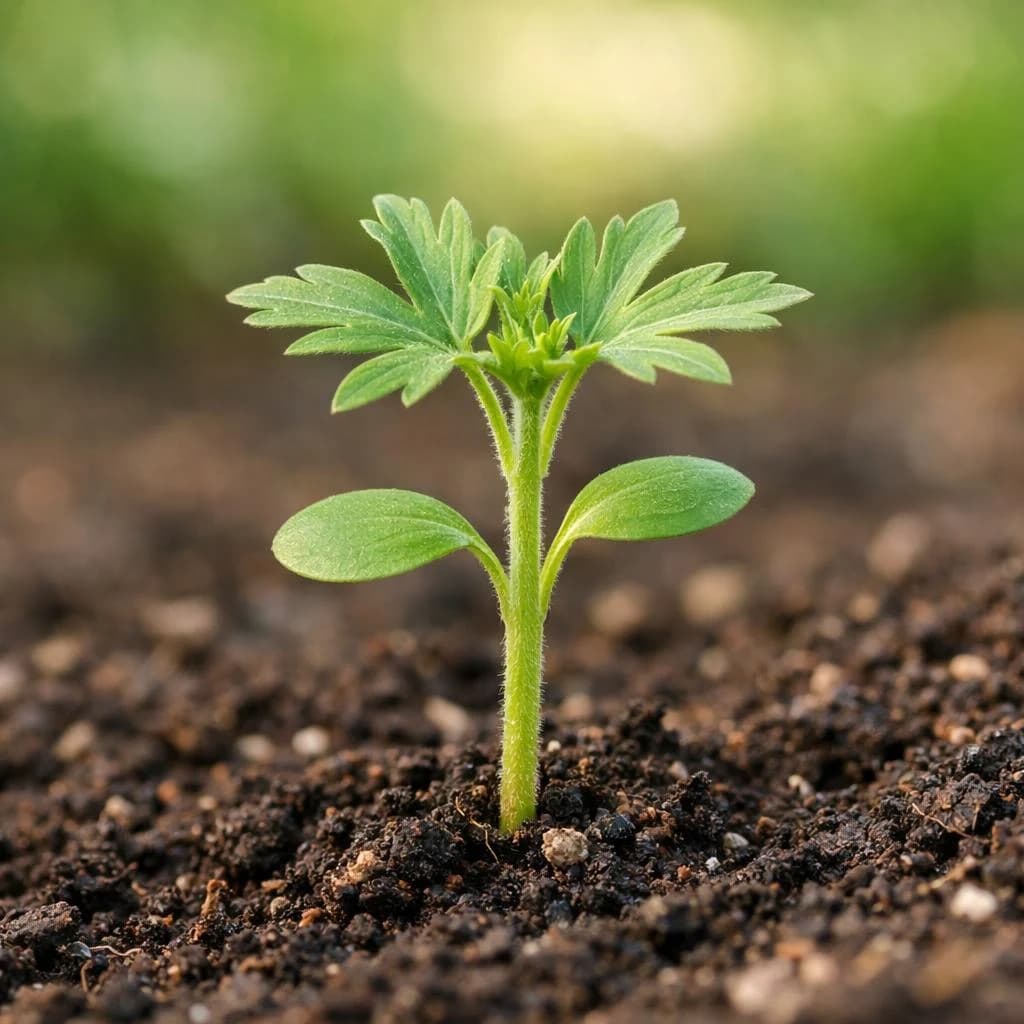
Larkspur needs cold to sprout, so sow it in late fall and winter does the work, or as early in spring as you can dig, about 4 weeks before your last frost. Scatter the seeds, cover them with 1 cm of soil, since they sprout best in the dark, and do not move the seedlings later. They sprout in 14 to 28 days: thin them (pull the extras) to 20 cm apart.
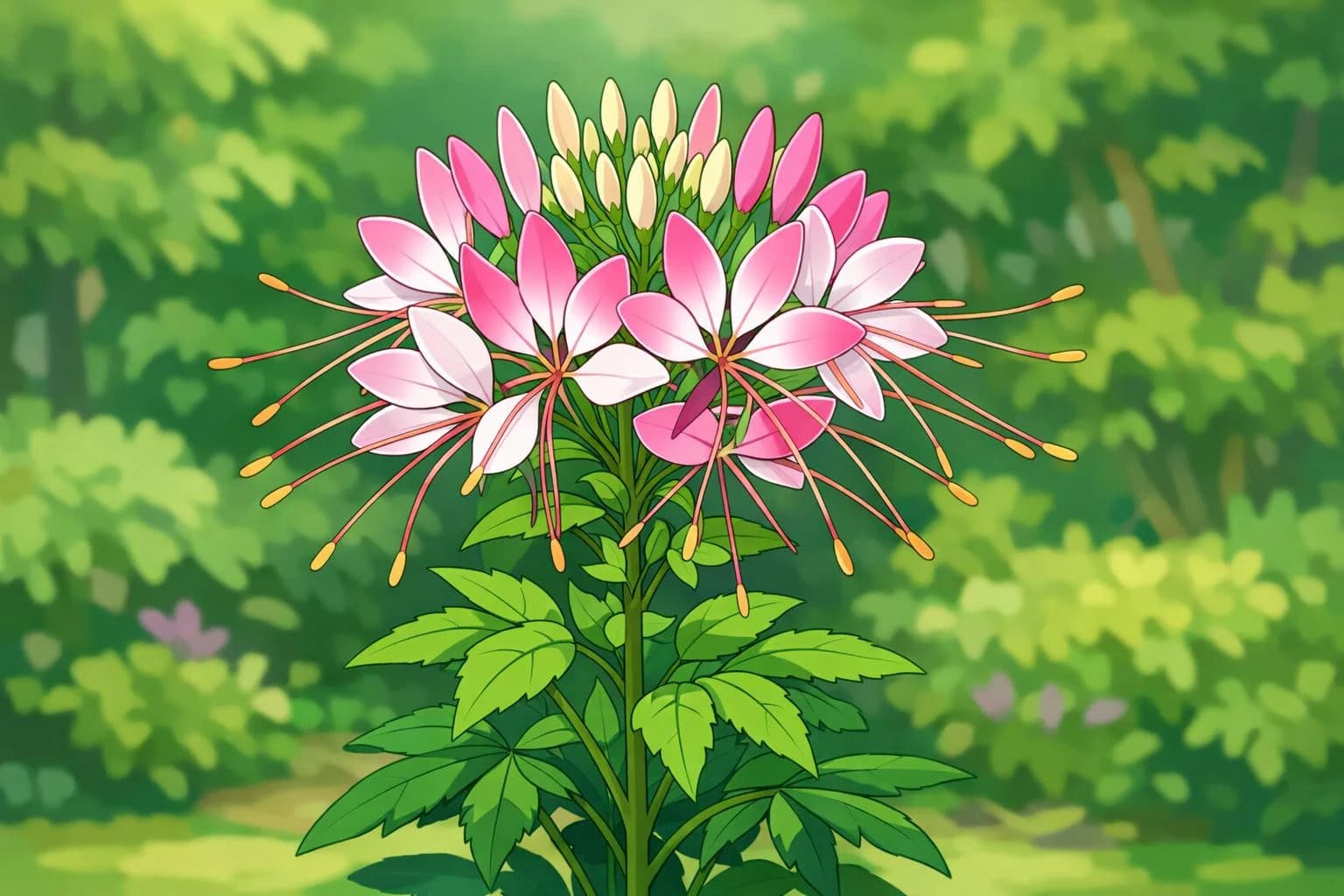
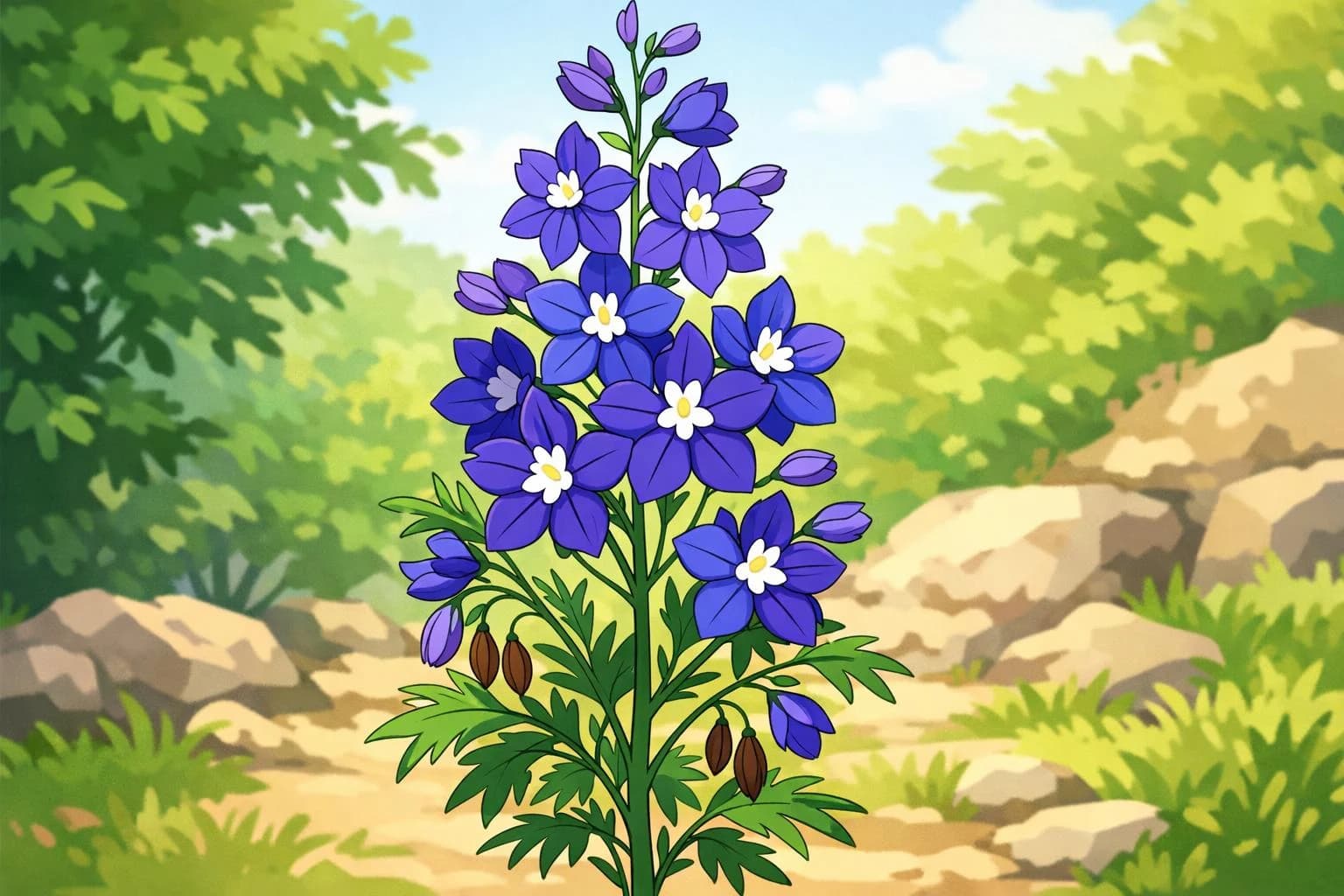
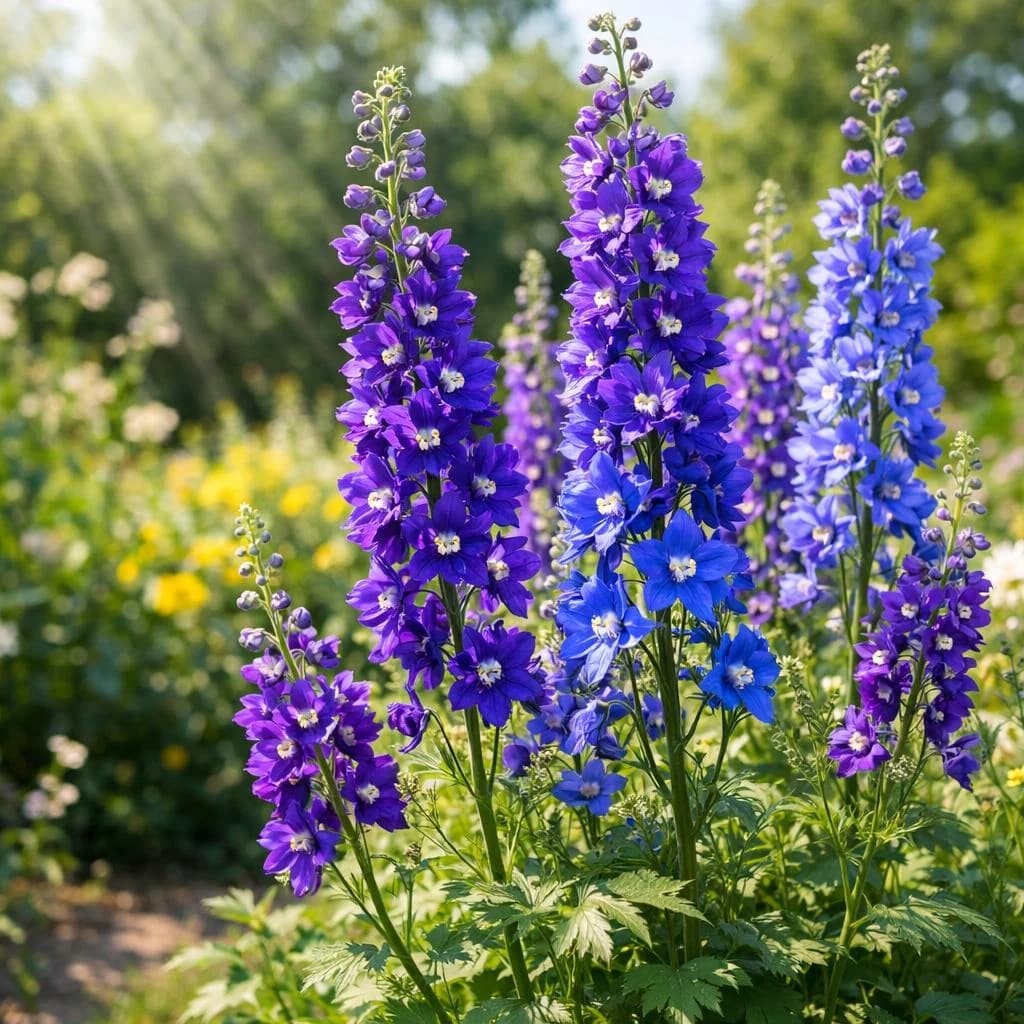
Larkspur gives tall spires of blue, purple, pink or white flowers in early summer and is done once real heat arrives. It hates being moved, so always sow it where it will flower. Leave a few plants to drop seed and it comes back on its own each year.
When To Start
Larkspur likes cool weather. Sow it in early spring, as soon as the ground can be worked.
We do not have exact sowing dates for this one yet.
When should you plant Larkspur?
Your planting dates depend on your local climate. Sign up and add your location to unlock personalized dates.
Your Larkspur Planting Window
Start planting
May 15, 2026
Last chance
Sep 10, 2026
Your Larkspur Calendar
Set your location to turn these into exact dates and reminders.
Sow larkspur outdoors now, it needs cold to sprout
30 days before your last frost· every year
Cut larkspur for a vase, and leave some to drop seed
60 days after your last frost· every year· optional
Did you water your larkspur seedlings today? Keep the top of the soil damp until they are up and growing.
About 1 days after you plant it
Hello! Larkspur can be slow to sprout, so keep the soil lightly moist and be patient.
About 30 days after you plant it
Your larkspur is on its way. Thin crowded seedlings so the tall plants have room to grow.
About 90 days after you plant it
The Journey Ahead
Larkspur's Lifecycle
Seedling
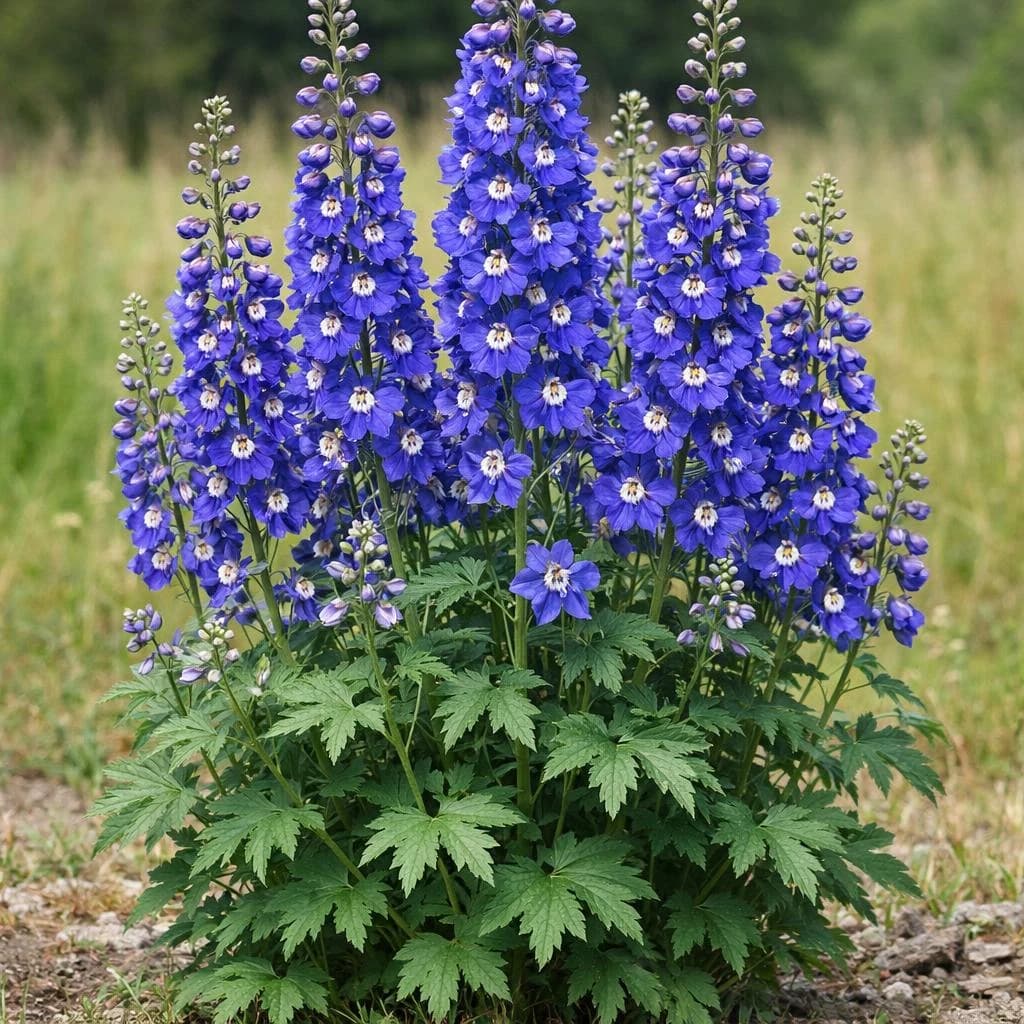
Mature Plant
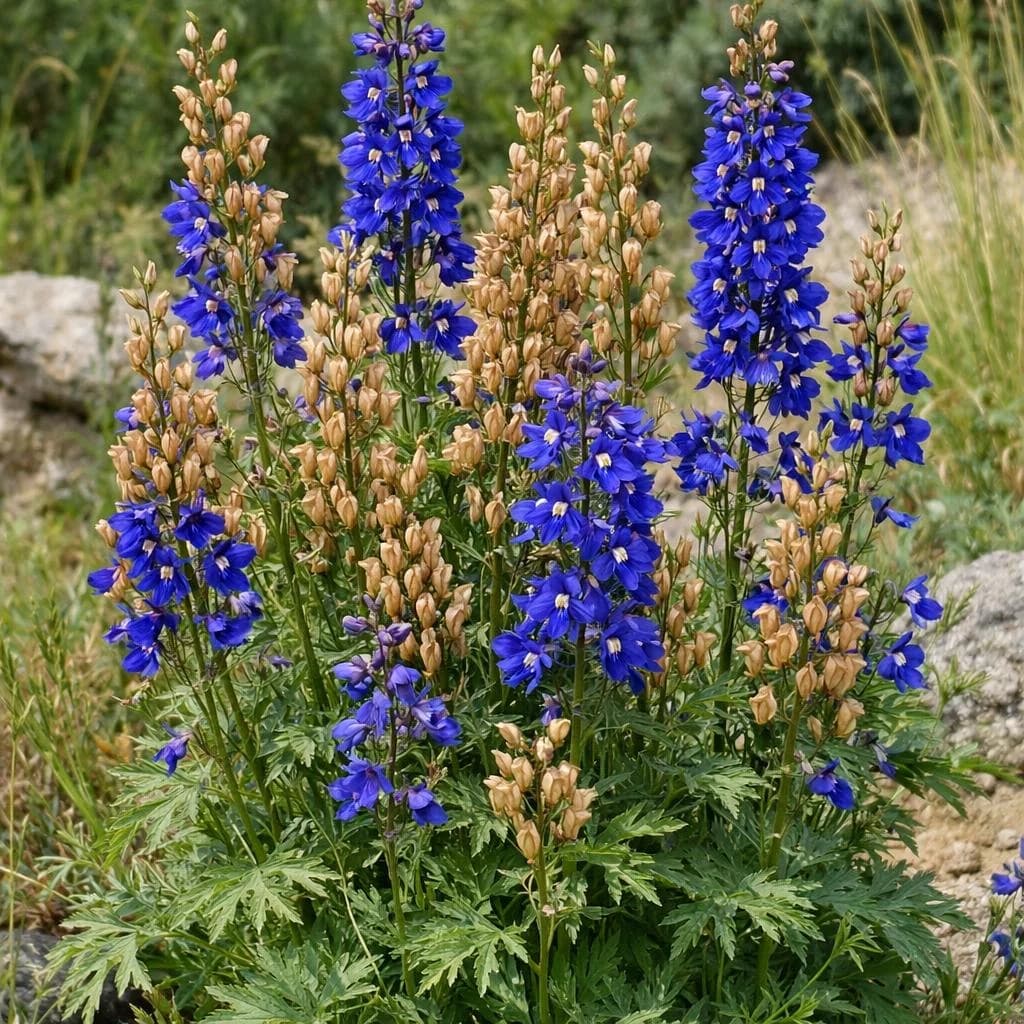
Seed Production
Step 1
Prepare Your Space
1 cm
Seeding Depth
20 cm
Plant Spacing
30 cm
Row Spacing
Vertical Growing
No.
Succession Planting
No.
Good Companions
Bad Companions
Step 2
Planting & Sprouting
Expect sprouts in 14–28 days
Growing Tips
- 1Grow larkspur in full sun, with some afternoon shade where summers are hot.
- 2Plant it in well drained soil with a little compost mixed in.
- 3Keep the soil moist while seedlings are small, then water about once a week in dry spells.
- 4Skip extra feeding, as lean soil gives sturdier stems.
- 5Push twiggy sticks or a short stake around tall plants before they flop, and give them space so air flows and keeps powdery mildew (a white dust on the leaves) away.
- 6Every part of larkspur is poisonous to people and pets, so plant it away from where children and animals play.
Seedling Phase
Step 3
Growth & Maturity
100 cm
Mature Height
25 cm
Mature Width
Pests to Watch For
Diseases to Watch For
Mature Plant
Step 4
Harvesting
When to Pick
Spires bloom early summer; cut or deadhead to prolong, leave some to self-sow
How to Harvest
- 1For a vase, cut spires when about a third of the flowers at the bottom have opened.
- 2For drying, wait until most flowers are open, then hang small bunches upside down in a dark, airy place for 1 to 2 weeks.
- 3Cutting the main spire makes side shoots with more flowers.
- 4Wash your hands after handling the plants.
- 5Leave a few spires to ripen into seed pods if you want larkspur to come back next year.
Step 5
Saving Seeds
How to Save Seeds
Larkspur mostly comes true from seed, though different colours grown together may mix. Let a few spires stay until the pods turn brown and dry and split at the top. Snip the spires into a paper bag, shake out the black seeds and dry them a few more days. Store them labelled in the fridge or another cool, dark, dry place, and sow them within 1 to 2 years, since larkspur seed loses its strength fast. The seeds are poisonous, so keep them away from children and pets.
Seed Production
Still have a question?
Ask your coach about your larkspur.
This page covers what we thought to write down. Your larkspur will do something it never mentions, and that is the day a coach beats a guide. Ask Coach Lumen one question right now, free, no account.