How to Grow Hibiscus
Hibiscus At a Glance
Difficulty
Moderate
Category
Flower
Sun Exposure
Full Sun
Frost Tolerance
Frost Tender
Cold Hardiness
Survives to -2°C
Plant Family
Malvaceae
Growing Season
Warm Season
Plant Lifecycle
Perennial
How to Start It
★ Recommended for beginners
In early summer, cut a 10 to 15 cm soft green shoot just below a leaf, pull off the lower leaves and push it into damp potting mix. Cover the pot loosely with a clear bag and keep it warm and out of direct sun. It roots in a few weeks and grows into a plant exactly like its parent.
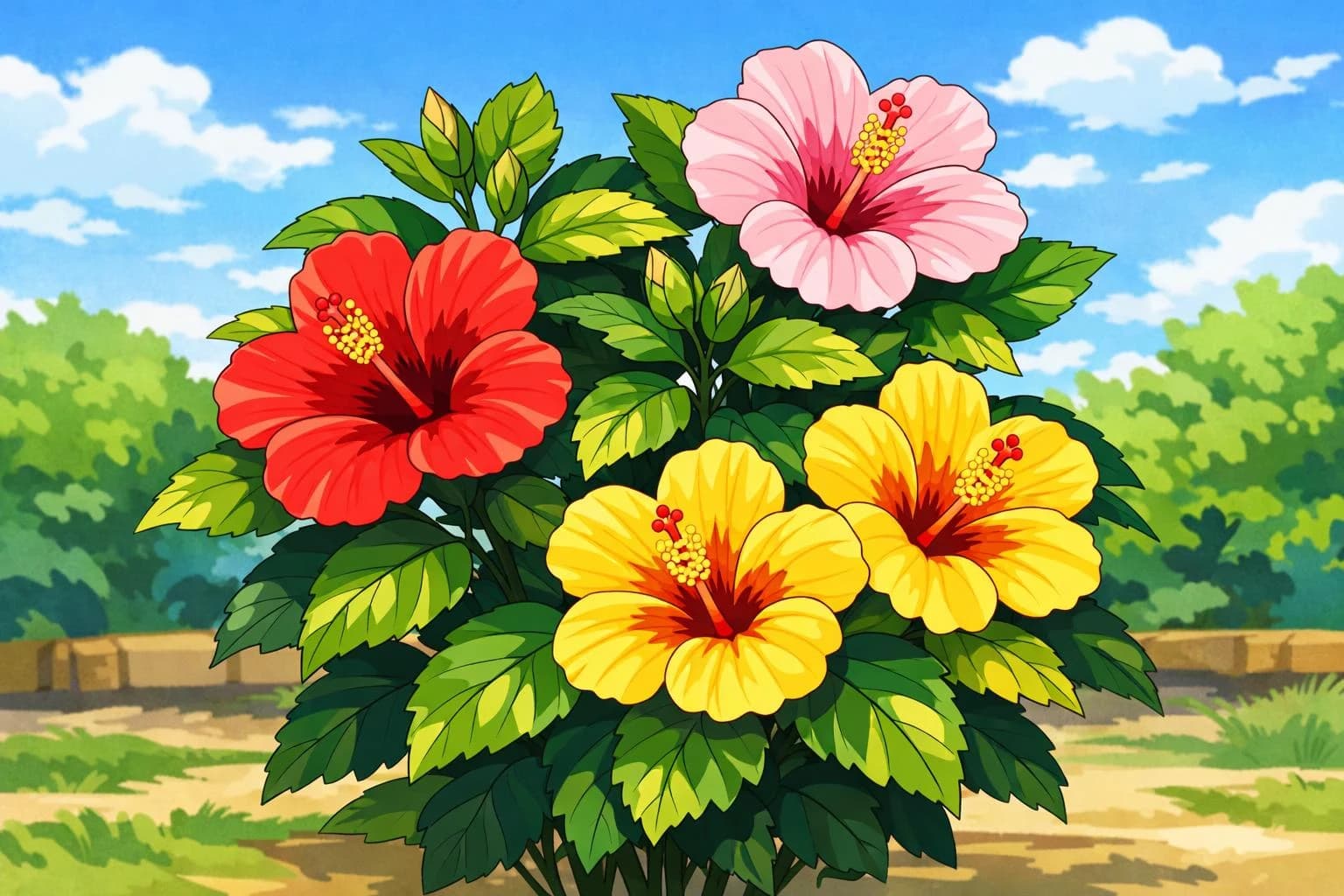
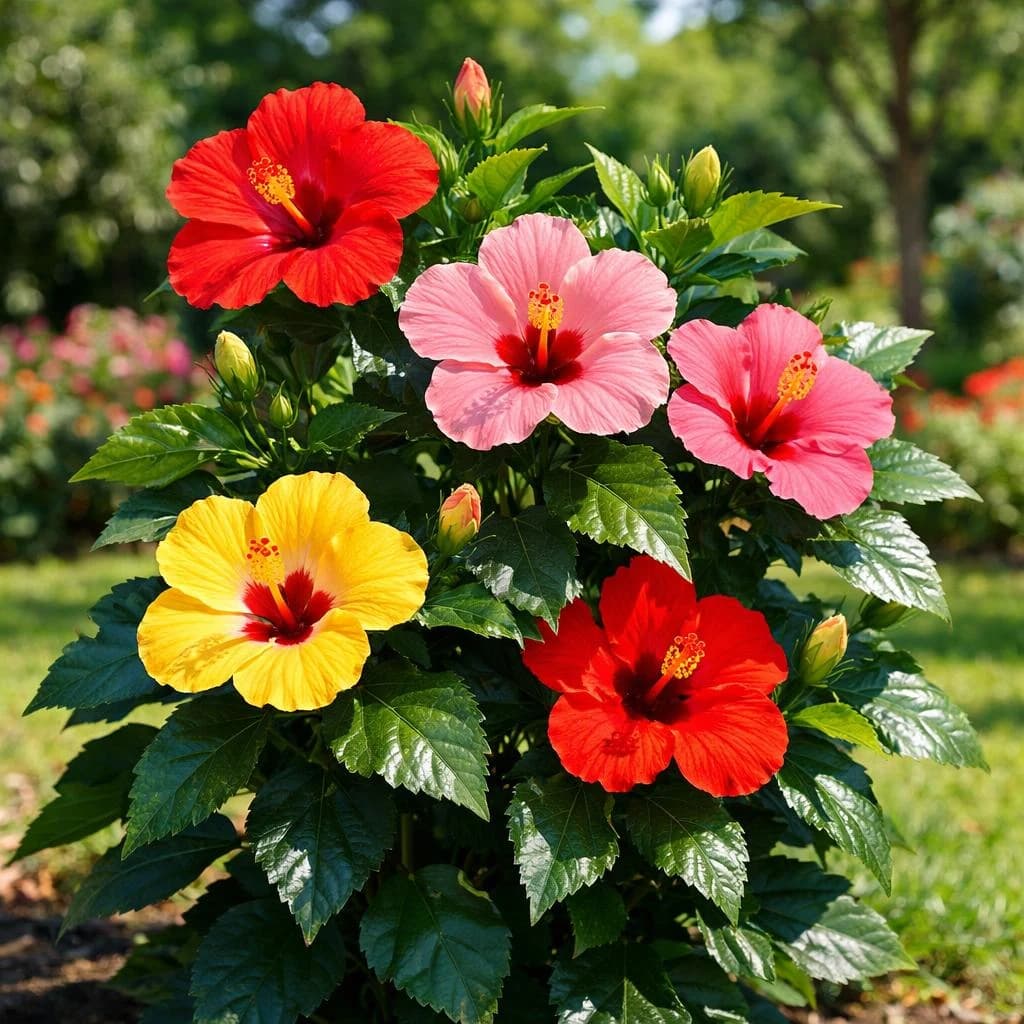
Hibiscus means two quite different plants. Tropical hibiscus is killed by frost and grows here as a pot plant that summers outside and winters by a sunny window. Hardy hibiscus (rose mallow) survives cold winters in the ground, dies back each fall and comes back late in spring with dinner-plate-sized flowers, so be patient and do not dig it up by mistake.
When To Start
Hibiscus needs warmth. Wait until your last frost has passed and the soil has warmed before sowing.
We do not have exact sowing dates for this one yet.
When should you plant Hibiscus?
Your planting dates depend on your local climate. Sign up and add your location to unlock personalized dates.
Your Hibiscus Planting Window
Start planting
May 15, 2026
Last chance
Sep 10, 2026
Your Hibiscus Calendar
Set your location to turn these into exact dates and reminders.
Plant hibiscus in full sun, tropical types in a pot
2 weeks after your last frost· every year
Trim tropical hibiscus and clear old hardy hibiscus stems
Around your last frost· every year· optional
Bring tropical hibiscus indoors to a sunny window
2 weeks before your first frost· every year· optional
Water your new hibiscus plants well while they settle in. Deep and slow is best.
About 1 days after you plant it
Hello! Hibiscus likes lots of light and evenly moist soil, so check it often in warm weather.
About 30 days after you plant it
Your hibiscus is settling in. Try not to move it around, since sudden changes can make buds drop.
About 90 days after you plant it
The Journey Ahead
Hibiscus's Lifecycle
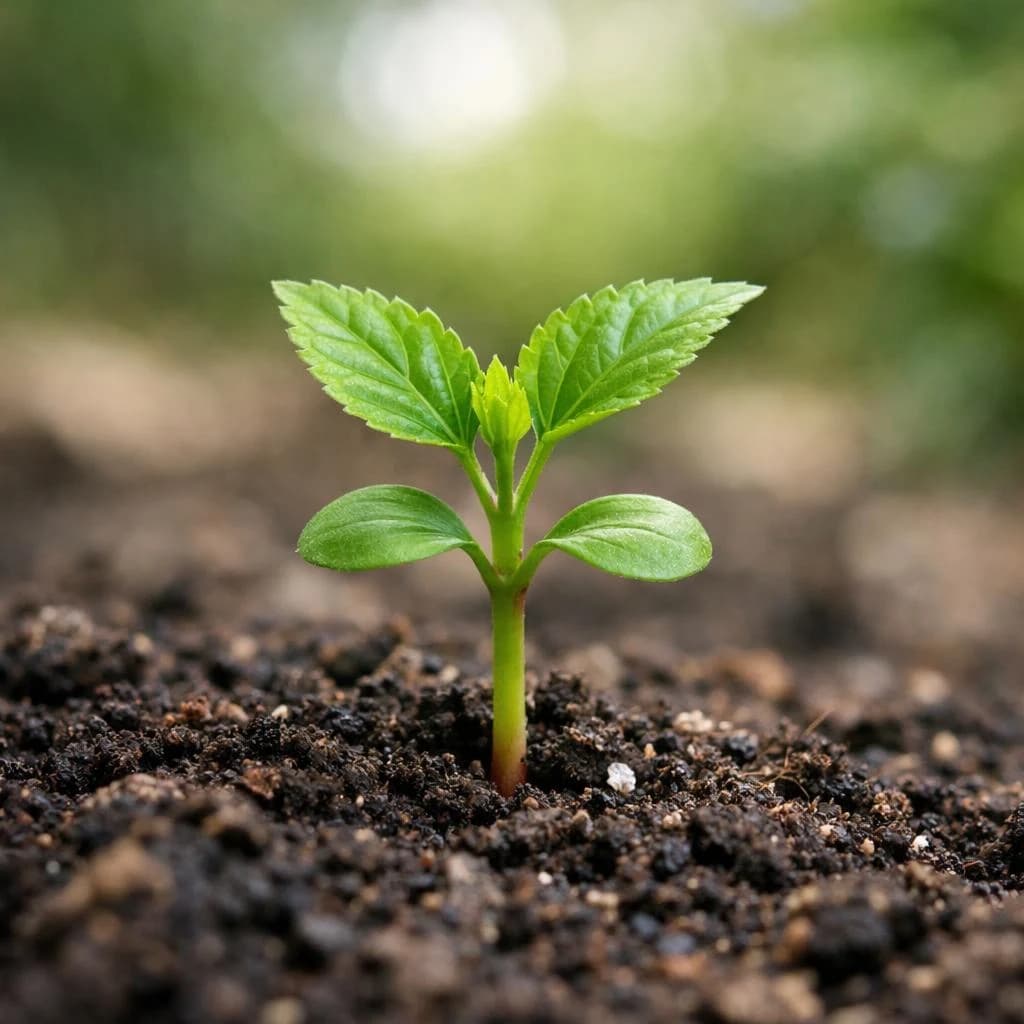
Seedling
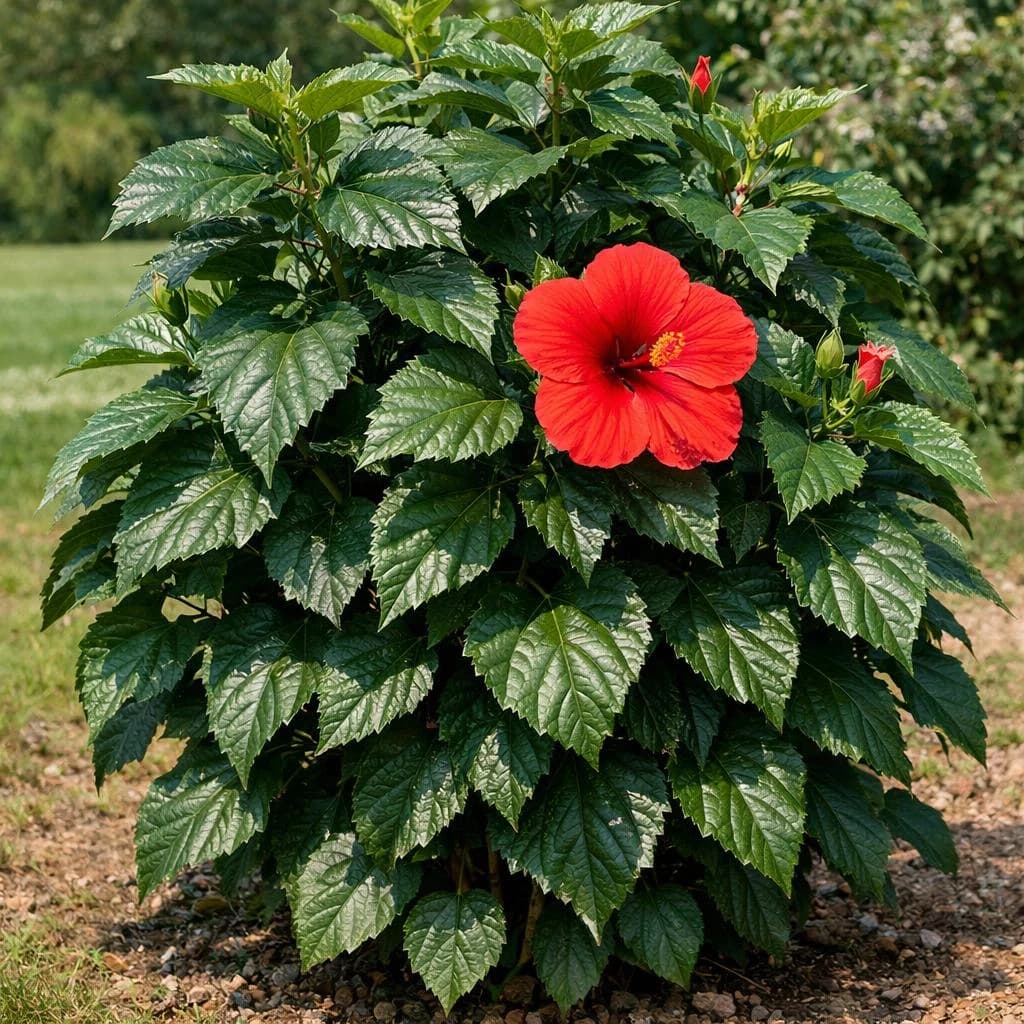
Mature Plant
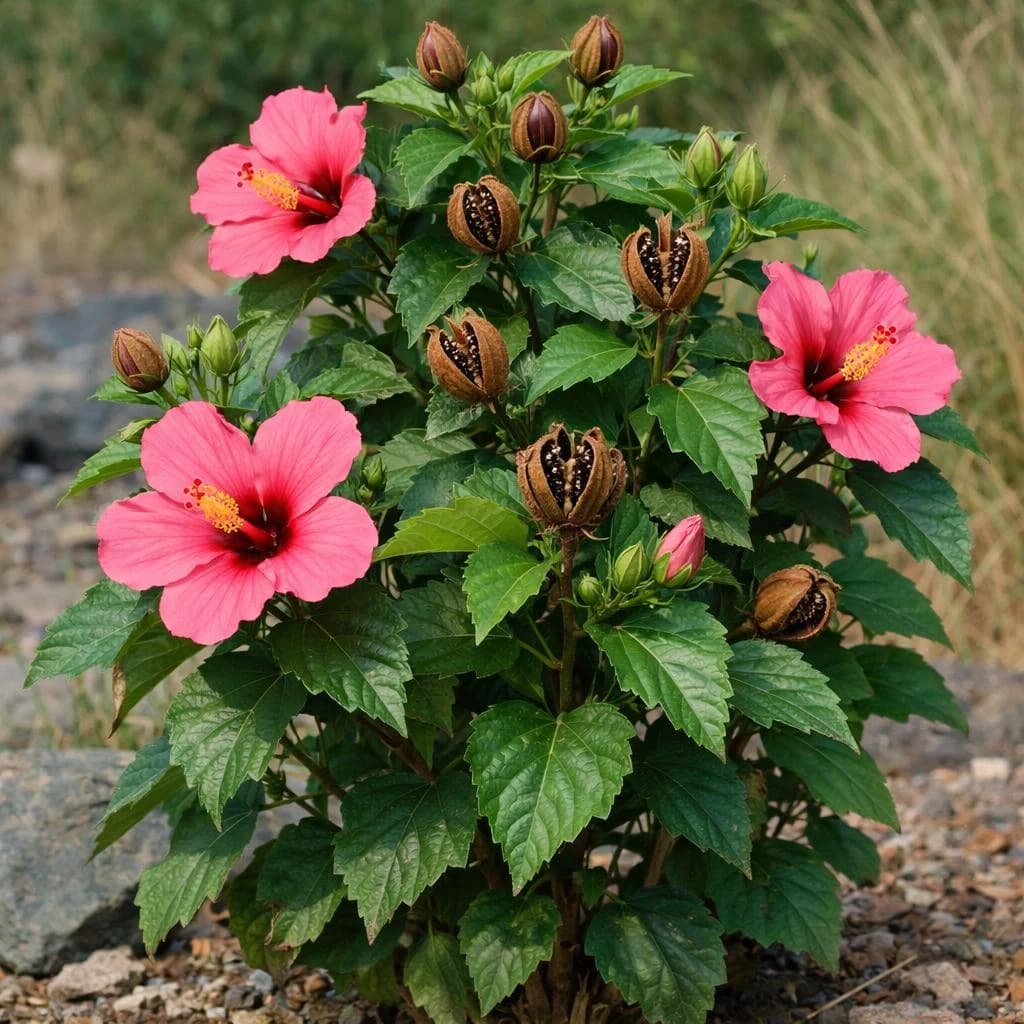
Seed Production
Step 1
Prepare Your Space
120 cm
Plant Spacing
30 cm
Row Spacing
Vertical Growing
No.
Succession Planting
No.
Good Companions
Bad Companions
Step 2
Planting & Sprouting
Growing Tips
- 1Give hibiscus full sun, at least 6 hours a day, for the most flowers.
- 2Use rich soil or potting mix with plenty of compost, and a pot with drainage holes for tropical types.
- 3Water deeply whenever the top 2 to 3 cm of soil is dry, since hibiscus are thirsty in summer heat.
- 4Feed with compost tea or worm castings every 2 to 3 weeks while they are blooming.
- 5Look under the leaves for aphids and tiny web-spinning mites, and wash them off with a spray of water.
- 6Keep tropical hibiscus away from cold drafts, which make the buds drop.
Seedling Phase
Step 3
Growth & Maturity
200 cm
Mature Height
120 cm
Mature Width
Pests to Watch For
Diseases to Watch For
Mature Plant
Step 4
Harvesting
When to Pick
Blooms through summer (hardy types) or on and off year-round (tropical, indoors)
How to Harvest
- 1Each flower lasts only a day or two, so pick off faded ones to keep the plant tidy.
- 2In spring, trim tropical hibiscus by up to a third to shape it and get more branches.
- 3Cut hardy hibiscus stems down to about 10 cm once frost kills them in fall.
- 4Mark where hardy hibiscus grows, since new shoots often do not appear until late spring.
- 5Before the first fall frost, bring tropical hibiscus indoors to your sunniest window and water less over winter.
Step 5
Saving Seeds
Seed Production
Still have a question?
Ask your coach about your hibiscus.
This page covers what we thought to write down. Your hibiscus will do something it never mentions, and that is the day a coach beats a guide. Ask Coach Lumen one question right now, free, no account.