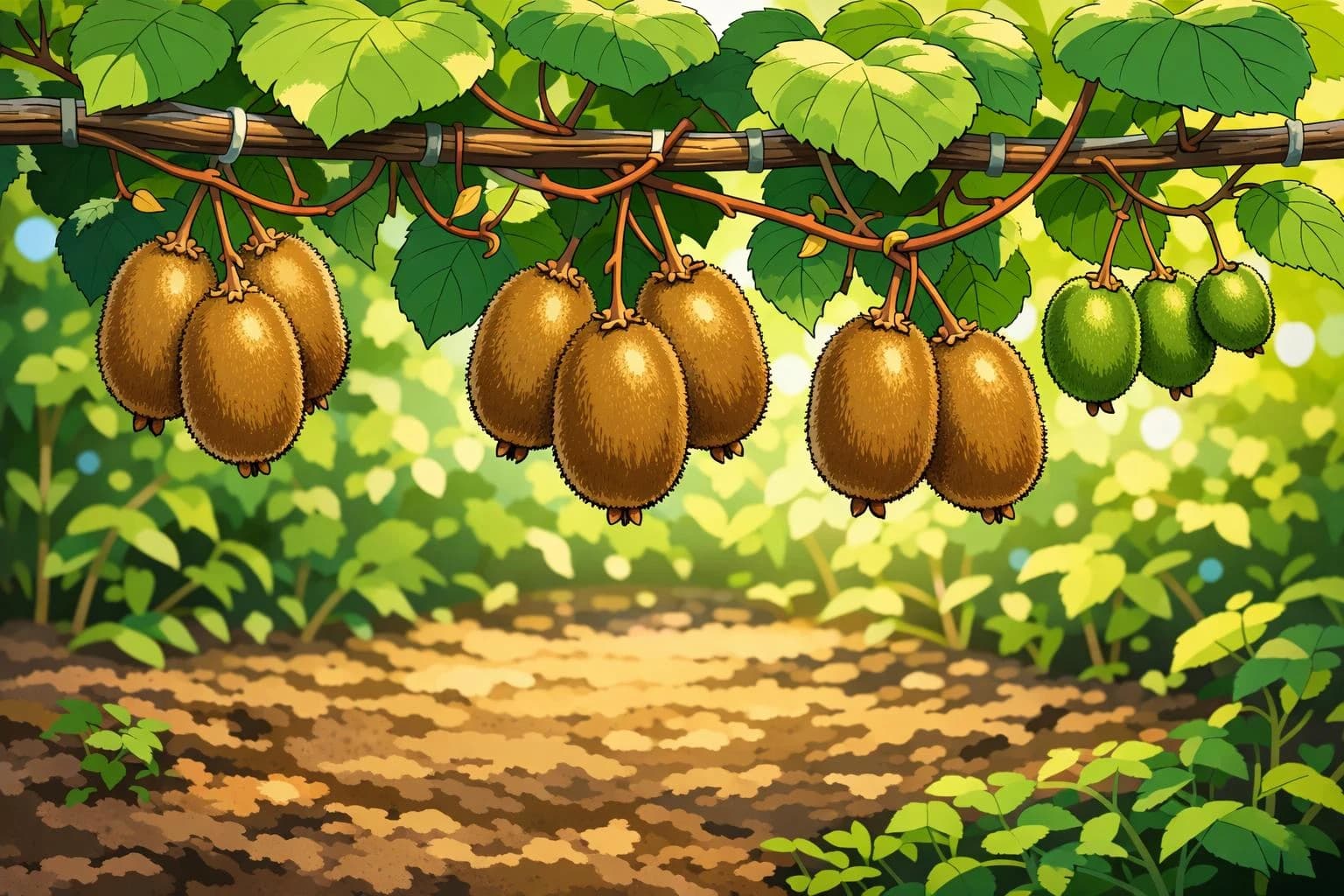
How to Grow Passionfruit
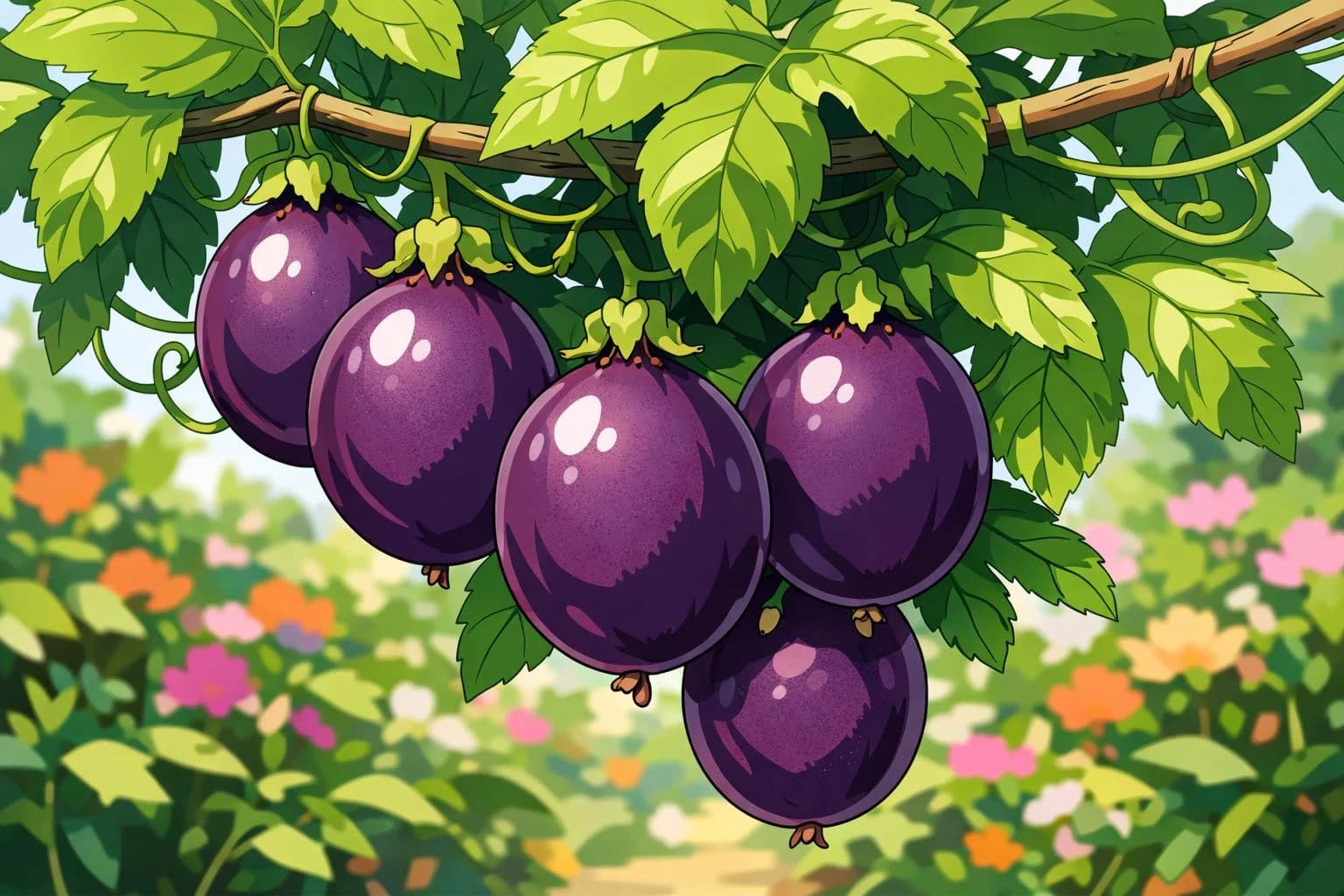
Passionfruit At a Glance
Difficulty
Moderate
Category
Vine Fruit
Sun Exposure
Full Sun
Frost Tolerance
Frost Tender
Cold Hardiness
Survives to -2°C
Plant Family
Passifloraceae
Growing Season
Warm Season
Plant Lifecycle
Perennial
How to Start It
★ Recommended for beginners
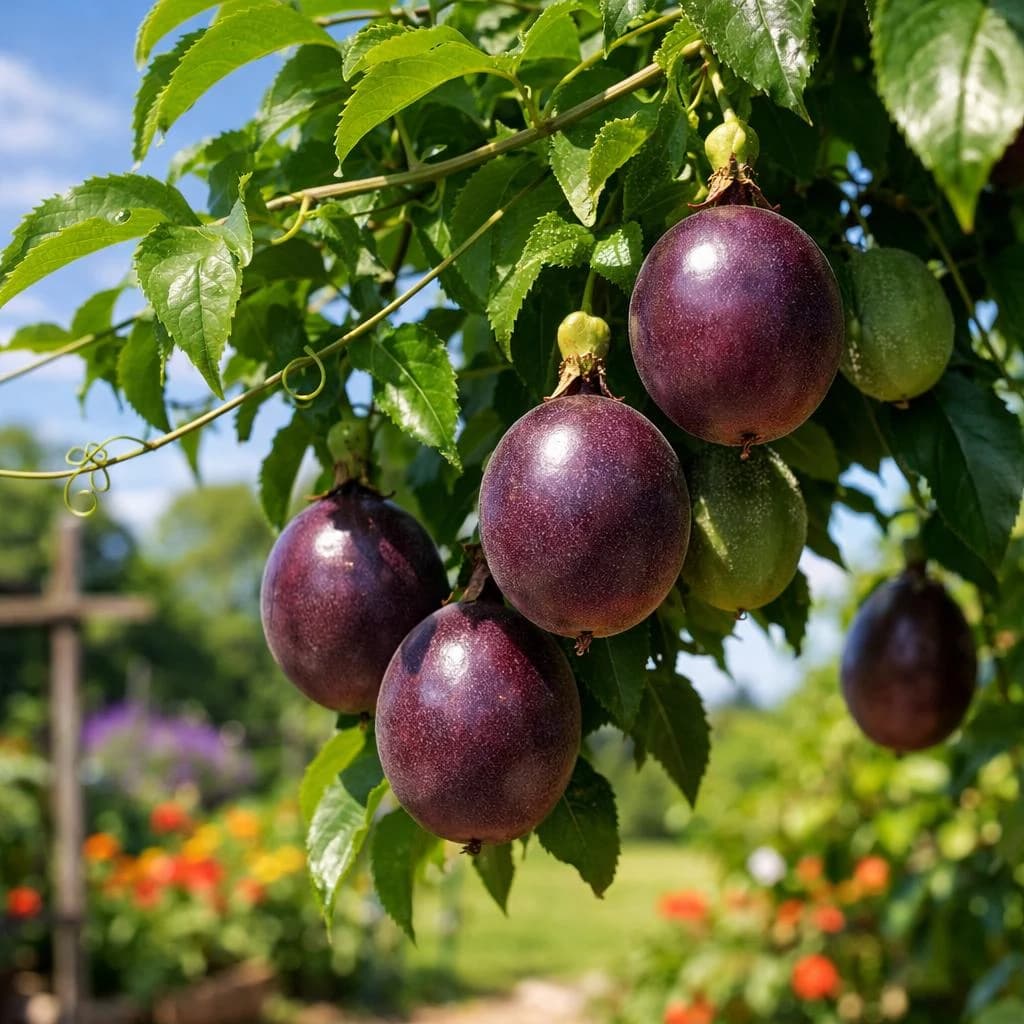
A young potted vine is the quickest way to fruit, often in its first or second year. Choose a purple passionfruit, which sets fruit on its own without a second plant. Set it outside about 2 weeks after your last frost, in the biggest pot you can still move, with a sturdy trellis.
Passionfruit is a fast, leafy vine with striking flowers that dies at only a few degrees below zero, so in most of Canada it lives in a pot: outside in summer, in a bright room in winter. Expect a handful of fruit rather than a big crop, and plan to replace the vine after 3 to 5 good years.
When To Start
Passionfruit needs warmth. Wait until your last frost has passed and the soil has warmed before sowing.
We do not have exact sowing dates for this one yet.
When should you plant Passionfruit?
Your planting dates depend on your local climate. Sign up and add your location to unlock personalized dates.
Your Passionfruit Planting Window
Start planting
May 15, 2026
Last chance
Sep 10, 2026
Your Passionfruit Calendar
Set your location to turn these into exact dates and reminders.
Set your passionfruit outside by a warm, sunny wall
2 weeks after your last frost
Bring potted passionfruit indoors before frost
3 weeks before your first frost· every year· optional
Gather passionfruit that has dropped: wrinkly means sweet
120 days after your last frost· every year
Water your new passionfruit plants well while they settle in. Deep and slow is best.
About 1 days after you plant it
Hello, vine grower! Give your passionfruit a trellis or stake to climb, and keep the soil lightly moist.
About 30 days after you plant it
Your passionfruit should be settling in nicely. Keep guiding new shoots onto the support so the vine stays tidy.
About 90 days after you plant it
The Journey Ahead
Passionfruit's Lifecycle
Seedling
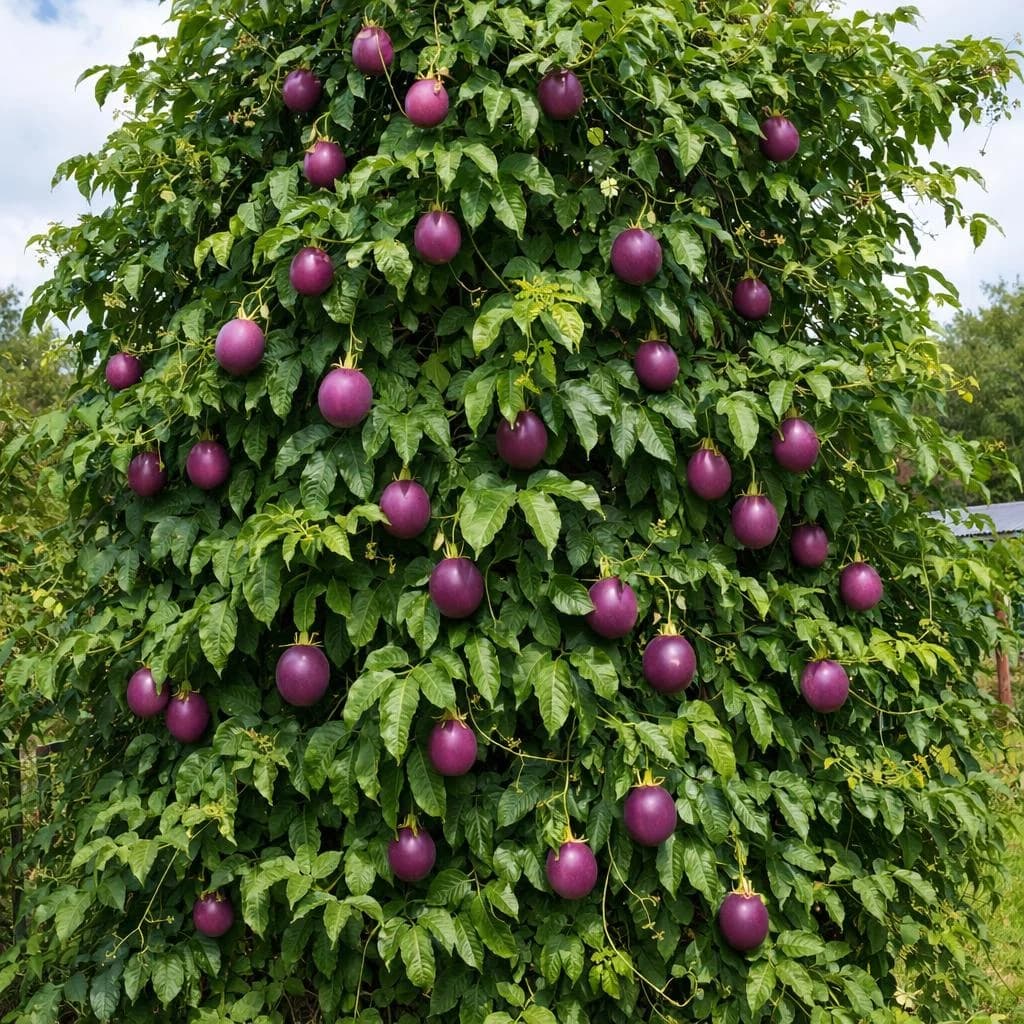
Mature Plant
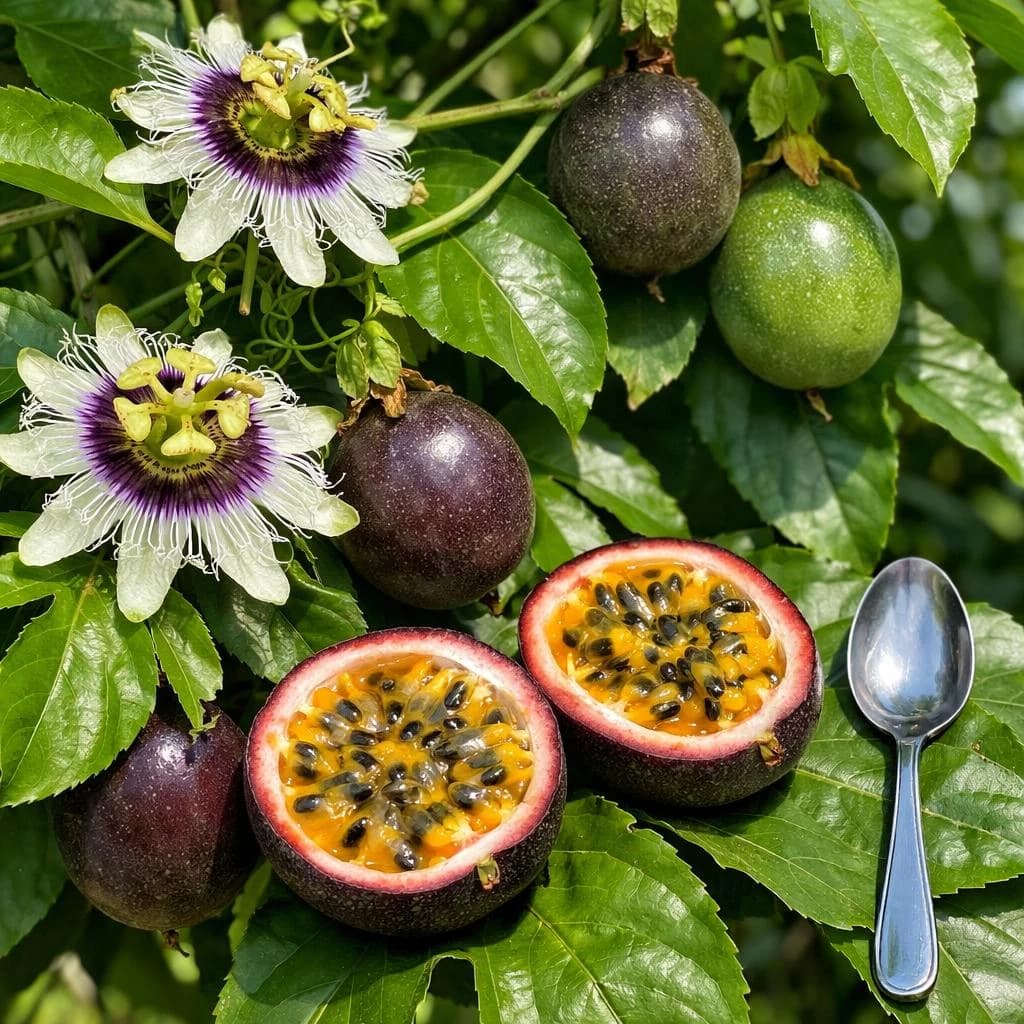
Seed Production
Step 1
Prepare Your Space
200 cm
Plant Spacing
300 cm
Row Spacing
Vertical Growing
Yes: a strong trellis, fence or pergola is essential.
Succession Planting
No.
Good Companions
Bad Companions
Step 2
Planting & Sprouting
Growing Tips
- 1Give passionfruit the warmest, sunniest spot you have, such as against a south-facing wall.
- 2Plant it in rich potting mix with compost, in a pot with good drainage holes.
- 3Water deeply whenever the top 2 to 3 cm of soil is dry, and less in winter indoors.
- 4Feed with compost tea or worm castings every 2 weeks in summer, but skip rich feeds, which give lots of leaves and no flowers.
- 5Tie the new stems to a strong trellis as they grow.
- 6Eat only the ripe fruit, since the leaves and unripe fruit are not safe to eat.
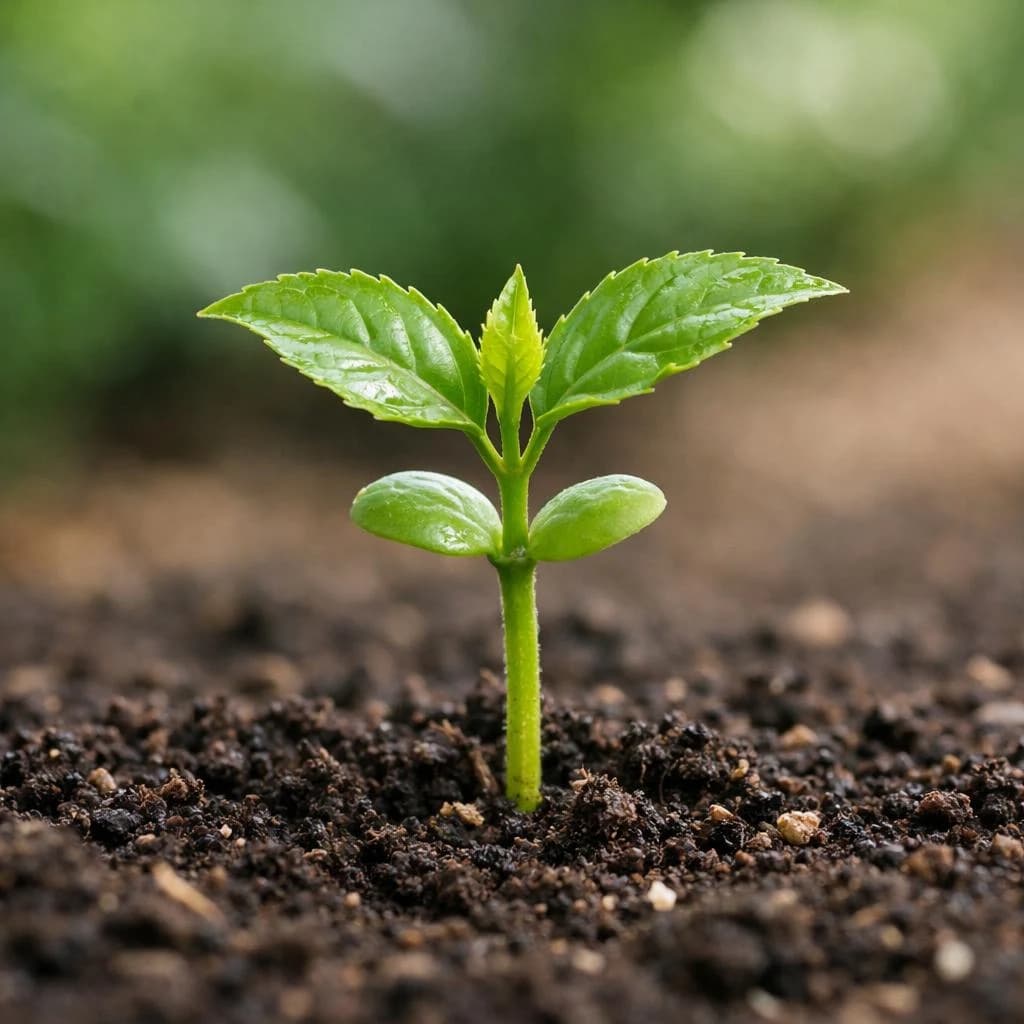
Seedling Phase
Step 3
Growth & Maturity
400 cm
Mature Height
300 cm
Mature Width
Pests to Watch For
Diseases to Watch For
Mature Plant
Step 4
Harvesting
Harvest Window
60 days
When to Pick
Let the fruit fall: wrinkly, fully-coloured windfalls are the sweetest
How to Harvest
- 1Leave passionfruit on the vine until it ripens fully and drops, or comes off at a gentle touch.
- 2Ripe fruit is deep purple, and a wrinkled skin means it is sweeter, not spoiled.
- 3Cut the fruit in half and scoop out the pulp and seeds with a spoon.
- 4Keep whole fruit in the fridge for up to 2 weeks, or freeze the pulp in an ice cube tray.
- 5Before your first fall frost, trim the vine back and bring the pot into your brightest window for winter.
Step 5
Saving Seeds
Seed Production
Still have a question?
Ask your coach about your passionfruit.
This page covers what we thought to write down. Your passionfruit will do something it never mentions, and that is the day a coach beats a guide. Ask Coach Lumen one question right now, free, no account.