Growing the Natural Way
10 min read

What You'll Learn
Learn why natural growing matters — no synthetic chemicals, build healthy soil with compost and cover crops, and manage pests the way nature intended.
Why Natural Growing Matters

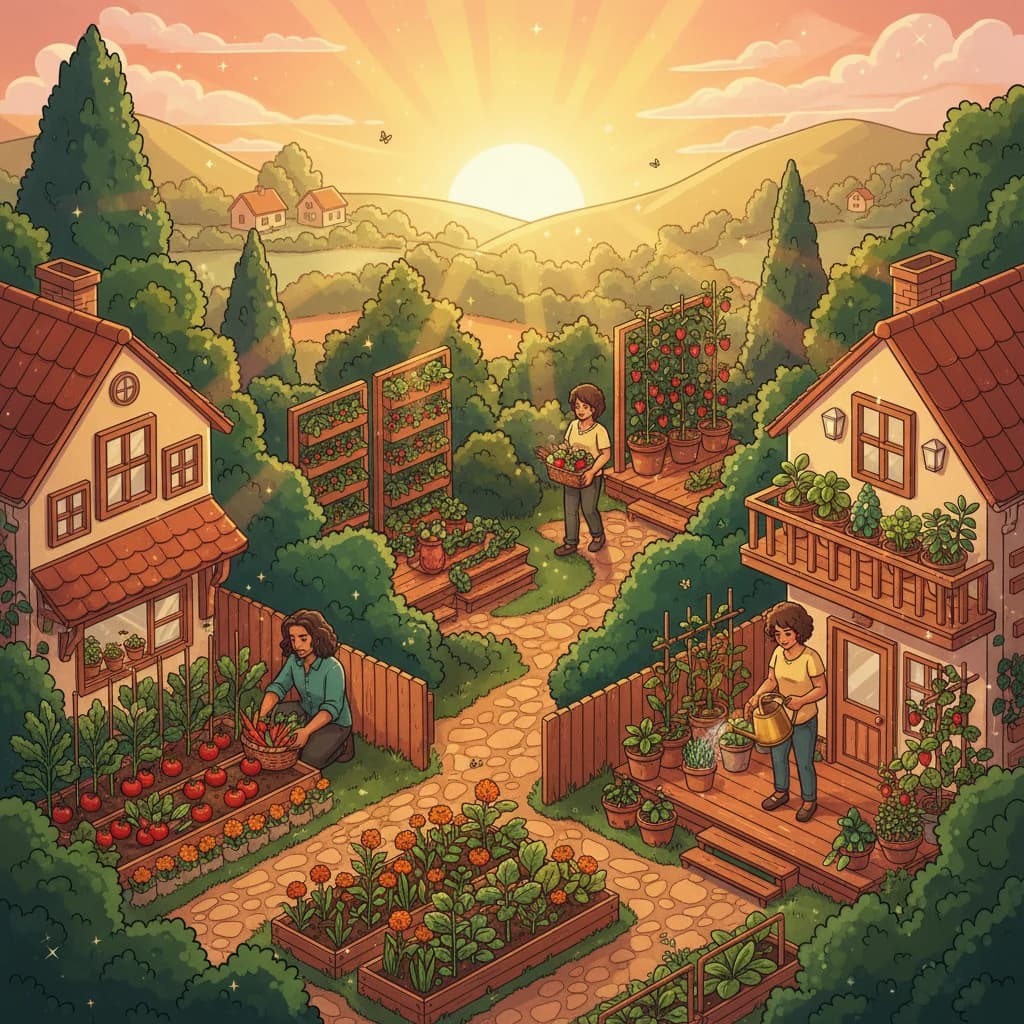
Before you plant your first seed, there's something important we want to share with you. It's not a technique or a tool — it's a mindset. It's about how you approach growing, and it'll shape every decision you make in your garden.
At Limitless Growth, we believe in growing the natural way. That means no synthetic pesticides, no petroleum-based fertilizers, and no harmful chemicals anywhere near the food you and your family will eat. This isn't about following rules or earning a certification — it's about making choices that are better for your health, your soil, and the planet.
What "Natural Growing" Actually Means

Let's be clear about what we mean — and what we don't mean.
We don't use the word "organic" much, because that term has become a marketing label. You can buy "organic" products that are shipped 5,000 kilometers in petroleum-fueled trucks. That's not really what sustainability looks like.
Natural growing means:
- Feeding your soil with Decomposed organic matter — kitchen scraps, leaves, grass clippings — that turns into nutrient-rich soil amendment. Compost feeds the living ecosystem in your soil rather than just the plant., natural amendments, and cover crops instead of synthetic fertilizers
- Managing pests with companion planting, beneficial insects, and physical barriers instead of chemical sprays
- Building healthy soil that grows healthy plants that naturally resist disease
- Thinking about the whole system — not just the plant in front of you
Natural growing does NOT mean:
- Never intervening when pests attack (you absolutely should — just use natural methods)
- Everything has to be "pure" or "perfect" — pragmatism matters
- You can't use modern techniques — hydroponics and aquaponics are very sustainable even though they use technology
The goal isn't perfection. It's intention. Every chemical you don't spray is a win. Every bag of compost you use instead of synthetic fertilizer is a step in the right direction. Start where you are and grow from there.
The Problem with Synthetic Chemicals

You might wonder — if synthetic pesticides and fertilizers work, why avoid them? Here's why:
Health: Residues from synthetic pesticides stay on your food. Studies link long-term exposure to various health concerns. When you grow your own food naturally, you know exactly what went into it — nothing harmful.
Soil health: Synthetic fertilizers feed the plant but starve the soil. Healthy soil is a living ecosystem — billions of bacteria, fungi, and organisms that break down organic matter and make nutrients available to plants. Chemical fertilizers bypass this system, and over time, the soil becomes dependent on them. It's a cycle that gets harder to break.
The environment: Chemical fertilizers and pesticides don't stay where you put them. Rain washes them into waterways, rivers, and eventually the ocean. This causes Rapid growth of algae in water bodies caused by excess nutrients (usually nitrogen and phosphorus from fertilizer runoff). Algal blooms deplete oxygen in water, killing fish and other aquatic life. that kill aquatic life and contaminate drinking water. This isn't abstract — it's happening in rivers and lakes across Canada and around the world right now.
Did You Know?
The average piece of produce in Canada travels over 3,000 kilometers to reach your plate. That's 3,000 km of fuel, refrigeration, and packaging — for a tomato you could grow in your backyard. Growing even a small amount of your own food is one of the most impactful environmental choices you can make.
Building Soil the Natural Way

Instead of buying bags of synthetic fertilizer, natural growers focus on building soil health. Healthy soil grows healthy plants — and healthy plants naturally resist pests and disease better than chemically-dependent ones.
Here's how to feed your soil naturally:
Compost — The foundation of natural growing. Compost is decomposed organic matter — kitchen scraps, leaves, grass clippings — that turns into dark, crumbly, nutrient-rich material. Spreading compost or mulch on top of the soil surface rather than digging it in. This mimics how nutrients are added in nature (leaves falling, organic matter decomposing on the surface) and protects soil life. your beds with compost once or twice a season is one of the best things you can do.
Cover crops — Plants like clover, winter rye, and other Plants in the bean and pea family that form a partnership with soil bacteria to convert nitrogen from the air into a form plants can use. Growing legumes naturally enriches your soil with this essential nutrient. that you grow specifically to improve soil. Legumes are especially valuable because they pull nitrogen from the air and fix it into the soil — free, natural fertilizer.
Mulch — A layer of organic material (straw, wood chips, leaves) on top of your soil. Mulch keeps moisture in, keeps weeds down, and slowly decomposes into nutrients. It's like a slow-release, natural feed.
Tip
Start a simple compost pile or bin. Kitchen scraps (fruit peels, vegetable trimmings, coffee grounds, eggshells) plus yard waste (leaves, grass clippings) equals gold for your garden. We'll dive deeper into composting in Level 3.
Natural Pest Management

Pests are part of growing — you will encounter aphids, caterpillars, slugs, and other unwanted visitors. The natural approach isn't to eliminate every insect (that would be impossible and counterproductive), but to manage the balance.
The natural toolkit:
- Companion planting — certain plants repel certain pests. Marigolds around tomatoes, basil near peppers, nasturtiums as trap crops
- Beneficial insects — ladybugs eat aphids, lacewings eat caterpillars, ground beetles eat slugs. Attract them with flowers and diverse planting
- Physical barriers — row covers, netting, and copper tape keep pests away without any chemicals
- Hand picking — sometimes the simplest method is the best. Check your plants regularly and remove pests by hand
- Neem oil — a natural, plant-derived spray that deters a wide range of pests without harming beneficial insects when used correctly
Did You Know?
A single ladybug can eat up to 50 aphids per day — that's 5,000 over its lifetime. Instead of spraying chemicals, plant flowers that attract ladybugs (like dill, fennel, and marigold) and let nature do the pest control for you.
The Bigger Picture

Natural growing isn't just about what happens in your garden — it's about what happens because of your garden.
Every tomato you grow is a tomato that didn't travel 3,000 kilometers in a diesel truck. Every pepper you harvest is a pepper that wasn't sprayed with synthetic chemicals that wash into rivers. Every meal you make with food from your garden is a meal that's fresher, healthier, and has a smaller environmental footprint than anything from a store.
This isn't about being perfect. You don't have to grow all your food — even growing 10% of what you eat makes a meaningful difference. It's about taking one step, then another, and watching the impact grow along with your garden.
Growing your own food is one of the most empowering things you can do. You're not just feeding yourself — you're opting out of a system that ships food thousands of kilometers, sprays it with chemicals, wraps it in plastic, and charges you a premium for the privilege. Your backyard (or balcony, or windowsill) is a quiet act of independence.
What This Means For You

Natural growing is a mindset, not a rulebook:
- Feed your soil, not just your plants — compost, cover crops, and mulch are your best friends
- Skip the synthetic chemicals — they're not needed and they cause harm
- Work with nature, not against it — beneficial insects and companion planting are your pest control
- Every little bit counts — even one tomato plant grown naturally is a win
- Think about the bigger picture — food miles, chemical runoff, and health all improve when you grow your own
In the next lesson, we'll bring everything together and help you plan your first garden. You're almost ready to get your hands in the soil.
Check Your Understanding
Answer these questions to complete the lesson and see how other learners responded.
Question 1 of 3
What does natural growing use instead of synthetic fertilizers?
Enjoying the Academy?
Sign up for free to track your progress, earn skills, and get personalized planting dates.
Sign Up for Free