Limitless Growth
Lesson 3 of 80% read

Understanding Sunlight and Water

9 min read

Understanding Sunlight and Water

What You'll Learn

Learn how much sunlight and water your plants actually need, how to read your space, and the most common watering mistake beginners make.

1

The Two Things Every Plant Needs

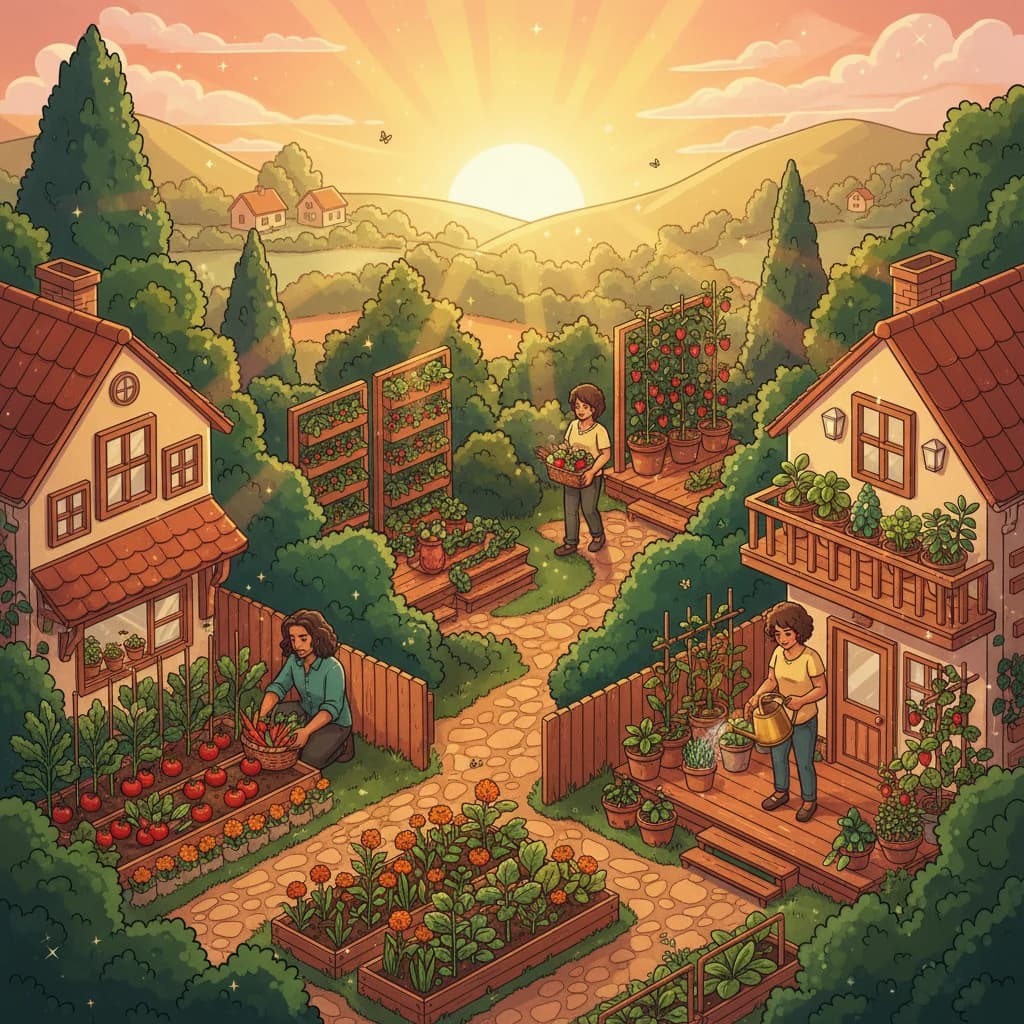
Sunlight streaming through garden plants with water droplets

Every plant on Earth — from a tiny herb on your windowsill to a towering oak — needs just two things to survive: sunlight and water. Everything else (soil, nutrients, temperature) matters too, but these two are the foundation. Get them right and your plants will thrive. Get them wrong and nothing else you do will save them.

The good news? Understanding sunlight and water isn't complicated. It's mostly about observation — paying attention to your space, your plants, and adjusting as you go. By the end of this lesson, you'll know exactly what your plants need and how to give it to them.

2

Understanding Sunlight

Diagram showing full sun, partial sun, and shade areas in a yard

Plants use sunlight as their energy source through . Without enough light, a plant can't make enough food to grow, flower, or produce fruit. It's like trying to run a car with an empty gas tank.

When you read a plant guide or seed packet, you'll see sunlight described in three categories:

Full Sun — 6 or more hours of direct sunlight per day. This is what most vegetables and fruit need. Tomatoes, peppers, squash, and most herbs want full sun.

Partial Sun / Partial Shade — 3 to 6 hours of direct sunlight. Leafy greens like lettuce, spinach, and some herbs (cilantro, parsley, chervil) do well with partial sun. They can actually prefer some shade during hot afternoons.

Full Shade — less than 3 hours of direct sunlight. Very few food plants grow in full shade. If your only space is deeply shaded, you'll want to look into shade-tolerant greens or consider container gardening where you can move pots to catch the light.

Tip

Spend one day observing your growing space. Check it at 8am, noon, and 4pm. Which areas get direct sunlight at each time? This tells you exactly where to put sun-loving plants versus shade-tolerant ones. You can even take photos at each time to compare later.

3

Morning Sun vs. Afternoon Sun

Comparison of gentle morning light and intense afternoon sun

Not all sunlight is equal. Morning sun (before noon) is gentler and cooler. Afternoon sun (after noon) is more intense and hotter, especially in summer.

For most plants, morning sun with afternoon shade is actually ideal — they get the energy they need without the stress of peak heat. This is especially true for leafy greens, which can (turn bitter and go to seed) in intense afternoon heat.

If your growing space gets strong afternoon sun, that's perfect for heat-lovers like tomatoes and peppers. If it gets morning sun only, lean toward leafy greens and herbs.

Did You Know?

Plants can actually get sunburned. Seedlings that have been growing indoors can get scorched if you move them straight into full outdoor sun. The process of gradually introducing them to outdoor conditions is called — and you'll learn exactly how to do it in Level 4.

4

Understanding Water — How Much Is Enough?

Cross-section of soil showing proper watering depth

If sunlight is a plant's energy source, water is its delivery system. Water carries nutrients from the soil up through the roots and into every cell of the plant. Without water, nutrients stay locked in the soil and the plant starves — even if the soil is rich.

The most common mistake new growers make is overwatering. It feels counterintuitive — more water should be better, right? But roots need oxygen as much as they need water. When soil stays constantly soggy, roots suffocate and rot. This is called .

Here's the golden rule: water deeply, but less frequently. Instead of a little splash every day, give your plants a thorough soak and then let the top inch or two of soil dry out before watering again. This encourages roots to grow deep and strong, searching for moisture — which makes your plants more resilient.

Tip

Stick your finger into the soil up to the first knuckle (about an inch). If it feels dry, water. If it still feels moist, wait. This simple test is more reliable than any watering schedule because conditions change — a hot windy day dries soil faster than a cool cloudy one.

5

Signs Your Plants Are Telling You Something

Visual comparison of overwatered vs underwatered vs healthy plants

Plants communicate through their leaves. Once you learn to read the signals, you'll know exactly what they need:

Underwatered:

  • Leaves wilt and droop, especially in the afternoon
  • Soil is dry and pulling away from the edges of the pot
  • Leaves feel crispy or papery
  • Fix: Give a deep, thorough watering

Overwatered:

  • Leaves turn yellow, starting from the bottom
  • Soil smells musty or swampy
  • Leaves feel soft and mushy
  • Fix: Stop watering, improve drainage, let soil dry out

Not enough light:

  • Plant stretches toward the nearest light source ()
  • Stems are long and thin ("leggy")
  • Leaves are pale green instead of deep green
  • Fix: Move to a brighter location or add supplemental light

Don't stress about getting everything perfect from day one. Plants are tougher than you think. Even experienced growers over- or under-water sometimes. The key is noticing the signs early and adjusting — not being perfect.

6

Watering Methods That Work

Different watering methods — watering can, drip system, and soaker hose

There are several ways to water your plants, from simple to sophisticated:

Watering can — the simplest method. Great for small gardens, containers, and beginners. Water at the base of the plant, not over the leaves — wet leaves can encourage fungal diseases.

Hose with a gentle nozzle — good for larger gardens. Use a shower or mist setting, not a hard jet, which can disturb soil and damage young plants.

Drip irrigation — a system of tubes and emitters that delivers water slowly and directly to the root zone. This is the most water-efficient method and works on a timer so you don't have to remember. You'll learn more about setting this up in Level 3.

Self-watering containers — pots with a built-in water reservoir at the bottom. The plant draws water up as it needs it through . These are excellent for busy people or forgetful waterers.

Tip

Water in the morning whenever possible. Morning watering gives plants a full day to absorb what they need, and any water on the leaves dries in the sun. Evening watering leaves moisture sitting on leaves overnight, which can lead to fungal problems.

7

What This Means For You

A healthy, well-lit garden with happy plants

Sunlight and water are the foundation — and now you understand both:

  • Full sun (6+ hours) for most vegetables and fruit; partial sun (3–6 hours) for leafy greens and some herbs
  • Morning sun is gentler than afternoon sun — match your plants to what your space offers
  • Water deeply but less frequently — let the top inch of soil dry between waterings
  • Read your plants — wilting, yellowing, and stretching are signals, not failures
  • Water at the base, in the morning, and avoid soggy soil

In the next lesson, we'll look at the different types of garden beds and containers you can grow in — because you don't need a big backyard to grow food.

Check Your Understanding

Answer these questions to complete the lesson and see how other learners responded.

Question 1 of 3

How many hours of direct sunlight do most vegetables need per day?

Enjoying the Academy?

Sign up for free to track your progress, earn skills, and get personalized planting dates.

Sign Up for Free